Portable Camera Quick Release Board Suppliers and Manufacturers
Source 28 verified Portable Camera Quick Release Board suppliers in Guangdong, China. Compare key dimensions including MOQ, lead times, response times, and pricing to identify suitable manufacturers for your specific camera accessory needs; review the available evidence before requesting comparable quotations from suitable candidates.
Suppliers List
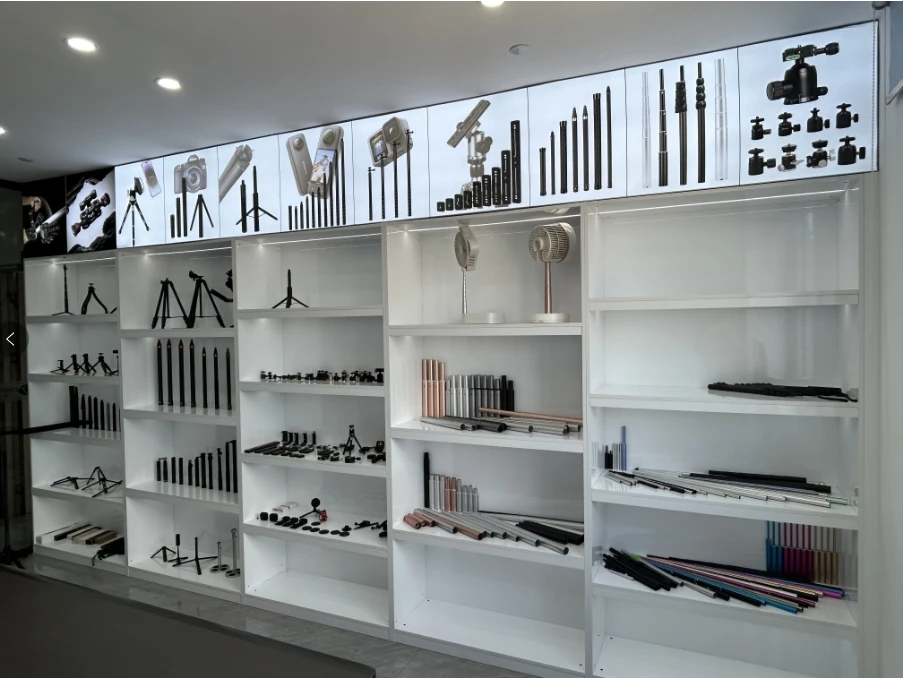
Zhongshan Daryoo Technology Co., Ltd
- Manufacturer
- Guangdong, China
- Lead time0 days
- Avg. response≤ 1h
Main productsTripod,Selfie stick,Live support,GoPro accessories,Telescopic rod
Main marketsEastern Europe(40.00%), North America(30.00%), South America(20.00%), Africa(5.00%), Southeast Asia(5.00%)
Shenzhen Hongtu Zhanfei Technology Co., Ltd.
- Manufacturer, Trading Company
- Guangdong, China
- Lead time0 days
- Avg. response≤ 3h
Main productsStabilizer,Microphone,Camera Accessories,Digital Storage Box,Camera Tripod.
Main marketsWestern Europe(15.00%), Northern Europe(13.00%), Oceania(10.00%), Domestic Market(10.00%), South Asia(10.00%), Central America(10.00%), Mid East(9.00%), South America(8.00%), North America(5.00%), Eastern Asia(2.00%), Africa(2.00%), Southeast Asia(2.00%), Southern Europe(2.00%), Eastern Europe(2.00%)

NINGBO EIMAGE STUDIO EQUIPMENT CO., LTD.
- Combined
- China Zhejiang
- Lead time23 days
- Avg. response≤ 19h
Main productstripod
Main marketsSouth America,Africa,Southeast Asia/ Mideast,East Asia(Japan/ South Korea),Domestic,Europe,Australia,North America

E-Image Universal Quick Release Adapter System with Plate for Camera Mounting (APM-05)
$7.00 - $11.00
MOQ: 10 Pieces

E-Image New Camera Tripod Quick Release Plate Universal 501pl Manfrotto (GP1)
$12.00 - $16.00
MOQ: 1 Pieces


Zhongshan Yuanyu Precision Metal Products Co., Ltd.
- Manufacturer
- Lead time旺季: "1 - 1000":15,"1001 - 3000":25,"> 3000":"To be negotiated", 淡季: "1 - 1000":15,"1001 - 3000":25,"> 3000":"To be negotiated"
- Avg. response≤ 2h
Main productsCar Accessories,Camera Accessories,Mobile Phone Accessories,Studio Accessories
Fotopro (Guangdong) Image Industrial Co., Ltd.
- Verified by SGS Group
- Manufacturer, Trading Company
- Guangdong, China
- Lead time30 days
- Avg. response≤ 3h
Main productsTripod, Selfie Stick, Light Tripod
Main marketsNorthern Europe(42%), Domestic Market(23%), North America(10%)
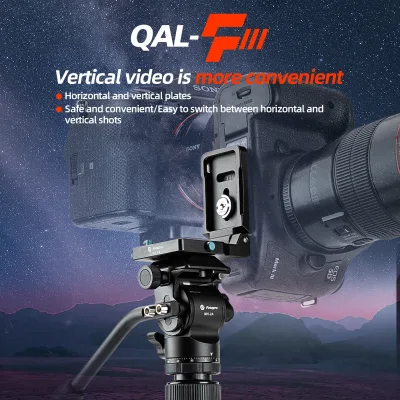
$14.78 - $15.29
MOQ: 100 pieces

Jinan Hope Wish Photoelectronic Technology Co., Ltd.
- Verified by BV
- Trading Company,Manufacturer/Factory
- China Shandong
- Lead time30 days
- Avg. response≤ 10h
Main productsThermal Camera, Long Range Night Vision Camera, Laser Camera, IR Camera, Handheld Thermal Camera, Surveillance Camera, Monocular Night Vision Camera, Binocular Night Vision Camera, Visible Light Camera
Main marketsSouth America,Eastern Europe,Mid East,North America,Southeast Asia,Eastern Asia,Oceania,Western Europe,Africa


MOQ: 1 Pieces

Portable Handheld Multi-Functional Thermal Camera
MOQ: 1 Pieces

Shenzhen Esaker Technology Co., Ltd.
- Verified by SGS
- Manufacturer/Factory
- China Guangdong
- Lead time15 days
- Avg. response≤ 8h
Main productsGame Console, Gaming Accessories, Phone Case, Charger, Entertainment Electronics, Game Controller, Game Box, Earphone
Main marketsSouth America,Eastern Europe,Mid East,North America,Southeast Asia,Eastern Asia,Oceania,Western Europe,Africa

Shenzhen Ruilong Electronic Information Technology Co., Ltd
- Verified by BV
- Trading Company
- China Guangdong
- Lead time15 days
- Avg. response≤ 3h
Main productsZoom Camera
Main marketsSoutheast Asia/ Mideast,Europe


3G-SDI Camera Interface Board for Camera Module with Sony Visca-Command
$150.00 - $180.00
MOQ: 1 Pieces

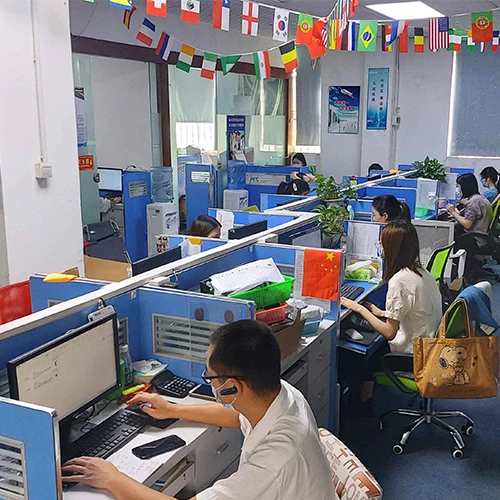
Shenzhen Feichao Technology Co., Ltd.
- Manufacturer, Trading Company, Buying Office
- Guangdong, China
- Lead time15 days
- Avg. response≤ 8h
Main productsAction Camera Accessories,Dslr Camera Accessories,Metal Producrts customized,Phone Camera Accessories,Camera Drone
Main marketsWestern Europe(11.11%), Eastern Asia(11.11%), Mid East(11.11%), Oceania(11.11%), Africa(11.11%), Southeast Asia(11.11%), Eastern Europe(11.11%), South America(11.11%), North America(11.11%)
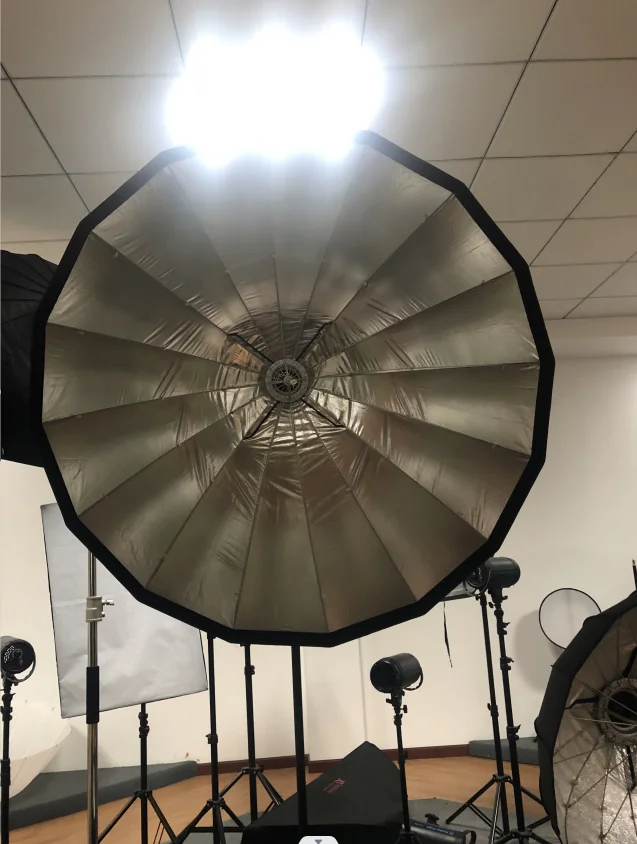
- Manufacturer, Trading Company
- Shandong, China
- Lead time3 days
- Avg. response≤ 5h
Main productsBackdrops,Video Lights,Softboxes,Light Stands,Backdrop Support System
Main marketsCentral America(15.00%), South America(15.00%), North America(15.00%), Western Europe(10.00%), Northern Europe(10.00%), Africa(10.00%), Eastern Europe(10.00%), Southern Europe(5.00%), Eastern Asia(5.00%), Southeast Asia(5.00%)

Hangzhou Huanyu Vision Technology Co., Ltd.
- Combined
- China Zhejiang
- Lead time30 days
- Avg. response≤ 5h
Main productsCCTV, Zoom Camera Module, CCTV Camera, PTZ Camera, Block Camera
Main marketsSoutheast Asia/ Mideast,Europe,North America
Guangzhou Miao Figure Digital Technology Co, Ltd
- Verified by TUVRHEINLAND
- Manufacturer/Factory
- China Guangdong
- Lead time68 days
- Avg. response≤ 2h
Main productsPhotography Lights, Photography Background, Photography Props, Camera Stand, Photography Stand, Background Stand, Camera Accessories, Action Camera Accessories, Photography Softbox, Photography Light Stand
Main marketsEastern Europe,Mid East,North America,Western Europe,Africa
- Verified by TüVRheinland
- Trading Company
- Lead time15 days
- Avg. response≤ 6h
Main productsPhotographic Flash, Continuous Light, LED Panel Light, Light Stand, Photography Accessories
Main marketsNorth America(15%), South America(15%), Southeast Asia(10%)
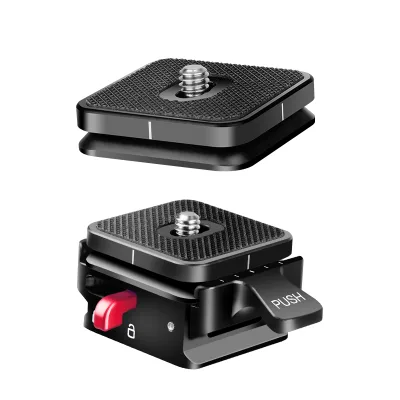
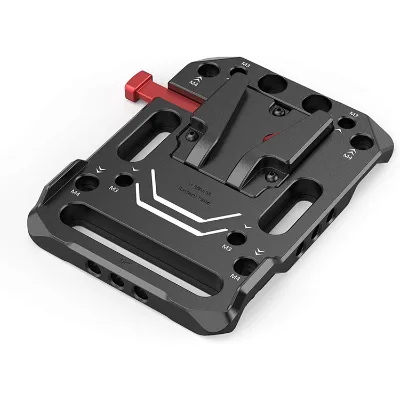
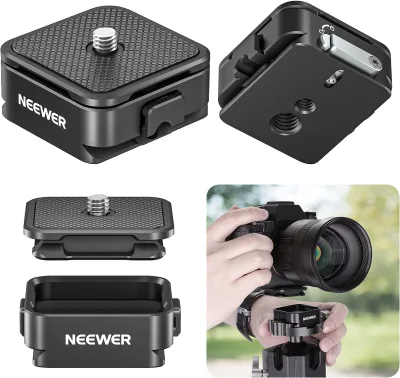
Small Rig V Mount Battery Plate, V-Lock Mount Battery Plate Quick Release Plate - 2988
$19.49 - $23.59
MOQ: 1 Minimum
Shenzhen Tianditong Electronics Co., Ltd
- Verified by BV
- Combined
- China Guangdong
- Lead time30 days
- Avg. response≤ 5h
Main productsPCBA, PCB, PCB Assembly, Components Sourcing, PCB Layout, SMT, Printed Circuit Board, PCBA Manufacturing, PCB Manufacturing, PCBA Assembly
Main marketsDomestic,Europe
Ningbo E-Reise Photographic Equipment Co., Ltd.
- Manufacturer
- Zhejiang, China
- Lead time0 days
- Avg. response≤ 12h
Main productsPhotographic Equipment,comsumer electronics
Main marketsDomestic Market(30.00%), Western Europe(30.00%), South America(20.00%), Southeast Asia(10.00%), North America(10.00%)

Shenzhen Shixin Digital Co., Ltd.
- Manufacturer
- China Guangdong
- Lead time15 days
- Avg. response≤ 9h
Main productsUSB Camera, IP Camera, CCTV, 4K Camera, Security Camera, Camera Module, Mini Camera, Webcam, HD Camera, CCTV Camera
Main marketsSoutheast Asia/ Mideast,Domestic,Europe,North America


USB2.0 1080P Board Camera Module USB Camera for Windows, Linux, Android and Mac System
$20.00 - $25.00
MOQ: 100 Pieces

0.3MP USB2.0 Mini Digital Board Camera for Self-Service Terminals (SX-630H)
$16.56 - $20.00
MOQ: 1 Pieces


Guangzhou Hengming Electronics Co., Ltd.
- Manufacturer, Trading Company, Buying Office
- Guangdong, China
- Lead time2 days
- Avg. response≤ 4h
Main productsCamera Flash Lights,Photographic Lighting,Flash Diffusers,Camera Video Bags,Tripods
Main marketsNorth America(20.00%), South America(15.00%), Domestic Market(10.00%), Western Europe(10.00%), Southeast Asia(10.00%), Eastern Europe(10.00%), South Asia(5.00%), Eastern Asia(5.00%), Southern Europe(5.00%), Northern Europe(4.00%), Oceania(2.00%), Africa(2.00%), Mid East(2.00%)

Shenzhen Jingxin Electronic Technology Co., Ltd.
- Verified by BV
- Combined
- China Guangdong
- Lead time30 days
- Avg. response≤ 5h
Main productsPCBA, PCB, Print Circuit Board, Flexible Circuit Board, Rigid PCB Assembly, PCB Assembly, Circuit Board, FPC, HDI PCB
Main marketsEurope,Australia,North America

Hangzhou Savgood Technology Co., Ltd.
- Trading Company,Manufacturer/Factory
- China Zhejiang
- Lead time15 days
- Avg. response≤ 8h
Main productsZoom Camera Module, Thermal Camera Module, Drone Camera, Block Camera, IP Camera Module, PTZ Camera, PTZ Camera Module, Bi-Spectrum Camera, Vehicle PTZ Camera, Thermal Camera
Main marketsSouth America,Eastern Europe,Mid East,North America,Southeast Asia,Eastern Asia,Oceania,Western Europe,Africa

Ttl232 Compatible Savgood and Sony Fcb Digital Camera USB3.0 Tail Board (convert LVDS to USB3.0)
$210.00 - $230.00
MOQ: 1 Pieces

4K High Resolution Fcb-Cr8530 20X 4.4-88.4mm 1/2.5" Encoding Board Available Zoom Camera Module
$625.00 - $650.00
MOQ: 1 Pieces
Shenzhen Mingruisheng Technology Co., Ltd.
- Trading Company
- Guangdong, China
- Lead time0 days
- Avg. response≤ 24h
Main productsElectronic module
Main marketsWestern Europe(30.00%), Eastern Asia(30.00%), North America(30.00%)

Anhui Tsinglink Information Technology Co., Ltd.
- Verified by TUVRHEINLAND
- Combined
- China Anhui
- Lead time23 days
- Avg. response≤ 2h
Main products4G Video Terminal, 4G Camera, 4G Walkie Talkie, 4G Wireless Camera, 4G Body-Worn Camera, 4G Mobile DVR/NVR
Main marketsSoutheast Asia/ Mideast,Domestic,North America

High-Speed Motherboard 19-Inch HD Touch Screen 4G Bodyworn Camera Docking Station
$1680.00 - $1850.00
MOQ: 1 Pieces

19-Inch HD Touch Screen High-Speed Motherboard 4G Body Cam Docking Station
$1680.00 - $1850.00
MOQ: 1 Pieces

Fast Battery Charging Industrial Grade Motherboard 8 Port 4G Body Camera Docking Station
$1280.00 - $1450.00
MOQ: 1 Pieces

Industrial Grade Motherboard Fast Charging 8 Port 4G Body Camera Docking Station
$1280.00 - $1450.00
MOQ: 1 Pieces

High-Speed Motherboard 15.6-Inch Capacitive Touch Screen 4G Body Cam Docking Station
$1280.00 - $1450.00
MOQ: 1 Pieces

Vertical Fast Industrial Grade Motherboard 20 Port Charging 4G Body Camera Docking Station
$1680.00 - $1850.00
MOQ: 1 Pieces

Dongguan Hampo Electronic Technology Co., Ltd.
- Combined
- China Guangdong
- Lead time30 days
- Avg. response≤ 21h
Main productsUSP Camera
Main marketsSoutheast Asia/ Mideast,East Asia(Japan/ South Korea),Domestic,Europe,North America

- Verified by SGS
- Trading Company
- China Zhejiang
- Lead time15 days
- Avg. response≤ 14h
Main marketsOthers(foreignTradeCapacity.exportBusinessCapacityMarketOther),North America

Hot Selling HD Digital Camera Entry Level Compact Mirrorless Style Card Type
$22.71 - $25.38
MOQ: 50 Pieces

a Top-Selling, Intelligent, Easy-to-Use, Portable, Sleek and Versatile Camera
$14.21 - $15.88
MOQ: 65 Pieces

a Best-Selling, Smart, User-Friendly, Compact, Minimalist and Multi-Functional Camera
$8.14 - $9.09
MOQ: 110 Pieces
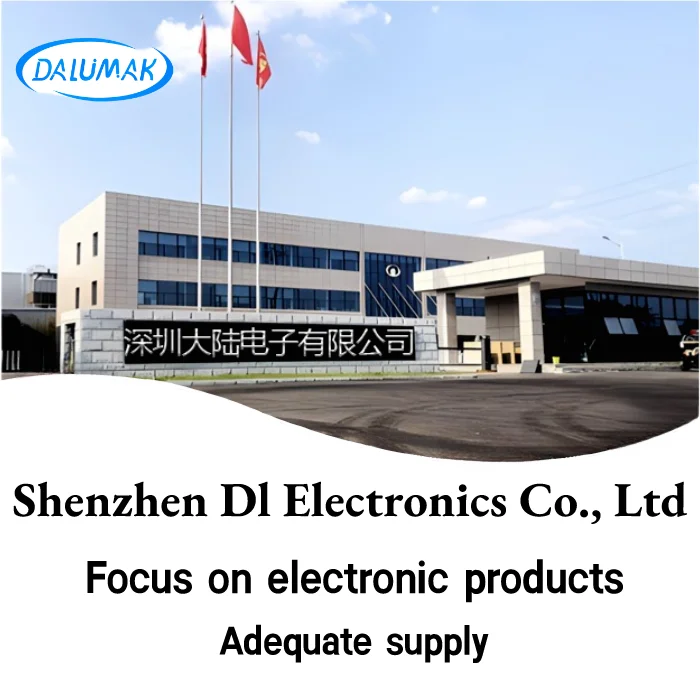
Shenzhen Dalu Electronics Co., Ltd.
- Manufacturer
- Guangdong, China
- Lead time0 days
- Avg. response≤ 8h
Main productsRaspberry Pi,Development board,Electronics module and kits,Display screen,PCB/Experimental Board
Main marketsSouthern Europe(22.00%), Western Europe(22.00%), Oceania(22.00%), Eastern Europe(14.00%), Domestic Market(2.00%), South Asia(2.00%), Southeast Asia(2.00%), Northern Europe(2.00%), Central America(2.00%), South America(2.00%), Eastern Asia(2.00%), Mid East(2.00%), North America(2.00%), Africa(2.00%)
Shaoxing Fantai Digital Photographic Equipment Co., Ltd.
- Verified by SGS Group
- Manufacturer, Trading Company
- Lead time20 days
- Avg. response≤ 6h
Main productsTripod, Studio Light, Cleaning Kit, Continous COB Light, Ring Light
Main marketsNorth America(40%), Western Europe(31%), Southeast Asia(19%)
ZHONGSHAN GOODTO INDUSTRIAL CO., LTD
- Manufacturer
- Guangdong, China
- Lead time0 days
- Avg. response≤ 2h
Main productsvideo and camera tripod,stablizer,professional head,mobile photography,lightweight tripod
Main marketsDomestic Market(20.00%), Southeast Asia(15.00%), Africa(10.00%), South Asia(10.00%), Mid East(10.00%), North America(5.00%), South America(5.00%), Northern Europe(5.00%), Central America(5.00%), Western Europe(5.00%), Eastern Asia(5.00%), Eastern Europe(5.00%)

- Verified by SGS
- Manufacturer/Factory
- China Guangdong
- Lead time15 days
- Avg. response≤ 6h
Main productsSewer Camera, Drain Camera, Pipe Inspection Camera, 512Hz Sonde Transmitter, Self-Leveling Camera, Articulating Borescope, Cavity Wall Camera, Rigid Borescope Inspection Camera, Videoscope, Endoscopes
Main marketsSouth America,Eastern Europe,Mid East,North America,Southeast Asia,Eastern Asia,Oceania,Western Europe,Africa
Shenzhen Baizhou Weiye Electronic Technology Co., Ltd.
- Trading Company, Buying Office, Agent
- Guangdong, China
- Lead time15 days
- Avg. response≤ 1h
Main productsic,Electronic components,connector,pcb
Main marketsOceania(20.00%), Africa(20.00%), Southeast Asia(20.00%), South America(20.00%), North America(20.00%)
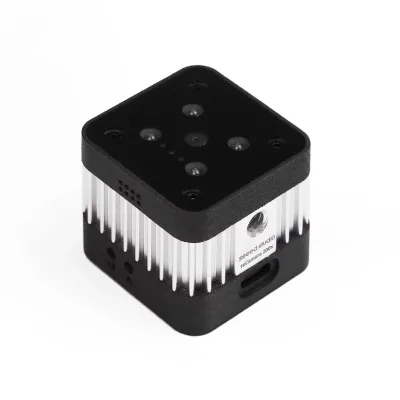
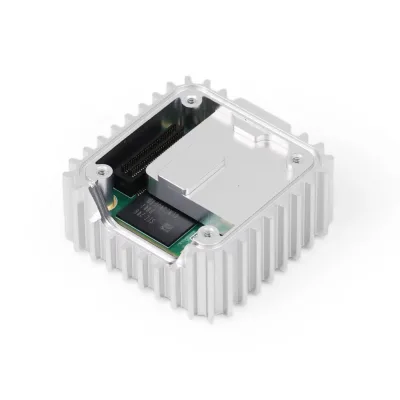
102991898 ReCamera 2002 Core Board 64GB with Aluminium Frame Core Board Modules
$72.62 - $76.44
MOQ: 1 pieces
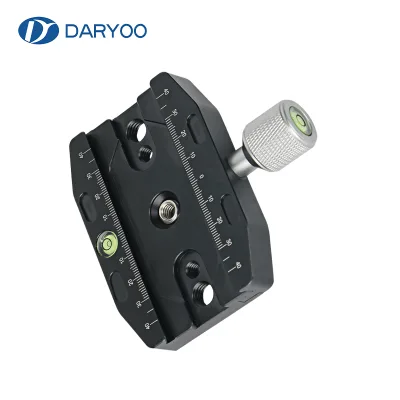
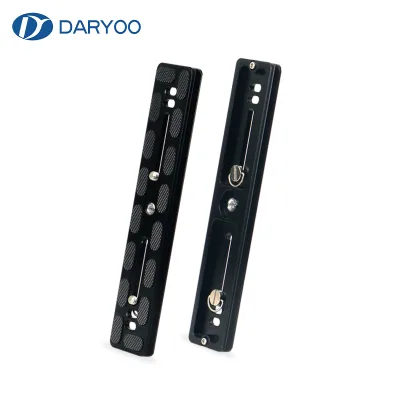
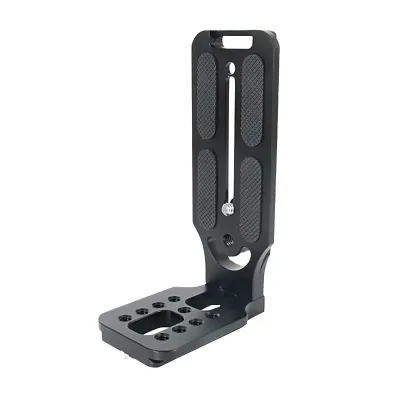
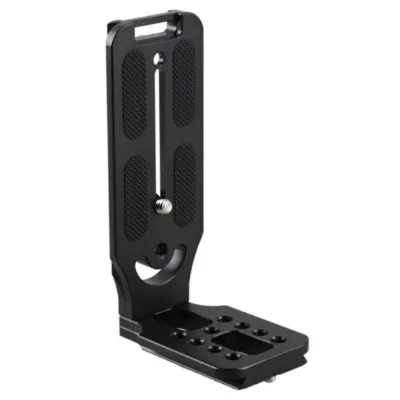
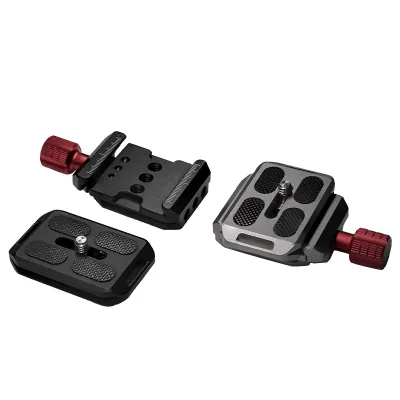
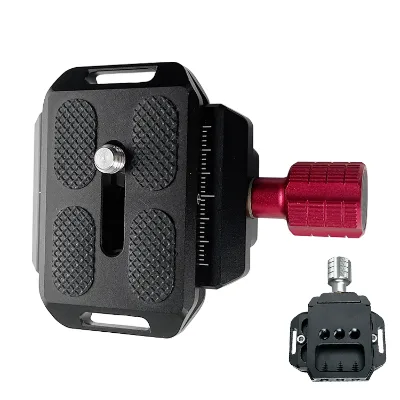


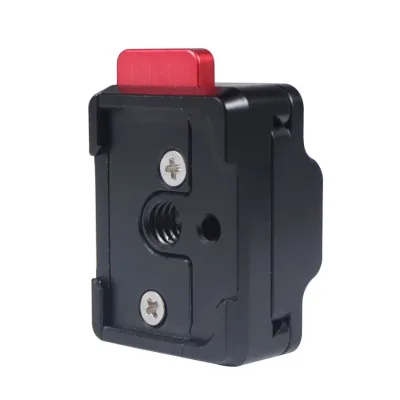
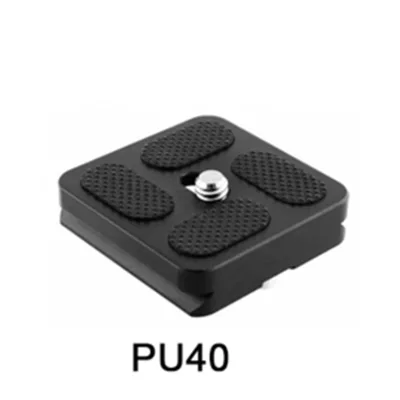
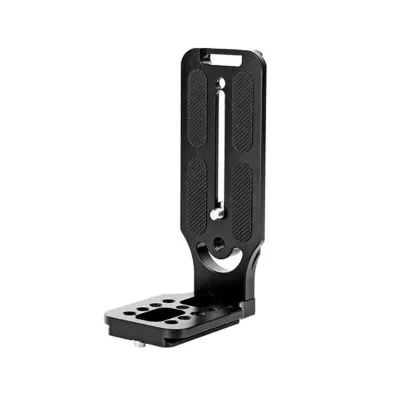


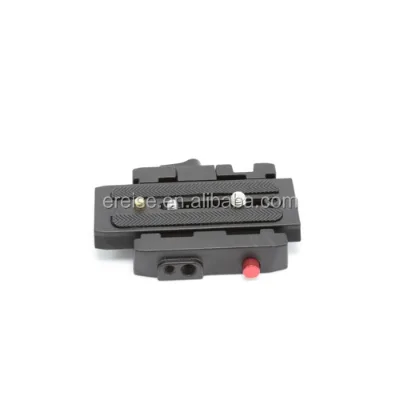






Comprehensive Sourcing Guide
Portable Camera Quick Release Board Supplier Concentration and Factory Types
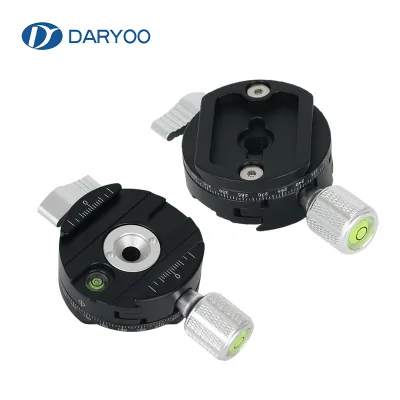
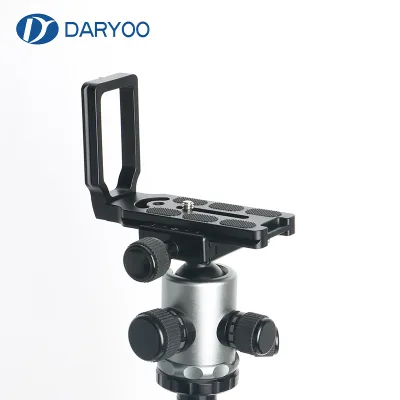
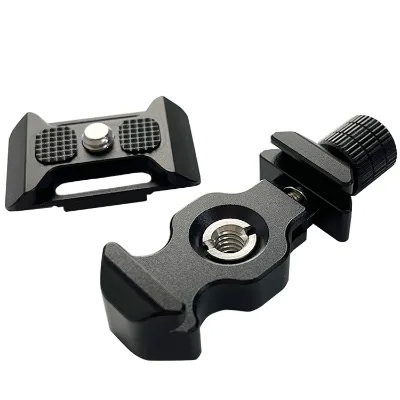
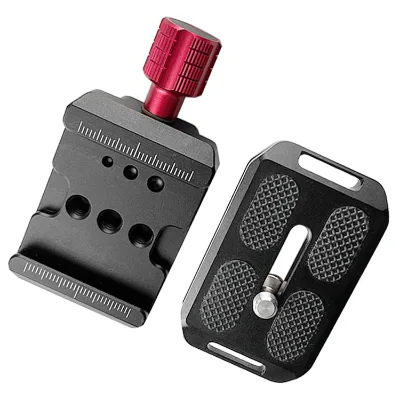
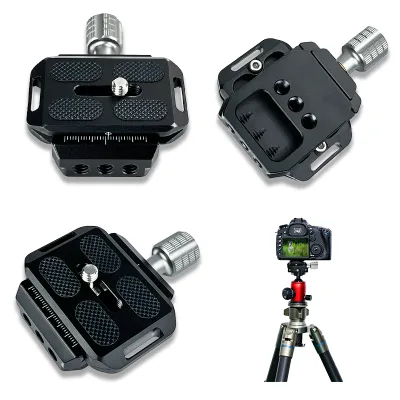
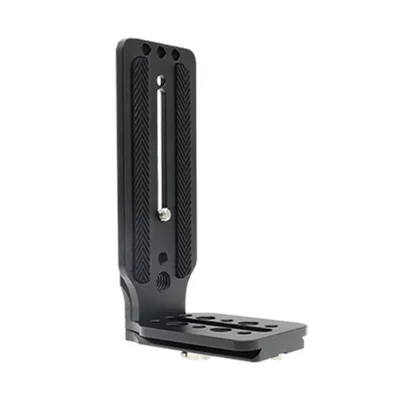
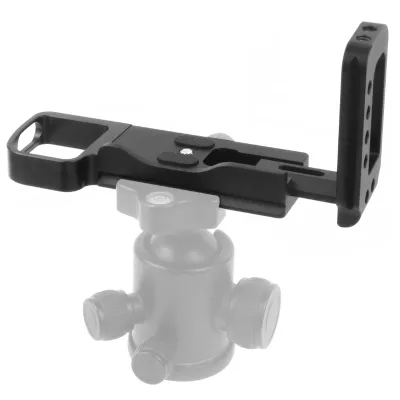
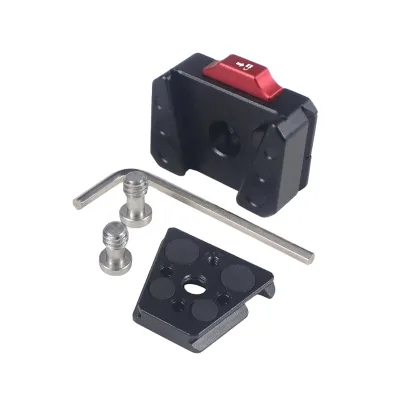
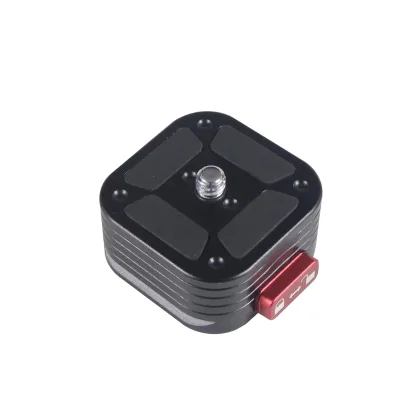
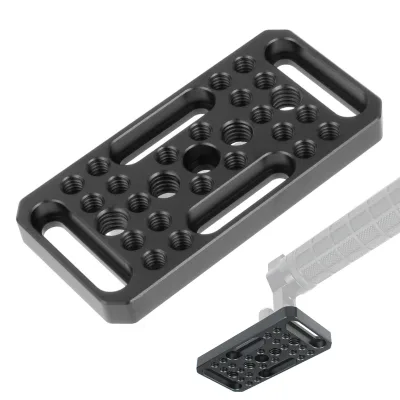
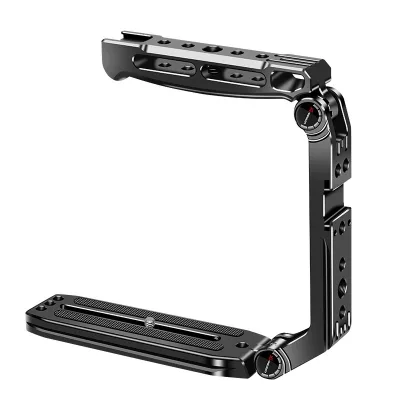
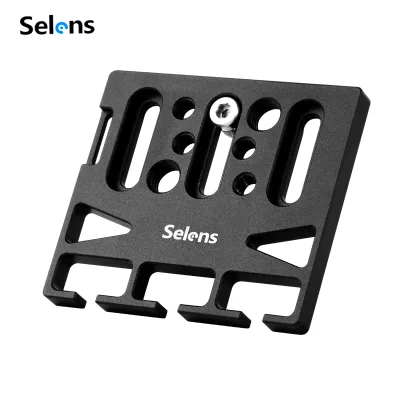
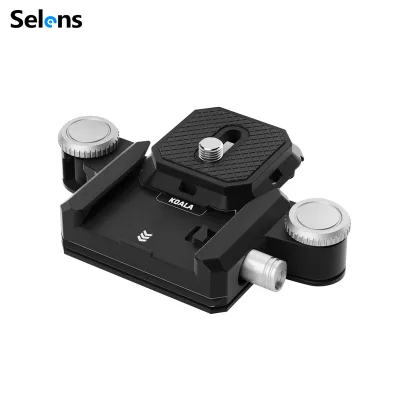
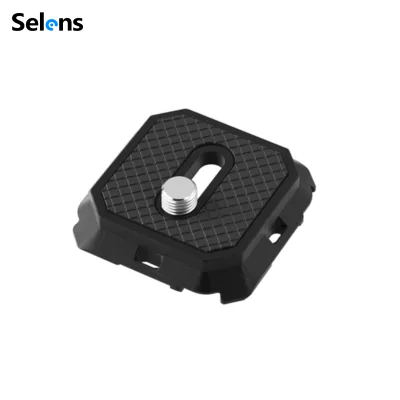
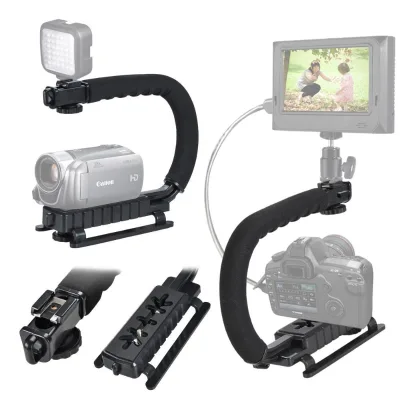
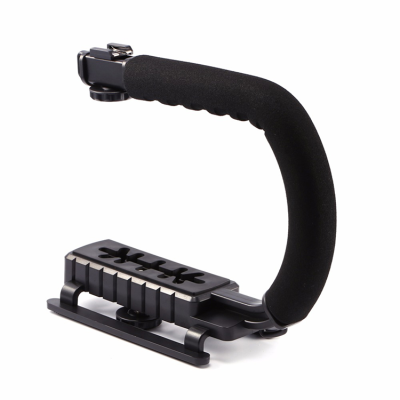
Suppliers of the Portable Camera Quick Release Board cluster heavily in Guangdong, China, according to the location data shown across these results, and this concentration reflects the province's broader photography-accessory supply base. Listings tied to Guangdong cover a mix of quick release clips, L-shaped boards, panoramic rotation bases, and stabilizer mounting plates, which suggests that a single industrial region can cover most variations of this product family. When you begin your search, note that location is one of the few attributes displayed on supplier cards, so you can filter early on Guangdong-based manufacturers before deeper vetting. Because cluster data can change between searches, confirm that each shortlisted supplier's stated origin matches what its product attributes declare, since several listings explicitly state Guangdong, China as the place of origin at the product level.
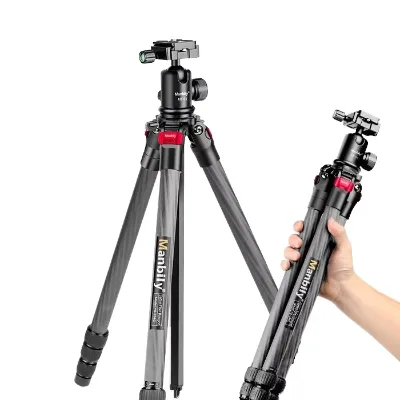
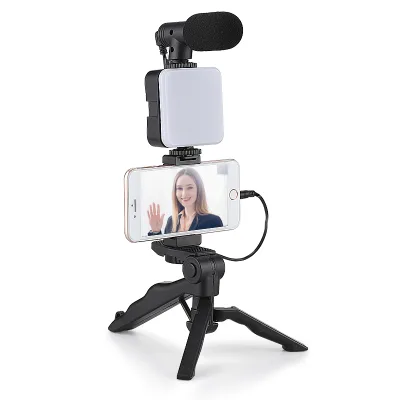
Factory types in this category split into two labels: pure manufacturers and combined manufacturer-trading companies. One visible supplier profile lists main products including tripods, selfie sticks, live support gear, GoPro accessories, and telescopic rods, marking it as a manufacturer, while another profile combining stabilizers, microphones, camera accessories, digital storage boxes, and tripods carries the manufacturer-trading label. The manufacturer-trading combination is common in accessory categories and is not inherently negative, but it changes who controls tooling and quality. Ask directly whether the company molds its own quick release plates or sources them, because a listing advertising a private mold indicates in-house tooling capability worth verifying during sampling.
How to Verify Portable Camera Quick Release Board Suppliers
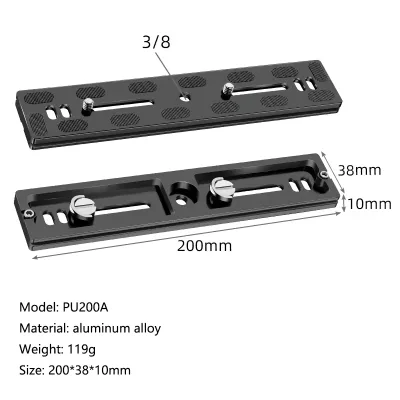
Verification starts with reconciling the profile against the product listings. If a supplier claims manufacturer status, check whether product attributes support that claim: one listing states "private mold: Yes" for an aluminum alloy quick release clip, which implies real tooling, while another economical L-plate listing states "private mold: No," suggesting standard or outsourced production. Cross-check the place of origin declared on the product against the supplier's registered location; several Guangdong listings make this easy because both fields agree. Response time is a displayed attribute worth recording, with one supplier showing a response time of one unit and another showing three, but treat these as starting signals only and test them yourself with a technical question about screw thread options, such as the 1/4" and 3/8" availability noted on some boards.
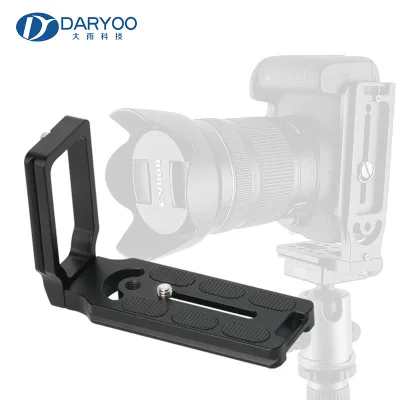
Beyond profile checks, demand evidence tied to the specific model numbers you intend to buy. Listings reference models such as QR-90N, PU200, QJ-07, and L-105, so request samples against those exact references and confirm the delivered item matches the stated material, aluminum alloy, and the declared weight, which listings put between roughly 87 and 146 grams depending on design. Ask whether OEM and ODM work is accepted, since several listings state this explicitly, and ask for photos of the actual mold if custom branding matters. Finally, request a written declaration of the compatible brands or systems, because one L-bracket listing names Canon, Nikon, and Sony compatibility, and you should verify that claim against your own camera bodies before committing.
What to Compare Across Portable Camera Quick Release Board Suppliers
Build a comparison table using attributes that actually appear on supplier pages rather than assumptions. Useful dimensions include company type (manufacturer versus manufacturer-trading), location, response time, and the product range listed under main products, since a supplier whose catalog centers on tripods and mounts will likely understand quick release geometry better than a generalist. On the product side, compare minimum order quantities directly: visible listings show MOQs of 3 pieces for quick release clips and L-boards, and 10 pieces for one L-shaped vertical shooting board, a meaningful spread for buyers testing multiple designs. Price ranges also differ by model, with some clips listed in the low single digits per unit and panoramic boards listed higher, so normalize comparisons by model type before judging value.
Do not assume every supplier displays every attribute; several listings lack lead time data, and lead time shown as zero on one profile should be treated as missing information rather than instant delivery. Compare what is verifiable: declared material, net weight, package dimensions, screw interface, and whether custom logo service is accepted, which one clip listing confirms. Establishment year and escrow arrangements are typical comparison points in this category, but if a value is not displayed in the results you review, ask the supplier to state it in writing rather than filling the gap yourself. Weight the comparison toward suppliers whose listed main products overlap with mounts and stabilizers, and record response speed differences between the one-unit and three-unit suppliers as a proxy for communication discipline during negotiation.
Common Portable Camera Quick Release Board Sourcing Risks
The most common risk in this category is specification drift between listing and shipment. Listings state precise attributes, such as a 115.5-gram net weight for one clip, a 102.5-gram weight for a panoramic board, and a 135×75×50 millimeter size for an L-bracket, yet buyers frequently receive units that differ in finish, weight, or thread machining. Mitigate this by treating the listing attributes as your acceptance criteria and by photographing and weighing incoming samples against them. A second risk is compatibility overstatement: one listing claims suitability for most camera tripod ball heads and another names specific camera brands, but universal compatibility claims deserve physical testing on your own heads and bodies before bulk orders.
Trading-company opacity is a third risk, since a manufacturer-trading label means the seller may not control the mold or the machining tolerance. Ask who owns the tooling, particularly for items advertising a private mold. A fourth risk is minimum-order and pricing ambiguity: MOQs of 3 to 10 pieces appear in the listings, but some listings repeat the same model with slightly different prices, indicating variable quotes that may depend on quantity, finish, or packaging. Confirm in writing which price tier applies at your volume. Finally, avoid over-reliance on displayed lead times, since one profile shows a lead time recorded as zero, which almost certainly reflects missing data rather than same-day shipment. Require an explicit production-and-delivery schedule in the proforma invoice before paying any deposit.
Portable Camera Quick Release Board Regional Sourcing and Logistics
Guangdong is the only region named in the current results, and it appears consistently both as supplier location and as product-level place of origin, which simplifies logistics planning because your shortlist will likely share shipping corridors. Concentrating on one province allows consolidated freight: if you source a QR-90N-style clip, a QJ-07-style panoramic base, and an L130-50-style vertical shooting board from different Guangdong suppliers, you can often combine them into one shipment rather than paying separate minimum freight charges. Ask each supplier for the single gross weight and package dimensions, which listings do provide for some items, such as a 0.140-kilogram gross weight and a 12×11×3.5-centimeter package for one panoramic board, and use those figures to compute carton utilization.
Because regional data can shift between searches, verify the origin independently rather than assuming Guangdong persists. If your results show suppliers from other provinces, request their nearest port and typical export routings before comparing landed costs. For aluminum alloy goods, dimensional accuracy and anodizing quality matter more than weight savings, so plan inspection at origin, either personally or through a third party, especially for machined screw seats where the 1/4" and 3/8" threads must seat cleanly. When consolidating, confirm that each supplier can label cartons per your instructions and hold goods briefly for combined pickup, since small MOQs of three to ten pieces make per-order freight proportionally expensive unless consolidated.
Portable Camera Quick Release Board Commercial Terms and Order Planning
Order planning in this category benefits from unusually low entry thresholds. Visible MOQs run from 3 pieces on quick release clips and L-boards to 10 pieces on one vertical shooting bracket, which means you can affordably sample multiple models, such as a QR-90N clip, a PU200 board, and an L-105 L-bracket, before committing. Use that flexibility deliberately: order small quantities of each shortlisted model, test thread fit and plate lock security, then concentrate volume on one or two designs. When negotiating, reference the listed price ranges as anchors but request tiered quotes, because repeated listings of the same model at slightly different prices suggest negotiable tiers tied to quantity or customization level such as the custom logo service one listing accepts.
On terms, put every displayed attribute into the contract: material specified as aluminum alloy, model number, weight tolerance, screw configuration, color, and packaging dimensions. Confirm the company type in the contract entity name, since a manufacturer-trading company may invoice from a different entity than the one you negotiated with. Response time differences observed between suppliers, one unit versus three, should inform how much buffer you build into your timeline; slower responders during quoting rarely accelerate during production. Where a lead time is not displayed or shows as zero, obtain a written production schedule and tie deposit release to its milestones. For escrow and payment protection, ask each supplier what arrangements it supports and verify independently, since none of the current listings states escrow terms you can take at face value.
(Word count: approximately 1,395)
FAQs
What is the typical minimum order quantity for a Portable Camera Quick Release Board?
Many suppliers on this page list a minimum order of 3 pieces, and some L-bracket models start at 10 pieces. Low MOQs make it easy to test quality before committing to larger volumes. Always confirm the MOQ for your specific model and any custom logo requirements before ordering.
What materials are these quick release boards made from?
The listed quick release boards and L-plates are made from aluminum alloy, with net weights ranging from about 87.5 grams to 146 grams depending on the model. Aluminum provides rigidity for camera and tripod use. Request the exact material spec and weight for the model you plan to source.
Where are these quick release board suppliers located?
The suppliers in these results are located in Guangdong, China, a major hub for camera and photography accessories manufacturing. Sourcing from this region gives access to many manufacturers of tripods, stabilizers, and quick release plates. Verify each supplier's address and export experience before placing an order.
How fast do these suppliers typically respond to buyer inquiries?
Response times among the listed suppliers range from about 1 hour to 3 hours, based on the data shown on their profiles. Fast responses help when comparing quotes or requesting samples. Response speed can vary by time zone and workload, so message several suppliers in parallel.
Can I order quick release boards with my own logo or custom design?
Yes, several listed products state that custom logos and OEM or ODM work are accepted, and some models note a private mold is available. Customization may affect price, minimum order quantity, and lead time. Confirm logo placement, tooling costs, and sample approval steps with the supplier first.
What is the price range for portable quick release boards from these suppliers?
Listed prices range roughly from 2.8 to 7.3 US dollars per piece depending on the model, with aluminum alloy L-plates at the lower end and panoramic rotation boards at the higher end. Pricing usually varies with order quantity and customization. Request a tiered quote for your target volumes.
Which cameras and tripod heads do these quick release boards fit?
The listed boards suit most camera tripod ball heads, DSLR cameras, and gimbals, and one L-plate lists compatibility with Canon, Nikon, and Sony cameras. Screw options include 1/4 inch and 3/8 inch threads. Check the specific model's interface against your tripod head or gimbal before ordering.