Vertical Automatic Outdoor Stove Suppliers and Manufacturers
Source 19 verified suppliers for Vertical Automatic Outdoor Stove units. Compare grounded dimensions including response times, lead times, certifications, and pricing. Review product specifications and request quotes to streamline your procurement process; review the available evidence before requesting comparable quotations from suitable candidates.
Suppliers List

Jinan Sinopts Energy Technology Inc.
- Verified by BV
- Trading Company
- China Shandong
- Lead time23 days
- Avg. response≤ 11h
Main productsThermostatic Gas Control Valve, Gas Burner Tray, Thermocouple, Spark Electrode, Pilot Burner, Gas Control Valve, Igniter, Magnet Valve, Gas Burner, Timer
Main marketsSouth America,Eastern Europe,Mid East,North America,Southeast Asia,Eastern Asia,Oceania,Western Europe,Africa

Suzhou Tuoshenghe Mechanical and Electrical Technology Co., Ltd.
- Verified by SGS
- Combined
- China Jiangsu
- Lead time15 days
- Avg. response≤ 3h
Main productsCamping Tent, Camping Stove, Alcohol Stove, Camping Table
Main marketsDomestic
Tongling Dingyan Import and Export Trading Co., Ltd.
- Trading Company
- China Anhui
- Lead time0 days
- Avg. response≤ 2h
Main productsOutdoor Fryer & Burners, Turkey Fryer, Seafood Pot Kit, Burners
Jinan Chaowan Furnace Technology Co., Ltd.
- Verified by CTI
- Manufacturer/Factory
- China Shandong
- Lead time0 days
- Avg. response≤ 4h

- Verified by BV
- Trading Company
- China Fujian
- Lead time23 days
- Avg. response≤ 4h
Main productsMouth Care and Soap, Field Kitchen Trailer, Camping Tents, Boots and Shoes, Camo Uniform and Clothes, Outdoor Backpacks and Bags, Camouflage Net and Ghillie Suit, Blankets and Sleeping Bags, Canteens and Mess Tins, Tactical Helmet
Main marketsSouth America,Africa,Southeast Asia/ Mideast,East Asia(Japan/ South Korea),Europe,Australia,North America

Qingdao Vold Machinery Manufacturer Co., Ltd.
- Combined
- China Shandong
- Lead time30 days
- Avg. response≤ 5h
Main productsPedal Go Kart, Kids Balance Bike, Kids Tricycle, Kids Mini Digger, Fire Ring, BBQ
Main marketsEurope,North America


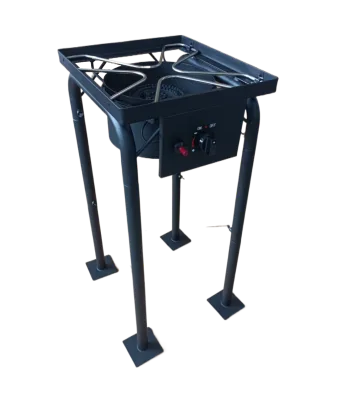
Cheap Stove with Oven with High Quality for Sale
Contact supplier

- Manufacturer, Trading Company
- Guangdong, China
- Lead time0 days
- Avg. response≤ 10h
Main productsBBQ Grill,Gas Stove,Oven,Camping Lantern,Heater
Main marketsNorth America(50.0%), Western Europe(15.0%), Southern Europe(5.0%), Oceania(5.0%), South America(5.0%), Mid East(3.0%), Northern Europe(3.0%), Domestic Market(2.0%), South Asia(2.0%), Africa(2.0%), Central America(2.0%), Southeast Asia(2.0%), Eastern Europe(2.0%), Eastern Asia(2.0%)
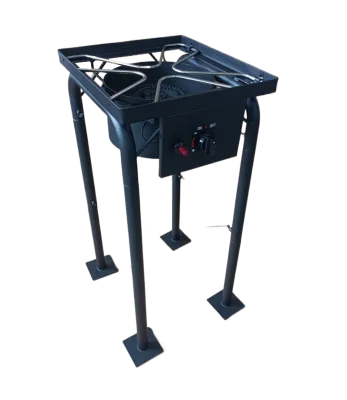
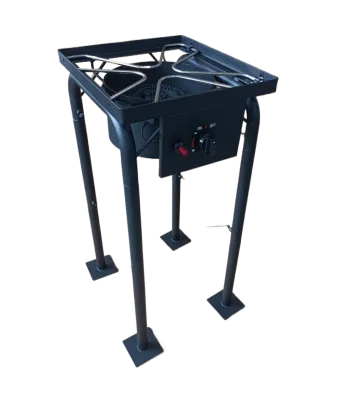
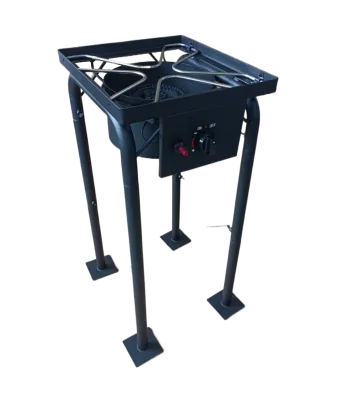
$50.00
Shanxi C-Trying Machinery Equipment Co., Ltd
- Verified by SGS
- Trading Company
- China Shanxi
- Lead time30 days
- Avg. response≤ 2h
Main productsGasoline Generator, Diesel Generator, DC Generator, Gas Generator, Permanent Magnet Generator, Submersible Mixer, Centrifugal Fan, Solar Generator, Solar Panel, Generator Parts
Main marketsAfrica


Portable Multi Outdoor Cookerpicnic Wood Fire Stove Wood Burning Smokeless Stove
$209.00 - $219.00
Moq: 1


- Verified by TUVRHEINLAND
- Trading Company
- China Zhejiang
- Lead time30 days
- Avg. response≤ 11h
Main productsSports and Outdoor
Main marketsSoutheast Asia/ Mideast,Europe

Sunbird Technology Development Co., Limited
- Manufacturer/Factory
- China Guangdong
- Lead time45 days
- Avg. response≤ 14h
Main productsBBQ Grill, Free Standing Oven, Coffee Maker, Rice Cookers, Induction Cookers, Gas Cookers, Electric Oven, Pizza Oven, Deep Fryer, Bread Maker
Main marketsSouth America,Eastern Europe,Mid East,North America,Southeast Asia,Eastern Asia,Oceania,Western Europe,Africa

Ningbo Thrive Imp & Exp Co., Ltd.
- Verified by BV
- Trading Company
- China Zhejiang
- Lead time30 days
- Avg. response≤ 5h
Main productsMilitary Tent, Camouflage Net, Folding Cot/Chair/Bed, Camping Product, Sleeping Bag, Protective Case, Auditorium Chair, Military Command Table, Backpack, Tool Box
Main marketsSouth America,Africa,Southeast Asia/ Mideast,Europe,North America

- Combined
- China Guangdong
- Lead time23 days
- Avg. response≤ 22h
Main productsMetal Stamping Parts, Stamping Parts, Metal Sheet Parts, CNC Parts, Metal Spare Parts, Turning Parts, CNC Machining Parts, Laser Cutting Metal Parts, Metal Brackets, Pressed Parts
Main marketsSoutheast Asia/ Mideast,East Asia(Japan/ South Korea),Europe,Australia,North America
Jilin Artel New Materials Co., Ltd.
- Verified by BV
- Trading Company
- China Jilin
- Lead time30 days
- Avg. response≤ 3h
Main productsFishing Sinker, Camping Stove, Firewood Stove, Fishnet Sinker, Wood Burning Stove, Outdoor Stove, Fishing, Lead Free Sinker
Main marketsEast Asia(Japan/ South Korea)
Shengzhou Huimei International Trade Co., Ltd.
- Verified by TUVRHEINLAND
- Combined
- China Zhejiang
- Lead time30 days
- Avg. response≤ 5h
Main productsWood Stove, Charcoal Stove, Pellet Stove
Main marketsAfrica,Southeast Asia/ Mideast,North America


Small Wood Burning Stove Cheap Wood Stoves for Sale Wood Stove Camping Outdoor
$31.50 - $42.00
Moq: 10

Qingdao G & G Machinery Co., Ltd.
- Verified by TUVRHEINLAND
- Trading Company,Manufacturer/Factory
- China Shandong
- Lead time45 days
- Avg. response≤ 8h
Main productsLog Splitter, CNC Lathe, Concrete Mixer, Wood Chuck, Woodworking Turning Tools, Cutting Machine, Drilling&Milling Machine, Surface Grinder, Metal Band Saw
Main marketsSouth America,Eastern Europe,Mid East,North America,Southeast Asia,Eastern Asia,Oceania,Western Europe,Africa

Changzhou Raven New Energy Technology Ltd
- Manufacturer/Factory
- China Jiangsu
- Lead time15 days
- Avg. response≤ 8h
Main productsSolar Cooker, Solar Water Heater, Solar Vacuum Tube, Solar Geyser, Solar Collector, Solar Panel, Solar Power System, Solar Oven, Solar Light, Solar Inverter
Main marketsSouth America,Eastern Europe,Mid East,North America,Southeast Asia,Eastern Asia,Oceania,Western Europe,Africa
Shaanxi Ruitai Kitchen Industry Co., Ltd.
- Verified by SGS Group
- Manufacturer, Trading Company
- Lead time7 days
- Avg. response≤ 2h
Main productsKitchen Equipment, Kitchenware, Wok Stove
Main marketsSoutheast Asia(40%), North America(30%), Africa(10%)
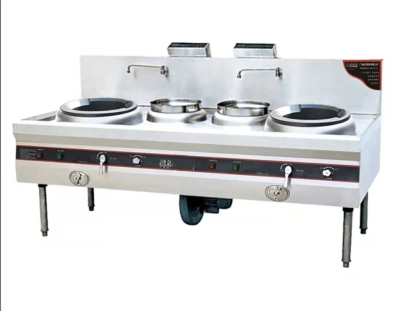
Multiple Burner Gas Stove with High Quality
$741.92 - $803.75
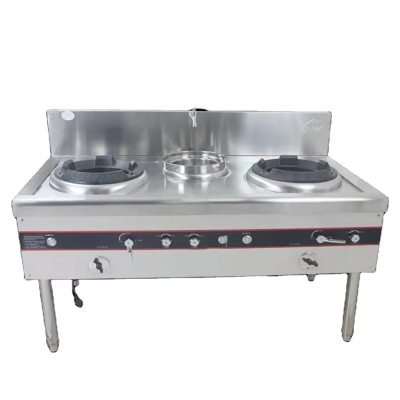
Cooking Stoves /Stainless Steel Kind Gas
$720.00 - $780.00
- Verified by SGS
- Manufacturer/Factory
- China Henan
- Lead time23 days
- Avg. response≤ 1h
Main productsBoiler, Steam Boiler, Gas Boiler, Biomass Boiler, Hot Water Boiler, Oil Boiler, Electric Boiler, Coal Boiler, Steam Generator, Incinerator
Main marketsSouth America,Eastern Europe,Mid East,Southeast Asia,Africa


Air and Water Heating Stove with High Thermal Efficiency and Flame Protection
$500.00 - $560.00
Moq: 1

Efficient Indoor Floor-Standing Stove with Overheating Protection and Manual Thermostat
$500.00 - $560.00
Moq: 1

Jiangmen SHT Metal Products Co., Ltd.
- Manufacturer
- China Guangdong
- Lead time30 days
- Avg. response≤ 3h
Main productsPizza Oven, BBQ Grill, Outdoor Kitchen, Gas Grill, Kitchen Cabinet, Barbecue Grill, Charcoal Grill, BBQ Gas Grill, Outdoor Grill, Gas Pizza Oven
Main marketsEurope,Australia,North America


Comprehensive Sourcing Guide
Vertical Automatic Outdoor Stove Supplier Concentration and Factory Types
Current data indicates a concentration of manufacturing activity in China, specifically within the Shandong and Jiangsu provinces. Suppliers in these regions list main products that include various gas control valves, burners, and complete stove assemblies, suggesting a localized supply chain for gas-powered outdoor cooking equipment. The Shandong cluster appears to feature trading companies alongside manufacturers offering ODM capabilities, while the Jiangsu region shows a mix of combined company types with OEM and own-brand capacities. This geographic distribution allows buyers to source from established industrial hubs known for metalworking and appliance assembly, though specific factory addresses remain unverified in this dataset.
When evaluating factory types, buyers should distinguish between pure trading companies and those with direct manufacturing roots. The observed data includes entities classified as trading companies, which may source from multiple factories, as well as combined entities capable of ODM, OEM, and private labeling. This distinction is critical for Vertical Automatic Outdoor Stove procurement, as trading companies might offer broader product ranges but less control over production timelines. Conversely, factories with ODM and OEM capacities often provide more flexibility for customization, such as altering ignition systems or fuel types, but may require higher minimum order quantities to justify production setup costs.
How to Verify Vertical Automatic Outdoor Stove Suppliers
Verification of supplier credentials is essential before committing to any order for vertical automatic outdoor stoves. The available data shows that some suppliers hold BV verification status, while others are verified by SGS, indicating third-party validation of their business operations. Additionally, system certifications such as ISO 9001 and ANSI/ESD are present in the records, which serve as indicators of quality management systems. Buyers must confirm that these certifications are current and applicable to the specific manufacturing processes used for outdoor stoves, rather than assuming they cover all product lines offered by the supplier.
Beyond basic verification, buyers should scrutinize response times and lead times as proxies for operational reliability. The observed response times vary significantly, with some suppliers responding in under three hours while others take nearly eleven hours, which can impact project planning. Lead times also differ, ranging from fifteen to twenty-three days, suggesting that production capacity and current order backlogs vary by facility. Buyers should request proof of these metrics through direct communication, asking for recent shipment records or client references to validate that the stated response and lead times are consistent with actual performance rather than theoretical estimates.
What to Compare Across Vertical Automatic Outdoor Stove Suppliers
Comparing suppliers requires a structured analysis of key operational dimensions including lead time, minimum order quantity, and pricing structures. The data reveals price ranges for portable camping stoves from five to thirty-five dollars, with minimum order quantities varying from ten to fifty units. These figures suggest that suppliers offering lower prices often have higher MOQs, while those with lower entry barriers may charge a premium per unit. Buyers must align these commercial terms with their inventory needs, ensuring that the cost per unit and the total capital outlay fit within their budget constraints without compromising on essential features like wind resistance or material quality.
Response speed and product customization capabilities are equally critical comparison points for Vertical Automatic Outdoor Stove sourcing. Suppliers with faster response times, such as those under three hours, may offer better support for urgent orders or rapid prototyping needs. Furthermore, the availability of customization options, including folding designs and specific ignition types, varies across the supplier base. Some listings indicate electric ignition and aluminum surfaces, while others focus on manual ignition and stainless steel construction. Buyers should map these product attributes against their specific market requirements to ensure the selected supplier can deliver the exact specifications needed for their target customer base.
Common Vertical Automatic Outdoor Stove Sourcing Risks
One significant risk in sourcing vertical automatic outdoor stoves involves the discrepancy between advertised certifications and actual product compliance. While some listings mention certifications like CCC, CE, and CSA, others only list ISO standards or lack specific product certifications entirely. This inconsistency can lead to regulatory hurdles in target markets, particularly if the stove is intended for sale in regions with strict safety requirements for gas appliances. Buyers must verify that the specific model they intend to purchase carries the necessary certifications for their destination country, rather than relying on general company-level certifications that may not apply to the specific stove model.
Another risk pertains to the reliability of lead times and the potential for production delays. The observed lead times range from fifteen to twenty-three days, but these figures do not account for potential bottlenecks in raw material supply or labor shortages. Suppliers with ODM capabilities may face longer setup times for custom orders, which could extend the total delivery window beyond the initial estimate. Additionally, the reliance on trading companies introduces a layer of separation between the buyer and the actual factory, potentially obscuring the true production status. Buyers should mitigate this by requesting regular production updates and including penalty clauses for delayed shipments in their contracts.
Vertical Automatic Outdoor Stove Regional Sourcing and Logistics
Sourcing from the identified regions of Shandong and Jiangsu offers logistical advantages due to their proximity to major shipping ports in eastern China. These provinces are established hubs for metal fabrication and appliance manufacturing, which facilitates the efficient movement of heavy components like stainless steel bodies and gas valves. The concentration of suppliers in these areas allows for consolidated shipping, potentially reducing freight costs for buyers ordering multiple units or mixed product lines. However, buyers must account for the specific origin details listed, such as "Shandong" or "Jiangsu, China," to ensure accurate customs documentation and to verify that the goods originate from the claimed manufacturing zones.
Logistics planning must also consider the packaging specifications provided in the supplier data, which vary from portable picnic boxes to standard cartons. Some products are described as foldable and compact, which optimizes container space and reduces shipping volume, while others may require larger packaging dimensions. Buyers should calculate the total cubic volume based on the specific product models selected to optimize container utilization and minimize freight charges. Additionally, the weight of the stoves, ranging from lightweight aluminum models to heavier stainless steel units, will impact shipping costs and handling requirements, necessitating careful selection of freight forwarders experienced in handling heavy or irregularly shaped cargo.
Vertical Automatic Outdoor Stove Commercial Terms and Order Planning
Commercial terms for vertical automatic outdoor stoves often include specific pricing tiers based on order volume, with minimum order quantities ranging from ten to fifty units. The price data indicates a spread from five dollars to over thirty-five dollars per unit, reflecting differences in material quality, feature sets, and brand positioning. Buyers should negotiate based on these tiers, understanding that higher volumes may unlock lower unit costs but require greater upfront capital. It is crucial to clarify whether the quoted prices include packaging, labeling, and any necessary certifications, as these factors can significantly affect the final landed cost of the product.
Order planning must also account for the customization availability and production capacity of the selected supplier. Many suppliers list customization as available, allowing for modifications to ignition types, fuel sources, and folding mechanisms. However, the capacity for ODM and OEM work varies, with some suppliers offering own-brand capabilities while others focus on trading. Buyers should establish a clear timeline that includes design approval, sample production, and mass manufacturing, ensuring that the lead time of fifteen to twenty-three days is sufficient for their market launch schedule. Early engagement with the supplier to confirm these timelines and capacity constraints is essential to avoid delays in product availability.
FAQs
What is the typical lead time for outdoor stove orders?
The typical lead time for these orders is 23 days for some suppliers and 15 days for others. Buyers should confirm the exact schedule with the supplier before placing an order to ensure timely delivery for their specific project requirements.
What certifications are available for these camping stoves?
Available certifications include ISO 9001, ANSI/ESD, CCC, CE, and CSA. These vary by supplier and product model. Buyers must verify which specific certifications apply to the exact model they intend to purchase to meet local regulatory standards.
What is the minimum order quantity for portable stoves?
The minimum order quantity varies significantly, ranging from 10 units to 50 units depending on the specific product model and supplier. Buyers should check the MOQ for each item to determine the best fit for their initial procurement volume.
Where are these outdoor stoves manufactured?
These stoves are manufactured in China, specifically in the Shandong and Jiangsu provinces. Buyers can filter suppliers by these locations to align with logistics preferences or to source from regions known for specific manufacturing capabilities in outdoor equipment.
What is the price range for portable camping stoves?
Prices range from $5.00 to $35.90 per unit depending on features and materials. Basic aluminum models start around $5.00, while stainless steel or multifunctional units can cost up to $35.90. Buyers should compare specifications to find the best value.
Do suppliers offer customization for these stoves?
Yes, customization is available for many models, including OEM and ODM services. Suppliers in Jiangsu offer OEM capabilities, while others provide custom logos or packaging. Buyers should inquire directly about specific customization options to ensure they meet their branding needs.