Vehicle Power Ultra-Low Temperature Freezer Suppliers and Manufacturers
Source 11 verified suppliers for Vehicle Power Ultra-Low Temperature Freezer units. Compare grounded dimensions including ISO certifications, CE standards, lead times, and pricing. Contact suppliers directly to request quotes and verify specifications; review the available evidence before requesting comparable quotations from suitable candidates.
Suppliers List

Faithful lnstrument (Hebei) Co., Ltd.
- Verified by BV
- Combined
- China Hebei
- Lead time15 days
- Avg. response≤ 6h
Main productsIncubator, Magnetic Stirrer, Drying Oven, Heating Mantle, Water Bath, Laminar Flow Cabinet, Stainless Steel Water Still, Disintegrator, Furnace, Vortex Mixer
Main marketsSouth America,Africa,Southeast Asia/ Mideast,Europe,Australia,North America

Zhengzhou Hepo International Trading Co., Ltd.
- Verified by TUVRHEINLAND
- Trading Company,Manufacturer/Factory,Group Corporation
- China Henan
- Lead time98 days
- Avg. response≤ 4h
Main productsMedical Refrigerator, Deep Freezer, Cooler Box, Auto Biochemistry Analyzer, Auto Hematology Analyzer, Ultrasound Scanner, Laminar Air Flow Cabinet, Incubator, Class II Biological Safety Cabinet, Digital X Ray Machine
Main marketsSouth America,Eastern Europe,Mid East,North America,Southeast Asia,Eastern Asia,Oceania,Western Europe,Africa

Zhejiang Heerxin Refrigeration Appliance Technology Co., Ltd.
- Combined
- China Zhejiang
- Lead time30 days
- Avg. response≤ 5h
Main productsDeep Freezer, Car Refrigerator, Medical Refrigerator, Tuna Freezer, Blood Bank Refrigerator, Low Temperature Freezer, Commercial Refrigerator, Household Refrigerator, Laboratory Freezer, Pharmacy Refrigerator
Main marketsDomestic


Medical Cold -86 Degree Temperature Refrigerator Cryogenic Ultra Low Freezer
$1800.00 - $2400.00
MOQ: 1 Pieces

-80c Medical Refrigerator Ultra Low Temperature Freezer for Hospital
$1000.00 - $1400.00
MOQ: 2 Pieces

Ult Freezer -105 Degree Ultra Low Temperature Freezer with CE Certificate for Vaccine Storage
$7413.00 - $9883.00
MOQ: 1 Pieces

-86 Degree Ultra Low Temperature Freezer Quick Freezing Refrigerators
$1600.00 - $1950.00
MOQ: 1 Pieces

Zhongshan Aruide Refrigeration Equipment Co., Ltd.
- Verified by BV
- Combined
- China Guangdong
- Lead time30 days
- Avg. response≤ 5h
Main productsBlast Freezer, Upright Chiller&Freezer, Cold Room, Counter Chiller &Freezer, Salad Cabinet
Main marketsDomestic

Qingdao Yunlei Electric Applicance Co., Ltd.
- Verified by TUVRHEINLAND
- Manufacturer/Factory
- China Shandong
- Lead time45 days
- Avg. response≤ 4h
Main productsShowcase, Freezer, Refrigerator, Ice Maker Microwave, Oven Air-Cooled Glass Cabinet, Kitchen Equipment, Kitchen Fridge, Air-Cooled Glass Cabinet, Cooling Workbench, Stainless Steel Stove
Main marketsSouth America,Eastern Europe,Mid East,North America,Southeast Asia,Eastern Asia,Oceania,Western Europe,Africa

- Manufacturer, Trading Company
- Henan Province, China
- Lead time0 days
- Avg. response≤ 2h
Main productsCO2 Solutions,Gas Separation Membrane Modules,Gas Purification Equipment,Gas Liquefaction Equipment,Cryogenic Equipment And Piping
Main marketsNorthern Europe(15.00%), Southeast Asia(15.00%), Africa(10.00%), Southern Europe(10.00%), Mid East(10.00%), Western Europe(7.00%), Eastern Europe(6.00%), South America(5.00%), North America(5.00%), Oceania(5.00%), South Asia(5.00%), Central America(4.00%), Eastern Asia(3.00%)
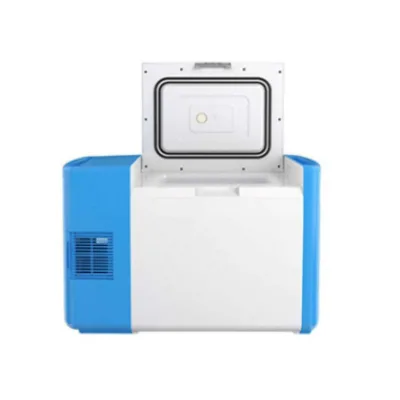
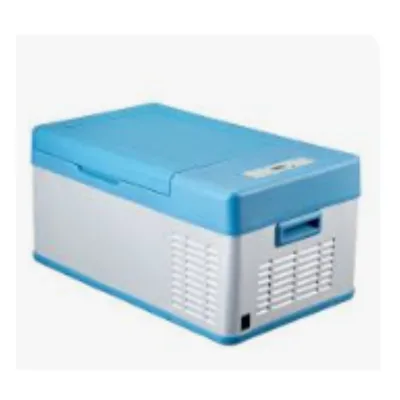
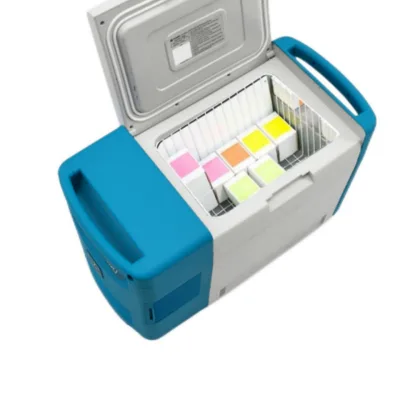
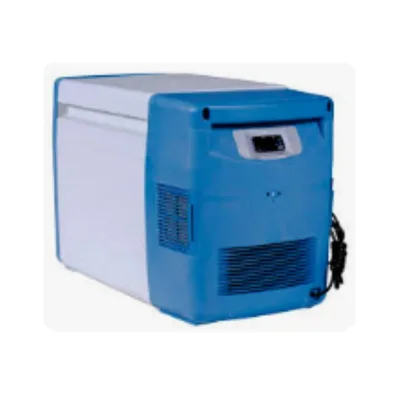
25L -86C/-112 F Lab Ultra Low Temperature Freezer Ac 100V to 240V 12V to 24V
$813.85 - $1117.77
MOQ: 2
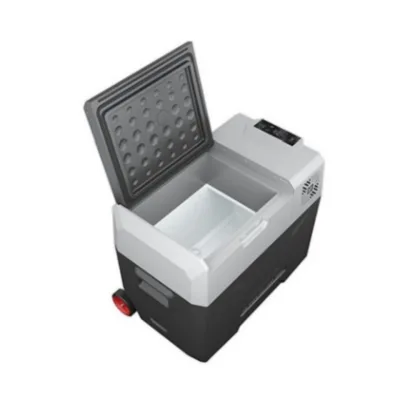
Low Price 12V Vaccine Fridge Freezer -30~10 Degree Mini Car Freezer 12V for Health Camps
$798.00 - $1096.00
MOQ: 2
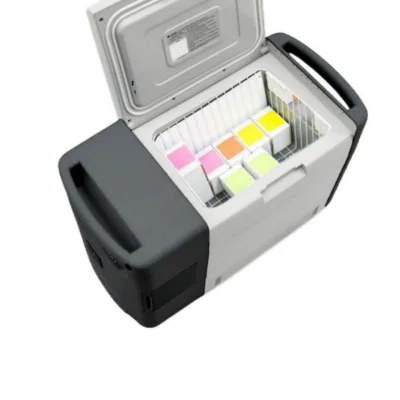
Low Cost Blood Bag Refrigerator -20~10 Degree Car Small Portable Freezer for Travel Storage
$798.00 - $1096.00
MOQ: 2

Sainty International Group Jiangsu Yangzhou Sumex Imp. & Exp. Co., Ltd.
- Trading Company
- China Jiangsu
- Lead time30 days
- Avg. response≤ 10h
Main productsSyringe, Suction Catheter, Endotracheal Tube, Drainage Bag, Bandage, Dental Instrument, Surgical Gown, Vaginal Speculum, Vacutainer, Suture
Main marketsSouth America,Africa,Southeast Asia/ Mideast,East Asia(Japan/ South Korea),Europe,Australia,North America

- Verified by BV
- Trading Company
- China Shandong
- Lead time15 days
- Avg. response≤ 11h
Main productsCompressor, Condenser, Evaporator, Auto AC Parts, Refrigeration Part, Sensor, Insulation Tube, Motors, Unit Cooler, Thermostat
Main marketsSouth America,Southeast Asia/ Mideast,East Asia(Japan/ South Korea),Domestic,Europe

Zhucheng Xindesheng Automation Technology Co., Ltd
- Verified by BV
- Combined
- China Shandong
- Lead time30 days
- Avg. response≤ 2h
Main productsSorting Machine, Weight Classifier, Vacuum Packaging Machine, Fruit Sorting Machine
Main marketsDomestic

- Manufacturer/Factory
- China Jiangsu
- Lead time23 days
- Avg. response≤ 8h
Main productsElectric Box Truck, Electric Pickup Truck, Electric Cart, Electric Minitruck, Electric Car, Lithium Battery Pack & Charger, Airconditioned Golf Cart, Electric Sightseeing Bus, EV Motor & Controller, EV Driving System
Main marketsSouth America,Eastern Europe,Mid East,North America,Southeast Asia,Eastern Asia,Oceania,Western Europe,Africa


Lgev102LC 2 Seats Electric Mini Freezer Truck Payload 600kgs Minus 18 Degrees
$1999.00 - $9999.00
MOQ: 1 unit

Ningbo Guangyao Import And Export Co., Ltd.
- Trading Company
- China Zhejiang
- Lead time30 days
- Avg. response≤ 15h
Main productsRoof Top Tents, Steel Wheel Rims, Wheel Spacer Adapters, Electric Winches, Air Lockers, Snorkels, Winch Rope, Shocks Absorbers, Electric Lockers, Air Compressors
Main marketsDomestic

Offer Good Quality 35L Car and 4X4 off Road Vehicles Compressor Freezers
$250.00 - $300.00
MOQ: 1 Pieces

Offer Good Quality 50L Car and 4X4 off Road Vehicles Compressor Freezers
$250.00 - $300.00
MOQ: 1 Pieces


Comprehensive Sourcing Guide
Vehicle Power Ultra-Low Temperature Freezer Supplier Concentration and Factory Types
Current supplier data indicates manufacturing clusters primarily located in China Hebei and China Henan, where specific factories produce medical cryogenic equipment and laboratory freezers. These regions host combined company types and manufacturers that offer ODM and OEM capabilities alongside their own brands. The Hebei cluster features suppliers with main products including incubators, drying ovens, and various refrigeration units, while the Henan cluster lists medical refrigerators, deep freezers, and auto biochemistry analyzers as core offerings. Buyers should verify if a specific factory's location aligns with their logistical needs, as these two provinces represent the primary hubs for this equipment type in the current results.
When assessing factory types, buyers must distinguish between trading companies, manufacturers, and group corporations, as the data shows a mix of these structures. Some suppliers are verified by third-party agencies like BV or TÜV Rheinland, which adds a layer of credibility to their operational status. The presence of ISO9001:2015, ISO14001:2015, and ISO13485 certifications suggests adherence to quality and environmental management standards, though these vary by supplier. Buyers should confirm whether a supplier is a direct manufacturer or a trading entity, as this impacts the ability to customize vehicle power units and the depth of technical support available for complex cryogenic systems.
How to Verify Vehicle Power Ultra-Low Temperature Freezer Suppliers
Verification of suppliers requires checking for specific third-party audit badges and system certifications that confirm operational legitimacy. The current results show suppliers holding BV verification or TÜV Rheinland certification, which are critical indicators of a factory's compliance with international standards. Buyers should look for these specific verification marks rather than relying on general claims, as they provide concrete evidence of the supplier's business status. Additionally, checking for ISO13485 certification is essential for medical-grade freezers, ensuring the facility meets the rigorous requirements for medical device manufacturing and quality control.
Beyond verification badges, buyers must examine the response time and lead time metrics provided in supplier profiles to gauge operational efficiency. Data indicates response times ranging from approximately 3.19 to 5.77 hours, which reflects the supplier's availability for technical inquiries and order processing. Lead times vary significantly, with some suppliers offering 15-day delivery windows while others require up to 98 days. Buyers should prioritize suppliers with shorter, consistent lead times to ensure timely project completion, especially for vehicle power applications where downtime is costly. Confirming these metrics directly with the supplier ensures the data reflects current production capacity rather than historical averages.
What to Compare Across Vehicle Power Ultra-Low Temperature Freezer Suppliers
Comparing suppliers requires a detailed analysis of product specifications, pricing structures, and minimum order quantities to find the best fit for vehicle power applications. The available data shows price points ranging from roughly 2025 to 9775 units, depending on capacity and features like temperature range and customization options. Buyers should compare models with specific capacities, such as 58L, 188L, or 838L, to determine which size suits their vehicle's power constraints and storage needs. It is crucial to verify if the price includes necessary accessories or if customization fees apply, as some listings show customization as available while others list it as non-customized.
Lead times and response speeds are equally critical comparison factors that influence the overall sourcing strategy. Suppliers with a 15-day lead time may be preferable for urgent orders, whereas those with 98-day lead times might offer lower prices or more complex customization. Buyers should also compare the main product portfolios to ensure the supplier specializes in the required equipment, such as ultra-low temperature freezers, rather than offering a broad range of unrelated machinery. Additionally, checking for specific certifications like CE or ISO on individual product models ensures that the specific unit meets the regulatory standards required for the intended market and application.
Common Vehicle Power Ultra-Low Temperature Freezer Sourcing Risks
One significant risk involves the variability in product certifications and compliance standards across different suppliers. While some products list CE and ISO certifications, others may lack specific medical device approvals like ISO13485, which is vital for vehicle power units used in medical transport. Buyers must verify that the specific model they intend to purchase holds the necessary certifications for their target region, as a lack of proper documentation can lead to customs delays or legal issues. Relying on general supplier certifications without confirming product-specific compliance is a common pitfall that can compromise the entire supply chain.
Another risk is the inconsistency in lead times and production capacity, which can disrupt project timelines. The data shows lead times ranging from 15 to 98 days, indicating a wide disparity in manufacturing efficiency. Buyers should be cautious of suppliers with extended lead times, as this may signal capacity constraints or supply chain bottlenecks that could delay vehicle integration. Furthermore, the availability of customization varies, with some suppliers offering custom designs while others do not. Buyers must confirm customization capabilities early to avoid delays caused by design changes or the need to source alternative units that meet specific vehicle power requirements.
Vehicle Power Ultra-Low Temperature Freezer Regional Sourcing and Logistics
Sourcing from China Hebei and China Henan offers access to established manufacturing clusters, but buyers must account for regional logistics challenges. These locations are the primary hubs for the observed suppliers, meaning shipping routes and freight costs will be optimized for these regions. Buyers should verify the specific origin of each unit, as some products are listed as originating from Henan while others come from Hebei, which can affect transit times and customs clearance procedures. Understanding the specific port of loading for each supplier is essential for accurate freight cost estimation and delivery scheduling.
Logistics planning must also consider the specialized nature of cryogenic equipment, which often requires careful handling and specific packaging. The data indicates that some units are packed in exporting wooden packages or standard export packaging, which is crucial for protecting sensitive components during transit. Buyers should confirm that the supplier uses appropriate packaging to prevent damage during long-distance shipping, especially for vehicle power units that may be subject to vibration and temperature fluctuations. Additionally, verifying the supplier's experience with international shipping and their ability to handle complex logistics will ensure that the equipment arrives in optimal condition for installation.
Vehicle Power Ultra-Low Temperature Freezer Commercial Terms and Order Planning
Commercial terms for vehicle power ultra-low temperature freezers often include specific minimum order quantities and pricing structures that vary by model. Current data shows an MOQ of 1 unit for several models, allowing for flexible ordering, but buyers should confirm if bulk discounts apply for larger orders. Pricing ranges from approximately 2025 to 9775 units, with costs influenced by capacity, temperature range, and customization features. Buyers must clarify whether the quoted price includes shipping, insurance, and taxes, as these factors can significantly impact the total cost of ownership. Understanding the full scope of commercial terms is essential for accurate budgeting and financial planning.
Order planning should also account for the supplier's response time and production capacity to ensure timely delivery. Suppliers with faster response times, such as those under 4 hours, can facilitate quicker communication and problem resolution during the order process. Buyers should align their order timeline with the supplier's lead time, which can range from 15 to 98 days, to avoid delays in vehicle integration. Additionally, verifying the supplier's ability to handle custom orders and their production capacity for ODM and OEM projects is crucial for ensuring that the final product meets specific vehicle power requirements. Proper planning and clear communication are key to a successful sourcing outcome.
FAQs
What is the price range for -86°C ultra low temperature freezers?
Prices for these units typically range from approximately $2,025 to $9,775 depending on capacity and features. Smaller 58L models start near $2,025, while larger 838L industrial units cost around $9,775. Specific pricing depends on the selected model and customization options available from suppliers.
What certifications do these freezers usually carry?
Most available models carry CE certification, with some also holding ISO and CCC marks. Suppliers often provide ISO9001 and ISO14001 system certificates. Medical-grade units may additionally feature ISO13485 and GMP compliance. Buyers should verify specific product certificates before purchase to ensure regulatory compliance.
What are the typical lead times for these freezers?
Lead times vary significantly by supplier, ranging from 15 days to 98 days. Some manufacturers offer faster turnaround times around 15 days, while others may require up to 98 days for production and shipping. Buyers should confirm exact delivery schedules with their chosen supplier before placing orders.
What is the minimum order quantity for these units?
The minimum order quantity is typically one unit, allowing buyers to purchase single items for laboratory or medical use. This low MOQ facilitates easy procurement for small clinics or research facilities. Buyers can order single units without needing to meet bulk purchase requirements from most suppliers.
Where are these freezers manufactured?
These units are primarily manufactured in China, specifically in regions like Hebei and Henan provinces. Suppliers in these areas offer various models with different capacities and features. Buyers should verify the specific origin of each unit to ensure quality standards and logistical compatibility with their location.
What capacities are available for -86°C freezers?
Available capacities range from small 30L and 58L units to large 838L industrial models. Medium-sized options around 188L and 301-400L are also common. Buyers should select the capacity that matches their storage needs, considering both physical space constraints and the volume of samples to be preserved.