Source 10pcs sample plastic mold for Car, Appliances, and Hardware
Compare 30 verified listings for 10pcs Sample Plastic Injection Mold tailored for automotive, household appliances, and hardware sectors. Buyers can evaluate specifications like multi-cavity designs, hot runner systems, and material options including PVC and PP from Chinese manufacturers; compare the available evidence and request quotations based on your requirements.
Key considerations
Products List


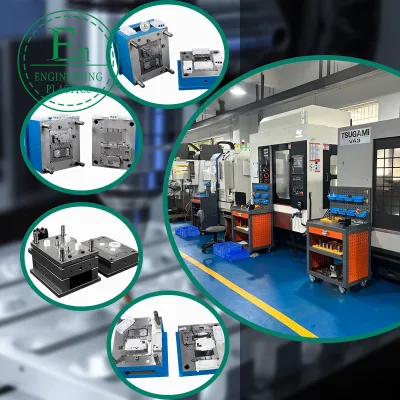
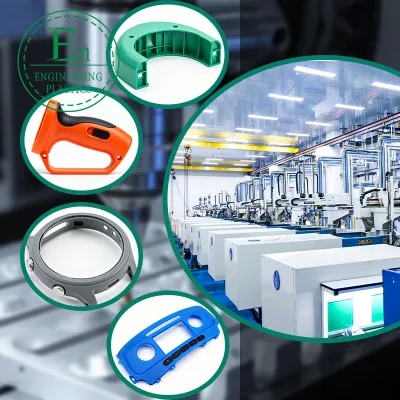


Comprehensive Sourcing Guide
10pcs Sample Plastic Injection Mold Sourcing Guide
Procuring a small batch of ten sample plastic injection molds requires a strategic approach that balances rapid prototyping needs with long-term manufacturing viability. Buyers must distinguish between soft tooling intended for validation and hard tooling designed for high-volume production. The decision to order ten samples often signals a need for design verification, fit testing, or low-volume market entry rather than full-scale commercial production. Understanding this distinction is critical when evaluating supplier capabilities and quoting structures.
This guide focuses on the specific technical and commercial considerations for sourcing these molds. It addresses the observed market signals, technical verification steps, and compliance requirements relevant to plastic injection molding. By adhering to these procurement principles, buyers can mitigate risks associated with tooling defects, material incompatibilities, and supply chain delays. The following sections provide a structured framework for evaluating suppliers and ensuring that the final molded parts meet precise engineering specifications.
Product Scope and Observed Listing Signals
The current market for plastic injection molds exhibits a wide price range, observed between $0.03 and $50,000 USD, reflecting significant variations in complexity, cavity count, and material quality. This disparity underscores the importance of defining clear project requirements before engaging with suppliers. Listings often highlight customization availability, indicating that many manufacturers can adapt standard designs to specific client needs. Buyers should scrutinize these customization claims to ensure they align with their specific geometric and functional requirements.
Observed minimum order quantities (MOQs) range from one to 100,000 units, suggesting flexibility in production scaling. However, for a ten-sample request, buyers must confirm whether the supplier treats this as a tooling-only order or includes part production. Some listings specify applications across automotive, household appliances, electronics, and medical sectors, implying a broad capability spectrum. Buyers should verify if the supplier’s expertise matches their specific industry, as medical-grade molds require different standards than commodity hardware molds.
Technical Specifications to Verify
Technical verification begins with confirming the mold’s design software compatibility, such as UG or Pro-E, which ensures seamless data exchange and future modifications. Buyers must also verify the runner system type, with hot runner systems being common for efficient material usage and consistent part quality. The choice between single-process modes and compound dies impacts production speed and part complexity. Understanding these mechanical configurations helps buyers assess the mold’s suitability for their specific part geometry and production volume.
Material selection is another critical technical parameter, with options including PVC, PP, ABS, Nylon, PC, and PET. The plastic type, whether thermosoftening or thermosetting, and its form, such as liquid or solid, directly influence mold design and cooling requirements. Surface finish processes like polishing affect the aesthetic quality and demolding ease of the final parts. Buyers should request detailed material certificates and surface finish specifications to ensure the mold can produce parts that meet their functional and visual standards.
Compliance and Safety Documentation
Compliance documentation varies significantly based on the intended application of the molded parts. For medical use, certifications such as ISO 13485 and FDA approval are essential, ensuring that materials and processes meet stringent safety and hygiene standards. Ethylene oxide sterilization compatibility may also be required for medical devices, necessitating specific material selections and mold surface treatments. Buyers in regulated industries must verify that the supplier can provide the necessary documentation to support their product’s regulatory submissions.
For general industrial applications, certifications like TSCE and ISO may indicate adherence to quality management systems. However, buyers should not assume that all listed certifications apply to every product or project. It is crucial to request specific certificate copies and verify their validity with the issuing bodies. Additionally, quality guarantee periods, often cited as two years, should be clearly defined in the contract, outlining the scope of coverage for mold defects or premature wear.
Cost Drivers and Commercial Terms
Cost drivers for plastic injection molds include the number of cavities, material hardness, surface finish requirements, and the complexity of the part geometry. Multi-cavity molds increase initial tooling costs but reduce per-part pricing, making them suitable for higher volumes. Buyers must evaluate the total cost of ownership, considering not just the mold price but also maintenance, repair, and potential modification costs over the mold’s lifespan. Transparent pricing structures help avoid hidden fees associated with design changes or additional testing.
Commercial terms such as payment schedules, shipping methods, and packaging details significantly impact the overall procurement experience. Products are often packed in steel boxes, cartons, or wooden crates, depending on the mold’s size and value. Buyers should negotiate clear terms for delivery lead times and warranty conditions. Understanding the supplier’s packing standards ensures that the mold arrives in optimal condition, preventing damage during transit and reducing the risk of delays in production startup.
Supplier Qualification and Quality Control
Supplier qualification involves assessing their technical capabilities, production facilities, and quality control processes. Buyers should verify the supplier’s experience with similar materials and applications, particularly if specialized requirements like medical compliance are needed. Requesting references or case studies can provide insight into the supplier’s reliability and consistency. Additionally, evaluating their design software proficiency and engineering support capabilities ensures that they can address technical challenges effectively during the mold development phase.
Quality control measures should include pre-production inspections, trial run reports, and final part measurements. Buyers should establish clear acceptance criteria for the ten samples, including dimensional accuracy, surface finish, and functional performance. Implementing a robust inspection protocol helps identify potential issues early, allowing for timely adjustments before full-scale production. Regular communication with the supplier during the mold building process can also enhance quality outcomes and reduce the risk of costly rework.
Long-Term Procurement Checks
Long-term procurement success depends on establishing a sustainable relationship with the supplier and implementing continuous improvement strategies. Buyers should monitor mold performance over time, tracking metrics such as cycle time, defect rates, and maintenance frequency. Regular audits of the supplier’s quality management systems ensure ongoing compliance with agreed-upon standards. Building a partnership based on transparency and mutual benefit can lead to better pricing, prioritized support, and collaborative innovation.
Additionally, buyers should plan for mold maintenance and potential upgrades to extend the tool’s lifespan. Establishing a clear protocol for spare parts and repair services ensures minimal downtime in case of unexpected failures. Staying informed about advancements in molding technology and materials can also provide opportunities for optimization. By proactively managing these long-term factors, buyers can maximize the return on their investment in plastic injection molds and support their manufacturing goals effectively.
FAQs
Can I get customized plastic injection molds for medical use?
Yes, customized plastic injection molds are available for medical applications. These molds support multi-cavity designs and utilize hot runner systems. They are manufactured using thermosoftening plastics like PVC, PP, or ABS. The process includes polishing and follows standards such as HASCO or DME for precision.
What certifications do these plastic injection molds hold?
These molds hold TSCE, ISO, and FDA certifications. Medical grade options also carry ISO13485 certification. The products undergo ethylene oxide sterilization and are designed for applications in cars, household appliances, and hardware. This ensures compliance with international safety and quality standards for various industries.
How is the installation process handled for these molds?
Installation can be either fixed or mobile depending on the specific mold configuration. The shaping mode is injection molding with a single-process or compound die combination. Design software like UG or Pro-E is used to create the molds. This flexibility allows for versatile deployment in different manufacturing environments.
Which plastic materials are used for these injection molds?
The molds are designed for various plastic materials including PVC, PP, ABS, Nylon, PC, and PET. The plastic type is thermosoftening, and the form can be liquid during the molding process. These materials are suitable for producing parts for cars, furniture, and electronic devices with high durability.
What is the quality guarantee period for these molds?
The quality guarantee period for these molds is two years. This warranty covers the structural integrity and performance of the injection tooling. The molds are packed in steel boxes, cartons, or wooden crates to ensure safe transport. This guarantee reflects the manufacturer's confidence in the product's longevity.
Can these molds be used for household appliances and electronics?
Yes, these molds are applicable for household appliances, electronics, hardware, and commodity production. They are also suitable for home use and furniture manufacturing. The multi-cavity design allows for efficient mass production of plastic parts. This versatility makes them ideal for diverse industrial and consumer product applications.
What is the minimum order quantity for these molds?
The minimum order quantity ranges from 1 to 100,000 units depending on the specific product model. Prices vary significantly from 0.03 to 50,000 USD based on complexity and customization. Buyers can request samples and customize the mold according to their drawings or samples for specific production needs.