Source 10t Towing Roadside Assistance Truck for Fleet, Municipal, and Private Use
Compare 30 available 10t Towing Roadside Assistance Truck options from verified Chinese manufacturers. Evaluate specifications including engine power, towing capacity, and transmission types to find the right vehicle for your fleet or municipal needs.
Key considerations
Products List

Roadside Assistance Truck Breakdown Trucks Towing Truck Towing Vehicle
$19900.00 - $21900.00
MOQ: 1 Pieces

Hot Selling Wrecker Tow Truck Road Rescue Car Carrier Transfer Tow Truck
$19999.00 - $39699.00
MOQ: 1 UNIT


10-150 Ton Rotator Wrecker Recovery Truck Tow Trucks for Urban Road Operations
$9900.00 - $42600.00
MOQ: 1 Pieces


Heavy Duty Wrecker Tow Truck for Vehicle Recovery and Roadside Assistance
$28000.00 - $30000.00
MOQ: 1 Pieces

10 Ton Heavy Duty Wrecker Truck Tow Truck for Efficient Roadside Assistance
$56000.00 - $58000.00
MOQ: 1 Pieces


Heavy Duty Roadside Assistance Wrecker Tow Truck for Highway Support
$18000.00 - $25500.00
MOQ: 1 Pieces

Factory Supply Roadside Assistance Wrecker Tow Truck for Recovery Companies
$27000.00 - $29500.00
MOQ: 1 Pieces

Wrecker Towing Truck Flatbed Tow Truck 3ton 5ton Roadside Assistance Hydraulic
$18000.00 - $19000.00
MOQ: 1 Pieces

Wrecker Tow Truck Lifting Weight 10t for Towing Loading Heavy Truck
$19500.00 - $22500.00
MOQ: 1 Pieces


Highly Efficient Roadside Assistance Wrecker Truck, 4X2 Flatbed Tow Truck
$18999.00 - $25800.00
MOQ: 1 Pieces


4X2 3ton 5ton 6ton Platform Wrecker Truck Towing Truck for Road Recovery
$16999.00 - $25800.00
MOQ: 1 Pieces
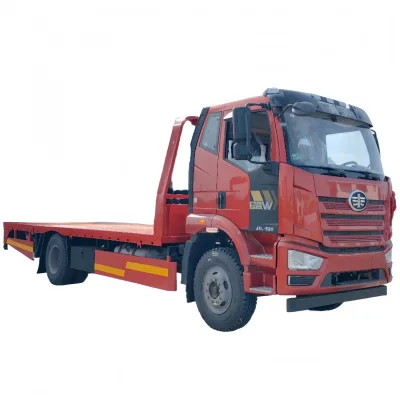


Reliable 1 Tow 2 Flatbed Wrecker Truck for Highway Roadside Assistance
$31875.00 - $32857.00
MOQ: 1 Pieces

1 Tow 3 Flatbed Towing Truck with Hydraulic System Roadside Assistance Vehicle
$31875.00 - $32857.00
MOQ: 1 Pieces

Comprehensive Sourcing Guide
Strategic Sourcing Guide for 10-Ton Roadside Assistance Trucks
Procuring a heavy-duty towing vehicle requires a rigorous evaluation of technical specifications, regulatory compliance, and operational suitability. The market for 10-ton towing roadside assistance trucks presents a complex landscape where buyers must distinguish between general wrecker capabilities and specialized rescue configurations. Based on current industry data, the procurement process involves analyzing specific chassis configurations, engine performance metrics, and certification requirements to ensure the selected unit meets the demands of road clearing and rescue operations. This guide provides a structured approach to sourcing these specialized vehicles, focusing on verified attributes and critical evaluation criteria.
Technical Architecture and Chassis Configuration
The foundation of any effective roadside assistance truck lies in its chassis and powertrain architecture. For a 10-ton towing capacity, the vehicle must possess a robust frame capable of handling dynamic loads during recovery operations. Market observations indicate that while some units are configured for lighter duties with a 2-ton towing capacity, the 10-ton segment requires a significantly heavier chassis, often characterized by a Gross Vehicle Weight (G.V.W) exceeding 13,000 kg. In contrast, lighter models may operate with a G.V.W around 4,495 kg, which is insufficient for heavy recovery tasks.
Engine selection is a primary determinant of performance. High-capacity tow trucks typically utilize diesel engines to provide the necessary torque for lifting and towing heavy loads. Specifications for heavy-duty units often point to engine models with displacement around 2.8 liters for lighter variants, but 10-ton trucks generally require higher horsepower outputs, potentially reaching 390 HP, to manage the increased mass. The transmission system must be equally robust; manual transmissions with six gears are common in these segments, offering the driver precise control over gear ratios when maneuvering heavy loads on inclines or uneven terrain.
The wheelbase and overall dimensions are critical for stability. A wheelbase of approximately 4,600 mm is often observed in heavier models to ensure stability during towing, whereas lighter units may feature a wheelbase of 3,360 mm. The physical footprint, including length, width, and height, must comply with road regulations while accommodating the towing mechanism. Dimensions such as 8,500 mm in length and 2,500 mm in width are typical for larger wrecker trucks, providing ample space for the boom, winch, and towing bed. Buyers must verify that the specific model's dimensions, such as 5,998 mm by 2,300 mm by 2,290 mm for certain configurations, align with their operational routes and parking constraints.
Compliance and Certification Verification
Regulatory compliance is non-negotiable in the procurement of commercial vehicles. Buyers must verify that the supplier can provide documentation confirming adherence to international and local safety standards. The supply chain for these vehicles often includes certifications such as ISOCCC, TSEEC, CE, and EEC. These certifications indicate that the manufacturing process and the final product meet specific quality and safety benchmarks. Additionally, environmental compliance is increasingly critical; buyers should look for emission standards such as Euro 6 or equivalent regional standards, often denoted as "Euro Fuel" in product listings, to ensure the vehicle can operate in restricted zones.
Safety certifications like RoHS (Restriction of Hazardous Substances) are also relevant, particularly for electronic components within the vehicle's control systems. The condition of the vehicle is another compliance factor; suppliers typically list units as "New," but buyers must ensure that "New" implies factory-fresh condition with no prior usage, rather than refurbished stock. The bearing capacity of the vehicle, whether classified as light, medium, or heavy, must match the intended operational load. For a 10-ton truck, the bearing capacity must be rated for medium to heavy-duty applications to prevent structural failure during recovery operations.
Cost Drivers and Pricing Dynamics
The pricing of a 10-ton towing truck is influenced by a complex array of factors, including chassis brand, engine power, and customization levels. Market data suggests a wide price range, with observed values spanning from approximately $8,700 to $120,000 USD. This variance reflects differences in specifications, such as the difference between a 2-ton and a 10-ton capacity, or the choice between a Foton chassis and a FAW chassis. The brand of the chassis, such as Foton-Aumark or FAW, significantly impacts the cost, as does the engine power, with higher horsepower units commanding a premium.
Customization is a major cost driver. While some units are supplied in a "Nude" packing format, requiring the buyer to install the towing mechanism, others come with "Customized" packing and fully integrated systems. The complexity of the towing mechanism, the type of cab (e.g., flat roof, single row), and the inclusion of power-assisted steering all contribute to the final price. Buyers should be aware that the Minimum Order Quantity (MOQ) for these specialized vehicles is typically low, often ranging from 1 to 1 unit, allowing for single-unit procurement. However, the lead time and production schedule can vary based on the level of customization required.
Operational Applications and Functional Requirements
The primary function of a 10-ton towing truck is road clearing and rescue operations. These vehicles are designed to handle a variety of scenarios, from recovering broken-down commercial vehicles to assisting in accident scenes. The keyword "Wrecker Truck" and "Road Rescue Tow Truck" accurately describe the core utility of these machines. The functional requirements include a robust towing mechanism capable of lifting and securing heavy loads, as well as a stable platform for transporting the recovered vehicle.
The cab configuration is also vital for operator comfort and safety. A flat roof, single-row cab is a common design, providing a compact profile while ensuring the driver has clear visibility. The steering wheel configuration, whether left-hand or right-hand drive, must match the operational region of the buyer. Power-assisted steering is a standard feature in these heavy-duty vehicles, reducing driver fatigue during long shifts. The color of the vehicle is often customizable to meet the branding requirements of the towing company, allowing for high-visibility livery or corporate identity schemes.
Supplier Evaluation and Manufacturing Standards
Evaluating suppliers requires a focus on their manufacturing capabilities and adherence to quality standards. The origin of the vehicle, often listed as China or specific provinces like Hubei, provides insight into the supply chain dynamics. Buyers should verify the supplier's ability to produce vehicles that meet the specified standards, such as the "wrecker truck" standard or customized specifications. The production standard, including dimensions and weight limits, must be clearly defined in the contract to avoid disputes.
Quality control is paramount. Buyers should request evidence of the manufacturing process, including inspection reports and test results. The condition of the vehicle, whether new or refurbished, must be explicitly stated. Suppliers should provide a clear breakdown of the components, including the engine model, transmission type, and chassis brand. For instance, a supplier offering a FAW 13-ton model should provide detailed specifications for the 390 HP engine and the 6-gear transmission. The packaging method, whether nude or customized, should be agreed upon prior to shipment to ensure the vehicle arrives in optimal condition.
Long-Term Procurement and Maintenance Considerations
Long-term ownership of a 10-ton towing truck involves considerations beyond the initial purchase price. Maintenance costs, parts availability, and the durability of the vehicle are critical factors. The engine model, such as the Quanchai Q28-130e60 or higher-power alternatives, determines the maintenance schedule and parts cost. Buyers should ensure that the supplier offers a comprehensive after-sales support package, including warranty coverage and access to spare parts.
The durability of the chassis and the towing mechanism is essential for long-term reliability. A vehicle with a G.V.W of 13,000 kg and a curb weight of 3,800 kg (for lighter models) or higher for heavy-duty units must be built to withstand repeated heavy loads. The transmission system, with its 6 gears, should be designed for high-torque applications to ensure longevity. Buyers should also consider the fuel efficiency of the vehicle, as diesel engines are the standard, and fuel costs can significantly impact the total cost of ownership.
Comparative Analysis of Vehicle Specifications
To assist buyers in making informed decisions, the following table compares key specifications observed in the market for different towing truck configurations. This comparison highlights the differences between lighter and heavier duty units, aiding in the selection of the appropriate vehicle for a 10-ton requirement.
| Specification | Light Duty Unit (2T) | Heavy Duty Unit (10T+) |
|---|---|---|
| Towing Tonnage | 2T | 5T - 10T+ |
| Gross Vehicle Weight | 4,495 kg | 13,000 kg |
| Engine Power | 130 HP | 390 HP |
| Displacement | 2.8L | Varies (Higher) |
| Wheel Base | 3,360 mm | 4,600 mm |
| Dimensions (L x W x H) | 5,998 x 2,300 x 2,290 mm | 8,500 x 2,500 x 3,250 mm |
| Transmission | 6 Gear Manual | 6 Gear Manual |
| Chassis Brand | Foton-Aumark | FAW |
| Cabin Type | Flat Roof, Single Row | Flat Roof, Single Row |
| Certification | ISOCCC, CE, EEC | ISOCCC, TSEPA, RoHS |
This comparison underscores the necessity of matching the vehicle's specifications to the intended operational load. A 10-ton requirement cannot be met by a 2-ton unit, regardless of other similarities. Buyers must carefully review the technical data to ensure the selected vehicle can safely and effectively perform the required roadside assistance tasks.
Final Procurement Recommendations
In conclusion, sourcing a 10-ton towing roadside assistance truck requires a meticulous approach that balances technical specifications, regulatory compliance, and cost considerations. Buyers should prioritize vehicles with the appropriate chassis brand, engine power, and transmission type to ensure reliable performance. Verification of certifications such as ISOCCC, CE, and EEC is essential to meet safety and environmental standards. By conducting a thorough evaluation of suppliers and understanding the long-term maintenance implications, buyers can secure a vehicle that meets their operational needs while ensuring compliance with all relevant regulations. The decision-making process should be guided by the specific requirements of the towing operation, ensuring that the selected truck is capable of handling the intended load and operating conditions.
FAQs
What certifications do 10t towing roadside assistance trucks have?
These trucks typically hold ISOCCC, TSEEC, CE, and EEC certifications. Some models also include TSEPA, RoHS, and specific emission standards like Euro Fuel to ensure regulatory compliance for international operations.
Can I customize the color and cabin of the tow truck?
Yes, customization is available for color and cabin configurations. Buyers can request specific colors and flat roof single-row cab designs to match their operational branding and safety requirements.
Which engine models are used in these heavy-duty trucks?
Engine models vary by capacity, with options like the Quanchai Q28-130e60 for lighter units and 390 HP engines for heavier 10-ton variants. All units utilize diesel fuel for optimal torque and performance.
How is the transmission configured in these wrecker trucks?
The transmission is typically a manual 6-gear system, such as the Wly 6gear model. This setup provides precise control for maneuvering heavy loads during road clearing and rescue operations.
What is the typical wheelbase for a 10-ton towing truck?
Heavy-duty 10-ton trucks generally feature a wheelbase of 4600mm to ensure stability. Lighter 2-ton models may have a shorter 3360mm wheelbase, so verify the specific chassis dimensions for your needs.
Where are these wrecker trucks manufactured and shipped from?
These vehicles originate from China, with specific production hubs in provinces like Hubei. Suppliers typically offer nude or customized packing options for direct shipment to your location.
What is the minimum order quantity for these trucks?
The minimum order quantity is typically 1 unit, allowing for single-unit procurement. This low MOQ facilitates flexible purchasing for individual towing companies or small fleets.
How much does a 10t Towing Roadside Assistance Truck cost?
Prices range from approximately 8700 to 120000 USD depending on specifications. Costs vary based on chassis brand, engine power, towing capacity, and the level of customization required.