Source 12V Vehicle Amplifier for Car, Home Theatre, and Stage
Compare 30 available 12V Vehicle Amplifier options from Guangzhou suppliers. Buyers can review specifications like amplification type, output channels, and protection features for civilian and professional use cases.
Key considerations
Products List


Hot Seller Mixer Power Amplifier with DC and AC 12V Car PA 100V Amplifier
$48.00 - $55.00
MOQ: 1 Pieces


DC12V, 24V, 36V, 48V +AC Car Amplifier Amplifier with USB, Bluetooth Wireless
$210.00 - $230.00
MOQ: 1 Pieces


12V Car Amplifier 2 Channel Sound Digital Car Amplifier Car Audio Amplifier
$22.00 - $25.00
MOQ: 50 Pieces


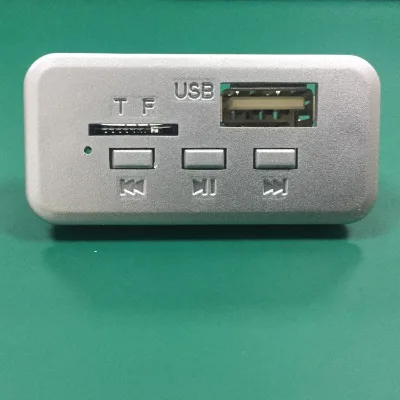


$35.00 - $52.00
MOQ: 300 Pieces


Comprehensive Sourcing Guide
12V Vehicle Amplifier Sourcing Guide
Sourcing 12V vehicle amplifiers requires a nuanced understanding of the diverse electrical architectures found in modern automotive and civilian audio systems. These devices are not monolithic; they range from compact mini-amplifiers designed for portable players and computer setups to robust units intended for professional stage, DJ, and home theatre applications. The core keyword, 12V Vehicle Amplifier, often intersects with broader categories such as car amplifiers, pre-amplifiers, and mono or push-pull configurations. Buyers must recognize that a single supplier may offer a portfolio spanning these distinct functional types, necessitating careful filtering based on the specific end-use environment, whether it be a private vehicle, a commercial transport fleet, or a stationary installation.
The procurement landscape for these components is characterized by significant variability in output topology and channel configuration. Observed listings indicate a mix of tube-type, IC, and transistor amplifiers, each presenting different maintenance profiles and sonic characteristics. For instance, some units are explicitly categorized as passive amplifiers, while others function as combined amplifiers with pre-amplification stages. This diversity means that a buyer cannot assume uniformity across all products labeled under the general term. Verification of the internal element number, such as monoamplifier versus push-pull, and the specific output channel count, such as 4-channel configurations, is critical to ensuring the selected hardware integrates seamlessly with the existing audio infrastructure and power distribution network of the target application.
Product Scope and Observed Listing Signals
The observed market signals reveal a wide spectrum of product models, including the PAD-80, PAD-50, PAD-120, PAD-160, PAD-240, XMN-502, XMN-1004, and N502. These model numbers often correlate with distinct physical dimensions and power handling capabilities, ranging from small form factors like the 149.83.5cm unit to larger chassis measuring 338115255MM. Buyers should note that the term "12V Vehicle Amplifier" may encompass units designed for AC 220V input, such as the PAD-120, which suggests a dual-voltage capability or a specific variant intended for stationary use rather than direct vehicle battery connection. This discrepancy highlights the necessity of verifying the actual voltage requirement against the vehicle’s electrical system to prevent immediate hardware failure upon installation.
Packaging and origin data provide additional context for logistics and quality expectations. The majority of observed products originate from Guangzhou, Guangdong, China, with some listings specifying the broader region of Guangzhou, Cn. Packaging standards vary from simple cartons to more protective foam and giftbox combinations, indicating that suppliers cater to different retail and wholesale channels. The presence of OEM and ODM factory capabilities suggests that buyers seeking private labeling or custom specifications have viable pathways for customization. However, the "Available" customization attribute should be treated as a potential rather than a guarantee, requiring direct negotiation to define the scope of modifications, such as branding, connector types, or internal circuit adjustments, before committing to an order.
Technical Specifications to Verify
Voltage compatibility is the most critical technical parameter to verify, as the core keyword implies a 12V DC requirement, yet some listed models specify AC 220V operation. Buyers must confirm whether the amplifier includes an internal power supply capable of converting vehicle DC power to the required internal operating voltage, or if it is strictly designed for mains electricity. Additionally, the DC 12V specification listed for certain models must be cross-referenced with the vehicle’s actual electrical output, which can fluctuate. Understanding the input voltage range and the presence of voltage regulation circuits is essential to ensure stable performance under the varying load conditions typical of automotive environments, such as engine start-up voltage drops.
Signal integrity and protection mechanisms are equally vital for long-term reliability. Specifications such as an SNR (Signal-to-Noise Ratio) of 81-90dB provide a baseline for audio clarity, but buyers should verify if this metric applies to the specific model in question, as it may vary across the product line. Protection features like high-temperature resistance, overload protection, and short-circuit protection are listed as standard attributes, which is crucial for preventing damage in confined vehicle spaces where heat dissipation can be challenging. Furthermore, the distinction between tube-type, IC, and transistor amplifiers affects the frequency response and durability; for example, a frequency range of 100-200 Hz suggests a subwoofer-focused design, which may not be suitable for full-range audio reproduction in a general vehicle sound system.
Compliance and Safety Documentation
Certification requirements vary significantly based on the target market and the specific electrical classification of the amplifier. Observed listings mention a range of certificates including CE, FCC, RoHS, CB, and CCC. The presence of FCC certification suggests compliance with electromagnetic interference standards relevant to the North American market, while CE and RoHS indicate adherence to European environmental and safety directives. Buyers must ensure that the specific unit they are purchasing carries the certifications required for their destination country, as a product certified for one region may not legally or safely operate in another. The "CB" certificate, in particular, facilitates international acceptance, but it is essential to verify that the documentation is current and applies to the exact model variant being sourced.
Safety standards also encompass the physical construction and material safety of the device. The CCC (China Compulsory Certification) mark indicates that the product meets mandatory Chinese safety standards, which is relevant for domestic sales or manufacturing origin verification. However, for export, buyers should request copies of the test reports associated with these certifications to verify that the specific batch or model has been independently tested. The absence of a specific certification on a listing does not necessarily mean the product is non-compliant, but it places the burden of verification on the buyer. It is advisable to request third-party lab reports for electrical safety, particularly regarding insulation resistance and leakage current, to ensure the amplifier does not pose a fire or shock hazard within the vehicle’s cabin.
Cost Drivers and Commercial Terms
The observed price range of 1.65-561 USD reflects the vast disparity in component quality, channel count, and brand positioning within the amplifier market. Lower-priced items likely correspond to basic mono or 2-channel IC amplifiers with minimal features, while higher-priced units may offer multi-channel outputs, advanced DSP capabilities, or premium build materials. Buyers should analyze the cost per channel and the power output specifications relative to the price to determine value, rather than focusing solely on the unit cost. The MOQ (Minimum Order Quantity) range of 1-500 units indicates flexibility for both sample testing and bulk procurement, but buyers should be aware that pricing tiers often shift significantly at higher volumes, particularly for OEM orders.
Commercial terms such as delivery time and warranty periods are key factors in the total cost of ownership. A delivery time of 2-25 days suggests that stock availability varies, with some items being ready for immediate shipment while others require production lead time. Buyers should clarify whether the quoted price includes shipping and insurance, as these costs can significantly impact the final landed cost. The warranty period, observed to be either 1 or 3 years, serves as an indicator of the manufacturer’s confidence in their product’s durability. A longer warranty may justify a higher initial price, but buyers must understand the terms of service, including whether returns are handled locally or require shipping back to the origin, which can add hidden logistical costs.
Supplier Qualification and Quality Control
Supplier longevity and manufacturing capability are important indicators of reliability. The observation that some factories have a history of more than 10 years suggests a level of stability and experience in the industry. However, buyers should verify this claim by checking business registration dates and reviewing the supplier’s export history. The ability to perform OEM and ODM work is a valuable asset for buyers seeking custom branding or specific technical modifications, but it requires a robust quality control process to ensure that customizations do not compromise the core functionality or safety of the amplifier. Buyers should request samples to test the build quality, including soldering integrity, connector durability, and heat sink effectiveness, before committing to larger orders.
Quality control protocols should be explicitly discussed during the sourcing process. Buyers should inquire about the supplier’s incoming material inspection, in-process quality checks, and final random inspection procedures. Given the electronic nature of amplifiers, functional testing of every unit before packing is a best practice to catch defects such as channel imbalance or excessive noise. The packaging method, whether simple carton or foam and giftbox, also plays a role in protecting the product during transit. Buyers should specify packaging requirements to ensure that the amplifiers arrive in pristine condition, minimizing the risk of damage-related returns and ensuring a professional presentation for end-users.
Long-Term Procurement Checks
Sourcing 12V vehicle amplifiers is not a one-time transaction but an ongoing relationship that requires continuous monitoring of product performance and supplier responsiveness. Buyers should establish a feedback loop with end-users or internal testing teams to track failure rates and common issues, such as overheating or connectivity problems. This data should be shared with the supplier to drive continuous improvement in design and manufacturing processes. Regular audits of the supplier’s quality management system can help ensure that standards are maintained over time, especially as production volumes increase or new models are introduced.
Additionally, buyers must stay informed about changes in regulatory requirements and technology trends. As vehicles become more electric and digital, the interface and power requirements for amplifiers may evolve. Buyers should maintain open communication with their suppliers to anticipate these shifts and ensure that future orders align with the latest technological and compliance standards. Building a diversified supplier base can also mitigate risks associated with single-source dependencies, ensuring that procurement continuity is maintained even if one supplier faces production or logistical challenges. This strategic approach to sourcing ensures that the procurement function remains agile and responsive to market changes.
FAQs
What is the warranty period for these amplifiers?
The warranty period is typically 3 years for most models, though some specific units like the N502 offer a 1-year warranty. This coverage applies to the Guangzhou-based Qqchinapa brand products which are designed for civilian and professional use.
Can I get custom designs for these amplifiers?
Yes, customization is available for these amplifiers through OEM and ODM factory capabilities. The Guangzhou facility has over 10 years of history and can produce various models like the PAD series to meet specific buyer requirements.
What certifications do these amplifiers hold?
These amplifiers hold CE, FCC, RoHS, and CB certifications. The products originate from Guangzhou, China, and are packed in cartons or foam and giftbox combinations depending on the specific model ordered.
How long does delivery take for these units?
The delivery time ranges from 2 to 25 days depending on the order specifics. This lead time applies to the Guangzhou factory which supplies various amplifier types including car and home theatre models.
What is the minimum order quantity for these products?
The minimum order quantity varies from 1 to 500 units based on the specific product model and configuration. Buyers can find options ranging from single units to bulk orders for the PAD and XMN series amplifiers.
Which voltage types are supported by these amplifiers?
These amplifiers support both 12V DC for vehicle use and AC 220V for home or stage applications. The product line includes tube type IC amplifiers and transistor amplifiers suitable for different power requirements.