Source Soundbar Solutions for Home Theater, Karaoke, and TV
Explore 30 Soundbar options featuring active amplification, Bluetooth connectivity, and memory card support. Compare specifications like 12W output power, plastic construction, and CE certification to find suitable units for home theater systems, karaoke setups, and portable player integration; compare the available evidence and request quotations based on your requirements.
Key considerations
Products List


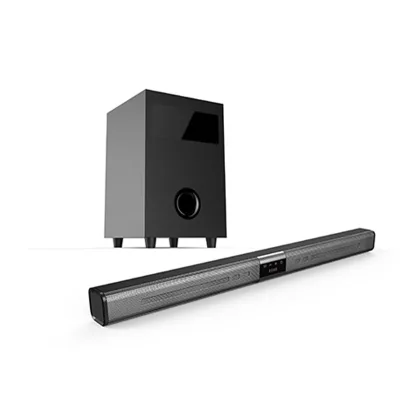
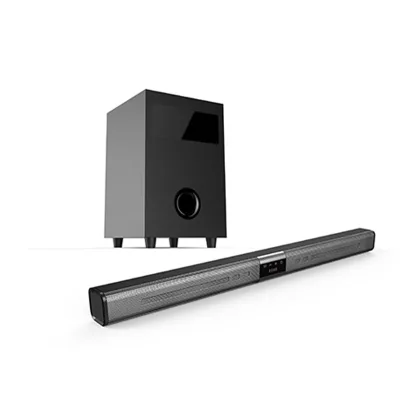
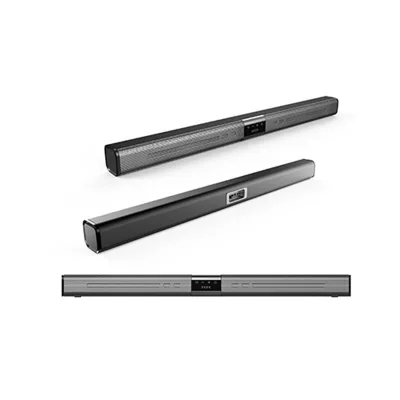


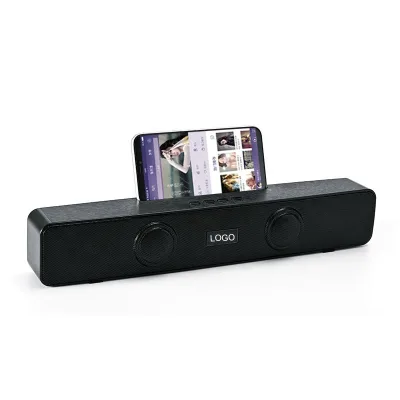


Comprehensive Sourcing Guide
Soundbar Sourcing Guide
Buyers evaluating Soundbar options must first distinguish between compact portable units and larger home theater systems, as the observed market data reveals a split between single-channel Bluetooth speakers and multi-driver bar configurations. The product listings indicate a primary material composition of plastic, which suggests a focus on lightweight portability and cost-effective manufacturing rather than high-end acoustic enclosures. This distinction is critical because the intended application, ranging from computer audio to full home theater setups, dictates the necessary power output and channel configuration.
Procurement teams should also note the significant variance in observed minimum order quantities, which span from single units to bulk orders of 2000 pieces. This wide range implies that suppliers cater to both immediate replacement needs and large-scale distribution channels, requiring buyers to align their inventory strategy with specific supplier capabilities. Understanding whether a supplier prioritizes low-volume customization or high-volume standard production is essential before initiating any contact or requesting samples for evaluation.
Product Scope and Observed Listing Signals
The observed product scope encompasses a diverse array of Soundbar variants, including models explicitly described as 4-inch subwoofer systems with specific wattage distributions and others defined by their single-channel architecture. Buyers must carefully verify the sound channel count, as some listings specify a single channel while others indicate a 2-channel configuration, directly impacting the stereo imaging and spatial audio performance expected in home theater applications. The presence of memory card support and USB disk compatibility further expands the functional scope beyond simple Bluetooth streaming.
Listing signals also highlight specific physical dimensions and packaging requirements, such as corrugated boxes and single package sizes reaching 80x6x6 cm, which influence logistics planning and storage costs. The color options appear limited to black in the provided data, suggesting a standardized aesthetic approach across the majority of available units. Buyers should scrutinize the "Universal" compatibility claims to ensure these devices integrate seamlessly with their existing TV, computer, or portable player ecosystems without requiring proprietary adapters or complex setup procedures.
Technical Specifications to Verify
Technical verification must begin with the signal-to-noise ratio, as observed data presents conflicting ranges between 81-90dB and values below 70dB, indicating potential quality variance between different supplier batches or product lines. Procurement teams should demand specific test reports for the SNR to ensure the audio output remains clear and free from background hiss, particularly for applications involving quiet listening environments or high-fidelity music playback. The amplification type is consistently listed as active, confirming the need for an external power source rather than passive operation.
Power specifications require rigorous validation, with observed outputs ranging from 12W per channel to total systems delivering 40W across subwoofer and satellite drivers. Buyers must confirm the DC adapter requirements, noting the specific 12V2A standard mentioned in some listings, to ensure compatibility with local power grids and to avoid the need for additional voltage conversion equipment. Additionally, the battery specifications, including LFP 18ah capacity and solar panel charging options, necessitate a review of the actual working time claims against the stated 30-day duration to verify the reliability of the power management system.
Compliance and Safety Documentation
Compliance verification is paramount when sourcing electronic audio equipment, with CE certification appearing as a documented standard for the observed product range. Buyers should request valid CE test reports that specifically cover electromagnetic compatibility and low voltage directives to ensure the products meet the safety requirements for the European market. The absence of other major certifications in the provided data suggests that suppliers may not automatically hold UL or RoHS approvals, requiring buyers to explicitly request these documents if targeting North American or environmentally regulated markets.
Safety documentation must also address the electrical components, particularly the DC adapters and battery systems, which are integral to the active amplification and charging functions. The presence of solar panel charging capabilities introduces specific safety considerations regarding battery management and thermal regulation that should be validated through independent testing. Procurement teams should ensure that all supplied units include clear labeling for voltage inputs and output power to prevent misuse or electrical hazards during installation in residential or commercial settings.
Cost Drivers and Commercial Terms
Cost structures are heavily influenced by the minimum order quantity, which ranges from single units to 2000 pieces, creating a significant price disparity between small-batch and bulk procurement. Buyers seeking lower unit costs must be prepared to commit to the higher volume thresholds, while those requiring flexibility may face premium pricing for smaller orders. The material composition, primarily plastic, generally keeps base manufacturing costs low, but the inclusion of specialized features like solar charging or large capacity batteries can drive up the final unit price.
Commercial terms must account for the specific packaging requirements, such as the use of carton boxes and corrugated packaging, which add to the overall shipping weight and volume. The observed single gross weight of 16.5 kg for certain units indicates that freight costs will be a substantial component of the total landed cost, especially for international shipments. Buyers should negotiate shipping terms carefully, considering the potential for volume discounts on freight if consolidating orders to meet the higher MOQ thresholds.
Supplier Qualification and Quality Control
Supplier qualification should focus on verifying the origin of goods, with Guangzhou and Guangdong, China, identified as key production hubs for these Soundbar systems. Buyers must confirm that the supplier has established quality control processes capable of maintaining consistency across the observed product variations, particularly regarding the SNR and power output specifications. The lack of private mold ownership in the provided data suggests that many suppliers may be using standard molds, which could limit customization options but ensure a baseline level of manufacturing consistency.
Quality control protocols must include rigorous testing of the Bluetooth connectivity and memory card support functions, as these are critical user-facing features. Buyers should implement a sampling plan that tests the durability of the plastic housing and the reliability of the active amplification system under continuous operation. It is essential to verify that the supplier can consistently deliver products that match the advertised specifications, such as the 12V2A adapter compatibility and the specific woofer sizes, to avoid receiving substandard units that fail to meet performance expectations.
Long-Term Procurement Checks
Long-term procurement success depends on establishing a clear roadmap for product evolution and supply chain stability, given the observed variations in model numbers and specifications. Buyers should maintain open communication channels with suppliers to track updates on new models, such as the transition from model 28 to A507 or 18AH-32SV, ensuring that the product line remains aligned with market demands and technological advancements. Regular audits of the supplier's production capacity are necessary to guarantee that they can scale up to meet the 2000-piece MOQ requirements without compromising quality.
Sustainability and after-sales support are also critical factors for long-term partnerships, particularly regarding the battery and charging systems included in the product designs. Buyers should verify the availability of replacement parts, such as DC adapters and battery packs, to extend the lifecycle of the purchased inventory. Establishing a clear return policy and warranty framework for defective units will mitigate risks associated with the observed performance variances and ensure a reliable supply chain for future procurement cycles.
FAQs
What is the output power of this Soundbar?
The Soundbar features an active amplification type with a total output power of 12W times 2. This configuration includes a 4-inch subwoofer delivering 15W and two 2-inch drivers providing 12W each. The system is designed for clear audio performance in home theater setups, ensuring balanced sound distribution for movies and music playback.
Can this Soundbar connect to multiple devices?
Yes, this Soundbar supports Bluetooth connectivity for wireless streaming from various devices. It also includes memory card support and USB disk support for direct media playback. The universal compatibility allows it to work with portable players, computers, TVs, and radio sources, making it a versatile addition to any entertainment center or home audio system.
What certifications does this Soundbar have?
This Soundbar holds CE certification, ensuring it meets European health, safety, and environmental protection standards. The product is manufactured in Guangdong, China, and utilizes plastic materials for its construction. These attributes confirm its compliance with international regulatory requirements for electronic audio equipment, providing buyers with confidence in its quality and safety for global distribution.
What is the minimum order quantity for this product?
The minimum order quantity for this Soundbar is 2000 pieces. This bulk requirement is typical for wholesale transactions involving custom or standard electronic audio equipment. Buyers should consider this threshold when planning inventory, as it ensures efficient production runs and cost-effective shipping for large-scale orders destined for retail or commercial distribution channels.
How is the Soundbar packaged for shipping?
The Soundbar is packaged in corrugated boxes or carton boxes for secure transport. The single package size measures 80x6x6 cm, with a gross weight of 16.5 kg. This robust packaging protects the plastic speaker units and internal components during logistics, ensuring the product arrives in optimal condition for installation in home theater systems or portable audio setups.