Source 1P13S LiFePO4 Battery Module for RC Cars, Planes, Boats
Compare 30 listings for the 1P13S LiFePO4 Battery Module tailored for remote control vehicles. Buyers can evaluate specifications like voltage, capacity, and cycle life to find suitable options for RC cars, planes, and boats.
Key considerations
Products List

Design Lithium Iron 32140 3.2V 15ah Battery Module 1s21p 3.2V 315ah Battery Module
$102.00 - $178.00
MOQ: 2 Pieces


Customize Battery Module 32140 3.2V 15ah 1s21p 3.2V 315ah Lithium Ion Battery Module
$102.00 - $178.00
MOQ: 2 Pieces

Customize Battery Module 1s/8s/12s/21s/24s 32140/32700 3.2V 315ah Module
$102.00 - $178.00
MOQ: 2 Pieces


High Capacity Low Self-Discharge Rate 32140 Lithium Li Ion Battery Module
$5.00 - $100.00
MOQ: 100 Pieces
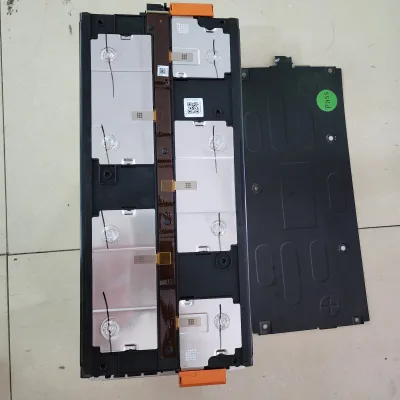


ISO 14001 Certified Long Service Life Modular Design LiFePO4 Lithium Battery Module
$180.00 - $320.00
MOQ: 10 Pieces


147.16V 155ah 22.5kwh LFP Battery Module Liquid Cooled Sub-Module for Ess
$453.00 - $1839.00
MOQ: 100 Pieces


High Density 52.25kwh Lithium Ess Module 1p52s Liquid Cooling Battery for Solar Grid
$453.00 - $1839.00
MOQ: 100 Pieces
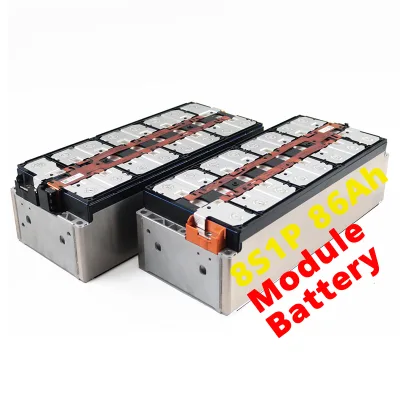


12V100ah Lithium Battery High Quality Battery Module for Emergency Power Supply
$199.00 - $599.00
MOQ: 1 Pieces
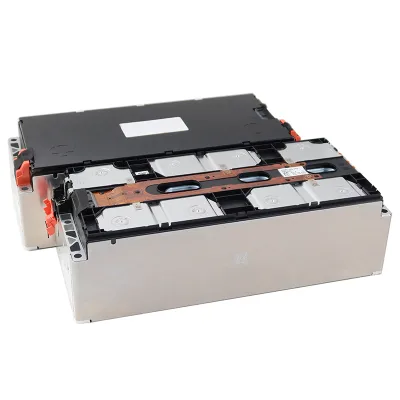

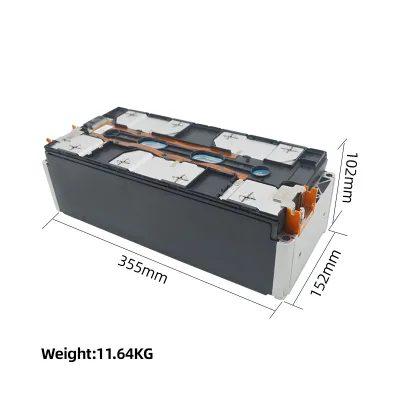


Comprehensive Sourcing Guide
Strategic Sourcing Guide for 1P13S LiFePO4 Battery Modules
The global transition toward sustainable energy storage has elevated the demand for Lithium Iron Phosphate (LiFePO4) battery modules, particularly in configurations like the 1P13S architecture. This specific topology, comprising one parallel string of thirteen series-connected cells, offers a nominal voltage of approximately 41.6V to 42.6V, making it a versatile solution for medium-voltage applications. For procurement professionals, navigating the market for these modules requires a disciplined approach that distinguishes between generic observations and verified product attributes. This guide synthesizes available market data and technical requirements to provide a robust framework for sourcing high-quality 1P13S LiFePO4 battery modules.
Technical Architecture and Core Specifications
Understanding the fundamental architecture of a 1P13S module is the first step in defining procurement requirements. The "1P" designation indicates that the cells are connected in parallel within a single branch, while "13S" denotes that thirteen of these branches are connected in series to achieve the target voltage. In the observed market, specific model numbers such as "32140" and "1s21p" suggest variations in cell chemistry and configuration, but the 1P13S form factor specifically targets applications requiring a stable, higher voltage output without the complexity of multi-parallel high-current paths.
The cathode material is a critical differentiator. Market observations confirm that LiFePO4 (LFP) is the dominant chemistry for these modules, offering superior thermal stability and safety compared to other lithium-ion variants. The standard cell size often associated with these modules is the 32140 format, which provides a balance between energy density and physical footprint. Procurement teams must verify the specific capacity, as observed listings range from 15Ah to 315Ah depending on the cell grade and internal configuration. For instance, a 1P13S configuration with 15Ah cells yields a total capacity of 15Ah at the module level, whereas larger capacity cells would proportionally increase the energy storage.
Voltage characteristics are equally vital. While the nominal voltage for a 13S LiFePO4 stack is typically around 41.6V, observed product data indicates specific module voltages such as 14.8V or 48V, suggesting that the "1P13S" label may be used in conjunction with various BMS (Battery Management System) configurations or that the market includes modules with different series counts that buyers must carefully distinguish. Buyers should explicitly request the open-circuit voltage (OCV) and the nominal voltage per cell to ensure the module aligns with their system design. Furthermore, the discharge rate is observed to be "Medium," which implies suitability for applications that do not require high continuous current bursts but need reliable, sustained power delivery.
Compliance, Certification, and Safety Standards
In the B2B procurement of battery modules, regulatory compliance is non-negotiable. The safety and transportability of LiFePO4 batteries are governed by a suite of international standards. Verified market data highlights that reputable suppliers provide modules with CE, MSDS (Material Safety Data Sheet), and UN38.3 certifications. The UN38.3 certification is particularly critical as it validates that the battery has passed a series of rigorous tests simulating transportation conditions, including altitude simulation, thermal cycling, and vibration.
The CE marking indicates conformity with health, safety, and environmental protection standards for products sold within the European Economic Area. However, buyers must verify that the certification documents are current and issued by accredited bodies, as the presence of a logo does not guarantee compliance without supporting documentation. Additionally, the MSDS is essential for logistics planning, detailing the chemical composition and emergency response procedures in case of an incident.
While some background knowledge references standards like IEC 62133-2, buyers should not assume a specific product meets this standard unless explicitly stated in the supplier's documentation. Instead, procurement teams should request a test report that explicitly references the relevant safety standards for the specific application. For industrial applications, such as electric forklifts or remote control vehicles, additional local regulations may apply. The observed product data mentions "1000VDC 60s 500mΩ" for insulation performance, a specific metric that buyers should verify against their system's safety requirements to ensure adequate electrical isolation.
Cost Drivers and Pricing Dynamics
The pricing of 1P13S LiFePO4 modules is influenced by a complex interplay of factors, including raw material costs, manufacturing complexity, and customization levels. The observed price range in the market is vast, spanning from $5 to $400,000. This extreme variance is not indicative of a single product type but rather reflects the difference between small, low-capacity cells and large, custom-engineered battery packs with integrated BMS and enclosures.
For a standard 1P13S module, the primary cost drivers are the quality of the LFP cells, the capacity (Ah), and the inclusion of ancillary components. Higher capacity cells, such as those in the 315Ah range, command a premium over lower capacity options like 15Ah. Furthermore, the integration of a Battery Management System (BMS) significantly impacts the final price. Modules with advanced BMS features, such as active balancing, communication protocols (CAN, RS485), and thermal monitoring, will be more expensive than basic passive modules.
Customization is another major cost factor. The market data confirms that ODM (Original Design Manufacturer) and OEM (Original Equipment Manufacturer) services are acceptable and widely available. Buyers seeking custom dimensions, specific casing materials, or tailored BMS logic should anticipate higher unit costs and potentially higher Minimum Order Quantities (MOQ). The observed MOQ range of 1 to 1000 units suggests that while sample orders are feasible, bulk pricing tiers are likely available for larger volumes. Buyers must request detailed cost breakdowns to understand the proportion of the price attributed to cells versus assembly and engineering.
Typical Applications and Usage Scenarios
The versatility of the 1P13S LiFePO4 module makes it suitable for a diverse range of applications. Observed usage data points to several key sectors, including remote control vehicles, electric forklifts, and general power storage systems.
In the realm of remote control (RC) vehicles, the 1P13S configuration provides a high-voltage, stable power source for electric cars, planes, and boats. The "Medium Discharge Rate" and "Small" to "Medium" size specifications observed in the market align well with the power requirements of high-performance RC models that need sustained energy without excessive weight. The ability to customize the color and packing (e.g., carton or custom cases) allows these modules to be integrated seamlessly into hobbyist and professional RC projects.
For industrial applications, the data highlights usage in electric forklifts. In this context, the 1P13S module likely serves as a replacement for lead-acid batteries, offering a lighter weight, longer cycle life, and faster charging capabilities. The observed cycle life of "Above 6000 times" for certain models is a significant advantage for forklift operations, where frequent charging cycles are the norm. However, buyers must verify if the specific 1P13S module meets the high-current demands of heavy-duty lifting, as some observed modules are rated for "Medium" discharge rates.
Additionally, the "Integration: Small, Lightweight" attribute suggests suitability for portable power stations or backup power systems where space and weight are critical constraints. The operating temperature range of charging at 045°C and discharging at -2060°C indicates robust performance in varying environmental conditions, making these modules viable for outdoor or semi-outdoor applications.
Supplier Evaluation and Sourcing Strategy
Selecting the right supplier is paramount to ensuring product reliability and long-term support. Buyers should prioritize suppliers who demonstrate transparency in their manufacturing processes and offer comprehensive documentation. The observed data indicates that many suppliers are located in Guangdong, China, a major hub for battery manufacturing. While this location offers access to a robust supply chain, buyers must conduct due diligence to verify the supplier's actual production capabilities.
Key evaluation criteria include the supplier's willingness to provide samples, including 3D printing samples for custom designs. The availability of "3D Printing Samples" suggests a supplier capable of rapid prototyping, which is invaluable for validating the fit and function of a battery module before full-scale production. Furthermore, buyers should assess the supplier's response to customization requests. The acceptance of ODM/OEM services indicates flexibility, but the buyer must clarify the lead times and costs associated with custom engineering.
Certification verification is another critical step. Buyers should request copies of CE, MSDS, and UN38.3 certificates and verify their authenticity with the issuing bodies. It is also advisable to ask for third-party test reports that confirm the claimed cycle life and performance metrics. Suppliers who are hesitant to provide this documentation or who make vague claims about compliance should be treated with caution.
Quality Control and Long-Term Procurement Considerations
Quality control (QC) is the backbone of a successful battery procurement strategy. Buyers must establish clear QC protocols that cover incoming inspection, in-process testing, and final acceptance. Given the observed "Good Line Sealing" and "Reliability" attributes, suppliers should be required to provide data on their sealing processes and quality assurance tests.
Long-term procurement considerations extend beyond the initial purchase. The cycle life of the battery, observed to be above 6000 times for some models, is a key metric for total cost of ownership. However, buyers must ensure that the cycle life claim is based on standard testing conditions (e.g., specific depth of discharge and temperature). Real-world performance may vary, and suppliers should provide degradation curves or warranty terms that reflect actual usage scenarios.
The "Chargeable" and "Rechargeable" attributes confirm the module's suitability for repeated use, but buyers should also inquire about the recommended charging protocols. The observed operating temperature limits suggest that thermal management is crucial for maintaining battery health. Suppliers should provide guidelines on charging currents and voltages to prevent overcharging or overheating.
Finally, the supply chain stability is a critical factor. With an observed MOQ range of 1 to 1000, buyers should assess the supplier's ability to scale production as demand grows. Lead times and production capacity should be clearly defined in the contract to avoid disruptions. The "Carton" packing observed in the market is standard, but for industrial applications, custom packaging or protective casing may be necessary to prevent damage during transit and storage.
Conclusion
Sourcing a 1P13S LiFePO4 Battery Module requires a meticulous approach that balances technical specifications, regulatory compliance, and supplier reliability. By leveraging the observed market data on certifications, cycle life, and customization options, buyers can make informed decisions that align with their specific application needs. Whether for remote control vehicles, electric forklifts, or other power systems, the 1P13S configuration offers a robust and versatile solution. However, success depends on rigorous supplier evaluation, clear communication of requirements, and a commitment to quality control throughout the procurement lifecycle. Buyers must remain vigilant in verifying claims and ensuring that the selected module meets all safety and performance standards before committing to a purchase.
FAQs
What certifications do 1p13s lifepo4 battery modules have?
Verified modules carry CE, MSDS, and UN38.3 certifications. These documents confirm compliance with safety standards and validate that the battery has passed rigorous transportation tests for altitude, thermal cycling, and vibration.
Can I request customization for battery module specifications?
Yes, ODM and OEM services are acceptable for most suppliers. Buyers can request custom dimensions, specific casing materials, and tailored BMS logic, though this may increase unit costs and minimum order quantities.
What is the typical cycle life for these battery modules?
Some models offer a cycle life above 6000 times. This high durability is particularly advantageous for industrial applications like electric forklifts where frequent charging cycles are the norm, though real-world performance depends on usage conditions.
Which cathode material is used in these battery modules?
The dominant cathode material is Lithium Iron Phosphate (LFP). This chemistry provides superior thermal stability and safety compared to other lithium-ion variants, making it ideal for medium-voltage applications.
How do I verify the voltage of a 1p13s module?
Buyers should explicitly request the open-circuit voltage and nominal voltage per cell. While a 13S stack typically targets around 41.6V, observed listings show variations like 14.8V or 48V depending on specific BMS configurations.
What is the discharge rate for these battery modules?
The observed discharge rate is classified as medium. This implies suitability for applications requiring reliable, sustained power delivery without the need for high continuous current bursts typical of heavy-duty industrial machinery.
Can suppliers provide samples for custom designs?
Yes, suppliers support 3D printing samples for custom designs. This capability allows for rapid prototyping to validate the fit and function of a battery module before committing to full-scale production runs.