Source 1x12s MTB Bike Groupset for racing, commuting, and trails
Compare 30 listings for the 1x12s MTB Bike Groupset to find compatible front and rear derailleurs, shifters, and cassettes. Review specifications like gear counts and materials to match your mountain bike needs.
Key considerations
Products List


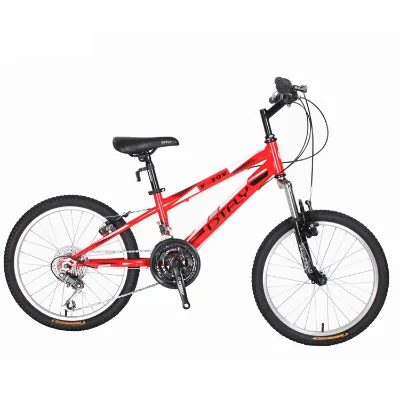
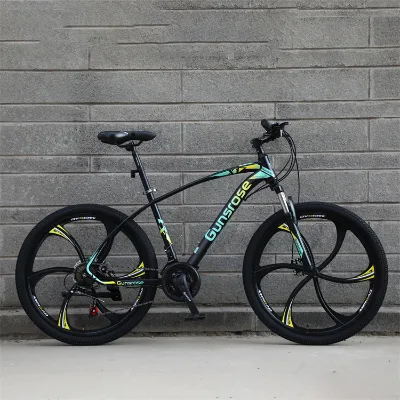
Mr Hot Sale MTB One by Mountain Bike with Kit MTB Bicycles for Adults Mountain
$35.00 - $100.00
MOQ: 50 Pieces




$44.00 - $46.00
MOQ: 300 Pieces

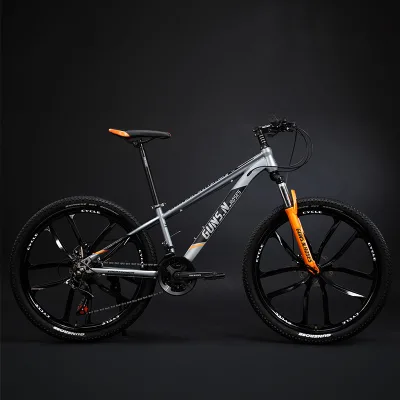
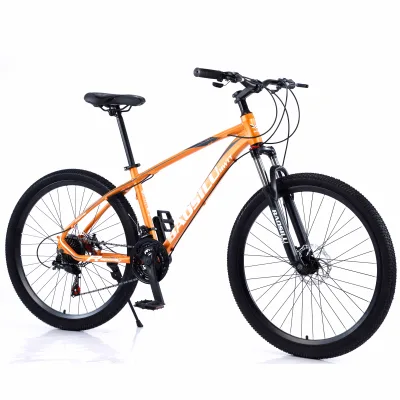
OEM Chinese Gt Mountain Bike Frame Mountain Bike Small Bike Groupset Mtb for Men
$33.55 - $38.50
MOQ: 2 pieces




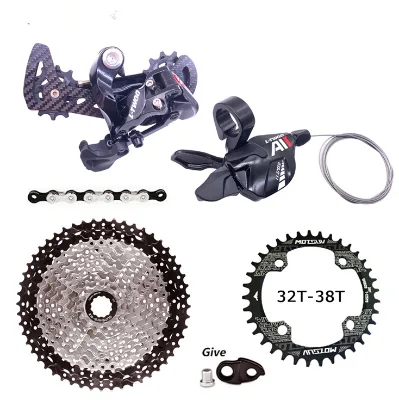
High-Performance Mountain Bike Groupset with Shifter and Rear Derailleur
$0.81 - $1.65
MOQ: 500 Pieces


Comprehensive Sourcing Guide
Strategic Sourcing Guide for 1x12s MTB Bike Groupsets
The global demand for mountain bike components has shifted significantly toward simplified drivetrain architectures, with the 1x12s (one-by-twelve speed) configuration emerging as the dominant standard for modern trail and cross-country riding. For procurement professionals, sourcing a 1x12s MTB Bike Groupset requires a nuanced understanding of mechanical compatibility, material science, and supply chain reliability. Unlike traditional multi-chainring setups, the 1x12s system eliminates the front derailleur, reducing weight and mechanical complexity while expanding the rear cassette range to accommodate steep climbs and high-speed descents. This guide outlines the critical factors for evaluating suppliers and products in this category, ensuring that procurement decisions are grounded in verifiable technical data and industry standards rather than marketing assertions.
Technical Architecture and Component Compatibility
The core of a 1x12s groupset lies in the synchronization between the rear derailleur, the cassette, the chain, and the shift lever. When evaluating a product, buyers must verify that the rear derailleur is specifically engineered for a 12-speed cog cluster. The tooth spacing on a 12-speed cassette is narrower than that of 11-speed or 10-speed systems, requiring precise actuation ratios from the shifter. In the current market, a common observation for such components is a weight range between 220g and 300g for individual parts like the rear derailleur, though the total system weight will vary based on the inclusion of the crankset and cassette.
Material selection is paramount for performance and durability. High-end groupsets frequently utilize aluminum alloy for the main body of the derailleur and crank arms to balance strength with weight reduction. Some suppliers may specify "Alloy" as the primary material, which generally refers to aluminum alloys designed for high tensile strength. The chain must be compatible with the specific tooth profile of the cassette to prevent skipping under load. Furthermore, the shift lever must offer a distinct tactile feel to ensure accurate gear changes in muddy or wet conditions. Buyers should look for specifications indicating compatibility with major industry standards, such as Shimano-compatible actuation ratios, which are prevalent in the market. The presence of a "Single package size" of approximately 50x20x20 cm for individual components suggests a compact packaging strategy, which is beneficial for logistics but requires verification of the actual dimensions of the complete kit.
Compliance, Certification, and Manufacturing Standards
In the B2B procurement of bicycle components, compliance is not merely a regulatory checkbox but a critical indicator of manufacturing maturity. Suppliers operating in major manufacturing hubs, such as Xingtai City in Hebei Province, China, often adhere to international quality management systems. A key standard to verify is ISO9001, which certifies that the supplier has a documented quality management system in place. Additionally, third-party certifications like SGS (Société Générale de Surveillance) provide an independent assessment of product safety and quality.
When reviewing supplier documentation, buyers should confirm if the product meets specific industry standards for dimensions and materials. For instance, while some products in the broader bicycle market may list frame standards like 1472480cm, groupset components have their own precise tolerances. The material standard "Aluminum Alloy" is common, but the specific alloy grade (e.g., 6061 or 7075) is often not listed in general product descriptions and must be requested. Similarly, while some listings mention "ISO9001 SGS," this should be treated as a claim that requires validation through a current certificate of compliance. Buyers must also ensure that the product origin is clearly stated, as regions like Xingtai Hebei are known for high-volume bicycle component production. Verifying the "prod_origin" field on supplier profiles helps in assessing the supply chain's geographic stability and potential logistics costs.
Cost Drivers and Pricing Dynamics
The pricing of a 1x12s MTB groupset is influenced by several variables, including material costs, manufacturing complexity, and brand positioning. The observed price range in the market can be extensive, spanning from $0.68 to $700 USD, though this wide range likely includes individual small parts, accessories, and complete high-end systems. For a full 1x12s groupset, the cost is driven primarily by the precision engineering required for the derailleur and cassette. Components made from high-grade aluminum alloys or carbon fiber will command a premium.
Minimum Order Quantity (MOQ) is another significant cost driver. The observed MOQ range in the market is 1 to 1000 units. For small retailers or testing batches, suppliers offering an MOQ of 1 are valuable, allowing for product validation without significant capital commitment. However, for large-scale procurement, negotiating an MOQ closer to 1000 units can significantly reduce the unit price. Buyers should also consider the "Selling Units" structure; many suppliers sell these components as single items, which simplifies inventory management but may increase per-unit shipping costs compared to bulk palletized shipments. The "Single gross weight" of 1.000 kg for a single package is a critical data point for calculating freight costs, as shipping weight often dictates the final landed cost more than the product price itself.
Typical Applications and Performance Requirements
The 1x12s configuration is specifically designed for mountain biking disciplines that demand a wide gear range and robust performance. The primary application is for trail, enduro, and cross-country mountain bikes. The system's ability to provide a low gear for steep ascents and a high gear for descents makes it ideal for varied terrain. In terms of application, the groupset is typically used for the "Bike Bicycle Front/Rear Derailleur" function, though in a 1x setup, the front derailleur is removed entirely.
The performance requirements for these components are stringent. The derailleur must maintain chain tension across a wide range of cassette sizes, often up to 50 or 52 teeth. The shift lever must be durable enough to withstand impacts from rocks and debris. Buyers should verify that the product is labeled for "High-quality" application, which implies a focus on reliability and longevity. The "Type" of the component, such as "Rear Derailleur," must match the specific needs of the bike frame. For example, a "Frame" specification of "26inch, Aluminum Alloy MTB Frame" indicates compatibility with traditional mountain bike geometries, while newer models may support 29-inch wheels. The "Tire" specification of "26*1.125" or similar sizes suggests the intended wheel diameter, which must align with the drivetrain's gear ratio calculations.
Supplier Evaluation and Quality Control Protocols
Evaluating a supplier for 1x12s groupsets requires a multi-faceted approach that goes beyond price comparisons. The first step is to verify the supplier's location and production capacity. A supplier located in "Xingtai City, Hebei Province, China" is likely part of a well-established manufacturing cluster, but buyers must distinguish between trading companies and actual manufacturers. Direct manufacturers often offer better control over quality and lead times.
Quality control protocols should be a central part of the supplier evaluation. Buyers should request evidence of the "Quality" attribute, such as "High-quality" or specific testing results. While specific test data is not always publicly listed, buyers should ask for sample reports that verify the "Material" composition and "Weight" consistency. The "Packing" method, often listed as "Carton" or "1PC/CTN," is also an indicator of care; proper packaging prevents damage during transit. For a product like a derailleur, which is a precision mechanical part, the "Single package size" of 50x20x20 cm should be checked to ensure it protects the delicate internal mechanisms.
Furthermore, the "Customization" availability is a crucial factor for B2B buyers. Many suppliers offer "Customization" services, allowing for branding, color changes, or specific gear ratio configurations. This flexibility can be a significant competitive advantage for buyers looking to differentiate their product offerings. However, customization often comes with higher MOQs and longer lead times, which must be factored into the procurement timeline.
Long-Term Procurement and Supply Chain Resilience
Sourcing a 1x12s MTB groupset is not a one-time transaction but a long-term partnership that requires careful planning. Buyers must consider the lifecycle of the product and the availability of spare parts. The "Model Number," such as "AT 1X11" or "HC-MTB-241," serves as a unique identifier for the product line. Consistency in model numbers is essential for ensuring that replacement parts are compatible over time.
Lead times and production capacity are critical for maintaining inventory levels. While specific lead times are not provided in the general data, the "MOQ" range of 1-1000 suggests that suppliers can accommodate both small and large orders. Buyers should establish a clear communication channel with the supplier to monitor production schedules and potential disruptions. The "prod_packing" standard of "1PCS/CTN" or "1PC/CTN" indicates a standardized packing method, which simplifies the receiving process and reduces the risk of damage.
Finally, buyers should maintain a focus on the "Brand Name" and "Brand" associated with the product. While some products may be sold under generic names, established brands like "LTWOO" or "Fly" often indicate a higher level of quality assurance and after-sales support. However, buyers should not rely solely on brand reputation; they must verify the technical specifications and compliance documents for each specific order. By combining technical due diligence with strategic supplier evaluation, procurement professionals can secure a reliable supply of 1x12s MTB groupsets that meet the rigorous demands of the modern mountain biking market.
Comparative Analysis of Key Specifications
To assist in the decision-making process, the following table summarizes the key technical and logistical attributes observed in the market for 1x12s and related MTB components. This comparison highlights the variability in specifications and the importance of verifying details before purchase.
| Attribute | Observed Specification | Verification Requirement |
|---|---|---|
| Speed Configuration | 12 Speed, 21 Speed, 24 Speed, 20 Speed | Confirm exact gear count matches 1x12s requirement. |
| Material | Alloy, Aluminum Alloy | Request specific alloy grade (e.g., 6061, 7075). |
| Weight Range | 220g-300g (per part) | Verify total system weight for the complete kit. |
| Origin | China, Xingtai Hebei, Xingtai City | Confirm factory location and export capabilities. |
| Packaging | Carton, 1PC/CTN, 1PCS/Cnt | Check for protective inner packaging for precision parts. |
| Certification | ISO9001, SGS | Request valid, current certificates for the specific batch. |
| Wheel Compatibility | 26", 28", 26 Inches | Ensure cassette and derailleur match the bike's wheel size. |
| Branding | Fly, LTWOO, Generic | Verify brand reputation and warranty terms. |
This table underscores the diversity in the market. While the core keyword is "1x12s," many products listed may have different speed configurations or wheel sizes. Buyers must meticulously cross-reference the "prod_model" and "Gear" specifications to ensure they are sourcing the correct component for their specific application. The "Standard" field, which may list dimensions like "1472480cm" or material types like "Aluminum Alloy," provides a baseline but should not be the sole criterion for selection.
In conclusion, sourcing a 1x12s MTB Bike Groupset requires a balance of technical precision and strategic supply chain management. By focusing on verified specifications, compliance standards, and supplier reliability, buyers can navigate the complex market landscape and secure high-quality components that meet the demands of modern mountain biking. The data provided serves as a foundation for due diligence, but the ultimate success of the procurement depends on rigorous verification and clear communication with suppliers.
FAQs
What gear configurations are available for 1x12s mtb bike groupsets?
The available configurations include 12 Speed, 21 Speed, 24 Speed, and 20 Speed options. Buyers must verify the specific gear count matches their 1x12s requirement as models vary by manufacturer specifications.
Which materials are commonly used for 1x12s MTB Bike Groupset components?
Components are typically constructed from Alloy or Aluminum Alloy to balance strength and weight. Specific alloy grades like 6061 or 7075 are often not listed and must be requested from the supplier for verification.
Can I find 1x12s mtb bike groupsets with ISO9001 and SGS certification?
Yes, some products list ISO9001 and SGS standards as part of their quality assurance. Buyers should request valid, current certificates for the specific batch to ensure compliance with international quality management systems.
How does the packaging affect shipping for 1x12s mtb bike groupsets?
Products are often packed in Carton boxes with a single gross weight of 1.000 kg per unit. The single package size is typically around 50x20x20 cm, which requires verification to ensure adequate protection for precision parts.
What is the typical weight range for a 1x12s MTB Bike Groupset part?
Individual parts like rear derailleurs usually weigh between 220g and 300g. The total system weight varies based on the inclusion of the crankset and cassette, so buyers should verify the complete kit weight.
Which supplier locations are common for 1x12s MTB Bike Groupset manufacturing?
Major manufacturing hubs are located in Xingtai City, Hebei Province, China. Buyers should confirm the factory location to assess supply chain stability and potential logistics costs associated with the origin.