Source 200 gsm bazin riche fabric for Wedding, Dress, and Garment
Compare 30 listings of 200 gsm bazin riche fabric suitable for wedding attire, dresses, and garments. Buyers can evaluate specifications like width, material, and pricing to find the right textile supplier for their needs.
Key considerations
Products List
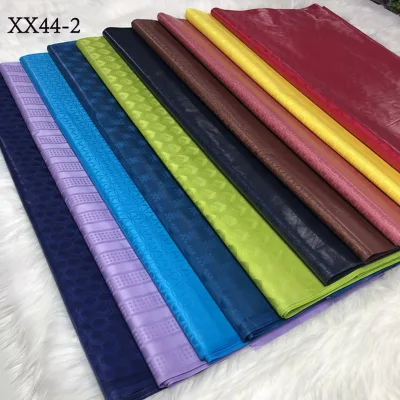
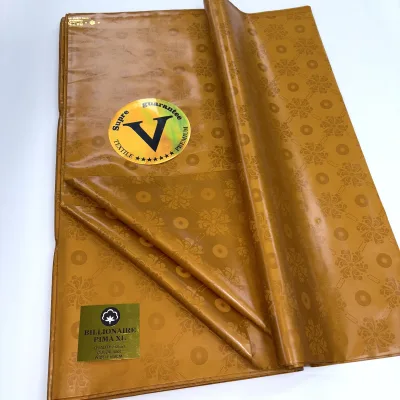
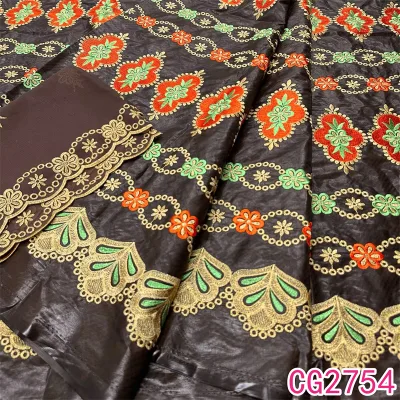
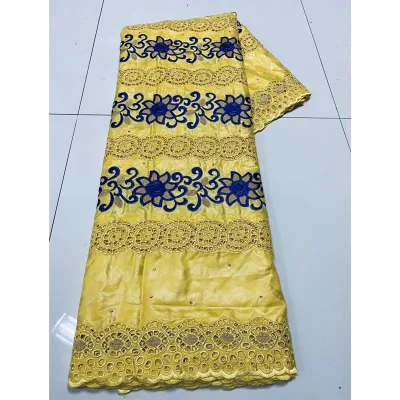
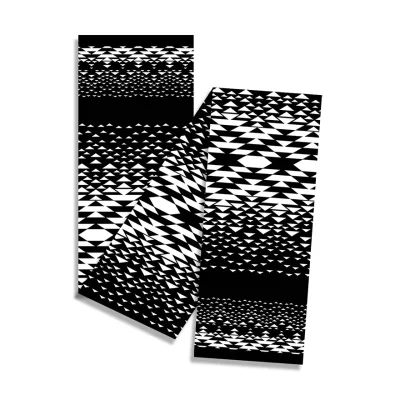
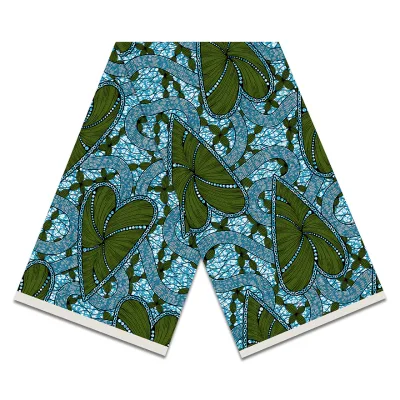

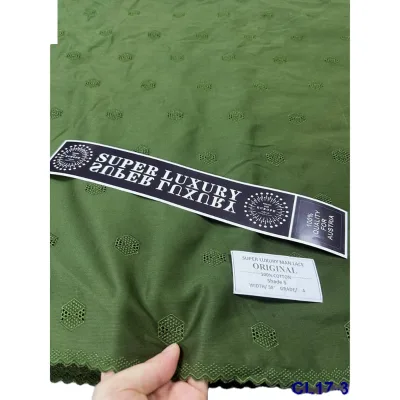
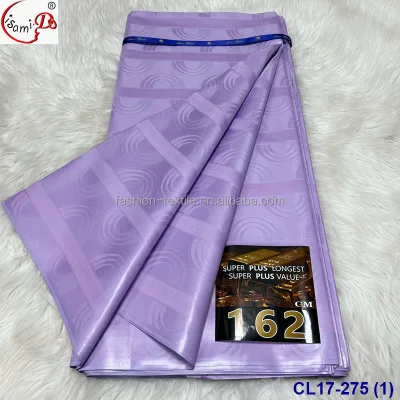
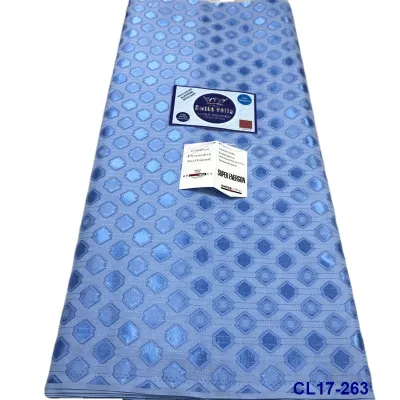
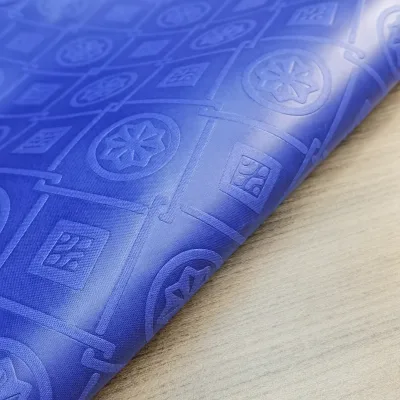
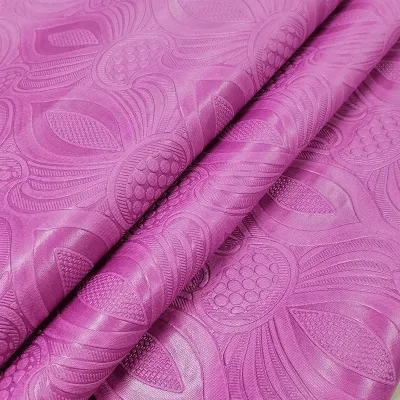
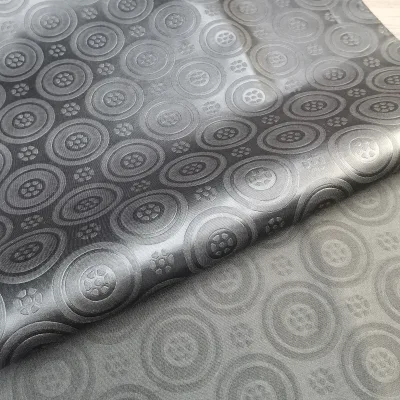


Comprehensive Sourcing Guide
Strategic Sourcing Guide for 200 GSM Bazin Riche Fabric
The global textile market offers a diverse array of woven fabrics, yet few command the same cultural significance and structural integrity as African bazin riche. For procurement professionals seeking a material defined by its high thread count, distinctive sheen, and suitability for formal wear, understanding the specific technical parameters of 200 GSM bazin riche is essential. This guide synthesizes observed product attributes and industry standards to provide a disciplined framework for sourcing this premium textile. Buyers must navigate a landscape where "bazin riche" often denotes a specific type of high-quality cotton, frequently characterized by a 60S×60S yarn count and a woven structure that supports intricate embroidery and printing.
Technical Specifications and Material Composition
When evaluating 200 GSM bazin riche fabric, the primary focus must be on the material composition and yarn construction. The core product data indicates that authentic bazin riche is typically composed of 100% cotton. This natural fiber content is critical for breathability and the fabric's ability to hold dye and embroidery threads effectively. The yarn count is a defining metric for quality; observed specifications frequently cite a 60S×60S count, which signifies a fine, combed yarn type. This high count contributes to the fabric's smooth surface and durability, distinguishing it from lower-grade cottons.
The weight of the fabric is another pivotal specification. While the target keyword specifies 200 GSM, observed listings for similar high-end cottons often report weights in the range of 56/58 GSM or 56/58 grams per square meter, suggesting that "200 GSM" in a procurement context may refer to a specific heavy-duty variant or a bulk weight calculation that differs from standard GSM labeling. Buyers must verify the actual grammage against the supplier's test reports, as the term "Medium Weight" is also frequently associated with this category. The fabric width varies significantly in the market; while standard widths are often observed at 55/56 inches (approximately 140 cm), specialized variants can reach 135 cm or even 160 cm. This variation impacts pattern matching and cutting efficiency, particularly for large garments like wedding dresses or traditional African attire.
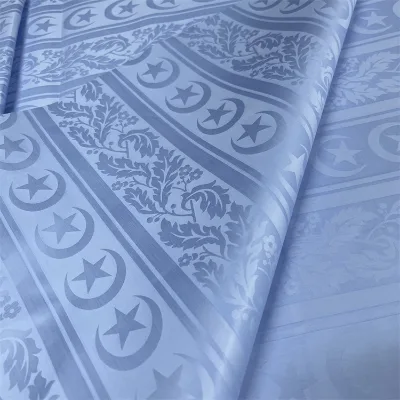
The production technique is almost exclusively woven, utilizing a Jacquard style or plain weave to achieve the desired texture. The density of the fabric, often noted around 100 threads per inch, ensures a tight structure that resists tearing. Furthermore, the fabric is available in various finishes, including anti-static properties and eco-friendly treatments, which are increasingly important for modern supply chains. The "rich bazin" designation often implies a specific sheen achieved through mercerization or specific weaving tensions, which should be visually confirmed during the sampling phase.
Compliance, Certification, and Safety Standards
In the B2B procurement of textile materials, compliance is not merely a formality but a risk mitigation strategy. While the provided product data highlights features such as "Eco-Friendly" and "Anti-static," these are observations that require verification rather than guaranteed certifications. Buyers should not assume that a product labeled as eco-friendly meets specific international standards such as GOTS (Global Organic Textile Standard) or OEKO-TEX® without explicit documentation. The absence of specific certification names in the general product descriptions necessitates a proactive approach to supplier vetting.
Procurement teams must request proof of compliance for chemical restrictions, particularly regarding azo dyes and heavy metals, which are common concerns in textile manufacturing. The "Place of Origin" is frequently listed as China or Guangdong, China. While these regions have robust manufacturing capabilities, the regulatory environment varies. Buyers should verify that the supplier adheres to the safety standards of the destination market, whether that is the European Union's REACH regulations or the United States' CPSIA.
Additionally, the "Supply Type" is often listed as "In-Stock Items" or "In-stock," which suggests immediate availability but does not guarantee consistent quality control across batches. For large orders, it is crucial to establish that the supplier maintains a consistent quality management system (QMS). The "Advantage" of favorable price and high quality is a common marketing claim; however, in a compliance context, this must be substantiated by third-party audit reports or factory certifications. Buyers should specifically inquire about the supplier's adherence to labor standards and environmental management systems (ISO 14001) to ensure the supply chain is free from ethical risks.
Cost Drivers and Pricing Dynamics
The pricing of 200 GSM bazin riche fabric is influenced by a complex interplay of material costs, production complexity, and order volume. The observed price range in the market spans from $0.30 to $43.34 USD per unit, a variance that reflects differences in yarn quality, finishing processes, and order quantities. The "Selling Units" are often defined as multiples of 5, and the "MOQ" (Minimum Order Quantity) can range from 5 meters to 23,400 units, depending on the supplier's capacity and the specific product line.
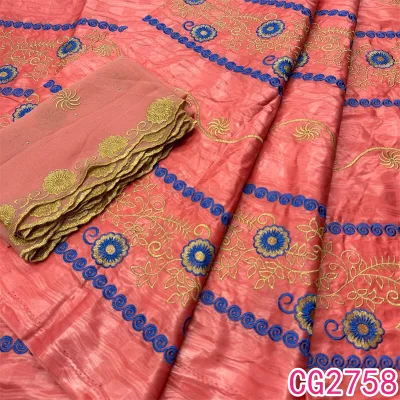
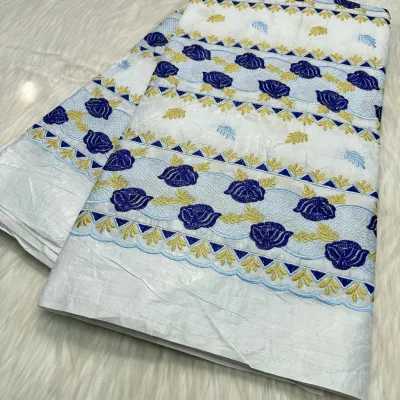
High thread counts, such as the 60S×60S combed yarn, inherently increase production costs due to the finer raw materials and more precise weaving requirements. The "Style" of the fabric, whether it is a simple printed design or a complex "bazin riche embroidery," significantly impacts the final price. Embroidered variants require additional labor and time, justifying a higher price point compared to plain woven or printed versions. The "Pattern" is frequently observed as "Printed" or featuring "Flower pattern" designs, which may involve additional dyeing steps or screen printing costs.
Lead times and logistics also play a role in the total cost of ownership. The "Delivery time" is typically cited as 7-15 working days, with sample orders sometimes taking 7 days, though some suppliers do not support sample orders. The "Package size per batch" varies, with dimensions ranging from 30x20x5 cm to 42x37x11 cm, affecting shipping costs. Buyers should calculate the total landed cost, including freight and duties, rather than focusing solely on the unit price. The "Gross weight per batch" ranges from 1.800 kg to 3.0 kg, which is a critical factor for freight calculations. Understanding these variables allows buyers to negotiate more effectively and avoid hidden costs that can erode profit margins.
Typical Applications and Design Versatility
The versatility of 200 GSM bazin riche fabric makes it a preferred choice for a wide range of applications, particularly in the fashion and home textile sectors. The "Use" cases listed include Bag, Bedding, Dress, Jean, Garment, Shirt, Sofa, Suit, Wedding, and various accessories like Purses & Totes and Skirts. The fabric's "Applicable to the Crowd" spans Women, Men, Girls, and Boys, indicating its broad market appeal.
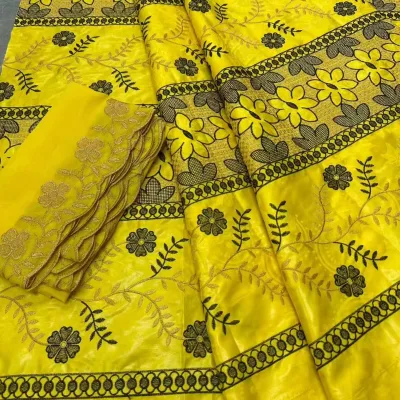
In the fashion industry, the fabric is extensively used for wedding attire and formal wear due to its luxurious drape and ability to hold embroidery. The "Style" of "bazin riche embroidery" is particularly popular for creating traditional African wedding outfits, where the fabric's sheen and texture are highlighted. The "Color" options, ranging from Dark Blue, Navy, Purple, and Sky Blue to specific product codes like Q615-1 through Q615-11, offer designers a wide palette for creative expression. The "Fabric Type" is sometimes categorized as Voile or Mesh Fabric, though the primary identity remains that of a high-quality cotton weave.
Beyond apparel, the fabric's durability and aesthetic appeal make it suitable for home textiles. The "Decoration" aspect allows for use in sofa covers and bedding, where the "Printed" patterns add visual interest. The "Feature" of being anti-static is particularly beneficial for garments worn in dry climates or for specific industrial applications. The "Type" of the fabric, described as "textile, african bazin fabric," underscores its cultural relevance and suitability for traditional garments that require a specific level of stiffness and body.
Supplier Evaluation and Quality Control
Selecting the right supplier is the most critical step in the procurement process. Buyers should evaluate suppliers based on their ability to meet the specific technical requirements of 200 GSM bazin riche. The "Model Number" (e.g., XX44, Q615, CG2754) serves as a unique identifier for specific product lines, and buyers should ensure that the supplier can consistently reproduce these models. The "Brand Name" (e.g., TMC) may indicate a specific manufacturer, but buyers should verify the brand's reputation and history in the market.
Quality control measures must be rigorous. Given the variation in "Package size per batch" and "Gross weight," buyers should implement a sampling protocol to verify dimensions and weight consistency. The "Technics" of weaving and the "Density" of 100 threads per inch should be verified through microscopic inspection or tensile testing. The "Color" consistency is also vital, especially for large orders where batch-to-batch variation can be noticeable. Buyers should request color fastness test results to ensure the fabric does not bleed or fade under washing or sunlight exposure.
Furthermore, the "Payment" terms, which include Western Union, Money Gram, VISA, Mastercard, T/T, Paypal, and L/C, should be evaluated for security and convenience. For large transactions, L/C (Letter of Credit) offers the highest level of protection for the buyer. The "Delivery time" of 7-15 working days should be factored into the production schedule, and buyers should establish clear penalties for delays. The "Supply Type" being "In-Stock" is advantageous for urgent orders, but buyers must ensure that the stock is not compromised by poor storage conditions that could affect the fabric's quality.
Long-Term Procurement Considerations
Sourcing 200 GSM bazin riche fabric is not a one-time transaction but a strategic partnership that requires long-term planning. The "Advantage" of favorable price and high quality should be balanced against the need for supply chain resilience. Buyers should consider the "Place of Origin" and the geopolitical stability of the region to mitigate risks of disruption. The "Lead time" for sample orders and bulk production should be standardized to ensure predictability in the supply chain.
Sustainability is another long-term consideration. The "Feature" of being Eco-Friendly is a growing demand in the market, and buyers should prioritize suppliers who can demonstrate a commitment to sustainable practices. This includes the use of organic cotton, water-efficient dyeing processes, and waste reduction strategies. The "Yarn Type" of combed cotton is generally more sustainable than raw cotton, but buyers should verify the entire lifecycle of the product.
Finally, buyers should establish a feedback loop with suppliers to continuously improve the product quality. Regular audits, performance reviews, and collaborative innovation can lead to better products and more efficient processes. By focusing on these long-term factors, buyers can build a robust supply chain that delivers high-quality 200 GSM bazin riche fabric consistently, meeting the demands of the global market while maintaining ethical and environmental standards.
Comparative Analysis of Fabric Attributes
To facilitate decision-making, the following table summarizes key attributes observed in the market for 200 GSM bazin riche fabric, highlighting the variations buyers may encounter.
| Attribute | Observation A | Observation B | Observation C |
|---|---|---|---|
| Material | 100% Cotton | 100% Cotton | 100% Cotton |
| Yarn Count | 60S×60S | Combed | Combed |
| Width | 55/56" | 135cm | 160cm |
| Weight | 56/58 | Medium Weight | 200 GSM (Target) |
| Technics | Woven | Woven | Woven |
| Style | Jacquard | Bazin Riche Embroidery | Printed |
| MOQ | 5 meters | 7 yards | 1-23400 units |
| Package Size | 30x20x5 cm | 40x35x6 cm | 42x37x11 cm |
| Gross Weight | 1.800 kg | 2.000 kg | 3.0 kg |
| Delivery Time | 7-15 working days | 7-15 working days | 7-15 working days |
| Place of Origin | China | Guangdong, China | China |
This comparison underscores the importance of verifying specific parameters before placing an order. While the core material remains consistent, the variations in width, weight, and packaging can significantly impact the final product and logistics. Buyers must align their specific project requirements with the supplier's capabilities to ensure a successful procurement outcome.
FAQs
What is the material composition of 200 gsm bazin riche fabric?
The fabric is composed of 100% cotton, ensuring breathability and durability. This natural fiber content supports intricate embroidery and printing while maintaining the structural integrity required for formal wear and traditional garments.
Which yarn count is standard for high-quality bazin riche?
High-quality bazin riche typically features a 60S×60S yarn count using combed yarn. This fine construction creates a smooth surface and high density, distinguishing it from lower-grade cottons and enhancing its suitability for wedding attire.
How wide is the standard 200 gsm bazin riche fabric roll?
Standard widths vary, often observed at 55/56 inches or 135 to 160 centimeters. Buyers must verify the specific width for their cutting needs, as variations impact pattern matching for large garments like wedding dresses.
Can I find 200 gsm bazin riche fabric with anti-static features?
Yes, some listings specify anti-static features alongside eco-friendly treatments. These properties are observed in specific product batches but require verification against supplier test reports to ensure they meet your specific safety standards.
What is the typical delivery time for 200 gsm bazin riche orders?
Delivery time is typically 7 to 15 working days for bulk orders. Sample orders may take 7 days, though some suppliers do not support sample requests, so confirm lead times before placing your order.
Which minimum order quantity applies to 200 gsm bazin riche fabric?
Minimum order quantities range from 5 meters to 23,400 units depending on the supplier. Many sellers require orders in multiples of 5, so check the specific MOQ and selling unit constraints before purchasing.