Source Flame Retardant Oxford Fabric for Bags, Curtains, and Tents
Compare 30 listings of Flame Retardant Oxford Fabric from verified Chinese suppliers. Buyers can evaluate specifications like weight, certifications, and MOQs for applications in bags, curtains, and tents. Options include various denier counts, custom colors, and features such as waterproofing and tear resistance to meet diverse industrial needs.
Key considerations
Products List


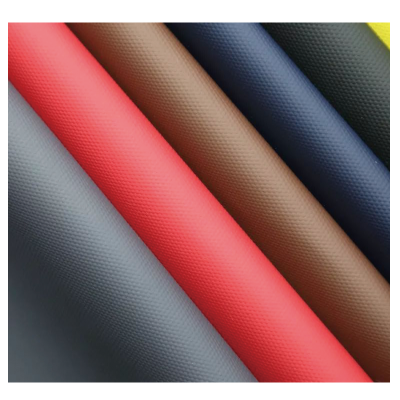
Flame Retardant 600d Oxford Fabric Waterproof Fireproof Tactical Camouflage Fabric
$2.03 - $2.85
MOQ: 100 Meters




Comprehensive Sourcing Guide
Flame Retardant Oxford Fabric Sourcing Guide
Sourcing Flame Retardant Oxford Fabric requires a disciplined approach to balancing performance, compliance, and commercial viability. Buyers must navigate a market where technical specifications vary significantly between suppliers, often influenced by the specific fiber construction and finishing processes applied. The core material is typically woven filament, offering high strength and durability, but the addition of flame retardant properties introduces complexity in verification. Procurement teams need to establish clear technical baselines before engaging with suppliers to ensure that the fabric meets the rigorous safety standards required for end-use applications.
This guide provides a structured framework for evaluating suppliers and products based on observed market signals and trusted industry knowledge. It focuses on critical verification steps, from confirming certification validity to understanding cost drivers and lead times. By adhering to these evidence-based procurement practices, buyers can mitigate risks associated with non-compliant materials and ensure consistent quality across large-volume orders. The following sections detail the essential parameters for successful sourcing, helping procurement professionals make informed decisions that align with both safety requirements and operational efficiency.
Product Scope and Observed Listing Signals
The observed market for Flame Retardant Oxford Fabric reveals a diverse range of product offerings, with prices typically ranging from $0.88 to $13 per unit. This wide variance reflects differences in denier count, weight, and specific functional treatments applied to the material. Listings indicate that minimum order quantities (MOQ) can start as low as 1 meter, though many suppliers prefer orders of 1000 meters or more, catering to both prototype development and large-scale production needs. Buyers should carefully review these commercial terms to align their purchasing volume with supplier capabilities and pricing tiers.
Product attributes observed in listings include customization options for color and specific functional enhancements such as waterproofing, tear resistance, and anti-static properties. Some products are described as having non-halogen characteristics, which is a critical differentiator for environmentally conscious procurement. The fabric is often available in various weights, ranging from 80 to 230 GSM, allowing for tailored solutions for different applications. Understanding these observed signals helps buyers narrow down their search to suppliers who can meet their specific technical and commercial requirements without unnecessary compromise.
Technical Specifications to Verify
Verifying the technical specifications of Flame Retardant Oxford Fabric is paramount to ensuring product performance and safety. Buyers should confirm the fiber type, which is often filament, and the knitting or weaving technique, such as warp knitting or standard weaving, as these impact the fabric's strength and durability. The denier count, observed in listings as 210D or 700D, is a key indicator of fabric thickness and robustness. Procurement teams must ensure that the specified denier aligns with the intended application, whether it be for heavy-duty tents, lightweight raincoats, or interior home textiles.
Additional technical parameters to verify include the fabric's weight in GSM, color fastness ratings, and specific functional treatments like shrink resistance or heat insulation. Listings may mention features such as hollow filament cross-sections or specific finishing processes like coating, which contribute to the fabric's overall performance. Buyers should request detailed technical data sheets that confirm these attributes, ensuring that the fabric meets the required standards for strength, flame retardancy, and longevity. Accurate verification of these specifications prevents costly mismatches between product capabilities and end-use requirements.
Compliance and Safety Documentation
Compliance with safety standards is non-negotiable when sourcing flame retardant fabrics, particularly for applications involving public safety or regulated industries. Buyers must verify that suppliers hold valid certifications such as NFPA 701 Method 2, OEKO-TEX 100, and EN 13501, which are commonly referenced in product listings. These certifications provide assurance that the fabric has undergone rigorous testing for flame spread, toxicity, and other safety metrics. Procurement teams should request copies of current test reports and certification documents to validate the supplier's claims and ensure ongoing compliance.
It is crucial to distinguish between different certification standards and understand their specific requirements for various applications. For instance, NFPA 701 is often required for theatrical drapery and curtains, while EN 13501 is relevant for construction products in Europe. Buyers should also inquire about the testing laboratory's accreditation and the specific methods used for flame retardancy testing. Ensuring that the documentation is up-to-date and directly applicable to the product being purchased helps mitigate legal and safety risks, providing a solid foundation for trust in the supply chain.
Cost Drivers and Commercial Terms
Understanding the cost drivers behind Flame Retardant Oxford Fabric pricing is essential for effective budget management and negotiation. Factors such as raw material costs, the complexity of the flame retardant treatment, and the fabric's weight significantly influence the final price. Listings indicate that prices can vary widely, reflecting these underlying cost components. Buyers should analyze the price per unit in relation to the specified weight and functional attributes to determine the true value of the product. This analysis helps in identifying potential cost-saving opportunities without compromising on quality or safety.
Commercial terms, including MOQ, lead times, and payment conditions, also play a critical role in the total cost of ownership. Observed lead times range from 15 to 30 days, depending on the order size and customization requirements. Buyers should negotiate favorable terms that align with their production schedules and inventory management strategies. Additionally, understanding the supplier's flexibility regarding small orders or custom specifications can provide strategic advantages in sourcing. Clear communication of commercial expectations early in the procurement process helps avoid misunderstandings and ensures a smooth transaction.
Supplier Qualification and Quality Control
Supplier qualification is a critical step in ensuring the reliability and consistency of Flame Retardant Oxford Fabric supplies. Buyers should assess suppliers based on their manufacturing capabilities, quality control processes, and track record in the industry. Observations indicate that many suppliers are located in regions like Shengze and Suzhou in China, which are known for textile production. Procurement teams should verify the supplier's factory status and inquire about their quality assurance protocols, including in-process inspections and final product testing.
Establishing a robust quality control framework is essential for maintaining product standards throughout the supply chain. Buyers should define clear acceptance criteria for fabric quality, including checks for color consistency, weight tolerance, and flame retardancy performance. Regular audits and sample testing can help identify potential issues early in the production process. Additionally, fostering a collaborative relationship with suppliers can facilitate continuous improvement and address any quality concerns promptly. A proactive approach to supplier management ensures that the sourced fabric meets the required specifications and supports the buyer's brand reputation.
Long-Term Procurement Checks
Long-term procurement checks are necessary to maintain the integrity and performance of Flame Retardant Oxford Fabric over time. Buyers should implement periodic reviews of supplier performance, including assessments of delivery reliability, quality consistency, and responsiveness to issues. These checks help identify any deviations from agreed-upon standards and allow for timely corrective actions. Procurement teams should also monitor changes in regulatory requirements and industry standards to ensure ongoing compliance. Staying informed about updates in flame retardancy testing methods and certification processes is crucial for maintaining product safety.
Continuous improvement initiatives should be integrated into the procurement strategy to drive value and efficiency. Buyers can collaborate with suppliers to explore new technologies or materials that enhance fabric performance or reduce costs. Regular feedback loops and joint problem-solving sessions can strengthen the partnership and foster innovation. Additionally, maintaining a diversified supplier base can mitigate risks associated with supply chain disruptions. By adopting a strategic and proactive approach to long-term procurement, buyers can ensure a stable and reliable supply of high-quality Flame Retardant Oxford Fabric.
FAQs
What certifications are available for Flame Retardant Oxford Fabric?
Certifications include NFPA701 Method 2, Oeko-Tex 100, and EN13501. These standards verify flame retardant performance and safety compliance. Buyers should request specific test reports to ensure the fabric meets regional regulatory requirements for home textiles, curtains, and outdoor applications.
Can I order small quantities of Flame Retardant Oxford Fabric?
Yes, small orders are accepted for this fabric. While standard MOQs may be around 1000 meters, suppliers often accommodate lower volumes for testing or sampling. This flexibility supports buyers who need to verify quality before committing to larger production runs.
What specifications are available for Flame Retardant Oxford Fabric?
Specifications include 210D and 700D densities with varying GSM weights. The fabric is available in woven or warp-knitted techniques. Buyers can choose from plain or jacquard styles, with options for customized colors and functional treatments like waterproofing and anti-static properties.
How long is the lead time for Flame Retardant Oxford Fabric?
Lead times typically range from 15 to 30 days depending on order volume and customization. Make-to-order production ensures quality control. Buyers should confirm delivery schedules with suppliers early to align with project timelines and avoid potential delays in manufacturing or shipping.
What functions does Flame Retardant Oxford Fabric provide?
Functions include flame retardancy, waterproofing, tear resistance, and heat insulation. The fabric also offers anti-static and shrink-resistant properties. These features make it suitable for tents, raincoats, luggage, and home textiles requiring durability and safety in various environmental conditions.
Where is Flame Retardant Oxford Fabric manufactured?
Manufacturing locations include China, specifically in regions like Shengze and Suzhou. These areas are known for textile production capabilities. Buyers can source directly from factories offering professional services and customization options, ensuring quality control and efficient logistics for international shipments.