Source 280Ah LiFePO4 Solar Storage Box for Solar, RV, Marine
Find 30 listings for the 280Ah LiFePO4 Solar Storage Box, featuring LFP and NCM chemistries with IP54/IP65 ratings. Compare rack-mounted and open-frame options with RS485/Can communication for off-grid solar, RV, and marine energy storage applications; compare the available evidence and request quotations based on your requirements.
Updated
Key considerations
Products List


Lithium Battery Solar Power Storage Container Energy Storage System
$99000.00 - $1000000.00
MOQ: 1 Pieces


15kwh Lithium Battery Storage for Solar System 51.2V 280ah LiFePO4 Battery
$1089.00 - $1136.00
MOQ: 1 Pieces

Solar Energy Storage Battery Container 100ah 200ah 280ah 400ah Lithium Solar Battery for Home Use
$1089.00 - $1136.00
MOQ: 1 Pieces


Energy Storage Solar Battery 15kwh 280ah LiFePO4 Lithium Solar Energy Storage Power Battery
$1468.00 - $1922.00
MOQ: 10 Pieces

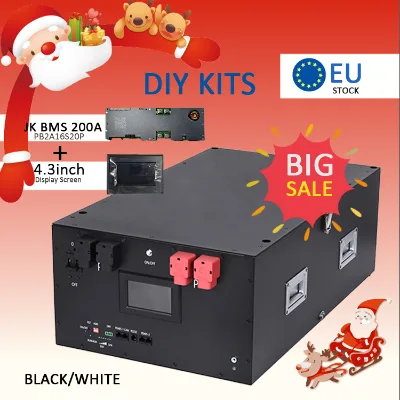

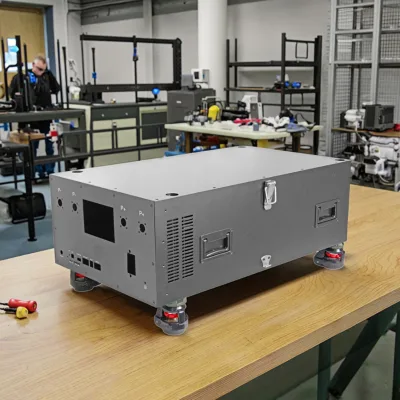
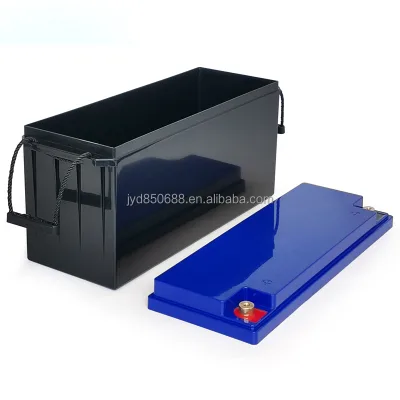
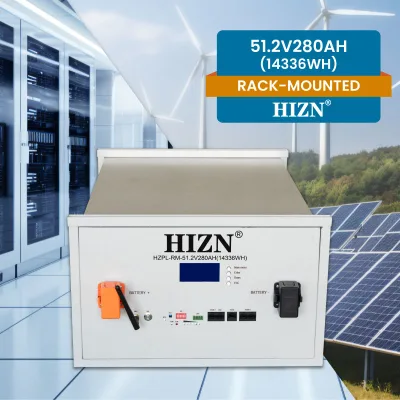
51.2V 280Ah LiFePO4 DIY Solar Battery Storage Box Energy Storage System 48v Battery Boxes & Racks
$994.9552 - $1015.3651
MOQ: 2 pieces
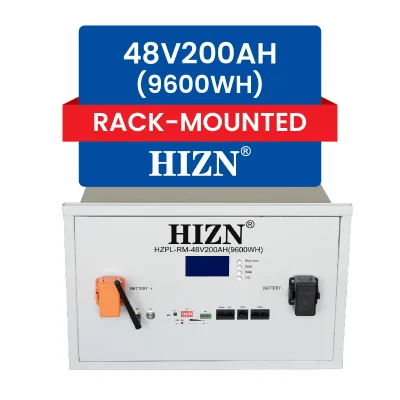

48V 280ah Storage Battery Modular Lithium Battery 100kwh 112kwh 150kwh Solar Storage System
$959.00 - $1149.00
MOQ: 1 Pieces
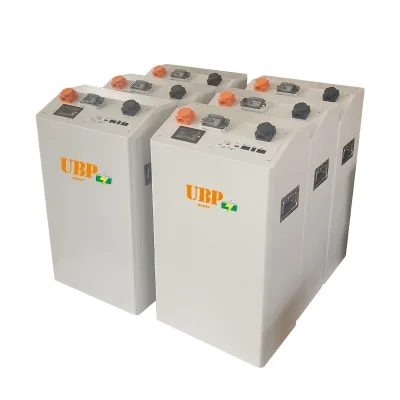
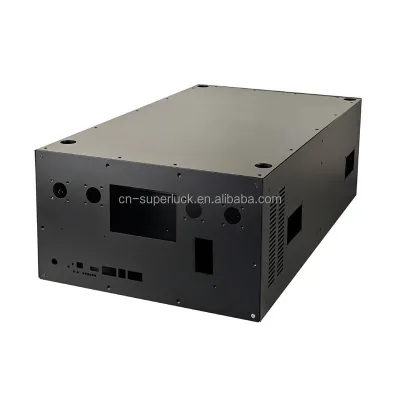
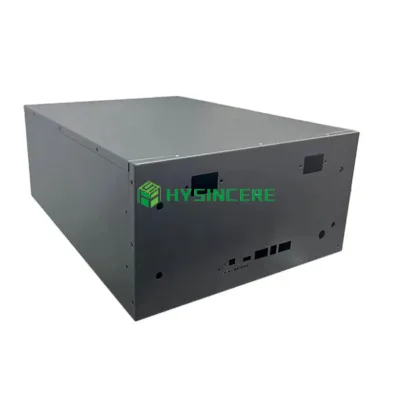
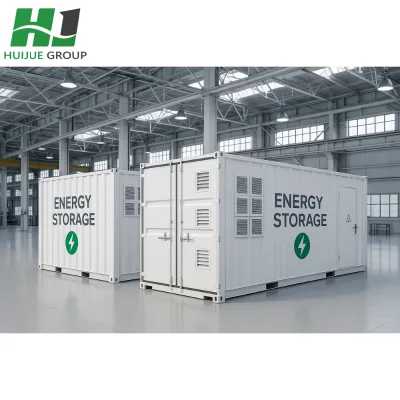
Solar Storage Container Solar Powered Battery Storage System Outdoor Cabinet with Cooling System
$138762.0126 - $167356.5027
MOQ: 1 Minimum

Comprehensive Sourcing Guide
280Ah LiFePO4 Solar Storage Box Sourcing Guide
Procuring a 280Ah LiFePO4 Solar Storage Box requires careful alignment of technical specifications with your specific energy storage needs. The market offers various configurations, including rack-mounted units and open-frame designs, each suited for different installation environments. Buyers must distinguish between sealed and open-frame options, as this choice impacts maintenance requirements and environmental protection levels. Understanding these fundamental differences ensures that the selected unit integrates seamlessly into your existing solar infrastructure without compromising system efficiency or safety.
The diversity of available products means that not all 280Ah batteries share identical characteristics. Some listings highlight high-voltage lithium-ion models, while others focus on standard LiFePO4 chemistry. It is crucial to verify the cathode material, as options like LFP, NCM, and LCO offer distinct performance profiles. Additionally, communication ports such as CAN and RS485 are common features that facilitate monitoring and control. Buyers should prioritize units that offer customization options to meet unique voltage or capacity requirements, ensuring the final product matches their precise operational demands.
Product Scope and Observed Listing Signals
The observed product range includes various lithium battery types, from large and medium-sized units to specialized DIY metal battery boxes. Listings indicate that these products are often designed for off-grid solar energy solutions, making them suitable for remote or independent power systems. The presence of rack-mounted lithium batteries suggests a focus on industrial or commercial installations where space efficiency and structural integrity are paramount. Buyers should note that some products are explicitly labeled for solar applications, while others may have broader use cases in RV or marine energy storage.
Packing methods vary significantly across suppliers, with options including wooden cases, carton boxes with wooden pallets, and container shipping. This variation impacts logistics costs and handling procedures, so buyers must consider the total landed cost rather than just the unit price. Some listings mention specific models like the BH-High Voltage Lithium Ion Battery or customized LiFePO4 solar batteries, indicating a high degree of product differentiation. Understanding these listing signals helps buyers identify suppliers who can meet their specific volume and packaging requirements, ensuring a smoother procurement process from order to delivery.
Technical Specifications to Verify
When evaluating technical specifications, the ambient temperature range is a critical factor for long-term performance. Some products specify an operating range of -20°C to 60°C, which is essential for installations in extreme climates. Buyers must also verify the protection class, with IP54 and IP65 ratings offering different levels of dust and water resistance. These ratings determine whether a battery can be installed outdoors or in harsh industrial environments without additional protective housing. Ensuring the correct IP rating prevents premature failure due to environmental exposure and extends the overall lifespan of the energy storage system.
Communication interfaces and voltage specifications are equally important for system integration. Many units support RS485, CAN, and Ethernet interfaces, allowing for sophisticated monitoring and control via BMS or external software. Voltage options like 48V or 51.2V are common for solar storage, but buyers must confirm compatibility with their inverters and charge controllers. Additionally, the terminal type, such as M8 brass-plated connectors, affects ease of installation and electrical reliability. Verifying these details ensures that the battery communicates effectively with the rest of the solar system, preventing data loss or communication errors during operation.
Compliance and Safety Documentation
Safety standards are paramount when sourcing lithium batteries, particularly for solar storage applications. Buyers should verify that products meet leak-proof battery standards and other relevant safety certifications. While CE certification is mentioned in background contexts, it is essential to confirm the specific compliance status for each product, as standards can vary by region and application. Documentation should include detailed test reports and safety data sheets that outline the battery's behavior under fault conditions, such as short circuits or overcharging. This information is crucial for risk assessment and insurance purposes, ensuring that the installed system meets local regulatory requirements.
Warranty terms provide an additional layer of protection for buyers, with many suppliers offering five-year warranties. However, the scope of the warranty must be clearly defined, including coverage for capacity retention and cell replacement. Buyers should also inquire about the battery grade, as B-grade cells may offer lower performance or shorter lifespans compared to A-grade alternatives. Understanding the warranty conditions helps buyers anticipate potential maintenance costs and plan for long-term system reliability. Clear documentation of warranty terms ensures that buyers are not left with unsupported equipment in the event of early failure or performance degradation.
Cost Drivers and Commercial Terms
Several factors influence the final cost of a 280Ah LiFePO4 Solar Storage Box, including material composition, customization level, and packaging requirements. High-voltage models and units with advanced communication interfaces may command higher prices due to increased complexity and component costs. Buyers should also consider the impact of packaging, as wooden cases or container shipping can add significant logistical expenses. Understanding these cost drivers allows buyers to negotiate more effectively and identify opportunities for cost savings without compromising on quality or performance.
Minimum order quantities (MOQ) and lead times are critical commercial terms that affect procurement planning. While some listings indicate an MOQ of 100 units, others may have different thresholds, impacting the feasibility of small-scale purchases. Buyers must also account for production lead times, which can vary based on customization requirements and supplier capacity. Clear communication regarding these terms helps avoid delays and ensures that the supply chain aligns with project timelines. Additionally, payment terms and shipping responsibilities should be explicitly defined to prevent unexpected costs or disputes during the transaction process.
Supplier Qualification and Quality Control
Supplier qualification is a vital step in ensuring the reliability of the sourced batteries. Buyers should verify the supplier's manufacturing capabilities, including their ability to produce customized units and maintain consistent quality standards. OEM acceptance is a positive indicator, suggesting that the supplier has experience working with brand-specific requirements and quality expectations. Additionally, suppliers with a strong presence in regions like Shandong, China, may offer advantages in terms of supply chain efficiency and cost competitiveness. Thorough due diligence helps buyers identify reputable partners who can deliver high-quality products on time.
Quality control processes should be rigorously evaluated to ensure that each battery meets specified performance criteria. Buyers should request evidence of factory audits, production line inspections, and final product testing. These measures help identify potential defects or inconsistencies before shipment, reducing the risk of receiving substandard equipment. Furthermore, suppliers who offer comprehensive documentation, including test reports and compliance certificates, demonstrate a commitment to quality and transparency. Establishing a strong quality control framework ensures that the procured batteries perform as expected and meet the buyer's long-term operational needs.
Long-Term Procurement Checks
Long-term procurement success depends on establishing ongoing performance monitoring and supplier relationship management. Buyers should implement regular checks on battery health, including capacity retention and internal resistance measurements, to detect early signs of degradation. This proactive approach allows for timely maintenance or replacement, preventing system downtime and extending the overall lifespan of the energy storage solution. Additionally, maintaining open communication with suppliers ensures that any issues are addressed promptly and that future orders meet evolving requirements.
Reviewing supplier performance metrics, such as delivery accuracy and product consistency, is essential for continuous improvement. Buyers should track key performance indicators to identify trends and areas for improvement in the supply chain. This data-driven approach helps in making informed decisions about future procurement strategies and supplier selection. Furthermore, staying updated on industry advancements and new product offerings ensures that buyers remain competitive and can leverage the latest technologies in their solar energy solutions. Continuous evaluation and adaptation are key to maintaining a resilient and efficient procurement process.
FAQs
What cathode materials are available for 280Ah LiFePO4 Solar Storage Box units?
Available cathode materials include LFP, NCM, and LCO options. These variations allow buyers to select the chemistry that best fits their specific energy density and cycle life requirements for off-grid solar energy solutions. Customization is available to match precise technical needs.
Can the 280Ah LiFePO4 Solar Storage Box be customized for specific applications?
Yes, customization is available for various applications including solar, RV, and marine energy storage. Buyers can specify voltage options like 48V or 51.2V and choose between sealed or open-frame installations. OEM services are acceptable to tailor the product to unique project specifications.
Which communication ports are supported by the lithium ion battery systems?
Supported communication interfaces include CAN, RS485, and Ethernet. These ports enable effective monitoring and management of the battery system within solar energy solutions. The units are designed to integrate seamlessly with various energy management controllers and monitoring software for optimal performance.
What is the minimum order quantity for the customized lithium battery models?
The minimum order quantity is 100 units for customized lithium battery models. This MOQ applies to specific product lines such as the RLB series. Buyers should verify the exact MOQ for other models like the BH-High Voltage Lithium Ion Battery as requirements may vary.
How is the 280Ah LiFePO4 Solar Storage Box packaged for shipping?
Packaging options include wooden cases, carton boxes with wooden pallets, wooden boxes, and container packing. These methods ensure safe transport of the large and medium-sized battery units. The packaging is designed to protect the leak-proof battery standards during international shipping from China.
What warranty period is provided for the LiFePO4 solar battery products?
A 5-year warranty is provided for the LiFePO4 solar battery products. This coverage applies to standard models like the Lithium Ion battery and customized units. Buyers should confirm specific warranty terms for different product models and grades, such as B Grade options, during procurement.