Find 28 Colors 8mm Acrylic Beads for Necklaces, DIY Crafts, and Garment Decor
Browse 30 listings of 28 Colors 8mm Acrylic Beads and compare sizes, finishes such as laser bright and transparent, painted and hot-fix techniques, packing options, and MOQ ranges. Filter by shape, color, and usage for necklaces, decoration, and DIY jewelry projects.
Key considerations
Products List


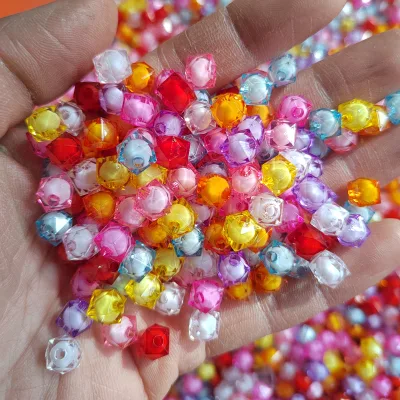
Acrylic Beads Various Shape Loose Plastic Imitation Pearl Beads for Jewelry Making
$0.06 - $0.10
MOQ: 10000 Pieces
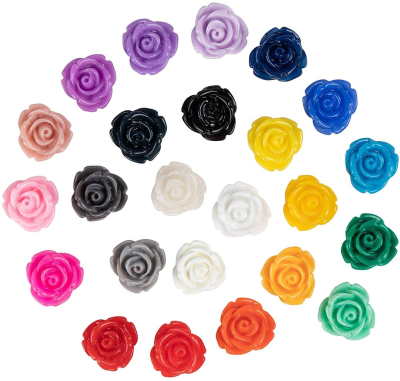
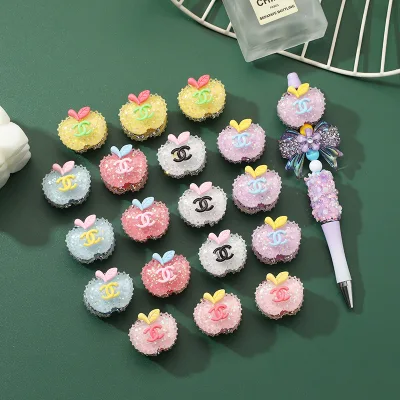


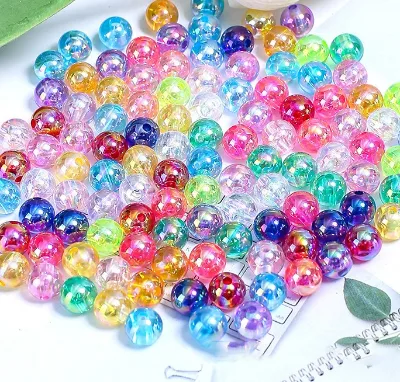


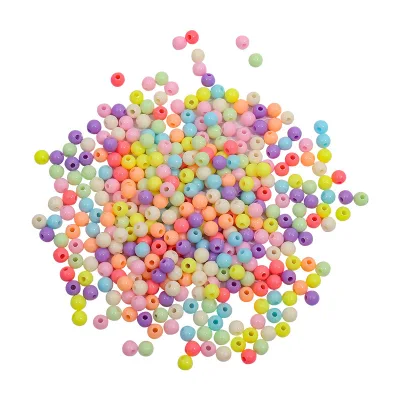


Comprehensive Sourcing Guide
28 Colors 8mm Acrylic Beads Sourcing Guide
Sourcing 8mm acrylic beads requires a clear understanding of the material’s versatility and the specific manufacturing techniques that define its market value. Acrylic, also known as polymethyl methacrylate (PMMA), is a thermoplastic widely used in jewelry making, craft projects, and garment decoration due to its lightweight nature and ability to hold vibrant colors. The "28 colors" designation typically refers to a curated palette available from suppliers, ranging from opaque and transparent finishes to glitter, pearl, and metallic effects. Buyers must recognize that while the core material is consistent, the aesthetic variations—such as laser-bright, dull, or multi-colored finishes—significantly impact the final look and suitability for different end-products.
The procurement process for these beads involves navigating a wide range of product attributes, from shape and hole size to surface treatment. Common shapes include round, square, star, and flower designs, with the 8mm size offering a balanced proportion for both delicate necklaces and bold statement pieces. The hole size is a critical dimension, often specified as a silver square hole or other configurations, which directly influences the type of stringing material or sewing thread that can be used. Understanding these physical characteristics is essential for ensuring compatibility with existing production lines, whether the beads are intended for DIY jewelry making, home textile embellishment, or accessory decoration.
Product Scope and Observed Listing Signals
The current market landscape for acrylic beads reveals a diverse array of product listings that cater to various industrial and creative needs. Observed data indicates a broad price range, reflecting differences in quality, customization options, and order volumes. Suppliers offer products with varying technical specifications, including painted, hot-fix, plating, and sew-on techniques. This variety allows buyers to select beads that align with their specific application, such as attaching beads to garments via hot-fix methods or using sew-on beads for fabric-based crafts. The availability of customization options further expands the scope, enabling buyers to request specific sizes, colors, or packaging configurations to meet unique project requirements.
Listing signals also highlight the importance of packaging and weight specifications in the procurement decision. Products are often packed in polybags with specified weights, such as 0.5kg or 1kg per bag, which aids in inventory management and cost calculation. Some listings emphasize eco-friendly features and abrasion resistance, suggesting a growing market demand for durable and sustainable materials. Additionally, the presence of sample supply options indicates that buyers can evaluate product quality before committing to large orders. These signals provide valuable insights into supplier capabilities and product reliability, helping buyers make informed decisions based on tangible evidence rather than assumptions.
Technical Specifications to Verify
Verifying technical specifications is crucial to ensure that the acrylic beads meet the project’s functional and aesthetic requirements. Buyers should confirm the exact dimensions of the beads, as sizes can vary from 3mm to 11mm, with 8mm being a common standard. The hole size and shape, such as a silver square hole, must be compatible with the intended stringing or sewing method. Additionally, the surface finish, whether painted, plated, or laser-bright, should be verified to ensure it matches the desired visual effect. These details are critical for maintaining consistency in bulk production and avoiding discrepancies between samples and final deliveries.
Material composition and durability are also key technical aspects to verify. Acrylic beads are known for their heat resistance and abrasion resistance, but these properties can vary based on the manufacturing process. Buyers should inquire about the specific grade of acrylic used and whether it meets any relevant industry standards for safety and performance. Furthermore, the colorfastness of the beads, especially for those with glitter or metallic finishes, should be tested to ensure they do not fade or lose their luster over time. Confirming these technical details helps mitigate the risk of product failure and ensures long-term satisfaction with the purchased materials.
Compliance and Safety Documentation
Compliance with safety standards is a critical consideration when sourcing acrylic beads, particularly for products intended for children or personal use. Buyers should request documentation that verifies the beads meet relevant chemical safety regulations, such as restrictions on harmful substances like lead, cadmium, or phthalates. Although acrylic is generally considered safe, it is essential to ensure that the dyes and coatings used in the manufacturing process do not introduce hazardous materials. Suppliers should be able to provide test reports or certificates of compliance from recognized laboratories to substantiate their claims.
In addition to chemical safety, buyers should verify that the beads meet any specific labeling or packaging requirements mandated by their target market. This includes ensuring that the packaging is clearly labeled with material composition, care instructions, and any relevant safety warnings. For products exported to regions with strict environmental regulations, buyers should also inquire about the eco-friendliness of the materials and packaging. Some suppliers offer eco-friendly options, which can be a competitive advantage in markets that prioritize sustainability. Obtaining comprehensive compliance documentation helps protect buyers from legal liabilities and enhances the credibility of their products in the global market.
Cost Drivers and Commercial Terms
The cost of acrylic beads is influenced by several factors, including material quality, color complexity, and order volume. Basic opaque colors are typically more affordable than specialty finishes like glitter, pearl, or metallic effects, which require additional processing steps. Customization options, such as specific sizes or shapes, can also increase costs due to the need for specialized tooling or production adjustments. Buyers should negotiate pricing based on the expected order quantity, as larger volumes often qualify for discounts. Understanding these cost drivers allows buyers to budget accurately and identify opportunities for cost savings without compromising quality.
Commercial terms, including payment methods, shipping arrangements, and lead times, play a significant role in the overall procurement strategy. Buyers should clarify the minimum order quantity (MOQ) with suppliers, as it can range from small quantities for sampling to large volumes for bulk production. Payment terms, such as advance payment or letters of credit, should be agreed upon to ensure financial security. Additionally, shipping costs and delivery times should be factored into the total cost of ownership, especially for international orders. Establishing clear commercial terms early in the process helps prevent misunderstandings and ensures a smooth transaction from order placement to delivery.
Supplier Qualification and Quality Control
Qualifying suppliers is a vital step in ensuring the reliability and consistency of acrylic bead supplies. Buyers should assess suppliers based on their production capabilities, quality control processes, and track record in the industry. Requesting samples is an effective way to evaluate the physical quality of the beads, including their color accuracy, hole size precision, and surface finish. Suppliers that offer sample services demonstrate confidence in their products and provide buyers with the opportunity to verify quality before committing to large orders. Additionally, buyers should inquire about the supplier’s quality control measures, such as inspection protocols and defect rates, to ensure consistent product quality.
Establishing a robust quality control process is essential for maintaining high standards throughout the production cycle. Buyers should define clear acceptance criteria for the beads, including dimensions, color consistency, and structural integrity. Regular inspections, either in-house or through third-party agencies, can help identify and address quality issues early in the production process. Suppliers that implement rigorous quality control measures are more likely to deliver products that meet the buyer’s expectations. Building a strong relationship with qualified suppliers fosters trust and collaboration, leading to better product outcomes and more efficient procurement processes.
Long-Term Procurement Checks
Long-term procurement success depends on continuous monitoring and evaluation of supplier performance and product quality. Buyers should establish key performance indicators (KPIs) to track metrics such as on-time delivery, defect rates, and responsiveness to issues. Regular communication with suppliers helps maintain alignment on quality standards and addresses any emerging concerns promptly. Additionally, buyers should stay informed about industry trends and technological advancements that may impact the availability or cost of acrylic beads. Adapting to market changes ensures that procurement strategies remain effective and competitive over time.
Sustainability and ethical sourcing are increasingly important considerations in long-term procurement. Buyers should evaluate suppliers’ commitment to environmental responsibility and ethical labor practices, as these factors can influence brand reputation and consumer trust. Exploring opportunities for sustainable materials and packaging can enhance the value proposition of the final products. By prioritizing long-term relationships and continuous improvement, buyers can build a resilient supply chain that supports business growth and meets evolving market demands. Regular reviews and updates to procurement policies ensure that the organization remains agile and responsive to changing conditions.
FAQs
What sizes are available for 28 Colors 8mm Acrylic Beads?
The beads are offered in a 6-10mm standard range, and 8mm fits within this documented specification. Some product lines also list sizes such as 3mm, 4mm, 5mm, 6mm, and 7mm for glass bead variants. Custom sizes can be requested, as customization is available. Confirm the exact diameter and hole size with the supplier before ordering, since specifications vary by product model.
Can I order acrylic beads in multiple colors within one order?
Yes, listings show all kinds of color options, including dull, laser bright, multi-colored, and transparent finishes. Opaque, glitter, pearl, and metallic colors are also documented for acrylic bead products. Suppliers typically allow color mixing, but minimum quantities may apply per color. Discuss color allocation and packaging, such as 0.5kg per polybag, when negotiating your order.
How are the acrylic beads packed for shipping?
Common packing is 0.5kg per polybag, and some products use 1kg per polybag or 100 pieces per bag. Packing can also be arranged as requested, which is useful for DIY, necklace, or decoration applications. Confirm bag weight, inner packaging, and carton marking with the supplier. Custom packing may affect lead time and cost, so agree on details before production.
Which surface treatments and finishes are offered on these beads?
Documented technics include painted, plating, hot-fix, and sew-on finishes, depending on the product model. Rose flower acrylic beads come in opaque, transparent, glitter, pearl, and metallic colors. Silver square holes are listed for certain bead types. Choose the treatment that matches your application, such as home textiles, garments, hats, or bags, and request samples to verify finish quality.
Can I request samples before placing a bulk order?
Yes, sample supply is listed as an available service on these products. Samples let you verify color accuracy, hole alignment, and finish quality across the 28 color options. Ask whether sample fees are refundable against bulk orders and how long sample preparation takes. Check the sample against your specification, such as 8mm diameter, before confirming production.
What quality checks do these acrylic beads pass?
Listings indicate QC passed status, and features include abrasion resistance, eco-friendliness, and heat resistance. This suggests beads are inspected before packing, though specific test standards are not stated on the page. Request details on inspection procedures and defect tolerances during negotiation. For sensitive applications, ask for sample testing of color fastness and hole strength before bulk production.
Which applications suit these acrylic and glass beads?
Documented uses include DIY projects, decoration, bead strings, necklaces, home textiles, garments, hats, and bags. Rose flower acrylic shapes serve craft projects and DIY jewelry making. Shape options include round, square, star, and flower. Bead necklaces are listed at 45cm length with 100 pieces per bunch at 10mm size, so match the product model to your intended application.
How does customization work for these acrylic beads?
Customization is available, covering color, size, packing, and shape according to the listings. Custom sizes are documented as a standard option, and packing can be arranged as requested. Custom orders typically require clear specifications such as diameter, hole type, and finish before quotation. Expect customized runs to need longer lead times than stock items, so confirm timelines with the supplier.