Source 3PE Coated SSAW Steel Pipe for Oil, Gas, and Water Pipelines
Browse 30 listings of 3PE Coated SSAW Steel Pipe from suppliers offering spiral welded carbon steel pipe in diameters from 219.1 to 3048 mm. Compare wall thickness, API 5L grades, coating layers, pipe ends, and MOQs, then request quotes directly from listed manufacturers.
Updated
Key considerations
Products List

$40.00 - $300.00
MOQ: 1 Square Meters
Tianjin Huilifeng Anti-Corrosion and Insulation Steel Pipe Group Co., Ltd.


Carbon Steel Pipe 3PE Coating Pipes
$9.90 - $999.00
MOQ: 6 Meters
Tianjin Huilifeng Anti-Corrosion and Insulation Steel Pipe Group Co., Ltd.

$569.00 - $850.00
MOQ: 6 Meters
Tianjin Huilifeng Anti-Corrosion and Insulation Steel Pipe Group Co., Ltd.







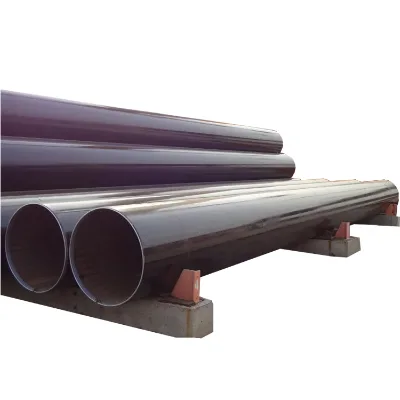
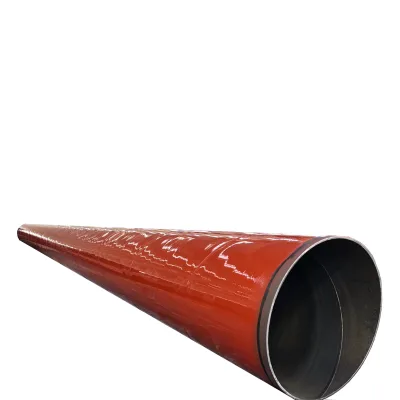
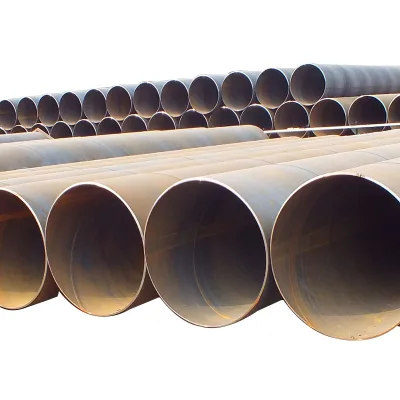
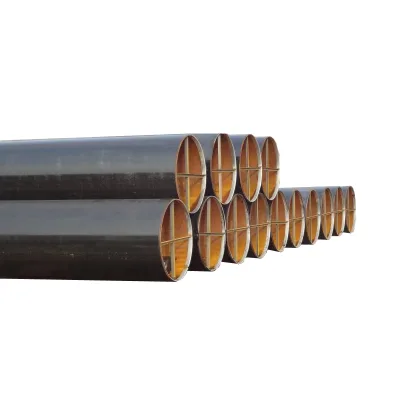
Comprehensive Sourcing Guide
3PE Coated SSAW Steel Pipe Sourcing Guide
Sourcing 3PE Coated SSAW Steel Pipe requires buyers to balance two distinct technical domains: the structural performance of the spiral-welded carbon steel substrate and the durability of the three-layer polyethylene anti-corrosion system. Because the coating is applied as a finishing process, defects in either layer can compromise the delivered product, so procurement teams must evaluate the mill and the coating line as a combined quality system rather than as separate suppliers. The listings observed in this category come predominantly from Tianjin and greater China, with customization explicitly available, which means specification discipline on the buyer's side becomes the primary safeguard against mismatched deliveries.
This guide organizes the sourcing decision into seven areas: product scope, technical verification, documentation, commercial terms, supplier qualification, and long-term checks. Each section is written to support a specific procurement decision, from drafting an RFQ to planning multi-year framework agreements. Buyers should treat every attribute in a product listing as an observation about that listing only—never as a category-wide guarantee—and should confirm each requirement against the mill test documents and coating records supplied with the actual shipment before acceptance.
Product Scope and Observed Listing Signals
The observed listings describe spiral (SAW technique) welded carbon steel pipe in a wide outer diameter envelope of 88.9 mm to 2020 mm, with wall thickness ranges reported from roughly 3.05 mm up to 59.54 mm depending on the listing, and lengths offered as single random or double random. Materials cited include API 5L Gr.B through X80 grades as well as Q235B, X42, X52, and X60 carbon steel. Pipe ends are offered plain or beveled. The 3PE system itself is described as a three-layer (or two-layer) polyethylene external coating, with HDPE cited as a coating material and PE or PP wrapping noted in some listings.
Applications named across the listings cluster around pipeline transport, oil and gas drilling, chemical industry service, boiler pipe, hydraulic and automobile pipe, machinery, mining, and construction. Buyers should read these usage tags as seller-side categorizations rather than verified suitability: a pipe listed for "boiler pipe" is not automatically qualified for pressure-retaining boiler service. Color options (black, blue, or other) and surface treatments such as varnishing or black finish appear in adjacent listings, often describing uncoated or differently coated stock, so confirm that the 3PE system—rather than a simple paint or wrap—is what the quoted price covers.
Technical Specifications to Verify
Diameter and wall thickness drive both price and weldability, so the RFQ should fix the nominal size explicitly. Observed listings reference models such as 219 mm, 323 mm, 406.4 mm, SCH40, and ranges up to 219.1–3048 mm, which shows how widely seller conventions vary; never accept a model code alone. Specify outer diameter, wall thickness tolerance, and whether the thickness requirement applies to the bare pipe or the coated pipe, since the polyethylene layers add measurable build-up. Length should be stated as SRL or DRL with tolerances, and some listings offer 12–30 m lengths for pipeline projects.
Coating specifications deserve equal precision. A true 3PE system consists of an epoxy layer, an adhesive copolymer layer, and an HDPE top layer, and observed listings also mention 3LPP (polypropylene) variants intended for higher-temperature service. One listing cites a maximum thickness of 2.5 mm and service temperatures from -20 °C to 110 °C or above; these are listing-specific observations, so verify the required coating thickness per side, the epoxy type, and the temperature rating for your operating envelope. Also confirm end preparation (beveled versus plain) and packaging—ropes or bulk shipping appear in the listings—with any protective measures needed to prevent coating damage in transit.
Compliance and Safety Documentation
Start documentation review with the substrate. Listings reference ASTM and GB standards, API 5L material grades, and ISO certification claims, but a certification claim in a listing is not proof of conformity. Require mill test certificates showing chemical composition, tensile properties, and hydrostatic or non-destructive test results for each heat, and match certificate heat numbers against markings on the delivered pipe. For spiral pipe intended for pipeline transport or oil and gas drilling, confirm which edition of the applicable standard the mill is certified to and whether third-party inspection was performed—one listing cites SGS, which buyers can mirror by specifying independent inspection at their own cost.
Coating documentation is equally critical. Ask for the coating works' qualification records, adhesion and peel test results, holiday (pinhole) detection reports, and coating thickness measurements taken per batch, together with records of surface preparation before application. For 3PE specifically, request datasheets identifying the epoxy powder, adhesive, and polyethylene or polypropylene layers, since layer substitution is a known risk area. Background references to standards such as DIN 30670 appear in the broader context, but buyers should state the exact coating standard and test methods they require in the contract rather than relying on seller references.
Cost Drivers and Commercial Terms
Price signals in the observed listings span USD 1 to 999, a range so wide it mainly reflects that different listings quote different units, sizes, or bare versus coated product—do not read it as a market benchmark. The genuine cost drivers are steel grade and plate price at time of order, diameter-to-thickness ratio (thinner, large-diameter spiral pipe consumes less steel per meter), coating thickness and type (3PE versus 3LPP), length requirements, end preparation, and inspection scope. Coating adds a meaningful premium over bare pipe because it requires grit blasting, application lines, and testing; quotes that omit coating scope are not comparable.
Observed MOQ values run from 1 to 25 units, indicating that sample and small-lot orders are feasible in this category, but per-tonne economics improve substantially at full mill and coating line efficiencies. Clarify incoterms, coating repair responsibilities after transit damage, and whether re-inspection costs are shared. Confirm the quoted validity period, since carbon steel prices move quickly. Payment structure should be tied to documentation milestones—deposit against production, balance against mill certificates and coating reports—rather than paid purely against shipment.
Supplier Qualification and Quality Control
Qualify the supplier as a two-stage operation. First, audit the pipe mill: verify welding procedure qualifications for the spiral SAW process, operator certifications, plate sourcing traceability, and the mill's own hydrostatic and NDT capability. Second, audit or at least documentarily review the coating applicator—sometimes the same company, sometimes a separate line. Listings indicate manufacturing by named producers such as TPCO for seamless product and Tianjin origins for welded product, but buyers should confirm the actual production and coating sites for their specific order, since listing origins ("Tianjin," "China") are broad and not order-specific.
During production, define hold points: plate incoming inspection, weld bead examination, dimensional checks before coating, surface preparation verification, and post-coating testing including thickness, adhesion, holiday detection, and indent resistance. Request photographs or video of each hold point, or appoint a third-party inspector for witness testing if the order size justifies it. Pre-shipment, verify marking systems that link each pipe length to its heat number and coating batch. Suppliers advertising customization can adapt to these requirements, but each added inspection should be priced explicitly so quality costs are visible rather than absorbed into vague claims.
Long-Term Procurement Checks
For framework or multi-year relationships, move beyond transaction-level inspection to system-level monitoring. Track batch-to-batch consistency of coating thickness and adhesion results, review corrective actions from any transit damage or field failures, and require annual revalidation of the mill's and coating line's certifications rather than accepting a one-time certificate. Periodically re-audit the coating line's raw material sourcing, since epoxy powder and adhesive lots change over time and substitution between lots is a common source of gradual quality drift. Maintain a documented supplier scorecard covering on-time delivery, documentation accuracy, and defect rates.
Also plan for the pipe's service life, not just its arrival. Verify that the coating temperature rating matches seasonal extremes on your route—observed listings cite a minimum of -20 °C and high-temperature capability at 110 °C or above for certain products—and confirm field joint coating compatibility, since girth welds must be protected with systems that adhere to the factory-applied 3PE. Clarify spare coating repair materials, storage recommendations before installation, and handling rules that prevent point damage from rollers or slings. A supplier willing to support these lifecycle questions is a materially better long-term partner than one quoting only on delivered price.
FAQs
What is a 3PE Coated SSAW Steel Pipe used for
A 3PE Coated SSAW Steel Pipe is a spiral welded carbon steel pipe protected by a three-layer polyethylene external coating for corrosion resistance. It is commonly used for pipeline transport, oil and gas drilling, chemical industry lines, and other special purpose applications where buried or exposed pipes face harsh service conditions.
Which material grades are available for 3PE Coated SSAW Steel Pipe
Listed material options include API 5L Gr.B and X42 to X80 carbon steel, as well as Q235B, X42, X52, and X60 carbon steel grades. Availability depends on the specific listing, so buyers should confirm the grade, outer diameter, and wall thickness combination with the supplier before ordering.
What sizes can 3PE Coated SSAW Steel Pipe be supplied in
Observed listings cover outer diameters from 88.9 mm to 2020 mm, with wall thickness ranging from 3.05 mm to 59.54 mm depending on the product. Lengths are offered as SRL or DRL, and some listings show 12 to 30 meter lengths. Confirm the exact size combination with the supplier.
Can 3PE Coated SSAW Steel Pipe be customized
Yes, customization is listed as available for these products. Buyers can typically discuss coating configuration, such as two or three layers, surface finish, pipe ends, and packing arrangements. Provide your required diameter, wall thickness, material grade, and coating specification when requesting a quotation so the supplier can confirm feasibility.
How is 3PE Coated SSAW Steel Pipe packed for shipment
Listed packing options include ropes, bulk packing, or regular packing arranged according to the buyer's requirements. Some listings also show PE or PP wrapped surfaces. Because coating can be damaged during handling, discuss packaging details with the supplier before shipment to ensure the polyethylene layers arrive intact.
What surface and end finishes are offered on 3PE Coated SSAW Steel Pipe
Observed surface treatments include black, varnishing, and HDPE coating with two or three layers, while colors may be black, blue, or other options. Pipe ends are listed as plain or beveled. The right combination depends on your application, so specify both surface treatment and end finish when requesting a quote.
Which standards apply to 3PE Coated SSAW Steel Pipe
Listed standards and references include ASTM and GB standards, API 5L material grades, and SGS as a listed verification reference, with ISO certification noted on some listings. Coating practices for three-layer polyethylene are commonly referenced under established coating standards, so confirm the applicable standard documentation with each supplier.
How does SSAW pipe differ from ERW and seamless pipe in these listings
The listings show SSAW-style products made by SAW technique alongside ERW welded pipe and seamless pipe from TPCO. SSAW is spiral submerged arc welded and suits large diameters, ERW suits smaller round sections, and seamless pipe suits high-pressure uses such as boiler or hydraulic applications. Choose based on diameter, pressure, and service conditions.