Source 3K Plain Carbon Fiber Sheet for aerospace, automotive, and sports
Compare 30 listings for 3K Plain Carbon Fiber Sheet with varying dimensions, thickness, and surface finishes. Buyers can evaluate raw material types, tow specifications, and delivery times from suppliers in China to find the best match for industrial needs.
Key considerations
Products List


OEM High Strength 100% 3K Carbon Fiber Plain Weave Glossy or Matte Carbon Sheet
$1.30 - $3.90
MOQ: 1000 Square Meters
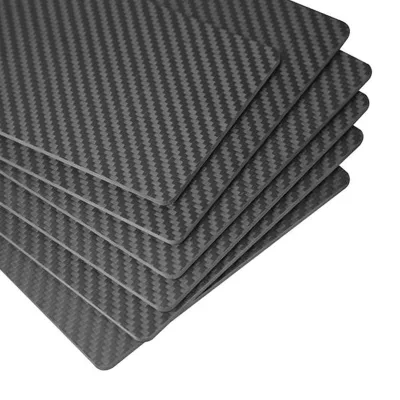
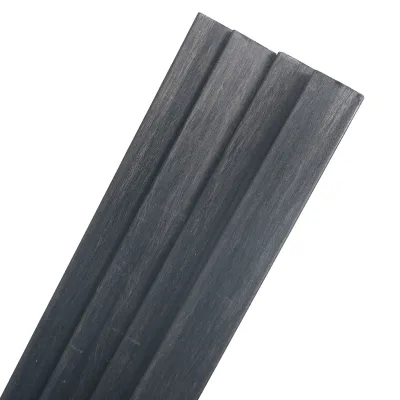


3K Twill Plain 3K Flexible Carbon Fiber Sheet 0.1mm 0.2mm 0.3mm 0.5mm 0.6mm Thin Carbon Fiber Sheet
$1.12 - $5.04
MOQ: 100 Square Meters


Comprehensive Sourcing Guide
Strategic Sourcing Guide for 3K Plain Carbon Fiber Sheet
Understanding the Core Product Attributes and Variations
The procurement of a 3K Plain Carbon Fiber Sheet requires a precise understanding of the material's fundamental composition and the specific variations available in the global market. The term "3K" refers to the number of filaments in a single tow, specifically 3,000 filaments, which dictates the weave pattern and the resulting surface texture. In the context of a plain weave, the fibers interlace in a simple over-under pattern, creating a uniform, checkerboard-like appearance that is highly valued for its structural balance and aesthetic consistency.
Based on available product data, the raw materials for these sheets are primarily derived from polyacrylonitrile (PAN) or viscose-based carbon fibers. The distinction between these precursors is critical, as PAN-based fibers generally offer superior mechanical properties, including higher tensile strength and modulus, compared to their viscose counterparts. The state of the material can vary significantly depending on the final application; while some listings describe the product as a "filament" or "chopped fiber," the target product for this guide is a solid "carbon fiber plate" or "sheet." This solid form is often characterized by a specific thickness range, observed in the market from 0.2mm up to 150mm, allowing for extreme versatility in structural design.
The physical dimensions of these sheets are another primary consideration. While standard dimensions such as 500mm x 500mm x 2mm are common for specific industrial applications, the market also supports highly customized sizing. Buyers should anticipate that length can extend up to 100 meters for cloth-based variants, while sheet thickness is often adjustable to meet specific load-bearing requirements. The surface finish is equally diverse, with options ranging from matte to glossy, and weave patterns including twill, plain, and forged styles. These surface characteristics are not merely aesthetic; they influence the bonding properties of the resin during the lamination process and the final friction coefficient of the component.
Technical Specifications and Performance Metrics
When evaluating a 3K Plain Carbon Fiber Sheet, the technical specifications must align with the mechanical demands of the intended application. The modulus of elasticity is a key performance indicator, with observed ranges in the market spanning from 210 GPa to 480 GPa. This wide variance suggests that buyers must verify the specific modulus of the product they are sourcing, as high-modulus fibers are essential for applications requiring minimal deflection under load, while standard modulus fibers may suffice for general structural reinforcement.
The mechanical properties of the sheet are often categorized as either "High-Performance Type" or "General Type." High-performance variants are typically associated with polyacrylonitrile-based raw materials and are designed for aerospace, automotive racing, and high-end sporting goods where weight-to-strength ratios are paramount. In contrast, general-type sheets may utilize different precursors or manufacturing processes suitable for less demanding environments. The density of the material is a direct result of the weave and resin content, but the inherent "lightweight" nature of carbon fiber remains a universal attribute, offering significant weight savings compared to traditional metals like steel or aluminum.
Color is another specification that buyers must define early in the sourcing process. While the standard appearance of carbon fiber is black due to the carbon content, custom colors are available to match specific branding or design requirements. The tow specification, which defines the fiber bundle size, is available in various configurations including 1K, 3K, 6K, 12K, and 24K. For a 3K plain sheet, the 3K tow is the standard, providing an optimal balance between surface finish detail and manufacturing efficiency. The "High Strength" feature is a common claim, but buyers should verify this through independent testing or specific product data sheets rather than relying solely on marketing terminology.
Compliance, Standards, and Certification Verification
Navigating the compliance landscape for carbon fiber products requires diligence, as the industry lacks a single universal standard for all sheet types. However, specific standards are referenced in the market data, such as ASTM GM13, which buyers should verify as applicable to their specific use case. It is crucial to distinguish between the material standard and the manufacturing standard. For instance, some product listings reference "high-density polyethylene" as a standard, which may indicate a composite matrix or a specific packaging standard rather than the carbon fiber itself.
Buyers must rigorously verify the origin of the product to ensure compliance with international trade regulations and quality expectations. The shipping origin for these products is frequently cited as Shenzhen or Weihai in China, with some specific listings pointing to Shandong. While these locations represent major manufacturing hubs, the origin alone does not guarantee quality. The "Standard" attribute in product listings can sometimes be ambiguous, referring to internal company standards rather than recognized international norms. Therefore, procurement teams should request explicit documentation confirming adherence to relevant industry standards, such as those for tensile strength, thermal stability, or fire resistance, depending on the application.
Certification status is another area where assumptions can be dangerous. While some products claim to meet specific performance criteria, the absence of a visible certification mark in the product description does not imply non-compliance, nor does the presence of a generic claim imply third-party validation. Buyers should prioritize suppliers who can provide third-party test reports or certificates of analysis (CoA) that verify the mechanical properties, such as the modulus and tensile strength, against the claimed specifications. This verification step is essential for industries like aerospace or medical devices where regulatory compliance is non-negotiable.
Cost Drivers and Pricing Structure Analysis
The pricing of 3K plain carbon fiber sheets is influenced by a complex interplay of factors, including raw material costs, manufacturing complexity, and order volume. The observed price range in the market is broad, spanning from $0.10 to $50.00 per unit, but this range is misleading without context. The lower end of the spectrum likely corresponds to smaller samples, thinner sheets, or bulk orders of standard dimensions, while the higher end reflects custom sizes, specialized high-modulus fibers, or low-volume orders with premium packaging.
Minimum Order Quantity (MOQ) is a significant driver of unit cost. The market data indicates an MOQ range from 1 to 1,000 units. Suppliers offering an MOQ of 10 pieces or even a single piece may charge a premium to cover setup and handling costs. Conversely, larger orders often benefit from economies of scale, reducing the per-unit price. Buyers should be aware that "Custom" sizing, while highly desirable for specific applications, often incurs additional costs due to the need for specialized cutting and handling equipment. The "Hard Outer Packaging Carton" or "Woven Bag" requirements also add to the final cost, particularly for international shipping where protection against moisture and physical damage is critical.
Lead time is another variable that impacts the total cost of ownership. While some suppliers offer delivery within 15 days, custom orders or those requiring specific certifications may extend this timeline. Rush orders often come with a surcharge. Additionally, the factory capacity, indicated by a facility size of 10,000 square meters and a workforce of 110 employees, suggests a mid-sized operation that may have limited capacity for massive, simultaneous orders compared to larger industrial giants. Buyers should factor in potential delays and the cost of inventory holding when planning their procurement schedule.
Typical Applications and Industry Use Cases
The versatility of 3K plain carbon fiber sheets makes them suitable for a vast array of industries, each with unique requirements. In the automotive sector, these sheets are used for body panels, chassis components, and interior trim, leveraging their high strength-to-weight ratio to improve fuel efficiency and performance. The "High-Performance Type" designation is particularly relevant here, where every gram saved contributes to better handling and acceleration.
The aerospace industry represents another critical application area, where the material's resistance to fatigue and corrosion is essential. Components such as drone frames, satellite structures, and interior cabin parts often utilize 3K plain weave for its balance of strength and lightness. The "Heat Resistant" feature mentioned in some product listings is particularly valuable in aerospace and high-temperature industrial applications, where the material must maintain integrity under thermal stress.
In the consumer electronics and sporting goods sectors, the aesthetic appeal of the plain weave is a primary driver. The "Glossy" or "Matte" finish allows for integration into high-end laptops, camera bodies, and bicycle frames. The "Custom" size capability enables manufacturers to create bespoke components that fit unique designs without the need for extensive machining. Furthermore, the "Lightweight" attribute is a universal benefit across all these sectors, reducing the overall mass of the final product and enhancing user experience.
Supplier Evaluation and Quality Control Protocols
Selecting the right supplier for 3K plain carbon fiber sheets requires a comprehensive evaluation of their capabilities and quality control processes. The presence of a factory with 110 employees and 10,000 square meters of area suggests a level of operational stability, but buyers should verify the specific expertise of the team in handling carbon fiber composites. The "Surface Finish" options, such as "Twill/Plain/Forged/Glossy/Matte," indicate a level of process control, but buyers should request samples to verify the consistency of the finish and the absence of defects like resin-rich areas or fiber waviness.
Quality control should be a collaborative effort between the buyer and the supplier. Buyers should establish clear acceptance criteria based on the technical specifications, such as the modulus range of 210-480 GPa and the thickness tolerance. The "High Strength Durable" claim should be backed by test data, and buyers should consider implementing a third-party inspection protocol for the first few orders. The "Woven Plastic Bag" or "Carton Package" standards should be reviewed to ensure they meet the shipping requirements for the destination, preventing damage during transit.
Long-Term Procurement Considerations and Supply Chain Resilience
Long-term procurement of 3K plain carbon fiber sheets involves more than just securing a single order; it requires building a resilient supply chain. The "Custom" nature of many orders means that the supply chain must be flexible enough to accommodate design changes and volume fluctuations. Buyers should evaluate the supplier's ability to scale production, considering their factory size and employee count. A supplier with a robust production capacity can better handle unexpected demand spikes or urgent project needs.
Sustainability and material traceability are becoming increasingly important in global procurement. Buyers should inquire about the source of the raw materials, whether they are PAN-based or viscose-based, and the environmental impact of the manufacturing process. The "Shipping Origin" being China, specifically Shenzhen or Weihai, offers access to a mature supply chain, but buyers should also consider the geopolitical risks and logistics costs associated with importing from this region. Establishing a long-term partnership with a supplier who can provide consistent quality, transparent pricing, and reliable lead times is essential for maintaining product integrity and operational efficiency.
| Feature | Standard Observation | Buyer Verification Requirement |
|---|---|---|
| Raw Material | Polyacrylonitrile or Viscose | Confirm precursor type via CoA |
| Tow Specification | 3K (3,000 filaments) | Verify filament count consistency |
| Modulus Range | 210 GPa - 480 GPa | Request specific test report for batch |
| Thickness | 0.2mm - 150mm | Confirm tolerance and uniformity |
| Surface Finish | Matte, Glossy, Twill, Plain | Inspect physical samples for defects |
| Packaging | Carton, Woven Bag | Verify moisture protection standards |
| Lead Time | Within 15 days (standard) | Confirm for custom orders |
| Origin | Shenzhen, Weihai, Shandong | Verify factory location and capacity |
By adhering to these guidelines and maintaining a rigorous approach to verification, buyers can successfully source high-quality 3K plain carbon fiber sheets that meet their specific technical and operational needs.
FAQs
What raw materials are used for 3k plain carbon fiber sheets?
These sheets are primarily made from polyacrylonitrile-based or viscose-based carbon fibers. The choice of precursor affects mechanical properties, with polyacrylonitrile generally offering higher strength for high-performance applications.
Which thickness range is available for 3k plain carbon fiber sheets?
The available thickness ranges from 0.2mm up to 150mm depending on the specific product model. Buyers can select standard sizes like 2mm or request custom dimensions to meet precise structural requirements.
How long is the delivery time for 3k plain carbon fiber sheets?
Standard delivery times are typically within 15 days for most orders. Customized sizes or specific packaging requirements may extend this timeline, so early planning is recommended for urgent projects.
Can I customize the size and weave of 3k plain carbon fiber sheets?
Yes, customization is available for both dimensions and weave patterns like plain or twill. Lengths can be customized up to 100 meters for cloth variants, and thickness is adjustable for sheet forms.
What is the minimum order quantity for 3k plain carbon fiber sheets?
The minimum order quantity ranges from 1 to 1,000 units depending on the supplier. Some vendors accept small orders of 10 pieces, while bulk purchases often benefit from lower per-unit costs.
Which certifications apply to 3k plain carbon fiber sheets?
Some products reference standards like ASTM GM13, though specific compliance varies by manufacturer. Buyers should request third-party test reports to verify mechanical properties and ensure the material meets industry requirements.