Source 3k plain carbon fiber bodykits for Gtr R35, F12, Urus
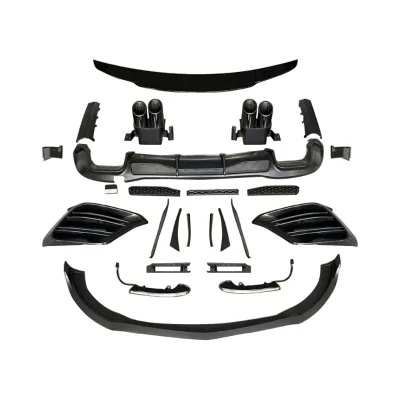
Find 30 listings for 3k plain carbon fiber bodykits compatible with Gtr R35, Ferrari F12, and Lamborghini Urus. Buyers can compare customization options, delivery times, and prices ranging from $1.6 to $33,500 across verified suppliers in China.
Key considerations
Products List


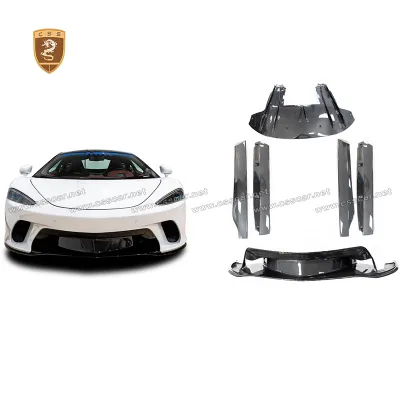
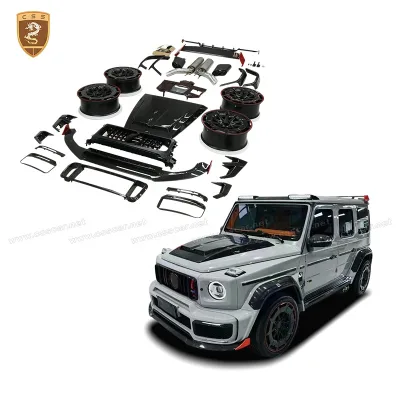
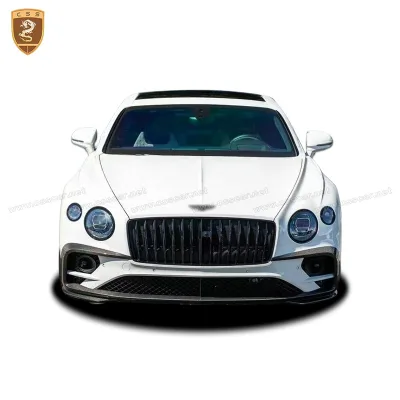
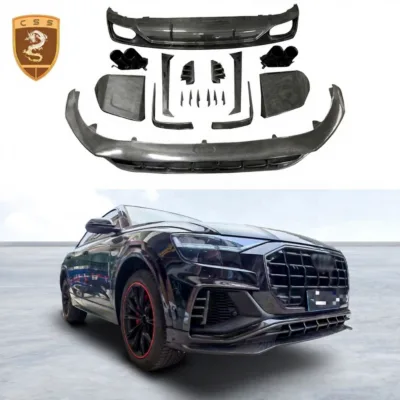



Comprehensive Sourcing Guide
Strategic Sourcing Guide for 3K Plain Carbon Fiber Bodykits
Understanding Material Composition and Weave Characteristics
When sourcing 3K plain carbon fiber bodykits, the primary focus must be on the specific weave pattern and the resulting structural properties. The "3K" designation refers to a bundle of 3,000 individual carbon filaments, which is the industry standard for balancing weight reduction with aesthetic appeal. In the context of automotive applications, the visual texture of the material is a critical differentiator. The supplied data indicates that "3K Twill Weave" is a recognized surface finish for high-end components, offering a distinctive diagonal pattern that is often preferred for its visual depth. However, the core keyword specifically targets "3K Plain" weave, which presents a standard checkerboard pattern. Buyers must verify that the supplier explicitly distinguishes between plain and twill weaves, as the manufacturing process and resin impregnation techniques differ slightly between the two.
The material composition is not merely about the fiber count; it involves the resin system and the curing process. Evidence from the product listings highlights "Prepreg Dry Carbon" and "Autoclave" technology as key processing methods. Prepreg carbon fiber refers to fibers that are pre-impregnated with a partially cured resin, which requires precise temperature and pressure control during the curing phase. The mention of "Autoclave" processing is particularly significant, as this method applies high heat and pressure to ensure a void-free laminate, resulting in superior mechanical strength compared to vacuum bagging alone. When evaluating a potential supplier, procurement teams should request documentation confirming the use of autoclave curing for 3K plain weave components to ensure the structural integrity required for car body parts. The observed "Good Quality Car Body Part" and "Good Quality Car Body Kit" attributes in the data suggest that while quality is a common claim, the underlying process (autoclave vs. non-autoclave) is the true determinant of that quality.
Technical Specifications and Fitment Standards
Technical specifications for carbon fiber bodykits extend beyond visual aesthetics to include precise dimensional tolerances and fitment capabilities. The supplied product information emphasizes "Excellent Fitment" and "Original Car Hole Installation" as standard expectations. This implies that the bodykits are designed to integrate seamlessly with the vehicle's existing mounting points, requiring a high degree of precision in the molding process. For models such as the GTR R35, Ferrari F12, and McLaren 720s, the data specifies exact fitment requirements. Buyers must ensure that the supplier provides detailed fitment charts or CAD data that aligns with the specific model year and trim level of the target vehicle. The presence of "Rz Style" and "TC Style" designations indicates that customization in styling is available, but this must not compromise the structural alignment of the mounting holes.
A critical technical parameter to verify is the weight and load-bearing capacity of the finished part. The provided data lists specific weight standards, such as "90kg" and "150kg," though these figures appear to be associated with specific product configurations or packaging standards rather than the weight of the bodykit itself. In a procurement context, these numbers likely represent the maximum load the packaging or the component can withstand during transit or installation. Buyers should clarify with suppliers whether these figures refer to the component weight or the shipping weight. Furthermore, the "Surface" attribute of "3K Twill Weave" and the "Feature" of "High Quality 3K Plain/Twill Carbon Fiber Fabric" suggest that the surface finish is a key specification. The buyer must confirm that the 3K plain weave is free from resin-rich areas or fiber bridging, which can occur if the resin-to-fiber ratio is not optimized during the prepreg process.
Compliance, Certification, and Regulatory Checks
Navigating the compliance landscape for automotive aftermarket parts requires rigorous verification of certifications and standards. The supplied data explicitly mentions "CE" certification and "ISO" certification as available attributes for certain products. The CE mark indicates conformity with health, safety, and environmental protection standards for products sold within the European Economic Area. While the data lists "CE" with high confidence, it also notes "ROHS" and "ISO 9001" in a low-confidence background section. Procurement teams should not assume that every listed product possesses these certifications unless explicitly stated in the specific product data sheet. The distinction between high-confidence and low-confidence facts is crucial; buyers must treat the presence of "CE" and "ISO" as verified attributes only when the specific supplier confirms them for the exact SKU being purchased.
Beyond formal certifications, the manufacturing location and origin play a significant role in compliance. The data identifies "China" and "Guangdong China (Mainland)" as the primary origins for these products. While this is a major manufacturing hub, it necessitates a thorough due diligence process regarding the supplier's adherence to international quality standards. The "ISO" certification mentioned likely refers to ISO 9001, a quality management standard, but this should be verified through a valid certificate from the supplier rather than assumed from general product listings. Additionally, the "Payment Terms" of "Western-Union" and "Tt" (Telegraphic Transfer) are standard in international trade but do not constitute a quality guarantee. Buyers should ensure that the supplier's quality management system, as evidenced by their ISO certification, covers the entire production lifecycle, from raw material sourcing to final packaging.
Cost Drivers and Pricing Variables
The pricing for 3K plain carbon fiber bodykits is influenced by a complex interplay of material costs, manufacturing complexity, and order volume. The observed price range in the data spans from $1.6 to $33,500, a vast disparity that reflects the difference between small accessories and complete body kits for high-performance vehicles. The "MOQ" (Minimum Order Quantity) range of 1 to 150 units further illustrates the flexibility of the market, with some suppliers offering single-piece purchases while others require bulk orders. For buyers seeking 3K plain weave components, the cost is heavily driven by the "Prepreg" material cost and the "Autoclave" curing process, both of which are more expensive than alternative methods like wet layup.
Lead time is another significant cost driver. The data indicates delivery times ranging from "7-10 working days" to "15-30 days." Shorter lead times often command a premium, especially for custom orders that require specific tooling or rapid prototyping. The "Standard Package" and "Safe Carton Box with Bubble Inside" suggest that packaging costs are factored into the final price, particularly for international shipping. Buyers should be aware that "Customization" is available, which can increase costs due to the need for unique molds or additional labor. The "Depend on Your Qty" standard for product weight or packaging implies that larger orders may benefit from economies of scale, potentially reducing the per-unit cost. However, the specific price points must be negotiated based on the exact specifications, as the wide range suggests that factors like vehicle model complexity and finish quality significantly impact the final quote.
Supplier Evaluation and Service Capabilities
Evaluating a supplier for 3K plain carbon fiber bodykits requires a holistic view of their technical capabilities, service offerings, and logistical reliability. The data highlights "OEM .ODM .Customized Orders" as a key service attribute, indicating that suppliers are capable of not only manufacturing standard parts but also adapting designs to specific client needs. This flexibility is essential for buyers looking for unique styling elements or specific fitment requirements. The "After-Sales Service" of "12 months" is a notable feature, suggesting a commitment to product longevity and customer support. Buyers should verify the scope of this warranty, including coverage for defects in material or workmanship, and whether it applies to installation errors or shipping damage.
Logistical capabilities are equally important. The data specifies "Huangpu Port" as a delivery port and "Guangdong China (Mainland)" as the origin. Buyers must assess the supplier's ability to handle international shipping, customs clearance, and insurance. The "Standard Carton" and "Inner: Bundled with Dull Film (Poly Bag)" packaging details indicate a focus on protecting the fragile carbon fiber components during transit. However, the "15-30 days" delivery time for some items suggests that lead times can vary significantly. A robust supplier evaluation should include a review of their production capacity, quality control protocols, and ability to meet tight deadlines. The "Excellent Fitment" and "Original Car Hole Installation" claims must be backed by a track record of successful installations and customer feedback.
Quality Control and Long-Term Procurement Strategy
Implementing a rigorous quality control (QC) strategy is paramount when sourcing carbon fiber bodykits. The "Good Quality" attribute is a common claim, but it must be substantiated through objective testing and inspection. Buyers should request samples to verify the "3K Plain" weave consistency, resin content, and surface finish. The "Autoclave" process mentioned in the data is a strong indicator of high-quality manufacturing, as it ensures a high fiber-to-resin ratio and minimizes voids. However, buyers should also inspect the "Surface" for defects such as delamination, bubbles, or uneven curing. The "Installation" method of "Original Car Hole Installation" should be tested on a sample unit to ensure that no modifications to the vehicle are required, which would indicate poor fitment.
Long-term procurement considerations involve building a sustainable relationship with suppliers who can consistently deliver high-quality products. The availability of "Customization" and "OEM/ODM" services suggests that suppliers are willing to collaborate on long-term projects. Buyers should establish clear communication channels regarding quality standards, delivery schedules, and after-sales support. The "12 months" after-sales service period provides a window for identifying any latent defects, making it a critical factor in the supplier selection process. Additionally, the "Standard Package" and "Safe Carton Box" specifications should be standardized in procurement contracts to ensure consistent protection during shipping. By focusing on suppliers who demonstrate transparency in their manufacturing processes, certification status, and quality control measures, buyers can mitigate risks and ensure a steady supply of high-performance 3K plain carbon fiber bodykits.
Comparative Analysis of Product Attributes
To facilitate informed decision-making, the following table summarizes key attributes observed in the product data, highlighting the variations and commonalities across different bodykit types.
| Attribute Category | Specific Observation | Relevance to Procurement |
|---|---|---|
| Material | 3K Plain/Twill Weave, Prepreg Dry Carbon | Determines weight, strength, and aesthetic finish. |
| Process | Autoclave, Prepreg | Indicates manufacturing quality; Autoclave is preferred for structural integrity. |
| Fitment | Excellent Fitment, Original Car Hole Installation | Critical for installation ease and vehicle safety. |
| Certification | CE, ISO (High Confidence); ROHS (Low Confidence) | Essential for regulatory compliance and market access. |
| Origin | China, Guangdong (Mainland) | Impacts logistics, lead time, and potential tariffs. |
| Lead Time | 7-10 Working Days to 15-30 Days | Affects inventory planning and project timelines. |
| MOQ | 1 PCS to 150 Units | Influences initial investment and cash flow requirements. |
| Packaging | Standard Carton, Bubble Inside, Poly Bag | Ensures protection during international transit. |
| Service | OEM, ODM, Customized, 12 Months After-Sales | Defines the level of support and customization available. |
This comparative view underscores the importance of verifying specific attributes against the buyer's requirements. While the data provides a broad overview, the final selection should be based on a detailed review of the specific product specifications, ensuring that the 3K plain weave, autoclave process, and fitment standards align with the intended application. By adhering to these evidence-based criteria, buyers can navigate the complex market of carbon fiber bodykits with confidence and precision.
FAQs
What customization options are available for these bodykits?
Customization is available for these carbon fiber bodykits, allowing buyers to request specific styles or modifications. Suppliers offer OEM, ODM, and customized orders to meet unique design requirements while maintaining the original car hole installation standard.
Which certifications do these products typically hold?
Some products explicitly hold CE and ISO certifications, ensuring compliance with safety and quality standards. Buyers should verify specific certification details for each SKU, as not every listed product guarantees these credentials without explicit confirmation.
How long does delivery take for these carbon fiber parts?
Delivery times typically range from 7 to 30 working days depending on the specific product and order volume. Some items ship within 7 to 10 working days, while others may require up to 30 days to complete production and packaging.
Can I order a single unit of these bodykits?
Yes, you can order a single unit as the minimum order quantity starts at 1 piece. This flexibility allows buyers to test fitment and quality before committing to larger bulk orders for specific vehicle models like the GTR R35.
What material weave is used for these bodykits?
The bodykits utilize high-quality 3K plain or twill carbon fiber fabric, often processed using prepreg dry carbon technology. This material ensures a distinct visual texture and superior structural integrity through autoclave curing methods.
Where are these carbon fiber bodykits manufactured?
These products originate from China, specifically from the Guangdong region. Buyers should expect shipments to depart from Huangpu Port, with packaging designed to protect the fragile carbon fiber components during international transit.