Source 4P 630A Generator Diode for power plants, marine systems, and industrial backup
Compare 30 verified listings for the 4P 630A Generator Diode, featuring options with CE and RoHS certifications, IP ratings, and varying warranty periods from 3 months to 1 year. Buyers can evaluate specifications like 1200V reverse voltage and 40A forward current across different Chinese suppliers.
Key considerations
Products List

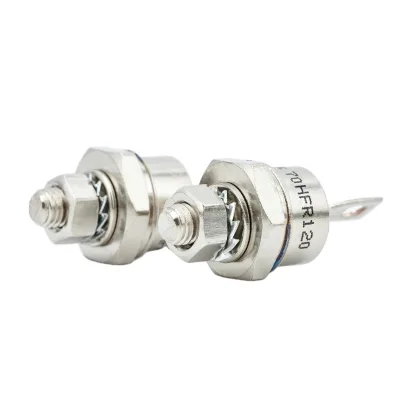


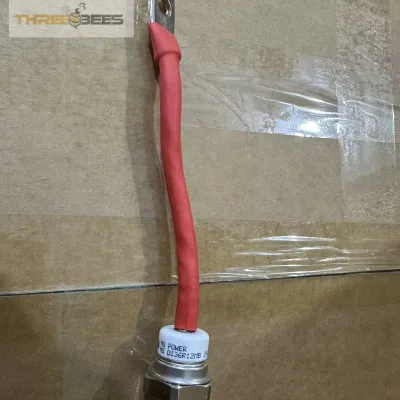
$0.00 - $0.00
MOQ: 100000 Pieces




Comprehensive Sourcing Guide
Strategic Sourcing Guide for 4P 630A Generator Diodes
Understanding Technical Specifications and Core Performance
When sourcing a 4P 630A Generator Diode, buyers must first distinguish between the specific electrical architecture required for their generator type and the generic attributes often listed in broad catalogs. The "4P" designation typically refers to a four-pulse configuration or a specific module layout within a bridge rectifier assembly, essential for converting alternating current (AC) to direct current (DC) in brushless generator systems. The "630A" rating indicates a maximum forward current capacity of 630 Amperes, a critical parameter for high-power industrial applications.
Based on observed market data for similar high-current rectifier components, the technical landscape includes various model numbers such as YZPST-ZP7100-02 and 40HFR-120, which serve as reference points for the industry. While the specific 630A rating is the target, buyers should verify the Max. Reverse Voltage (VRRM) and Max. Forward Current (IF) against their generator's excitation requirements. In the observed dataset, comparable rectifier diodes are listed with a Max. Reverse Voltage of 1200V and a Max. Forward Current of 40A, suggesting that a 630A unit will likely possess a significantly higher current handling capability and potentially a different voltage rating suited for heavy-duty excitation. The chip material is a fundamental determinant of performance; high-quality units often utilize AlGaInP or similar semiconductor compounds to ensure efficient heat dissipation and stable operation under high load.
The physical packaging type, often noted as "Chip" or integrated into a larger module, influences the thermal management strategy. Buyers must ensure the diode's IP rating and thermal resistance align with the generator's enclosure. While some listings mention an IP rating of "IPLED" or specific packaging dimensions like 15104cm, these are often specific to individual SKU variations. For a 630A unit, the physical footprint will likely be larger to accommodate the necessary heat sinks and insulation. The beam angle of 60° mentioned in some optical contexts does not apply to rectifier diodes; instead, the focus must remain on the electrical conduction angle and thermal dissipation efficiency.
Compliance, Certification, and Regulatory Standards
Navigating the compliance landscape is vital for international procurement, as generator components often face strict regulatory scrutiny. The supply chain for these components frequently cites certifications such as RoHS, CE, CCC, ISO, SGS, and Ccpit. These certifications indicate that the manufacturer adheres to specific environmental and safety standards. For instance, RoHS compliance ensures the absence of hazardous substances, while CE marking suggests conformity with European health, safety, and environmental protection standards.
However, buyers must exercise caution when interpreting these certifications. The presence of a "CE" or "CCC" label in a product listing does not automatically guarantee that every specific unit in a batch meets the latest regulatory updates. It is the buyer's responsibility to request valid, traceable certificates for the specific batch of 630A diodes being purchased. The observed data includes "CE ISO" and "CE, SGS, Ccpit" as potential certifications, but these should be verified against the specific generator model and the destination country's import regulations.
Furthermore, the standard of the product itself, often referenced as "15104cm" or "0.25kg" in general listings, serves as a baseline for packaging and shipping standards rather than a technical performance metric. For a 630A diode, the weight and dimensions will vary significantly based on the internal construction. Buyers should verify that the packaging details, such as "Standard Carton" or "Standard Export Carton," are sufficient to protect the high-value semiconductor components during transit. The origin of the product, often listed as Zhejiang, China, or Fujian, China, is a relevant factor for supply chain logistics but does not inherently dictate quality; rather, it helps in assessing the supplier's regional expertise and logistical capabilities.
Cost Drivers and Pricing Dynamics
The pricing structure for high-current generator diodes is influenced by several variables, including the raw material costs of semiconductor chips, the complexity of the rectifier module design, and the volume of the order. The observed price range in the market spans from 0 to 1000 USD, but this wide range reflects the diversity of products, from low-power diodes to high-end rectifier modules. A 630A diode, being a high-current component, will likely sit at the higher end of this spectrum due to the increased material usage and manufacturing precision required.
The Minimum Order Quantity (MOQ) is another significant cost driver. While some suppliers offer an MOQ of 1 piece to accommodate small projects, larger industrial orders often benefit from tiered pricing. The observed MOQ range extends from 1 to 100,000 units, indicating that flexibility exists in the market. However, buyers should be aware that ordering a single unit at a high price point may not be cost-effective for large-scale generator overhauls. Conversely, ordering in bulk can reduce the per-unit cost but increases the upfront capital requirement and inventory holding costs.
Payment terms also play a role in the total cost of ownership. Common terms observed include TT (Telegraphic Transfer), Western Union, and Online Trading platforms. The availability of "Small Orders" and "Accepted" payment methods suggests a flexible market, but buyers should negotiate terms that align with their cash flow. The "Warranty" period, ranging from 3 months to 1 year, is a critical financial consideration. A longer warranty period often correlates with higher initial costs but provides better long-term risk mitigation. Buyers should calculate the total cost of ownership, including potential downtime costs, rather than focusing solely on the unit price.
Typical Applications and System Integration
The primary application for a 4P 630A Generator Diode is within the excitation system of brushless generators. These diodes form part of the rotating rectifier assembly, converting the AC output from the exciter into DC to power the main rotor field winding. The "Function" of these components is explicitly defined as a "Bridge Rectifier Module for Generator," highlighting their critical role in maintaining stable generator output. The "Generator Type" is typically "Brushless," and the "Phase" is often "3 Phase," which dictates the specific configuration of the diode bridge.
Integration into the generator system requires precise matching of the diode's electrical characteristics with the generator's excitation requirements. The "Model Number" serves as a unique identifier for compatibility; for example, models like YZPST-2CL2J or Kp200A may represent different configurations suitable for specific generator brands. Buyers must ensure that the diode's voltage and current ratings exceed the generator's peak operating conditions to prevent failure under load. The "Brand Name" of the generator, such as Sailton or OEM, can also influence the compatibility of third-party diodes. While OEM parts are often preferred for warranty reasons, high-quality aftermarket alternatives can offer significant cost savings if they meet the original specifications.
The "Application" field in product listings often simply states "Diode," but for a 630A unit, the context is almost exclusively power generation. The "Batch Number," such as 2021+, is crucial for traceability and ensuring that the components are not obsolete or manufactured with outdated processes. Buyers should verify that the diodes are compatible with the specific generator model they are servicing, as mismatched components can lead to inefficient excitation, voltage instability, or complete generator failure.
Supplier Evaluation and Verification Protocols
Evaluating suppliers for high-current generator diodes requires a rigorous due diligence process. The "Supplier Type" is often listed as "Retailer," which can imply a distribution channel rather than a direct manufacturer. Buyers should verify whether the supplier is an authorized distributor or a trading company, as this impacts the authenticity of the product and the availability of technical support. The "Brand" and "Brand Name" fields, such as YZPST or OEM, provide clues about the product's origin, but buyers must confirm the actual manufacturer.
The "Place of Origin" and "Prod Origin" fields, such as Zhejiang or Fujian, China, are common for semiconductor manufacturing hubs. However, the location alone does not guarantee quality. Buyers should request evidence of the supplier's manufacturing capabilities, including factory audits or quality management system certifications. The "Certification" field, listing items like CE, ISO, and SGS, should be cross-referenced with the supplier's official documentation. A supplier claiming "CE ISO" certification should be able to provide valid certificates from recognized bodies.
The "Payment" terms and "Term" (EXW, Fob, CPT) indicate the supplier's logistical flexibility. Buyers should prefer suppliers who offer transparent shipping terms and reliable payment methods. The "Stock" availability, often marked as "yes" or "on Stock," is a positive indicator of supply chain stability, but buyers should verify the actual inventory levels to avoid delays. The "Warranty" period, ranging from 3 months to 1 year, is a key differentiator; a supplier offering a longer warranty demonstrates confidence in their product quality.
Quality Control and Long-Term Procurement Considerations
Quality control is paramount when sourcing high-current diodes, as failures in the excitation system can lead to catastrophic generator downtime. Buyers should implement a rigorous inspection protocol that includes visual checks for packaging integrity, verification of model numbers and batch numbers, and electrical testing of a sample batch. The "Lifetime" of the component, often cited as 10,000 hours, is a theoretical value that depends heavily on operating conditions. Buyers should ensure that the diodes are rated for the specific thermal and electrical stresses of their application.
The "Customization" attribute, listed as "Available," suggests that suppliers may offer tailored solutions for specific generator models. This can be beneficial for legacy equipment where standard parts are no longer available. However, customization introduces additional lead times and potential risks. Buyers should clearly define their requirements and obtain written confirmation of the customized specifications before placing an order.
Long-term procurement considerations include the availability of spare parts and the supplier's ability to provide technical support. The "Model Number" and "Specification" fields should be recorded in a central database to ensure consistency in future orders. The "Packaging Details," such as "Carton Box" or "Standard Export Carton," should be evaluated for their ability to protect the components during storage and transport. Finally, buyers should establish a relationship with a reliable supplier who can provide consistent quality and timely delivery, reducing the risk of supply chain disruptions. By focusing on these factors, buyers can ensure the reliable operation of their generator systems and minimize the total cost of ownership over the long term.
FAQs
Can I find 4p 630a generator diodes with CE and RoHS certifications?
Yes, these diodes often come with CE and RoHS certifications to ensure safety and environmental compliance. Buyers should verify specific batch certificates to confirm the unit meets current regulatory standards for their region before purchasing.
What is the typical warranty period for generator rectifier diodes?
The warranty period typically ranges from three months to one year depending on the supplier and specific model. Longer warranties often indicate higher confidence in product quality and durability for industrial generator applications.
Which payment methods are accepted for small orders of diodes?
Suppliers commonly accept TT, Western Union, PayPal, and online trading platforms for payment. These flexible terms allow buyers to manage cash flow while securing small order quantities or bulk shipments for generator maintenance.
How can I source diodes with a minimum order quantity of one piece?
You can source these components with an MOQ of one piece from retailers accepting small orders. This option is ideal for urgent repairs or testing, though unit prices may be higher compared to bulk purchases.
What packaging details should I expect for exported generator diodes?
Products are typically packed in standard cartons or export cartons to ensure safe transit. These packaging details protect the semiconductor components from physical damage and environmental exposure during international shipping to various destinations.
Can I request customization for specific generator diode models?
Customization is available for buyers needing specific configurations or legacy part replacements. Suppliers may offer tailored solutions, but this often requires clear specification details and may extend the lead time for production.
What is the origin location for these generator diode components?
The products originate from manufacturing hubs in Zhejiang and Fujian, China. These regions are known for semiconductor production, offering buyers access to established supply chains and competitive pricing for industrial electronic components.