Source 4mm Thickness Hydroponics Sensor for Biochemistry, Medical Research, Food Analysis
Compare 30 listings for the 4mm Thickness Hydroponics Sensor suitable for biochemistry, medical research, and food analysis. Buyers can evaluate specifications like measuring range, accuracy, and communication interfaces from verified suppliers in China.
Key considerations
Products List






Comprehensive Sourcing Guide
Strategic Sourcing Guide for Hydroponics Sensors
Understanding Sensor Specifications for Hydroponic Systems
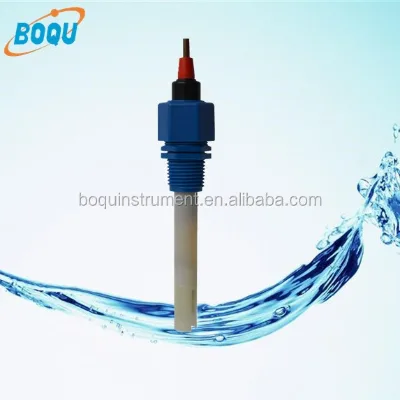
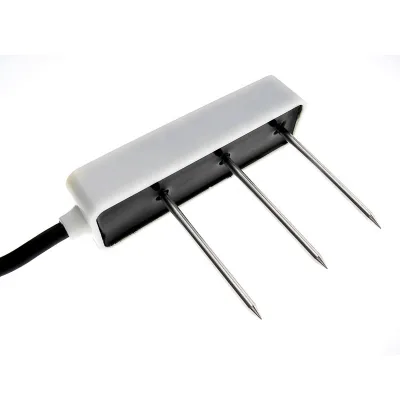
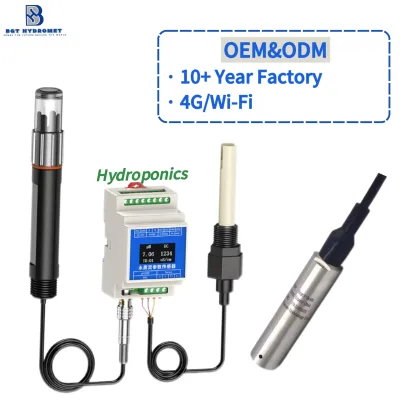
When sourcing a 4mm Thickness Hydroponics Sensor, buyers must first distinguish between the physical form factor and the functional measurement capabilities. The term "4mm thickness" typically refers to the probe diameter or the housing profile of immersion-style sensors designed for tight integration into nutrient delivery lines or reservoirs. Based on available market data, sensors for this application often feature a plastic shell material, which is critical for resisting corrosion from nutrient solutions and preventing contamination. The physical dimensions of the single package size for such industrial-grade units can vary significantly, with some configurations reaching up to 33x33x24 cm for shipping, while the sensor itself adheres to specific standard diameters, such as 35mm, and lengths around 260mm.
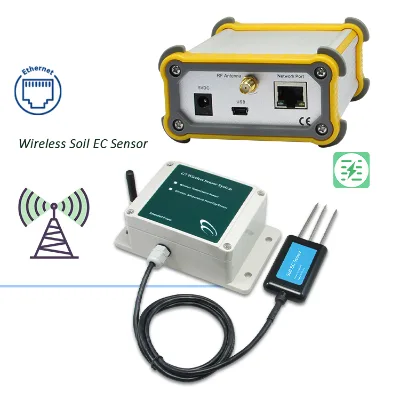
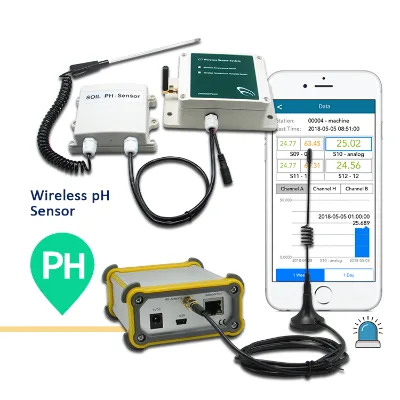
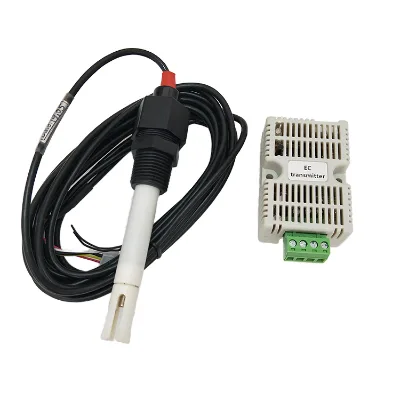
The core functionality of these devices revolves around measuring electrical conductivity (EC) and pH levels, which are the two most vital parameters in hydroponic cultivation. The measuring range for conductivity sensors in this category frequently spans from 0 to 2000 µS/cm, covering the typical needs of most hydroponic crops. Some advanced models offer broader ranges, including 0-20/200/2000 µS/cm, as well as measurements in millisiemens (mS/cm), allowing for the monitoring of high-concentration nutrient mixes. For pH monitoring, the operational range is standardly 0 to 14 pH, with a resolution as fine as 0.01 pH, ensuring precise adjustments to the nutrient solution's acidity. The accuracy of these measurements is a critical specification, with industry standards often citing an accuracy of ±5% for conductivity readings.
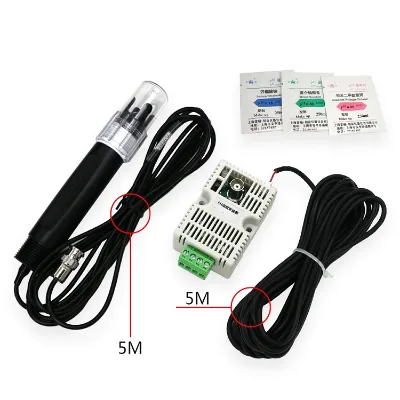
Temperature compensation is another essential technical specification, as EC readings are highly temperature-dependent. Sensors in this sector often utilize NTC10K thermistors for temperature sensing, with working temperature ranges extending from 0.0°C to 100.0°C or, in more robust industrial variants, from -10°C to 60°C. The working pressure ratings are equally important for systems under flow; specifications indicate a working pressure capability of up to 6 bar, though some models are rated for 0-2 bar. The connection interface is typically a 1-inch NPT thread or a 3/4 NPT pipe thread, facilitating easy installation into standard hydroponic piping. The lead wire length is a practical consideration, with standard configurations offering a 10-meter cable to allow for flexible sensor placement away from the controller.
Compliance and Certification Verification
In the B2B procurement of hydroponics sensors, verifying compliance with international safety and environmental standards is non-negotiable. Buyers should prioritize suppliers who can provide documentation for CE and RoHS certifications, which indicate compliance with European health, safety, and environmental protection requirements. These certifications are frequently observed in the product listings for sensors originating from major manufacturing hubs in China. Additionally, ISO certification is a key indicator of a supplier's adherence to quality management systems, ensuring that the manufacturing process is consistent and reliable.
For digital sensors, which are increasingly common in modern hydroponic setups, FCC certification may also be relevant, particularly if the device emits radio frequency energy or is intended for use in markets with strict electromagnetic interference regulations. The presence of these certifications should be verified against the specific model number, as compliance can vary between product lines. For instance, while some models are listed with CE, RoHS, and ISO certifications, others might include FCC, suggesting a broader market readiness. It is crucial for buyers to request current certification documents rather than relying on general marketing claims, as these documents serve as the primary evidence of regulatory compliance.
Furthermore, the material composition of the sensor must align with environmental safety standards. The use of plastic shells, specifically materials like PC/ABS, is common due to their durability and resistance to chemical degradation. However, buyers must ensure that these materials are free from harmful substances, a requirement often validated by RoHS compliance. The packaging details, which may include PP bags, paper boxes, and sponge for protection, should also be evaluated to ensure they meet shipping standards without introducing contaminants to the sensor.
Cost Drivers and Pricing Dynamics
The pricing of hydroponics sensors is influenced by a complex interplay of factors, including the complexity of the measurement technology, the quality of materials, and the level of digital integration. The observed price range in the market for these devices spans from $10 to $5,000 USD, reflecting a vast difference between basic analog probes and sophisticated digital transmitters with multiple communication interfaces. A sensor with a simple 4mm probe and basic analog output will likely fall at the lower end of this spectrum, while a unit featuring digital output capabilities, such as RS485 or RS232 interfaces, and advanced features like Modbus RTU communication, will command a significantly higher price.
Supply ability is another critical cost driver. Manufacturers with a high supply capacity, such as 2000 pieces per month, can often offer more competitive pricing due to economies of scale. However, buyers must balance cost with the Minimum Order Quantity (MOQ), which typically ranges from 1 to 10 units for these products. A low MOQ allows for smaller batch testing, which is beneficial for startups or research facilities, but may result in a higher unit cost. Conversely, larger orders can leverage volume discounts, but the buyer must ensure they have the storage and deployment capacity to utilize the inventory.
Customization is a significant factor that can drive up costs. While many suppliers offer standard models, the availability of customization options allows buyers to tailor the sensor to specific hydroponic system requirements. This could include custom cable lengths, specialized thread sizes, or unique housing materials. The cost of customization must be weighed against the operational benefits it provides. Additionally, the origin of the product, whether from Shanghai or Beijing, can influence logistics costs and lead times, which indirectly affect the total cost of ownership. Buyers should also consider the single gross weight of the product, which is approximately 2.5 kg for some models, as this impacts shipping expenses.
Typical Applications and Operational Context
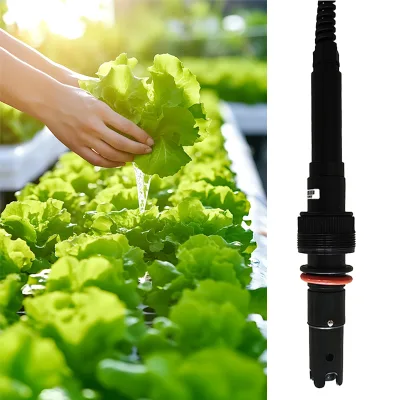
Hydroponics sensors with a 4mm thickness are designed for a wide array of applications, ranging from small-scale research to large-scale commercial agriculture. The primary application areas include biochemistry, medical research, and food analysis, where precise monitoring of nutrient solutions is critical. In the context of hydroponics, these sensors are essential for maintaining the optimal balance of nutrients and pH levels in the water, directly impacting plant health and yield. The ability to perform immersion measurements makes these sensors ideal for direct placement in reservoirs or nutrient tanks.
The versatility of these sensors extends to various environments, including sewage treatment and industrial water analysis, although their primary design focus remains on agricultural and research applications. The working temperature range of 0.0°C to 100.0°C allows for use in diverse climates, from heated greenhouses to outdoor systems in temperate regions. The working pressure rating of up to 6 bar ensures that the sensors can withstand the hydraulic pressures found in pressurized irrigation systems.
For commercial hydroponic farms, the reliability of the sensor is paramount. The digital output capabilities, such as 4-20mA and Modbus output, facilitate seamless integration with automated control systems. This integration allows for real-time monitoring and automatic adjustment of nutrient dosing, reducing labor costs and minimizing the risk of human error. The support for all digital sensors further enhances compatibility with modern control units, making these devices a cornerstone of precision agriculture.
Supplier Evaluation and Selection Criteria
Selecting the right supplier for hydroponics sensors requires a rigorous evaluation process that goes beyond simple price comparison. Buyers should assess the supplier's production capabilities, including their supply ability and the consistency of their manufacturing processes. A supplier with a monthly capacity of 2000 pieces is likely to have robust production lines and quality control measures in place. The location of the supplier, such as Shanghai or Beijing, can also provide insights into their logistical capabilities and proximity to key ports for international shipping.
The product model number is a critical identifier for evaluation. Models such as DDG-1.0, ASP400N, ASP300V, and WTF-PH represent different generations or types of sensors, each with its own set of specifications. Buyers should carefully review the technical data for each model to ensure it meets their specific requirements. The presence of certifications like CE, RoHS, and ISO is a strong indicator of a supplier's commitment to quality and compliance. Additionally, the availability of customization services can be a deciding factor for buyers with unique system requirements.
The packaging details and shipping logistics are also important considerations. Suppliers that use secure packaging methods, such as PP bags, paper boxes, and sponge, demonstrate a concern for product integrity during transit. The port of dispatch, typically Shanghai, should be considered in the context of the buyer's location to estimate lead times and shipping costs. The selling units, often listed as single items, indicate that the supplier is flexible in their order quantities, which is beneficial for buyers who do not require large initial orders.
Quality Control and Long-Term Procurement
Quality control is the backbone of successful procurement in the hydroponics sensor market. Buyers must implement a robust quality assurance plan that includes pre-shipment inspections and post-delivery testing. The accuracy of ±5% and the resolution of 0.01 pH are specifications that must be verified through independent testing to ensure the sensors perform as advertised. The use of standard test procedures and calibrated equipment is essential for validating the performance of the sensors.
Long-term procurement considerations involve building a sustainable relationship with suppliers who can provide consistent quality and support. The availability of spare parts and technical support is crucial for maintaining the operational continuity of hydroponic systems. Buyers should also consider the lifecycle of the sensor, including the expected lifespan and the frequency of calibration required. The working temperature and pressure ratings should be regularly reviewed to ensure they remain suitable for the specific application environment.
The communication method, such as RS485 with Modbus RTU, should be compatible with the buyer's existing infrastructure. The maximum baud rate of 115200 BPS indicates a high-speed data transfer capability, which is beneficial for real-time monitoring. However, buyers must ensure that their control systems can support this speed and protocol. The data output options, including 4-20mA and Modbus, provide flexibility in system integration, but the buyer must verify compatibility with their specific hardware.
In conclusion, sourcing a 4mm Thickness Hydroponics Sensor requires a comprehensive understanding of technical specifications, compliance requirements, cost drivers, and supplier capabilities. By carefully evaluating these factors, buyers can make informed decisions that ensure the reliability and efficiency of their hydroponic systems. The market offers a wide range of options, from basic analog probes to advanced digital sensors, each with its own set of advantages and considerations. A strategic approach to procurement, grounded in evidence and technical verification, is essential for achieving long-term success in hydroponic cultivation.
FAQs
What is the measuring range for conductivity in these sensors?
The measuring range spans from 0 to 2000 microsiemens per centimeter. Some models offer broader ranges including 0-20, 200, or 2000 millisiemens per centimeter to cover high-concentration nutrient mixes.
Can these sensors operate in high-pressure hydroponic systems?
Yes, they can operate under working pressures up to 6 bar. Some specific models are rated for 0 to 2 bar, ensuring compatibility with various flow and pressure conditions in irrigation lines.
Which certifications do these hydroponics sensors typically hold?
Common certifications include CE, RoHS, and ISO for safety and quality compliance. Some digital models also carry FCC certification, indicating readiness for markets with strict electromagnetic interference regulations.
How accurate are the pH and conductivity measurements provided?
The accuracy for conductivity readings is typically plus or minus 5 percent. The pH resolution can be as fine as 0.01 pH, ensuring precise adjustments to nutrient solution acidity levels.
What is the standard lead wire length for these sensors?
The standard lead wire length is 10 meters. This length allows for flexible sensor placement away from the controller while maintaining reliable signal transmission in the hydroponic setup.
Which materials are used for the sensor shell construction?
The shell is constructed from plastic, specifically PC/ABS material in some models. This material choice provides durability and resistance to chemical degradation from nutrient solutions.
Can buyers request customization for these sensor models?
Yes, customization is available for specific hydroponic system requirements. Buyers can tailor aspects like cable lengths or thread sizes to fit unique installation needs.