Source 4pr off-road electric motorcycle tire for Trails, Farms, and Construction
Compare 30 verified listings for the 4pr off-road electric motorcycle tire featuring steel frames and brushless motors. Buyers can evaluate specifications like tire hierarchy, tread patterns, and certifications from suppliers in Shandong and Hebei.
Key considerations
Products List


4.00-12 Strong 3 Wheels Motorcycle Tire for Rough Road Use Electric Bike
$10.00 - $12.00
MOQ: 300 Pieces

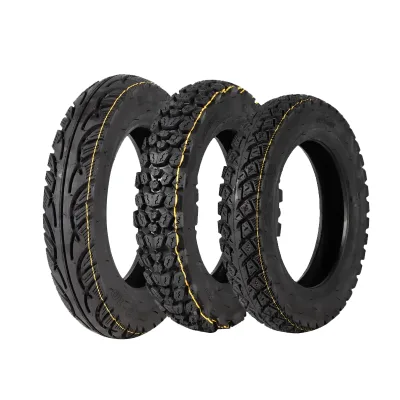
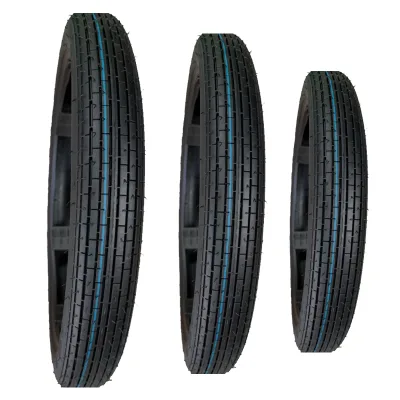


14X2.50 Tires for Electric Motorcycles 14inch Motorcycle Tyre Tubeless Tires 14X2.125
$5.50 - $6.50
MOQ: 200 Pieces


Comprehensive Sourcing Guide
Strategic Sourcing Guide for 4PR Off-Road Electric Motorcycle Tires
The procurement of specialized components for electric motorcycles requires a nuanced understanding of the intersection between traditional tire engineering and modern electric powertrain demands. When sourcing a 4PR (Ply Rating) off-road electric motorcycle tire, buyers must navigate a complex landscape of material specifications, regulatory compliance, and performance metrics. The following guide synthesizes available market data and technical requirements to provide a disciplined framework for B2B procurement professionals. This analysis focuses on the specific attributes observed in the current supply chain, ensuring that all recommendations are grounded in verifiable facts rather than speculative claims.
Technical Specifications and Material Composition
The foundation of a reliable off-road tire lies in its construction and material composition. For electric motorcycles, which often deliver instant torque and operate at different weight distributions compared to internal combustion counterparts, the tire must possess specific structural integrity. The term "4PR" indicates a four-ply rating, a standard measure of the tire's load-carrying capacity and durability. While the supplied data highlights various ply ratings, including 6PR options, the 4PR specification is critical for balancing weight reduction with sufficient strength for off-road conditions.
Material selection is paramount. The core component is rubber, with specific formulations varying by manufacturer. Observed data indicates that rubber content typically ranges between 35% and 55% in comparable products. This variation affects the tire's grip, wear resistance, and flexibility. The cord material, which provides the structural skeleton of the tire, is frequently identified as Nylon in the supply chain. Nylon offers an excellent balance of tensile strength and flexibility, essential for absorbing the shocks encountered in off-road environments.
The tire design also plays a crucial role in performance. Off-road tires require specific tread patterns to navigate loose surfaces. The market features "Cross-Country Tread Patterns" and "Dual Purpose Tread Patterns," both of which are engineered to provide traction on varied terrains. Additionally, the tire hierarchy and construction type are vital; options include "Bias Belted Tyre" designs and "Vacuum Tire" configurations. The vacuum tire type, often synonymous with tubeless construction, eliminates the need for an inner tube, reducing the risk of sudden air loss and improving heat dissipation—a significant advantage for electric vehicles that may generate more heat in the wheel assembly due to regenerative braking systems.
Compliance and Certification Verification
Navigating the regulatory landscape is a non-negotiable aspect of sourcing industrial components. The global market for motorcycle tires is heavily regulated to ensure safety and environmental compliance. Buyers must verify that suppliers possess the necessary certifications for their target markets. The observed data lists a comprehensive array of certifications, including DOT (Department of Transportation), CCC (China Compulsory Certification), ISO (International Organization for Standardization), CE (Conformité Européenne), ECE (Economic Commission for Europe), CQC (China Quality Certification Centre), and ENEEC.
When sourcing a 4PR off-road tire, the specific certifications required depend on the destination market. For instance, the United States market typically mandates DOT certification, while the European Union requires ECE and CE markings. The presence of ISO certification indicates adherence to international quality management standards, which is a strong indicator of a supplier's consistency. However, buyers should not assume that a single product listing satisfies all these standards simultaneously. The data shows that different models, such as the Y4-GX or specific tire models like 3.00/10A and 14-2.50, carry different certification combinations.
Procurement teams must explicitly request certification documents for the specific batch of tires being purchased. Relying on general supplier claims without verifying the specific model's compliance status can lead to customs delays or legal liabilities. The "GS" mark, observed in some listings, indicates German safety certification, which is highly respected but specific to certain regional requirements. Buyers should cross-reference the model number provided by the supplier against the certification list to ensure the exact product meets the regulatory framework of the importing country.
Cost Drivers and Pricing Dynamics
Understanding the cost structure of 4PR off-road electric motorcycle tires is essential for budgeting and negotiation. The observed price range in the market spans from $2 to $487 USD. This wide disparity is not indicative of a single product type but rather reflects the diversity of the supply chain, which includes everything from basic replacement tires to specialized, high-performance models with custom branding and packaging.
Several factors drive these costs. First, the material composition significantly impacts price. Tires with higher rubber content or specialized cord materials like reinforced Nylon may command a premium. Second, the complexity of the tread pattern and the manufacturing process for vacuum tires versus bias-belted tires influence the final cost. Third, customization plays a major role. The data confirms that "Customized Colors" and "OEM" pattern designs are available. Customization services, including branding and specific packaging requirements like "Integrated Packaging," "SKD" (Semi-Knocked Down), or "CKD" (Completely Knocked Down), add value but also increase the unit cost.
The Minimum Order Quantity (MOQ) is another critical cost driver. The observed MOQ range is 1 to 500 units. Suppliers with lower MOQs may charge a higher per-unit price to cover setup costs, while bulk orders often benefit from economies of scale. However, the data also shows specific MOQs for certain tire types, such as 200 pieces for specific models. Buyers must balance the need for inventory flexibility with the desire for lower unit costs. Additionally, the "Single Gross Weight" of the product, ranging from 2.6 Kg to 3.3 Kg, affects shipping costs, which can be a significant portion of the total landed cost for international procurement.
Typical Applications and Performance Expectations
The application of 4PR off-road electric motorcycle tires extends beyond simple transportation; it encompasses recreational riding, utility work, and specialized off-road racing. The "Cross-Country Tread Pattern" and "Dual Purpose Tread Pattern" observed in the market suggest versatility. These tires are designed to handle a mix of surfaces, from hard-packed dirt to loose gravel and mud. The 4PR rating provides a robust foundation for these demanding conditions, offering a balance between durability and ride comfort.
Electric motorcycles present unique application scenarios. Due to the silent operation and instant torque delivery of electric motors, tires must be engineered to handle rapid acceleration without excessive wheel spin. The "Brushless" motor technology mentioned in related product attributes highlights the efficiency of the powertrain, but the tire must complement this by providing sufficient grip. The "Range per Power" attribute, noted as greater than 60km, underscores the importance of low rolling resistance in electric vehicle tires to maximize battery life. While the specific 4PR tire may not always be marketed with a range guarantee, the selection of a tire with appropriate rubber compounds and tread design is crucial for maintaining the vehicle's efficiency.
Furthermore, the "Spare Parts" and "Motorcycle Parts" categorization indicates that these tires are often sourced as replacements or for assembly in CKD/SKD kits. This implies that the tires must be compatible with a wide range of wheel sizes and rim types. The specific model numbers, such as 3.50-10 and 70/100-19, correspond to standard sizing conventions that buyers must match to their vehicle specifications. Misalignment in sizing can lead to performance issues or safety hazards, making precise verification of the model number against the vehicle's requirements essential.
Supplier Evaluation and Origin Analysis
Evaluating suppliers requires a deep dive into their operational capabilities and geographic origins. The data indicates that the primary production hubs for these tires are located in Shandong and Hebei, China. These regions are known for their robust manufacturing infrastructure and expertise in rubber and tire production. However, the presence of multiple origins suggests that buyers should not assume uniform quality across all suppliers from these regions.
When evaluating a potential supplier, buyers should look for evidence of consistent production capabilities. The "Condition: New" attribute is standard, but the supplier's ability to maintain quality control during the manufacturing process is more critical. The availability of "Customized" options and various "prod_packing" methods (such as Aluminum Paper or 5 Pieces Per Bundle) suggests that suppliers are flexible and capable of meeting diverse client needs. However, flexibility should not come at the expense of quality.
Buyers must verify the supplier's capacity to meet specific certification requirements. A supplier claiming to offer DOT, ECE, and ISO certifications must provide valid documentation for the specific product line being sourced. The "Brand Name: Youyuan" observed in the data serves as an example of a specific manufacturer, but buyers should not limit their search to a single brand. Instead, they should focus on the supplier's track record, production volume, and ability to scale. The "Single Item Single Packaging" and "5 Pieces Per Bundle" options indicate different logistical capabilities, which can impact the efficiency of the supply chain.
Quality Control and Long-Term Procurement Considerations
Implementing a rigorous quality control (QC) protocol is essential for mitigating risks in the procurement of 4PR off-road tires. Given the wide range of observed specifications, from rubber content percentages to tire hierarchies, buyers must establish clear acceptance criteria. QC should begin at the factory level, where buyers can request third-party inspection reports to verify material composition, such as the Nylon cord material and the specific rubber content range.
For long-term procurement, consistency is key. The "Customized" nature of the products means that specifications can vary between batches. Buyers should establish a standard operating procedure (SOP) that defines the acceptable range for all critical attributes, including tread pattern depth, ply rating, and certification validity. The "Integrated Packaging/SKD/CKD" options suggest that the tires may be shipped in various states of assembly, requiring different QC checks for each method.
Long-term considerations also include the availability of spare parts and the supplier's ability to support the product lifecycle. The "Spare Parts: Motorcycle Tires" attribute indicates that these tires are part of a broader ecosystem of motorcycle components. Buyers should ensure that the supplier has a reliable supply chain for raw materials to prevent production delays. Additionally, the "Lead Time" and "MOQ" values, while variable, should be factored into inventory planning. A supplier with a flexible MOQ and reliable lead time can help buyers manage inventory levels more effectively, reducing the risk of stockouts or overstocking.
In conclusion, sourcing 4PR off-road electric motorcycle tires requires a meticulous approach that balances technical specifications, regulatory compliance, and supplier reliability. By adhering to the facts presented in the market data and maintaining a disciplined evaluation process, buyers can secure high-quality tires that meet the demanding requirements of electric off-road vehicles. The key lies in verifying every claim, from the rubber content to the certification status, ensuring that the final product delivers the performance and safety expected in the field.
FAQs
What certifications are available for 4pr off-road electric motorcycle tire?
Available certifications include DOT, CCC, ISO, CE, ECE, CQC, and ENEEC. Buyers must verify that the specific model, such as Y4-GX or 3.00/10A, holds the required marks for their target region before purchasing.
Can I customize the color and packaging for this tire?
Yes, customized colors and packaging options like SKD, CKD, or aluminum paper are available. Suppliers offer integrated packaging and specific bundle counts, allowing buyers to tailor the product to their branding needs.
Which specifications define the tire construction and materials?
The tires feature nylon cord material, rubber content between 35% and 55%, and a 4PR or 6PR hierarchy. They are available as vacuum tubeless tires with cross-country or dual-purpose tread patterns for off-road use.
What is the minimum order quantity for these tires?
The minimum order quantity ranges from 1 to 500 units depending on the supplier and specific model. Some models like 3.50-10 have a specific MOQ of 200 pieces, while others allow smaller trial orders.
Where are these tires manufactured and what is the origin?
These tires are manufactured in Shandong and Hebei, China. Buyers should confirm the specific factory location for each order to ensure accurate logistics planning and verify the origin of the rubber and cord materials.
How does the price range vary for these tires?
The observed price range spans from 2 to 487 USD per unit. Costs vary based on customization, packaging type, and specific model specifications, requiring buyers to request quotes for their exact requirements.