Source 650W Rotary Weed Cutter Machine for Lawn, Farmland, and Tea Tree
Find and compare 30 listings for the 650W Rotary Weed Cutter Machine suitable for lawn maintenance, farmland clearing, and tea tree cultivation. Review specifications such as cutting width, weight, and tractor-mounted options to identify the right equipment for your agricultural needs.
Key considerations
Products List


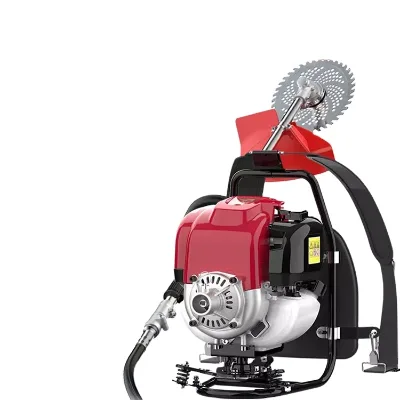


Multi-Functional Electric Lawn Mower Lawn Mower Lawn Machine Garden Weeder
$60.00 - $399.00
MOQ: 1 Pieces

Field Mower Agruiculture Machine
$800.00 - $1000.00
MOQ: 1 Pieces
Shandong Liying Agricultural Technology Development Co., Ltd.


Grass Cutting Machine Remote Control Lawn Mower 550mm 800mm Lawn Cutter
$999.00 - $1100.00
MOQ: 1 Pieces


Comprehensive Sourcing Guide
650W Rotary Weed Cutter Machine Sourcing Guide
Procuring a 650W rotary weed cutter requires careful alignment of power specifications with intended operational environments. While the core keyword specifies a 650W electric motor, the broader market for rotary weed cutters often includes petrol-driven or tractor-mounted alternatives. Buyers must verify that the specific unit matches their power infrastructure, distinguishing between battery-operated, corded electric, and internal combustion engines. The observed product data indicates a wide variance in power sources, including 2 HP petrol engines and tractor PTO drives, which significantly alters the mechanical design and maintenance requirements.
Understanding the distinction between electric rotary cutters and heavier agricultural machinery is critical for accurate sourcing. The supplied facts highlight models with cutting widths of 800mm and weights ranging from 26.5kg to 248kg, suggesting that a 650W unit is likely a lighter, handheld, or walk-behind variant rather than a heavy-duty tractor attachment. Buyers should confirm the torque characteristics and blade type, such as sickle-bar or straight metal blades, to ensure the machine can handle the specific vegetation density in farmland, lawns, or tea plantations without stalling or excessive wear.
Product Scope and Observed Listing Signals
The current market landscape for rotary weed cutters exhibits significant diversity in application fields and physical attributes. Listings indicate usage across farmland, lawns, tea trees, fruit trees, and paddy fields, reflecting the versatility of rotary cutting technology. The observed price range spans from $49 to $80,000, highlighting a vast disparity between small handheld units and large-scale agricultural implements. This wide spectrum necessitates precise filtering by power rating and weight to isolate the 650W category, ensuring that procurement efforts focus on equipment suitable for medium-duty tasks rather than industrial-scale land clearing.
Weight and packaging details provide further insight into the product tier and logistics requirements. Observed weights vary from 26.5kg to 28kg for lighter models, up to 248kg for heavier machinery, indicating that a 650W unit likely falls within the lower weight bracket. Packaging methods include bubble film with cartons, wooden boxes, and wooden cases, which directly impact shipping costs and protection during transit. Buyers should prioritize suppliers who offer robust packaging for electric units to prevent damage to motor housings and electrical components during international shipping, especially when sourcing from regions like China where export logistics are common.
Technical Specifications to Verify
Verifying the cutting width and height adjustment mechanisms is essential for operational efficiency. The observed data includes a cutting width of 800mm and a cutting height range of 10-80mm, which are typical for rotary mowers designed for broad coverage. For a 650W machine, buyers must confirm if the cutting width is appropriate for the target area, as narrower widths may require more passes, while wider decks might exceed the motor's torque capacity. Additionally, the drive type, whether gear drive or direct drive, influences maintenance frequency and power transmission efficiency, requiring careful evaluation against the expected workload intensity.
The power source and engine type dictate the operational flexibility and environmental constraints of the machine. While the core keyword specifies 650W, likely electric, the market data shows petrol engines like the Loncin224 and tractor-mounted options. Buyers must ensure the 650W specification refers to the input electrical power and not a misleading output rating. Furthermore, the arbor configuration, typically horizontal axis for rotary cutters, and the moving way, such as tractor-mounted or walk-behind, must align with the user's physical capabilities and site accessibility. Confirming these mechanical details prevents mismatches between equipment capabilities and site conditions.
Compliance and Safety Documentation
Certification verification is a non-negotiable step for importing agricultural machinery. The observed listings frequently cite ISO 9001 and CE certifications, indicating adherence to quality management systems and European safety standards. For a 650W rotary weed cutter, buyers must request valid CE marks to ensure compliance with EU machinery directives, particularly regarding noise emissions and electromagnetic compatibility for electric motors. ISO 9001 certification suggests a standardized manufacturing process, which can be a proxy for consistent build quality, but buyers should verify the scope of the certificate to ensure it covers the specific model being purchased.
Safety features and operational documentation are critical for risk mitigation in the workplace. Rotary cutters involve high-speed blades, making guard design and emergency stop mechanisms vital safety components. Buyers should inquire about the presence of blade guards, vibration dampening handles, and clear operational manuals in the target language. Additionally, for electric models, verifying IP ratings for water and dust resistance is crucial, especially if the machine will be used in damp environments like paddy fields or early morning lawns. Ensuring that all safety interlocks are functional and documented reduces liability and enhances operator confidence.
Cost Drivers and Commercial Terms
The observed MOQ range of 1-500 units suggests flexibility for both sample orders and bulk procurement. Buyers should leverage this range to negotiate favorable terms, especially if ordering multiple units to amortize shipping and setup costs. The wide price range indicates that cost is heavily influenced by material quality, motor brand, and included accessories. For a 650W machine, buyers should compare the cost per unit against the durability of the cutting head and the warranty period offered, as cheaper units may incur higher long-term maintenance costs due to inferior bearings or seals.
Customization options and packaging choices also impact the total landed cost. The availability of customization allows buyers to tailor the machine to specific branding or functional needs, such as adding specific handles or changing the color to green or red as observed in the data. However, customization may increase lead times and unit costs. Buyers should also consider the packaging standard, with wooden cases offering superior protection but higher shipping volumes compared to standard cartons. Balancing protection needs with freight costs is essential for optimizing the overall procurement budget without compromising product integrity.
Supplier Qualification and Quality Control
Supplier qualification should focus on manufacturing capabilities and quality assurance processes. Given the observed origin in China, buyers should verify the supplier's production capacity and history with rotary cutters. Requesting factory audits or third-party inspection reports can provide insights into the assembly line standards and quality control checkpoints. Suppliers with ISO 9001 certification are generally more reliable, but buyers should also assess their after-sales support structure, including the availability of spare parts like blades, motors, and gears, which are subject to wear and tear.
Quality control measures should include pre-shipment inspections to verify functional performance. Buyers should specify acceptance criteria for motor run-out, blade balance, and overall assembly quality. For electric models, testing the insulation resistance and ground continuity is crucial to prevent electrical hazards. Additionally, verifying the accuracy of the cutting height adjustment mechanism ensures consistent performance in the field. Establishing a clear quality agreement with the supplier, including penalties for non-conformance, helps maintain product standards and protects the buyer's investment in the supply chain.
Long-Term Procurement Checks
Long-term success depends on the availability of technical support and spare parts. Buyers should establish a relationship with the supplier for ongoing technical assistance, particularly for troubleshooting motor issues or blade replacement. The observed product models, such as MR-1, GM-01, and RMGC series, indicate a range of options, but buyers should ensure that the specific 650W model has a dedicated parts catalog. Access to genuine spare parts reduces downtime and extends the machine's lifespan, making it a critical factor in the total cost of ownership calculation.
Continuous monitoring of supplier performance and market trends is essential for future procurement cycles. Buyers should track feedback from end-users regarding the durability and efficiency of the 650W rotary weed cutter. This feedback can inform future purchasing decisions, such as upgrading to higher power models or switching suppliers if quality issues arise. Additionally, staying informed about regulatory changes in target markets, such as new noise or emission standards, ensures that future purchases remain compliant. Building a robust supplier evaluation framework helps mitigate risks and ensures a steady supply of reliable agricultural machinery.
FAQs
What is the cutting width of the 650W Rotary Weed Cutter Machine?
The cutting width is 800mm for models like MR-1 and GM-01. This specification ensures efficient coverage for farmland and lawn applications while maintaining stability during rotary operation.
Can the machine be customized for specific farming needs?
Yes, customization is available for various agricultural requirements. Buyers can request specific configurations for different crops like tea trees or fruit trees to match their unique operational demands.
Which certifications does the 650W Rotary Weed Cutter Machine hold?
The machine holds ISO 9001 certification, ensuring quality management standards. Some models also meet ISO 9001:2000 or ISO 9001:Type:Tractor standards for reliable performance in diverse farming environments.
How is the 650W Rotary Weed Cutter Machine packed for shipping?
Packaging options include bubble film with carton, wooden boxes, or wooden cases depending on the model. This ensures safe transport and protection against damage during international logistics operations.
What is the weight range of the 650W Rotary Weed Cutter Machine?
Weights vary from 26.5kg to 248kg across different models. Lighter units suit small lawns while heavier versions provide durability for large-scale farmland and paddy field operations requiring robust performance.
Which power source drives the 650W Rotary Weed Cutter Machine?
Power sources include 2 HP electric motors or petrol gasoline engines like Loncin224. This flexibility allows users to select the optimal drive type for their specific field conditions and energy availability.