Source 660nm And 850nm Red Light Therapy Bulb for Home Salon Spa
Compare 30 listings for the 660nm And 850nm Red Light Therapy Bulb featuring 18W to 300W power options. Buyers can evaluate specifications like wavelength, dimensions, and certifications from verified Chinese manufacturers.
Key considerations
Products List


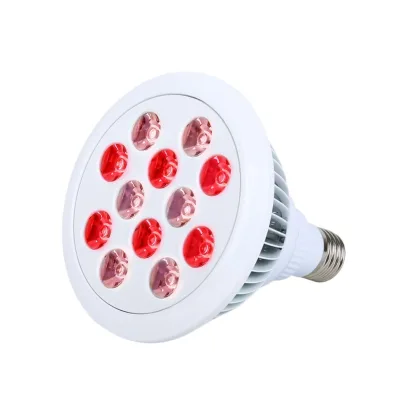


Rlttime 660 Red 860 Infrared LED Light Therapy Bulb for Migraine Relief
$98.00 - $135.00
MOQ: 1 Pieces


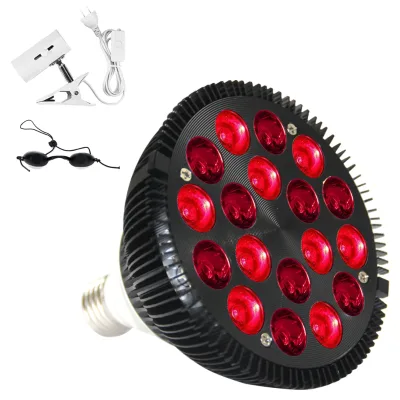
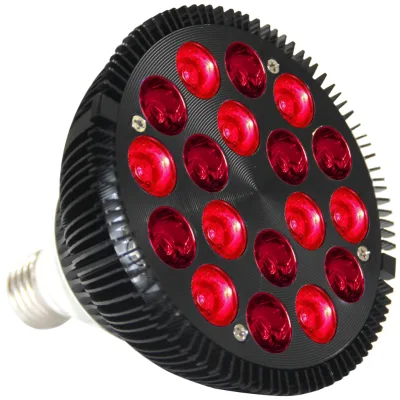


Red Light Infrared Light Therapy Bed 660nm 850nm 940nm Therapy Red Light Bed
$10860.00 - $12060.00
MOQ: 1 Sets


Near Infrared Red Light Therapy Bed 810nm 940nm Red Therapy Light Bed
$10860.00 - $12060.00
MOQ: 1 Sets


Red Light Therapy for Face and Body Red Infrared Light Therapy Chamber 660nm
$27360.00 - $28800.00
MOQ: 1 Pieces

660nm Red Light 850nm Near-Infrared Full Body Infrared Light Therapy Chamber
$27360.00 - $28800.00
MOQ: 1 Pieces

Pain Relief LED Light Photodynamic Near Infrared Red Light Therapy Chamber
$27360.00 - $28800.00
MOQ: 1 Pieces



Comprehensive Sourcing Guide
660nm And 850nm Red Light Therapy Bulb Sourcing Guide
Product Scope and Observed Listing Signals
The market for red light therapy bulbs featuring 660nm and 850nm wavelengths presents a diverse range of products tailored for both professional and personal use. Current listings indicate a broad price spectrum, with observed values ranging from approximately $7.45 to $28,800 USD, reflecting significant variations in power output, build quality, and intended application. Minimum order quantities (MOQs) are similarly flexible, typically starting at just one unit for sample testing and scaling up to 100 units for bulk procurement. This wide variance suggests that buyers can source everything from single portable units for home use to high-power industrial-grade fixtures for salon environments, depending on their specific operational needs and budget constraints.
Product attributes observed in the current market highlight a strong emphasis on portability and versatile power inputs. Many devices are marketed as portable, featuring compact dimensions such as 12cm x 13cm or 12*12cm, which facilitates easy transport and storage. These units often support a wide input voltage range, including AC 85-265V or AC 100-240V, ensuring compatibility with electrical standards in various global regions. The materials used in construction frequently include aluminum alloy for the lamp body, providing durability and heat dissipation, while the packaging is designed to protect the device during transit, often utilizing foam and carton combinations.
Technical Specifications to Verify
When evaluating technical specifications, buyers must prioritize the verification of wavelength accuracy and light density, as these are critical for the efficacy of red light therapy. The core products in this category typically emit at 660nm (red) and 850nm (near-infrared), which are the standard wavelengths for therapeutic applications. It is essential to confirm the light density, with some observed products boasting densities greater than 300mW/cm², a metric that directly influences the depth of tissue penetration and treatment intensity. Buyers should request specific spectral data sheets to ensure that the emitted light matches the claimed wavelengths, as deviations can significantly reduce therapeutic benefits.
Power consumption and electrical characteristics are another vital area for verification, as they impact both operational costs and device safety. Observed power ratings vary widely, with some units operating at 18W, others at 54W, and high-end models reaching up to 300W. The number of LEDs also varies, with some devices containing 18 pieces of 3W LEDs, while others may have different configurations. Buyers should verify the beam angle, with some products featuring a 30-degree lens to concentrate the light, and check the IP rating, such as IP33, to understand the device's resistance to dust and water ingress. Additionally, the presence of an LCD display and the ability to customize settings can enhance user experience, particularly in professional settings.
Compliance and Safety Documentation
Compliance with international safety and electromagnetic compatibility standards is non-negotiable for red light therapy devices. Buyers should insist on certifications such as CE, FCC, and FDA, which indicate that the product meets specific regulatory requirements for safety and performance in the European Union, United States, and other markets. The presence of these certifications suggests that the manufacturer has undergone rigorous testing for electrical safety, electromagnetic interference, and potentially biocompatibility, depending on the specific certification body. It is crucial to verify the validity of these certificates directly with the issuing authority, as counterfeit documentation is a risk in the global supply chain.
Beyond certifications, buyers should inquire about adherence to specific lighting safety standards, such as IEC 62471, which classifies the risk of photochemical hazards from lamps and lamp systems. While not all products may explicitly list this standard, it is a trusted benchmark for assessing the safety of light-emitting devices. Buyers should also check for warranty terms, which typically range from one to two years, indicating the manufacturer's confidence in the product's longevity. A robust warranty policy can serve as an indirect indicator of quality control and after-sales support, providing a safety net for procurement investments.
Cost Drivers and Commercial Terms
The cost of red light therapy bulbs is influenced by several key factors, including power output, material quality, and the complexity of the electronic components. Higher wattage devices, such as those rated at 300W, naturally command higher prices due to the increased cost of LEDs and power supplies. Similarly, the use of premium materials like aluminum alloy for the lamp body adds to the manufacturing cost but offers benefits in terms of durability and heat management. Buyers should also consider the cost of customization, as many suppliers offer tailored solutions for branding or specific technical requirements, which can add to the unit price.
Commercial terms, including MOQs and payment conditions, play a significant role in the overall procurement strategy. While some suppliers allow for single-unit purchases, others may require higher MOQs to achieve competitive pricing. Buyers should negotiate based on volume commitments, seeking discounts for larger orders while ensuring that the quality remains consistent. Additionally, the packaging method, whether foam and carton or standard carton, can affect shipping costs and the risk of damage during transit. Understanding these cost drivers allows buyers to make informed decisions that balance budget constraints with performance requirements.
Supplier Qualification and Quality Control
Supplier qualification is a critical step in ensuring the reliability and consistency of red light therapy products. Buyers should verify the supplier's location, with many manufacturers based in regions like Zhejiang and Guangdong in China, which are known for their electronics manufacturing capabilities. It is important to assess the supplier's production capacity and quality control processes, including in-line testing and final inspection procedures. Suppliers that offer lighting and circuitry design services may have a deeper understanding of the technical aspects of their products, leading to better performance and reliability.
Quality control measures should extend to the verification of product dimensions and weight, which can impact shipping costs and storage requirements. Observed dimensions range from compact 12cm x 13cm units to larger fixtures measuring 38021065mm, with corresponding weights from 0.7kg to 0.8kg for single items. Buyers should request samples to physically inspect the build quality, check the stability of the LED array, and verify the accuracy of the stated specifications. Establishing a clear communication channel with the supplier for ongoing quality feedback is essential for maintaining high standards throughout the procurement lifecycle.
Long-Term Procurement Checks
Long-term procurement success depends on the ability to monitor product performance and supplier reliability over time. Buyers should establish key performance indicators (KPIs) related to product failure rates, customer feedback, and warranty claims to assess the long-term viability of the sourced products. Regular audits of the supplier's quality management system can help identify potential issues before they escalate, ensuring that the supply chain remains robust and responsive. Additionally, staying informed about advancements in LED technology and therapeutic standards can help buyers make proactive decisions about product upgrades or replacements.
Sustainability and end-of-life considerations are also becoming increasingly important in procurement strategies. Buyers should inquire about the recyclability of the materials used in the devices, such as the aluminum alloy lamp body, and the availability of spare parts for repairs. This approach not only reduces waste but also extends the lifespan of the products, providing better value for money. By integrating these long-term checks into their procurement processes, buyers can build a resilient supply chain that supports their business goals and meets the evolving needs of their customers.
FAQs
What certifications do the red light therapy bulbs have?
The bulbs hold FDA and CE certifications for safety and compliance. Some models also carry FCC certification. These certifications ensure the devices meet international standards for electrical safety and performance in various markets.
Can I customize the red light therapy bulbs for my brand?
Customization is available for these red light therapy bulbs. Buyers can request specific modifications to meet unique branding or functional requirements. This flexibility allows businesses to tailor products to their specific market needs.
What is the power consumption of the LED red light bulbs?
The bulbs operate at power levels of 18W, 54W, or 300W depending on the model. Input voltage ranges from AC 85V to 265V, ensuring compatibility with global power standards. This variety supports different usage scenarios from home to salon.
How long is the warranty period for these therapy devices?
Warranty periods range from 1 year to 2 years for the listed products. Specific terms depend on the manufacturer and model selected. Buyers should verify the exact warranty duration for their chosen unit before finalizing the purchase.
What is the minimum order quantity for these red light bulbs?
The minimum order quantity ranges from 1 to 100 units based on the supplier. This flexibility accommodates both small trial orders and larger bulk purchases. Buyers can negotiate specific MOQs depending on their volume requirements and supplier policies.
Which wavelengths are used in these red light therapy bulbs?
The bulbs utilize 660nm and 850nm wavelengths for effective therapy. These specific wavelengths are designed to penetrate skin layers for improved blood circulation. The combination supports both surface and deeper tissue treatment applications.
Are these red light therapy bulbs portable for home use?
Portability varies by model, with some units being portable and others non-portable. Smaller dimensions like 12cm by 12cm facilitate easier transport for home or salon use. Buyers should check the specific model specifications to confirm portability features.