Source 6hp Outboard Motor Ignition Coil for boats, engines, and motors
Compare 30 listings for the 6hp Outboard Motor Ignition Coil from verified suppliers. Buyers can review specifications, part numbers, and pricing for Yamaha and Tohatsu applications to find the right component.
Key considerations
Products List


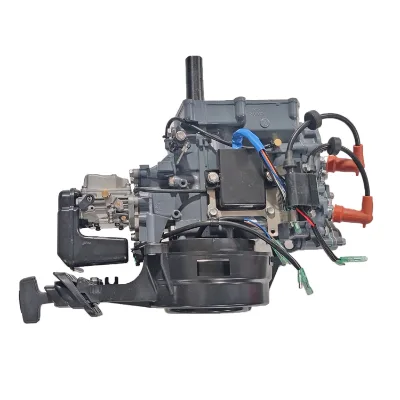
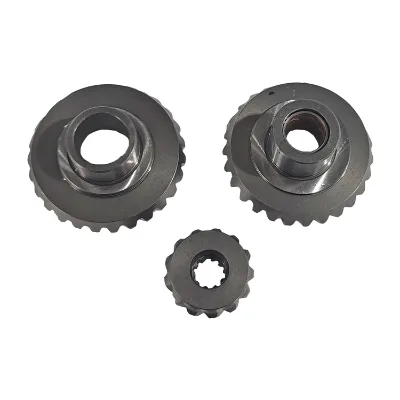
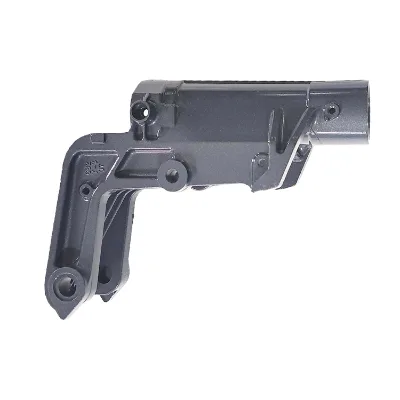
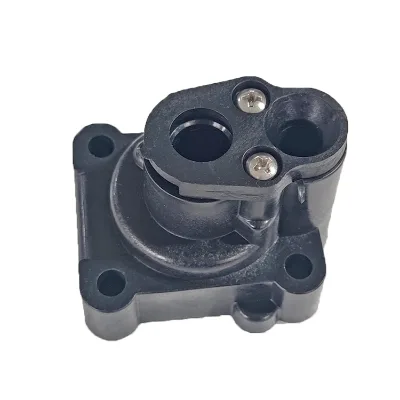

Comprehensive Sourcing Guide
Strategic Sourcing Guide for 6HP Outboard Motor Ignition Coils
Understanding the Technical Architecture of Outboard Ignition Systems
When sourcing a 6hp Outboard Motor Ignition Coil, the buyer must first recognize that this component is not a generic electrical part but a precision-engineered element specific to the engine's firing cycle and displacement. The provided data indicates that the relevant engine category is predominantly a 2-stroke configuration, a critical distinction because 2-stroke engines require ignition timing and voltage characteristics that differ significantly from their 4-stroke counterparts. The core product is identified as an "Ignition Coil Assy" or simply "Ignition Coil," designed specifically for outboard applications.
The technical specifications observed in the market reveal a strong correlation between horsepower ratings and specific part numbers. While the search query targets a 6HP unit, the available data highlights a range of compatible models for Yamaha and Tohatsu motors, including 3HP, 9.8HP, 18HP, and higher outputs. For a 6HP application, the buyer should verify compatibility against the specific part numbers listed for similar low-horsepower 2-stroke engines, such as the 3f9-06050-0 series often associated with 3HP units, or the 3b2-06170-0 series for 9.8HP units. The physical attributes of the coil are housed in a steel casing, which provides the necessary durability against the harsh marine environment. The engine capacity for these units generally falls within the 1-2L range, though 6HP outboards typically have much smaller displacements, suggesting the "1-2L" observation may refer to a broader category of small outboard engines or a specific data point for a different engine class. The engine position is explicitly noted as "Outboard," confirming the component's orientation and mounting interface are designed for external mounting on the transom.
The ignition coil assembly must function reliably under varying water temperatures and vibration levels inherent to boat operations. The product origin is frequently listed as China or Japan, with some entries indicating a dual origin. This suggests that while the design standards may be Japanese (given the Yamaha and Tohatsu associations), the manufacturing execution often occurs in Chinese facilities. The material composition is primarily steel, which is essential for the magnetic core and the protective housing. Buyers must ensure that the specific coil they select matches the electrical output requirements of the 6HP engine's magneto system, as an incorrect voltage output can lead to misfiring or complete engine failure.
Compliance, Certification, and Standard Verification
In the B2B procurement of marine electrical components, verifying compliance is as important as the physical specifications. The supply chain data indicates that products in this category often carry certifications such as CE and ISO9001:2000. These certifications are not merely marketing terms but serve as evidence that the manufacturing process adheres to international quality management systems and safety standards. The ISO9001:2000 certification, in particular, suggests a commitment to consistent quality control during the production of the ignition coil assembly.
Furthermore, the products are often aligned with a broad spectrum of international standards, including ISO, JIS (Japanese Industrial Standards), ANSI (American National Standards Institute), DIN (Deutsches Institut für Normung), GB (Guobiao), and ASTM. For a 6HP outboard motor, which is often used in recreational boating or small commercial applications, adherence to JIS standards is particularly relevant given the prevalence of Japanese engine brands like Yamaha and Tohatsu in this horsepower class. The "Ignition Coil Assy" is sometimes listed with a standard designation that matches the product name itself, indicating that the component is manufactured to a specific industry norm for ignition systems.
Buyers must be vigilant when evaluating the "Standard" field in supplier listings. While some entries list specific standards like "60HP 70HP" or "BPR75 BPV100 BPV35," these may refer to spark plug equivalents or specific model series rather than the ignition coil itself. The presence of "Oxygenation" as a surface treatment process is noted in the data, which is an unusual attribute for an ignition coil and may indicate a specific anti-corrosion or passivation process used in certain manufacturing batches. However, for marine applications, standard corrosion resistance is paramount. The buyer should verify that the surface treatment meets the requirements for saltwater exposure, even if the specific term "Oxygenation" is used in the listing.
Cost Drivers and Pricing Dynamics in the Ignition Coil Market
The pricing landscape for 6HP outboard motor ignition coils is characterized by a wide variance, with observed listed prices ranging from $0.10 to $430.00 USD. This extensive range is not indicative of quality differences alone but reflects the diversity of product types, packaging, and supplier positioning. The lower end of the price spectrum likely represents basic replacement coils, potentially sold in bulk or as generic equivalents, while the higher end may include specialized assemblies, OEM-branded parts with full packaging, or kits that include additional hardware.
The Minimum Order Quantity (MOQ) is another significant cost driver, with observed ranges from 1 to 100 units. For a buyer seeking a single replacement part for a 6HP motor, an MOQ of 1 is ideal, but many suppliers may require higher volumes to unlock lower unit prices. The "Carton" packing method is standard, which affects the shipping cost and handling requirements. Bulk purchases often benefit from economies of scale, but the buyer must balance this against the risk of inventory obsolescence or storage costs.
It is crucial to understand that the price of an ignition coil is influenced by the "Customization" factor. Some listings indicate that customization is available, while others state "Non-Customized." Customized parts, which might include specific branding, unique part numbers, or tailored packaging, will naturally command a higher price. Additionally, the "After-Sales Service" and "Warranty" terms, such as the observed 1-year warranty, add value to the purchase. A slightly higher upfront cost for a product with a verified warranty and support service can be more cost-effective in the long run than a cheaper alternative with no recourse for defects.
Typical Applications and Compatibility Matrix
The primary application for the 6hp Outboard Motor Ignition Coil is, as the name suggests, small outboard motors. The data explicitly links these components to "YAMAHA Outboard," "Tohatsu Outboard Motor," and general "Boat" applications. The compatibility matrix is critical because a 6HP engine is often a specific model within a larger family of outboards. For instance, the data lists part numbers for 2HP, 40HP, and 60HP models, such as 6A1-85570-00 for a 2HP motor and 6f6-85570-00 for a 40HP motor.
A 6HP motor is not explicitly listed with a part number in the provided data, but it is likely part of the same generation or series as the 3HP and 9.8HP models. The buyer must cross-reference the engine model number on their specific motor with the part numbers provided. The "Applicable Model" field in the data includes "YAMAHA 2HP Outboard Motor" and "YAMAHA 40HP Outboard Motor," suggesting that the ignition coils are model-specific. The presence of "Other Part No." fields (e.g., 6f5-85570-00, 6f6-85530-00) indicates that some coils are interchangeable or share common internal components across different horsepower ratings.
The table below summarizes the observed part number ranges and their associated horsepower classes to assist in compatibility verification:
| Horsepower Class | Observed Part Number Examples | Engine Type | Brand Association |
|---|---|---|---|
| 3HP | 3f9-06050-0 | 2 Stroke | Yamaha/Tohatsu |
| 9.8HP | 3b2-06170-0 | 2 Stroke | Yamaha/Tohatsu |
| 18HP | 3G2-06040-2 | 2 Stroke | Yamaha/Tohatsu |
| 25-30HP | 3A0-06040-1 | 2 Stroke | Yamaha/Tohatsu |
| 40-115HP | 3c7-06040-0 | 2 Stroke | Yamaha/Tohatsu |
| 4T 30HP | 3AC-06469-0 | 4 Stroke | Yamaha |
| 60HP/70HP | 6H3-85570-10 | 2 Stroke | Yamaha |
| 2HP | 6A1-85570-00 | 2 Stroke | Yamaha |
| 40HP | 6f6-85570-00 | 2 Stroke | Yamaha |
For a 6HP application, the buyer should prioritize parts that fall within the 3HP to 9.8HP range, as the electrical characteristics of these low-horsepower engines are most similar. The "Hydraulic Machine" application listed in the data is an outlier and likely refers to a different product line or a misclassification; the primary focus for the 6HP ignition coil remains strictly on marine outboard engines.
Supplier Evaluation and Quality Assurance Protocols
Evaluating a supplier for ignition coils requires a multi-faceted approach that goes beyond the basic product listing. The "Condition" of the product is consistently listed as "New," which is a baseline requirement. However, the buyer must verify the "After-Sales Service" commitment, as the data confirms that "Yes" is a common offering. A supplier that provides a 1-year warranty demonstrates confidence in their product's durability.
The "Brand Customization" and "Customization" attributes are also vital. Some suppliers support brand customization, which can be useful for distributors or private labelers, while others offer non-customized, generic parts. For a 6HP outboard motor, which is often used in commercial or semi-commercial settings, the reliability of the part is paramount. The "Surface Treatment" of "Oxygenation" mentioned in the data is a specific process that should be verified for its effectiveness in preventing corrosion.
Quality control should focus on the material composition, which is listed as "Steel." The buyer should request material certificates or test reports to ensure the steel used meets the necessary tensile strength and magnetic permeability requirements. The "Standard" field, which includes ISO, JIS, and ANSI, should be checked against the specific requirements of the engine manufacturer. If the engine is a Yamaha or Tohatsu, the supplier should ideally have experience supplying parts that meet JIS standards.
The "Product Origin" is listed as "China" or "Japan, China." While Japanese origin parts are often perceived as higher quality, Chinese manufacturing can also produce high-quality components if the supplier adheres to strict quality control protocols. The buyer should inquire about the manufacturing location of the specific batch they are purchasing to ensure consistency.
Long-Term Procurement and Inventory Management
Sourcing ignition coils for 6HP outboard motors involves long-term considerations regarding inventory management and supply chain stability. The "Customization" availability suggests that suppliers can accommodate specific part number requests, which is beneficial for maintaining a consistent inventory of replacement parts. However, the "Non-Customized" option is also available, offering flexibility for buyers who do not require branded packaging.
The "Warranty" period of 1 year is a standard expectation in this market. Buyers should factor this into their total cost of ownership calculations. A supplier offering a longer warranty or a more robust after-sales service can reduce the risk of downtime for boat operators. The "Application" field, which includes "Boat" and "Hydraulic Machine," indicates that the same supplier might offer a range of marine and industrial products, potentially simplifying the procurement process for buyers with diverse needs.
Lead times and shipping logistics are not explicitly detailed in the data, but the "Carton" packing method suggests standard shipping procedures. Buyers should establish clear communication with suppliers regarding lead times, especially if they are managing a fleet of boats that require regular maintenance. The "MOQ" range of 1 to 100 allows for both small-scale repairs and large-scale fleet replenishment.
In conclusion, sourcing a 6hp Outboard Motor Ignition Coil requires a careful balance of technical verification, compliance checking, and supplier evaluation. By focusing on the specific part numbers, horsepower ranges, and certification standards observed in the market, buyers can ensure they procure high-quality, compatible components that meet the rigorous demands of marine environments. The wide price range and diverse supplier options provide flexibility, but the buyer must remain diligent in verifying the specific attributes of each product to avoid compatibility issues and ensure long-term reliability.
FAQs
What engine type does the 6HP outboard ignition coil support?
The ignition coil supports 2-stroke engines, which is the standard configuration for this horsepower class. This design ensures the correct firing cycle and voltage output required for reliable operation in marine environments.
Which brands are compatible with this ignition coil assembly?
The product is designed for compatibility with Yamaha and Tohatsu outboard motors. Buyers should verify specific part numbers against their engine model to ensure a precise fit for their specific application.
Can I find ignition coils with ISO9001 certification?
Yes, many available units carry ISO9001:2000 certification alongside CE marks. This certification indicates that the manufacturing process adheres to international quality management systems for consistent product reliability.
What is the typical warranty period for these coils?
The standard warranty period offered is one year for new units. This coverage provides assurance against manufacturing defects and ensures after-sales support is available for the purchased component.
How does the MOQ affect my purchase of ignition coils?
Minimum Order Quantities range from 1 to 100 units depending on the supplier. Buyers seeking a single replacement can find options with an MOQ of 1, while bulk orders may unlock better pricing.
What material is used to construct the ignition coil housing?
The housing is constructed from steel to provide durability against harsh marine conditions. This material choice ensures the internal components are protected from vibration, water exposure, and corrosion during operation.