Source Mercury Marine Tilt Trim Motor for Boats, Yachts, and Outboards
Find 30 available Mercury Marine Tilt Trim Motor options for boat maintenance and repair. Compare specifications including part numbers like 8M0089940 and 61A-43880-01, materials such as aluminum, and certifications like ISO and CE to select the right component for your vessel.
Key considerations
Products List


Brand new and genuine 4 stroke 60hp Outboard Boat Motors Mercury Outboards marine Motors
$3598.00 - $3998.00
MOQ: 2 Pieces
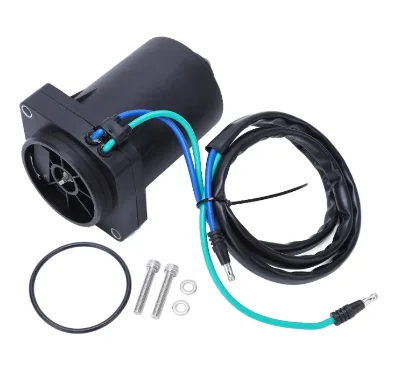


0438786 12V Hydraulic Tilt Motor for Marine Outboard Engine for YAMAHA
$270.00 - $340.00
MOQ: 1 Pieces


Stable Operation Electric Motor Reducer for Marine Industrial Machinery Geared Motor
$100.00 - $500.00
MOQ: 1 Pieces

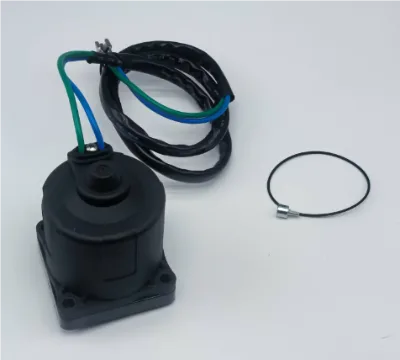


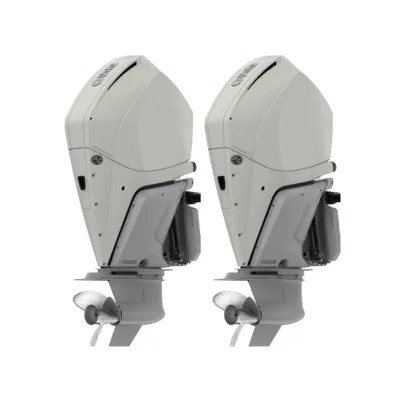


96kw Inboard Electric Motor for Marine Propulsion (Inboard/Stern Shaft/Outboard) - OEM
$1333.00 - $1700.00
MOQ: 1 Pieces
Comprehensive Sourcing Guide
Mercury Marine Tilt Trim Motor Sourcing Guide
Procuring replacement tilt trim motors for Mercury outboard engines requires precise alignment with original equipment manufacturer specifications to ensure reliable vessel operation. The market offers various part numbers, including PT485NM, 6279, 430-20026, and 10820N, which correspond to specific engine models and horsepower ratings ranging from 35 to 220 HP for years 1985-1992. Buyers must verify the exact part number against their engine’s serial plate to avoid compatibility issues, as these components are critical for safe steering and docking maneuvers.
Beyond simple part number matching, sourcing decisions should consider the manufacturing origin and surface treatment quality. Products listed often originate from China or Japan and feature surface treatments like oil blooming to enhance corrosion resistance in marine environments. Understanding these material and geographic factors helps buyers assess the longevity of the component, ensuring that the replacement motor can withstand the harsh saltwater conditions typical of marine applications without premature failure.
Product Scope and Observed Listing Signals
The current market landscape for tilt trim motors displays a wide variance in pricing, ranging from approximately $2 to $300,000, reflecting differences in motor type, power output, and certification levels. Minimum order quantities typically span from 1 to 50 units, allowing both individual boat owners and fleet operators to procure single replacements or bulk inventory. This broad price spectrum indicates that buyers must carefully evaluate the technical specifications and included certifications rather than relying solely on cost as a primary selection criterion.
Listing signals also reveal a mix of customized and non-customized options, with many suppliers offering individual packaging for standard units. Some listings highlight specific model numbers like 8M0089940 or 61A-43880-01, which are essential for identifying the correct fit for older Mercury engines. Buyers should scrutinize these identifiers to confirm that the listed product matches their specific engine configuration, as mismatched parts can lead to installation failures and operational hazards during critical steering operations.
Technical Specifications to Verify
When evaluating tilt trim motors, buyers must verify key electrical and mechanical specifications such as starting mode, speed type, and casing protection. Common configurations include direct-on-line starting for constant speed applications or variable frequency starting for more nuanced control, depending on the vessel’s hydraulic system requirements. The motor’s structure, often asynchronous, and its protection class, typically IP54 or IP55, are critical for ensuring durability against water ingress and electrical faults in marine environments.
Additionally, the number of stator phases and insulation class must align with the boat’s electrical system to prevent overheating or short circuits. Listings may specify three-phase stators or single-phase variants, along with insulation classes like Class F, which determine the motor’s thermal tolerance. Buyers should also check the casing protection type, such as closed or enclosed designs, to ensure the motor can withstand the physical stresses and environmental exposure inherent to marine propulsion and steering systems.
Compliance and Safety Documentation
Compliance with international standards is a non-negotiable aspect of sourcing marine electrical components, with ISO certification frequently cited as a baseline for quality management. Buyers should request documentation proving adherence to ISO standards, as well as specific certifications like CE, RoHS, SGS, and GMP, which indicate compliance with safety, environmental, and manufacturing regulations. These certifications provide assurance that the motor has undergone rigorous testing and meets the necessary safety thresholds for marine use.
Furthermore, verifying the presence of CCC certification for products originating from China can be crucial for import compliance and safety assurance. Buyers must ensure that the supplier provides valid certificates for each batch, as these documents serve as proof of conformity to regional and international safety directives. Without proper documentation, buyers risk importing non-compliant goods that may fail inspection or pose safety risks, leading to potential liability issues and operational downtime for the vessel.
Cost Drivers and Commercial Terms
Several factors influence the final cost of tilt trim motors, including the complexity of the motor design, the quality of materials used, and the level of customization required. High-voltage motors or those with variable speed capabilities typically command higher prices due to their advanced engineering and specialized components. Buyers should also consider the packaging method, such as standard export wooden boxes or plywood crates, as robust packaging can add to the cost but is essential for preventing damage during transit.
Commercial terms, including payment methods and delivery schedules, should be clearly defined in the purchase agreement to avoid disputes. While specific lead times and prices are not universally fixed, buyers should negotiate terms that reflect the urgency of their procurement needs and the reliability of the supplier. Understanding these cost drivers helps buyers budget accurately and select suppliers who offer the best value proposition based on their specific operational requirements and financial constraints.
Supplier Qualification and Quality Control
Selecting a qualified supplier involves verifying their manufacturing capabilities, quality control processes, and track record in the marine industry. Buyers should inquire about the supplier’s adherence to international standards and their ability to provide consistent product quality across batches. Checking for certifications like ISO and specific product standards ensures that the supplier maintains a robust quality management system, which is critical for producing reliable marine components.
Additionally, buyers should assess the supplier’s ability to provide detailed product specifications and technical support. A qualified supplier should be able to offer clear guidance on installation, maintenance, and troubleshooting, ensuring that the buyer can integrate the new motor seamlessly into their vessel. Evaluating these factors helps buyers mitigate the risk of receiving substandard products and ensures a smoother procurement process with reliable after-sales support.
Long-Term Procurement Checks
Establishing long-term procurement relationships requires regular audits of supplier performance and product quality to ensure ongoing compliance and reliability. Buyers should monitor key performance indicators such as delivery times, defect rates, and customer feedback to identify any potential issues early. Regular communication with the supplier can help address any concerns promptly and maintain a high standard of product quality over time.
Furthermore, buyers should stay updated on changes in industry standards and regulations that may affect the procurement of marine electrical components. Adapting to these changes ensures that the sourced products remain compliant and suitable for current marine applications. By maintaining a proactive approach to supplier management and regulatory compliance, buyers can secure a stable supply chain and ensure the continued safe operation of their vessels.
FAQs
What specifications are available for mercury marine tilt trim motors?
Available specifications include models such as PT485NM and 8M0089940, designed for Mercury engines ranging from 35 to 220 horsepower. These units support applications for boats and feature part numbers like 82-68103. The motors are constructed with aluminum materials and undergo oil blooming surface treatment to ensure durability and performance in marine environments.
Can these tilt trim motors be customized for specific boat requirements?
Yes, customization is available for these tilt trim motors to meet specific boat requirements. Buyers can request non-customized standard options or tailored solutions. The products originate from China and Japan, adhering to ISO standards. This flexibility allows for precise integration into various marine vessel systems while maintaining high-quality manufacturing processes.
Which certifications apply to these marine propulsion and tilt trim motors?
These motors hold certifications including CE, RoHS, SGS, and GMP, alongside ISO and GB standards. They are designed for industrial and marine applications, ensuring compliance with international safety and quality regulations. The products undergo rigorous testing to meet these standards, providing buyers with confidence in their reliability and suitability for diverse marine propulsion needs.
How is the packaging handled for these marine motor components?
Packaging is handled individually for smaller components like tilt trim motors, ensuring protection during transit. Larger industrial motors are packed in standard export wooden boxes or plywood crates. This approach safeguards the products from damage, maintaining their integrity upon arrival. The packaging methods are designed to meet international shipping requirements and protect the sensitive internal mechanisms.
What is the typical MOQ for ordering these marine motors?
The typical minimum order quantity ranges from 1 to 50 units, depending on the specific model and customization needs. This flexible MOQ allows buyers to order small batches for testing or larger quantities for fleet integration. The pricing varies significantly, from $2 to $300,000, reflecting the diverse range of motor specifications and capabilities available.
What materials are used in the construction of these marine motors?
These marine motors are primarily constructed using aluminum, which provides a lightweight yet durable structure suitable for harsh marine environments. The aluminum casing offers excellent corrosion resistance and heat dissipation. This material choice ensures longevity and performance, making the motors ideal for both tilt trim applications and broader marine propulsion systems requiring reliable operation.