Source 9P Female DB9 Connector for PCB, Industrial, and Aerospace
Find 30 listings for the 9P Female DB9 Connector suitable for PCB assembly, industrial projects, and aerospace applications. Compare specifications including material, certification, and packaging options from suppliers in China to identify the right component for your data transmission needs.
Updated
Key considerations
Products List

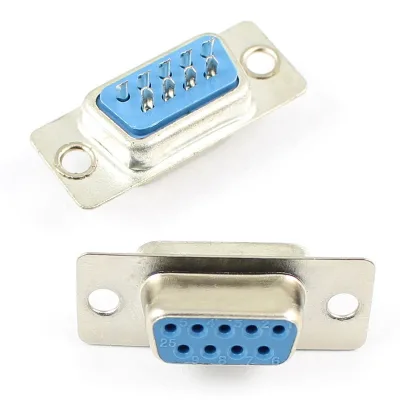


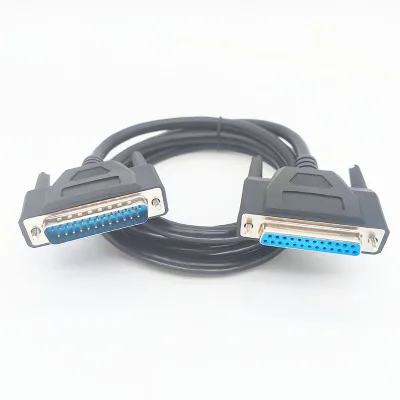
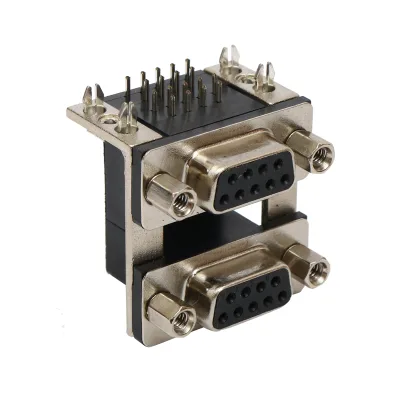
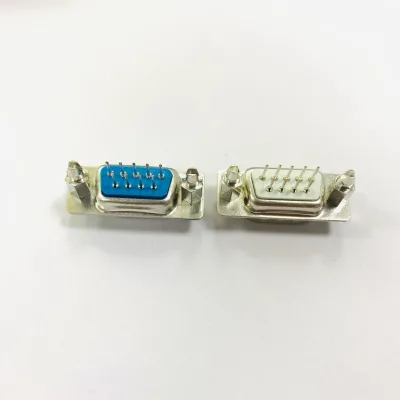
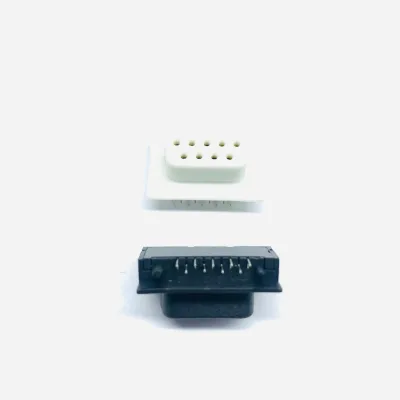
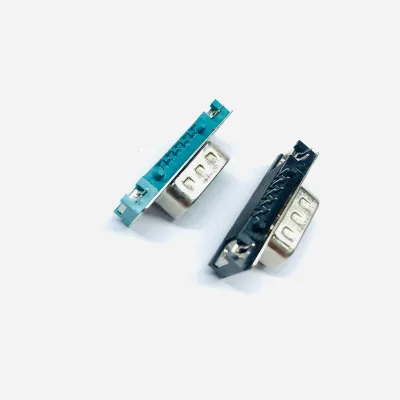
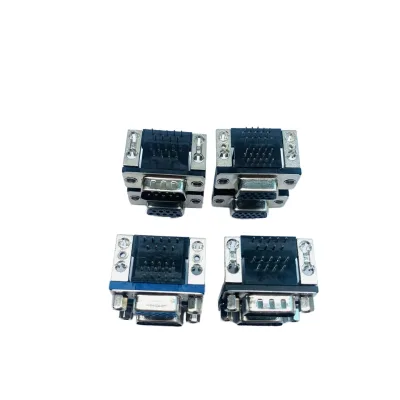
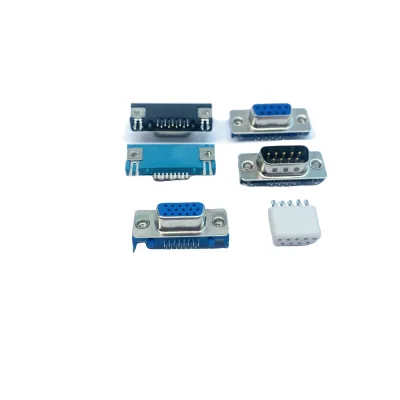
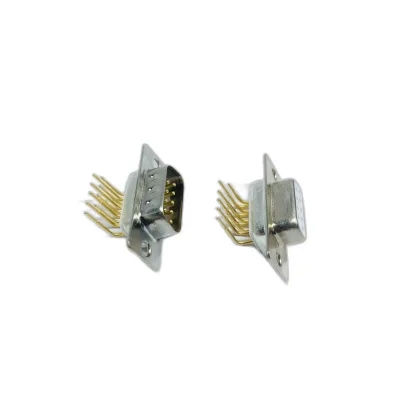


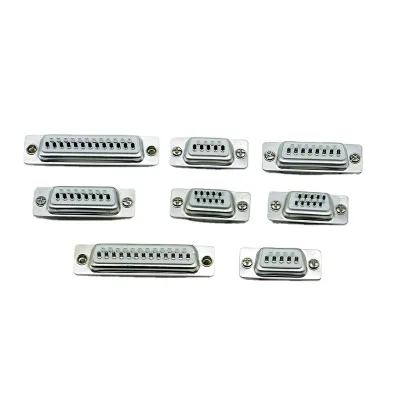
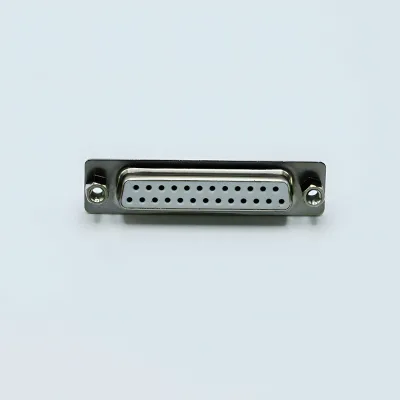
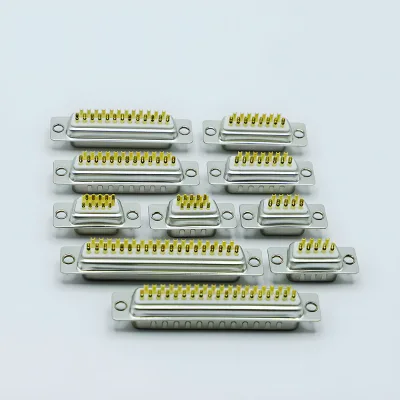
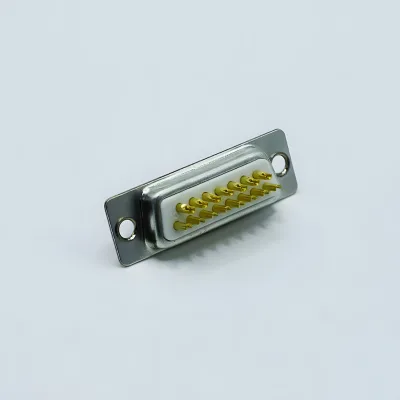
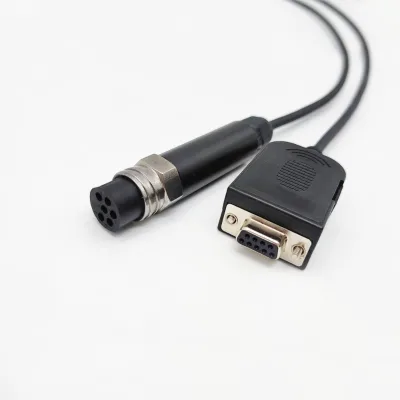
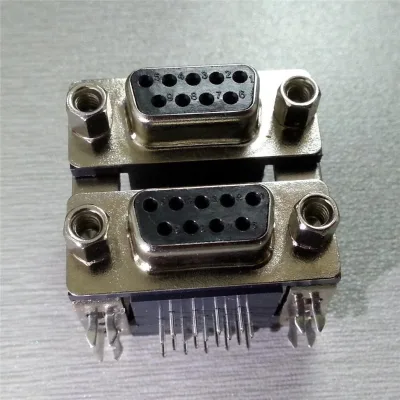
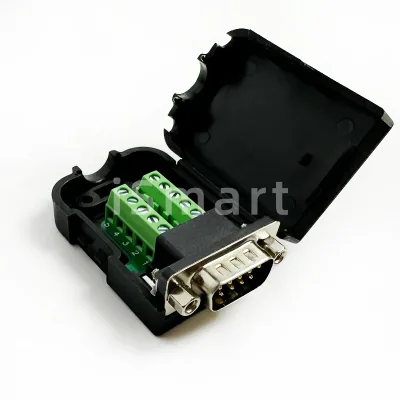


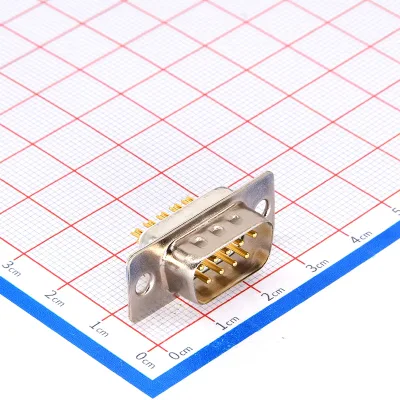
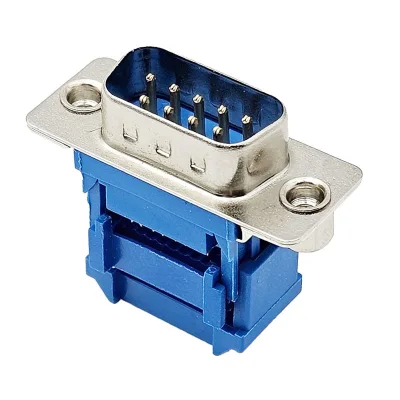
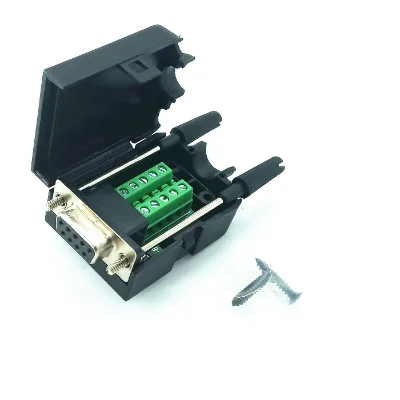
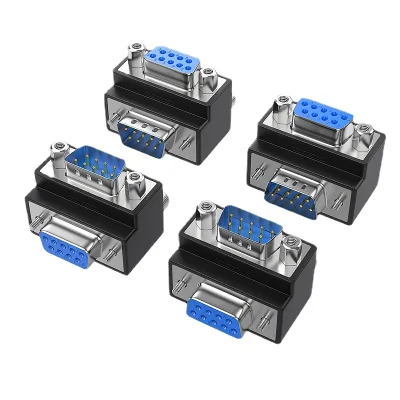
Comprehensive Sourcing Guide
9P Female DB9 Connector Sourcing Guide
The 9P Female DB9 Connector serves as a critical interface for data transmission in diverse industrial and commercial environments, specifically designed for PCB applications where reliable signal integrity is paramount. Buyers must recognize that while the core function remains consistent, the physical construction varies significantly between suppliers, with some units utilizing a combination of plastic and metal housings while others rely on steel or brass components for enhanced durability. This variation directly impacts the connector's suitability for specific deployment scenarios, ranging from general office networking to demanding military aviation and aerospace projects where environmental resilience is non-negotiable.
Procurement decisions should prioritize the specific interface type and pin configuration to ensure compatibility with existing legacy systems or new industrial control architectures. The observed market listings indicate a strong presence of D-SUB 9 Pin Female RS232 connectors, yet buyers must verify if the specific unit supports high-speed transmission or is limited to low-frequency operations, as this distinction dictates performance in modern data-heavy applications. Understanding whether the connector is intended for straight or angled mounting, and confirming the gender classification as strictly female, prevents costly integration errors during the initial design phase of electronic assemblies.
Product Scope and Observed Listing Signals
Market analysis reveals a wide spectrum of product attributes associated with the 9P Female DB9 Connector, necessitating careful scrutiny of individual supplier listings to match technical requirements. The observed data indicates that while many units are classified as standard D-SUB connectors, some listings explicitly mention support for VGA interfaces or broadband connections, creating potential confusion regarding their actual electrical capabilities. Buyers must distinguish between general-purpose data transmission connectors and those engineered for specialized high-frequency applications, as the operating frequency and transmission speed capabilities vary widely across the available inventory.
Packaging and physical dimensions also serve as key signals for identifying the intended scale of production and the logistical readiness of the supplier. Listings frequently specify carton packing with quantities of 500 pieces per box, alongside tray packing options, which suggests flexibility for both bulk industrial orders and smaller prototype runs. The single package size of 10x6x6 cm and a gross weight of 0.100 kg provide essential data for calculating shipping costs and storage requirements, ensuring that the procurement plan accounts for the physical footprint of the components throughout the supply chain.
Technical Specifications to Verify
Technical verification must begin with the pin material and contact plating, as these factors directly influence conductivity and resistance to corrosion over time. The supplied facts highlight the use of phosphor bronze and brass pins, with some units featuring copper gold plating to enhance signal reliability and longevity. Buyers should explicitly request test data confirming the plating thickness and material composition, as these specifications are critical for maintaining low resistance in high-speed data transmission environments where signal degradation can lead to system failures.
The mechanical structure and environmental ratings are equally vital, particularly for applications in aerospace or industrial projects where vibration and temperature fluctuations are common. While some listings describe the shape as rectangular and the classification as a standard female connector, others specify a medium pressure rating of 500V, which may not be suitable for all low-voltage data lines. Procurement teams must verify the exact operating frequency range, distinguishing between low-frequency and high-frequency variants, to ensure the selected connector can handle the specific bandwidth requirements of the intended application without introducing signal loss.
Compliance and Safety Documentation
Regulatory compliance is a fundamental requirement for sourcing electronic components, particularly when the end product is destined for international markets or regulated industries. The observed listings indicate that many suppliers provide ISO9001 certification, which serves as a baseline indicator of a manufacturer's quality management system and commitment to consistent production standards. Buyers should verify the validity of these certificates and ensure they cover the specific manufacturing facilities producing the 9p female DB9 connectors, as certification at the corporate level does not always guarantee compliance at the product level.
Environmental standards are another critical area of verification, with ROHS compliance frequently cited in product descriptions to indicate the absence of hazardous substances. While some background context mentions RoHS, buyers must demand specific test reports or declarations of conformity that explicitly confirm the product meets current environmental directives. Additionally, the presence of CE certification in some listings suggests adherence to European safety standards, but this should be cross-referenced with the specific product model number to ensure the certification applies to the exact variant being purchased rather than a generic product line.
Cost Drivers and Commercial Terms
Pricing for 9p female DB9 connectors is influenced by a complex interplay of material costs, production volume, and customization requirements, with observed ranges spanning from $0.01 to $67.99 per unit. The significant variance in price often reflects differences in material quality, such as the use of brass versus steel, or the inclusion of specialized features like gold plating and high-frequency shielding. Buyers must understand that the lowest unit price may not represent the best value if it compromises on critical specifications like pin durability or insulation resistance, which could lead to higher long-term costs due to field failures.
Commercial terms, including Minimum Order Quantity (MOQ) and lead times, play a decisive role in the total cost of ownership and supply chain flexibility. The observed MOQ range of 1 to 1000 units allows for a wide spectrum of purchasing strategies, from small-scale prototyping to large-scale industrial deployment. However, buyers should negotiate clearly defined lead times and packaging details, such as the standard 500 pieces per carton, to ensure that inventory levels align with production schedules and that the supplier can accommodate rush orders without incurring excessive premiums or compromising quality control.
Supplier Qualification and Quality Control
Supplier qualification extends beyond basic certification checks to include a thorough assessment of the manufacturing origin and production capabilities. The majority of observed listings indicate a production origin in Dongguan or Guangdong, China, regions known for their dense electronics manufacturing ecosystems. Buyers should verify the specific factory location and audit the supplier's quality control processes to ensure that the customization options, such as branding or specific pin configurations, are executed with precision and consistency across all production batches.
Quality control protocols must be rigorously defined to mitigate the risks associated with the wide variety of product attributes found in the market. Since the product attributes are treated as observations rather than universal claims, buyers should implement incoming inspection procedures that verify the actual material composition, pin count, and electrical performance of each batch received. Establishing clear acceptance criteria for parameters like the number of cores, interface type, and color consistency ensures that the final assembled products meet the required performance standards and reduces the likelihood of rejection or rework downstream.
Long-Term Procurement Checks
Sustaining a reliable supply chain for 9p female DB9 connectors requires ongoing monitoring of supplier performance and product consistency over time. Buyers should establish a schedule for periodic audits and sample testing to verify that the materials, such as the plastic and metal housing or brass pins, remain consistent with the initial specifications agreed upon during the sourcing phase. This proactive approach helps identify any drift in manufacturing quality or material substitution that could occur as production volumes scale or as raw material markets fluctuate.
Strategic planning for long-term procurement also involves evaluating the supplier's ability to support future product iterations and customization needs. As technology evolves, the demand for connectors with higher transmission speeds or different interface types may arise, requiring a supplier that can adapt its production lines accordingly. Maintaining a strong relationship with a qualified supplier ensures that the procurement team can access updated models, such as those with improved shielding or enhanced durability, without the need to qualify a new vendor, thereby reducing risk and maintaining operational continuity.
FAQs
What is the primary function of a 9P Female DB9 Connector?
The primary function is data transmission for PCB applications. These connectors support high-speed transmission and are designed for wired broadband connections. They are commonly used in industrial projects and aerospace projects to ensure reliable signal integrity and stable performance in demanding environments.
Can I customize the 9P Female DB9 Connector for specific needs?
Yes, customization is available for these connectors. Buyers can request specific configurations to meet unique project requirements. The product supports ODM and OEM branding, allowing for tailored solutions. This flexibility ensures the connectors align perfectly with specific industrial or military aviation application standards.
What materials are used in the construction of this connector?
The connector is constructed from plastic and metal components. The pins are made of phosphor bronze or brass, ensuring durability and conductivity. Some variants feature copper gold plating for the contact material. This combination provides robust performance for medium pressure applications up to 500V in various settings.
What certifications does the 9P Female DB9 Connector hold?
The connector holds ISO9001 and CE certifications. It also complies with ROHS standards for environmental safety. These certifications indicate adherence to quality management systems and regulatory requirements. Buyers can trust the product meets international standards for industrial and aerospace projects requiring verified compliance and safety.
How is the 9P Female DB9 Connector packaged for shipment?
The connector is packaged in carton boxes or tray packing. Typically, 500 pieces are included in a single carton box. The single package size is 10x6x6 cm with a gross weight of 0.100 kg. This packaging ensures safe transport and efficient handling for bulk orders from suppliers in Dongguan or China.
Where is the 9P Female DB9 Connector manufactured?
The connector is manufactured in Dongguan, Guangdong, China. This location is a known hub for electronic component production. Buyers can source these items directly from factories in this region. The origin ensures access to established supply chains and competitive manufacturing capabilities for high-volume orders.