Source Negative Zinc Alloy Battery Terminals for car, truck, ship
Compare 30 listings for Negative Zinc Alloy Battery Terminals suitable for car, truck, and ship batteries. Buyers can review specifications like material, surface treatment, and MOQ to find the right supplier for their needs; compare the available evidence and request quotations based on your requirements.
Updated
Key considerations
Products List
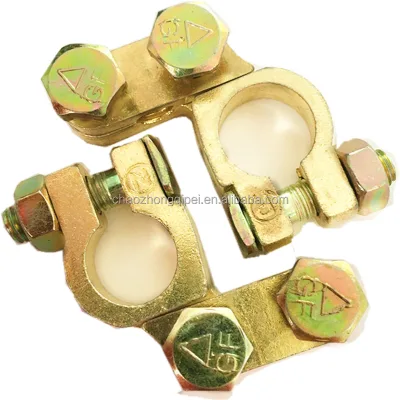
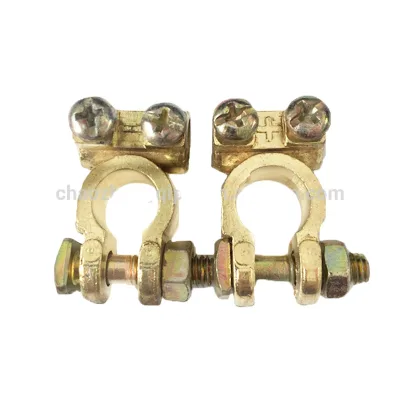
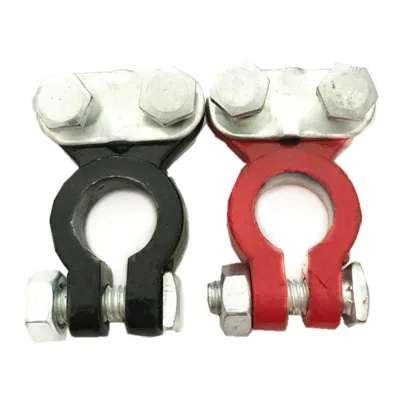
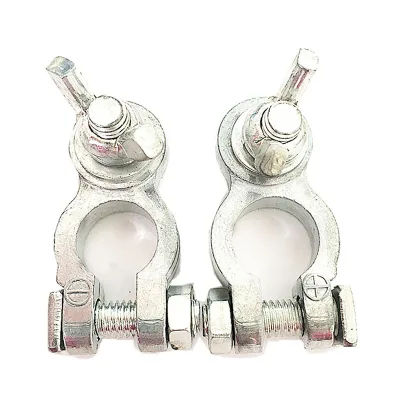
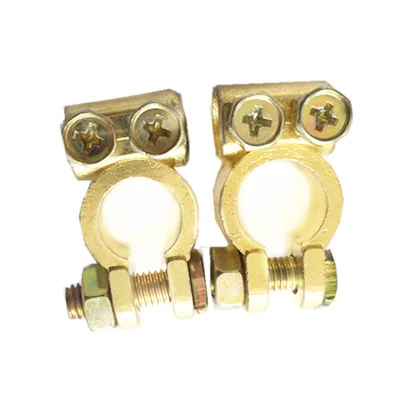
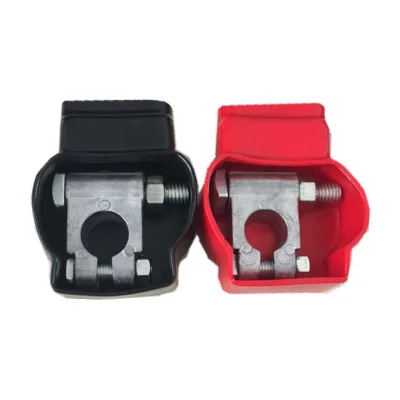


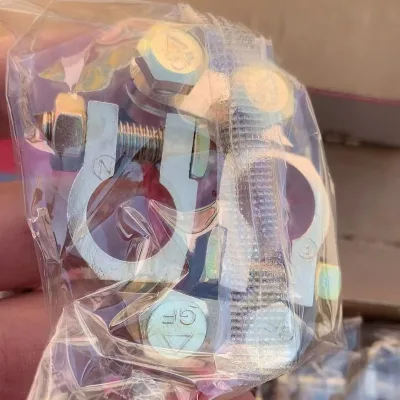
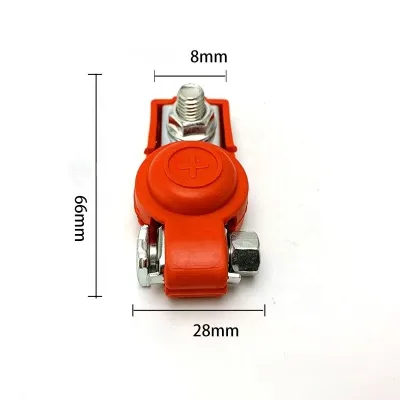

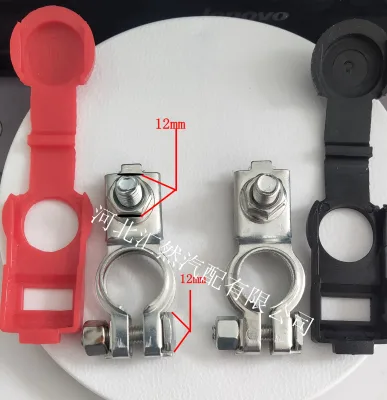
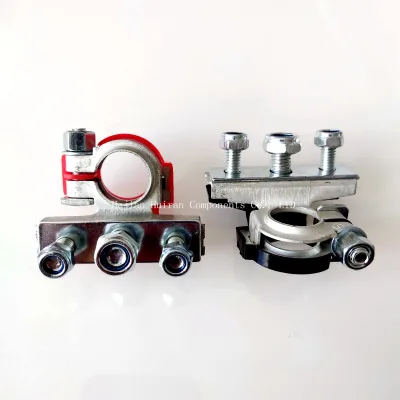
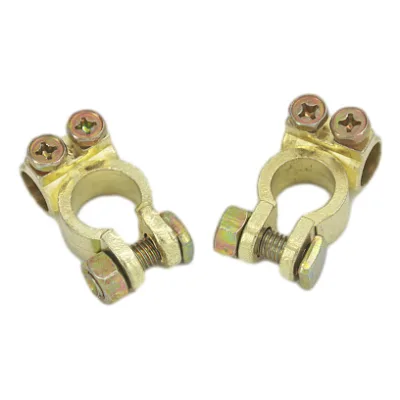
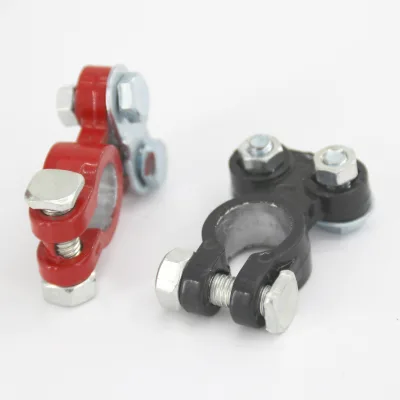
A 3-way battery terminal conductive connector for automotive top column batteries
$1.0248 - $1.2297
MOQ: 50 pairs



Comprehensive Sourcing Guide
Negative Zinc Alloy Battery Terminals Sourcing Guide
Sourcing negative battery terminals made from zinc alloy requires careful attention to material composition and surface treatment to ensure long-term reliability in automotive and industrial applications. The observed market data indicates that suppliers often offer OEM services, allowing buyers to customize terminals for specific vehicle or equipment models. This flexibility is crucial for maintaining compatibility with existing electrical systems while optimizing for cost and performance. Buyers must verify that the zinc alloy used meets specific purity and structural integrity standards to prevent premature failure under high-current conditions.
The supply chain for these components is heavily concentrated in regions like Hebei, China, with major export hubs such as Tianjin Port facilitating global distribution. Understanding the logistical framework is essential for managing lead times and freight costs effectively. Many listings highlight a willingness to accommodate small to medium-sized orders, with minimum order quantities ranging from 200 to 1000 pairs. This variability allows procurement teams to align inventory levels with production schedules, reducing storage costs while ensuring a steady supply of critical electrical connection components for assembly lines or aftermarket distribution.
Product Scope and Observed Listing Signals
The current market landscape for zinc alloy battery terminals reveals a diverse range of product specifications tailored to different application needs. Listings frequently describe these components as essential for connecting wires in car, truck, and ship battery systems. The observed product names often emphasize their function as electric wire connectors or emergency tool kit components, indicating their versatility in both primary electrical connections and maintenance scenarios. Buyers should note that while the core material is zinc alloy, some variations may include brass or copper plating to enhance conductivity and corrosion resistance, which directly impacts the terminal's performance in harsh environments.
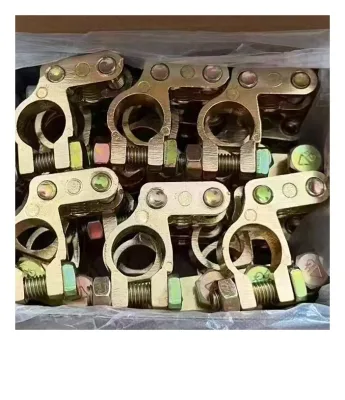
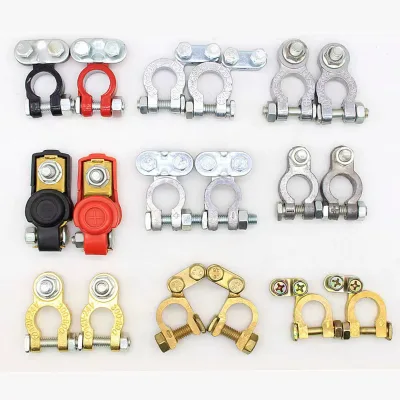
Visual and physical attributes also play a significant role in product identification and quality assessment. Common observations include color variations such as yellow or gold finishes, which may indicate specific plating treatments or material compositions. The single gross weight of items varies significantly, ranging from lightweight 0.25 kg packages to heavier 25.0 kg shipments, reflecting differences in packaging density and quantity per unit. These physical characteristics are critical for logistics planning, as they influence shipping costs and warehouse storage requirements. Procurement teams must carefully review these details to ensure that the selected terminals meet both technical specifications and logistical constraints.
Technical Specifications to Verify
Verifying technical specifications is paramount when sourcing Negative Zinc Alloy Battery Terminals to ensure compatibility and performance. Key attributes to confirm include the model number, such as CZ-001 or CZ-1158, which often dictate the terminal's physical dimensions and electrical ratings. Buyers should also inspect the surface treatment process, as options like copper plating or brass coating can significantly affect conductivity and resistance to environmental degradation. The material composition, whether pure zinc alloy or mixed with aluminum magnesium, must be validated against application requirements to prevent issues like galvanic corrosion or mechanical failure under thermal stress.
Packaging and dimensional specifications are equally important for operational efficiency. The single package size, often listed as 65x25x35 cm or smaller variants like 10x10x10 cm, impacts storage and handling procedures. Weight per pair, ranging from 110g to 285g, provides insight into the material density and potential durability of the terminal. Additionally, the usage description, such as "collecting wires" or "connecting cable," helps clarify the terminal's intended role in the electrical circuit. Buyers must ensure that these specifications align with their engineering requirements to avoid mismatches that could lead to installation difficulties or system inefficiencies.
Compliance and Safety Documentation
Compliance with international safety and environmental standards is a critical factor in the procurement of battery terminals. Many suppliers provide certifications such as ROHS, which ensures that the materials used are free from hazardous substances like lead and mercury. This certification is particularly important for markets with strict environmental regulations, as it facilitates smoother customs clearance and market entry. Buyers should request valid certification documents from suppliers to verify that the zinc alloy terminals meet these regulatory requirements, thereby mitigating legal and reputational risks associated with non-compliant products.
Beyond environmental compliance, safety documentation should include evidence of product reliability and durability. While specific test results are not always listed, buyers should inquire about warranty provisions, which many suppliers offer to demonstrate confidence in their product quality. A warranty indicates that the manufacturer stands behind the performance of their terminals, providing a safety net for buyers in case of premature failure. Additionally, understanding the condition of the product, typically listed as "new," ensures that buyers receive fresh inventory without prior degradation. These documentation elements collectively contribute to a robust risk management strategy in the sourcing process.
Cost Drivers and Commercial Terms
Understanding the cost drivers and commercial terms is essential for effective budgeting and negotiation when sourcing battery terminals. The observed price range of 0.28 to 3.5 USD per unit reflects variations in material quality, surface treatment, and order volume. Buyers should consider how factors like copper plating or brass coating may increase costs but offer long-term benefits in terms of durability and performance. Minimum order quantities, ranging from 200 to 1000 pairs, also influence pricing, with larger orders typically benefiting from economies of scale. Negotiating favorable terms based on volume commitments can significantly reduce per-unit costs and improve overall project margins.
Logistical costs and payment terms further impact the total cost of ownership. The port of origin, often Tianjin Port, China, affects shipping durations and freight expenses, which buyers must factor into their financial planning. Additionally, the availability of OEM services may incur additional setup costs but offers the advantage of customized solutions tailored to specific needs. Buyers should also consider the single gross weight and package dimensions when calculating freight charges, as these factors directly influence shipping efficiency. Clear communication regarding these commercial terms ensures transparency and helps avoid unexpected expenses during the procurement process.
Supplier Qualification and Quality Control
Supplier qualification is a critical step in ensuring the reliability and consistency of Negative Zinc Alloy Battery Terminals. Buyers should verify the supplier's manufacturing capabilities, including their experience with zinc alloy processing and surface treatment techniques. The presence of OEM service offerings suggests that the supplier has the flexibility to adapt to specific design requirements, which is a positive indicator of their technical competence. Additionally, checking the supplier's track record in exporting to target markets can provide insights into their understanding of international standards and logistical requirements.
Quality control measures should be rigorously evaluated to minimize the risk of defects. Buyers should inquire about the supplier's internal quality assurance processes, including inspection protocols for material composition and dimensional accuracy. The provision of warranties is a strong indicator of a supplier's commitment to quality, as it demonstrates confidence in the product's longevity. Furthermore, requesting samples for testing allows buyers to assess the physical and electrical properties of the terminals before committing to large orders. Establishing a robust quality control framework ensures that the sourced components meet the required performance standards and reduce the likelihood of field failures.
Long-Term Procurement Checks
Long-term procurement checks are necessary to maintain supply chain stability and product quality over time. Regular audits of supplier performance, including delivery times and product consistency, help identify potential issues before they impact production schedules. Buyers should also monitor market trends and technological advancements in battery terminal materials to ensure that their sourcing strategy remains competitive and aligned with industry best practices. Continuous engagement with suppliers fosters a collaborative relationship, enabling joint problem-solving and innovation in product design and manufacturing processes.
Additionally, buyers should periodically review compliance documentation to ensure that suppliers continue to meet evolving regulatory requirements. This includes verifying that certifications like ROHS remain valid and that any changes in material composition are properly documented and approved. Establishing a feedback loop with end-users or field technicians can provide valuable insights into the real-world performance of the terminals, highlighting areas for improvement. By implementing these long-term checks, buyers can mitigate risks, optimize costs, and ensure a reliable supply of high-quality Negative Zinc Alloy Battery Terminals for their operations.
FAQs
What materials are used for zinc alloy battery terminals?
Zinc alloy battery terminals are primarily manufactured using zinc alloy materials. Some variants may utilize aluminium magnesium alloy or brass and copper for specific applications. These materials ensure durability and conductivity for car, truck, and ship battery connections. The choice depends on the required corrosion resistance and electrical performance for the specific vehicle type.
Can I get OEM service for these battery terminals?
Yes, OEM service is offered for these battery terminals. Manufacturers support custom branding and specifications to meet unique buyer requirements. This allows businesses to tailor products for specific automotive or industrial applications. Buyers can request custom packaging, labeling, or slight design modifications to align with their brand identity and market needs effectively.
What is the typical MOQ for zinc alloy terminals?
The typical MOQ for zinc alloy battery terminals varies by model. For instance, model CZ-001 has an MOQ of 500 pairs, while model CZ-1158 requires 200 pairs. Other models may have different thresholds. Buyers should check specific product specifications to determine the exact minimum order quantity required for their desired terminal type and configuration.
Are these terminals RoHS certified?
Yes, certain brass battery terminal models are RoHS certified. This certification ensures compliance with environmental standards for restricted hazardous substances. Buyers requiring eco-friendly components for automotive or industrial use can select these certified options. It is important to verify the specific model number to confirm RoHS compliance before placing orders for sensitive applications.
Where are these battery terminals manufactured?
These battery terminals are manufactured in Hebei, China. The products are shipped via Tianjin Port, facilitating international logistics. Buyers sourcing from this region benefit from established supply chains and competitive pricing. The location supports efficient export processes for global clients requiring reliable automotive battery terminal components.
What surface treatments are available for these terminals?
Available surface treatments include copper plating and brass coating. These treatments enhance corrosion resistance and electrical conductivity. Copper-plated terminals offer robust performance for standard applications, while brass-coated options provide additional durability. Buyers can select the appropriate treatment based on their specific environmental conditions and performance requirements for battery connections.