Source AC Plug Night Light for Living Room, Bedroom, Hallway
Compare 30 AC Plug Night Light options from verified Chinese manufacturers. Buyers can evaluate LED power, voltage compatibility, and control modes for residential applications like living rooms and bedrooms; compare the available evidence and request quotations based on your requirements.
Key considerations
Products List


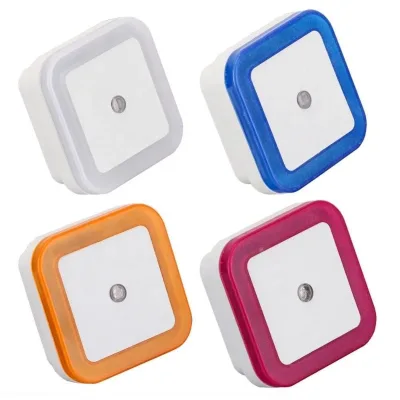
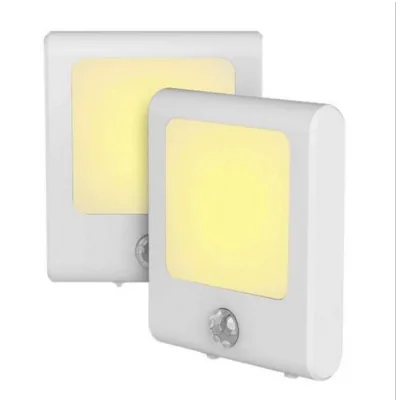
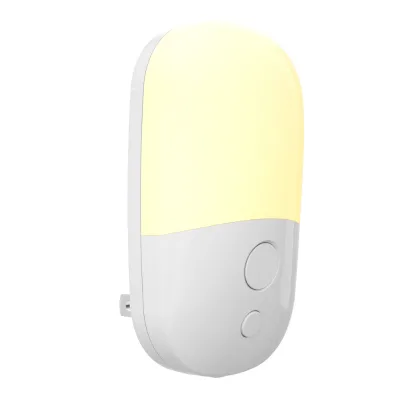
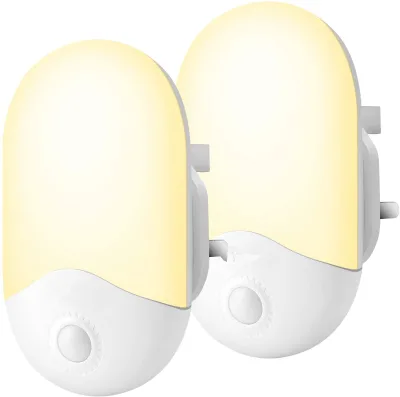


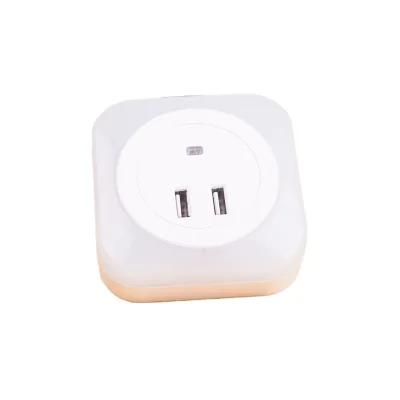
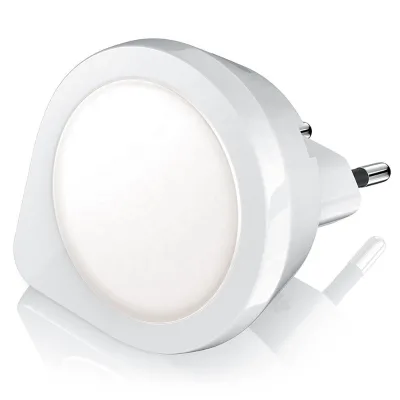
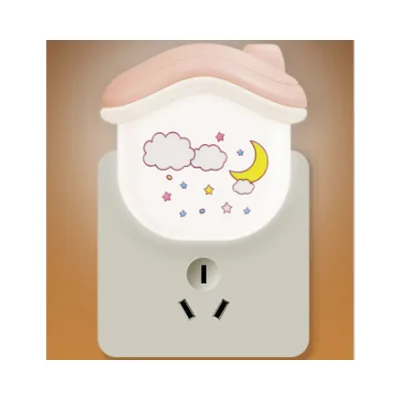
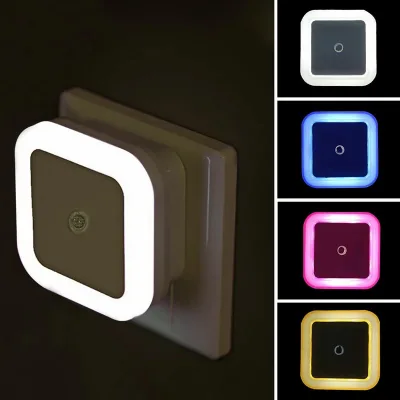
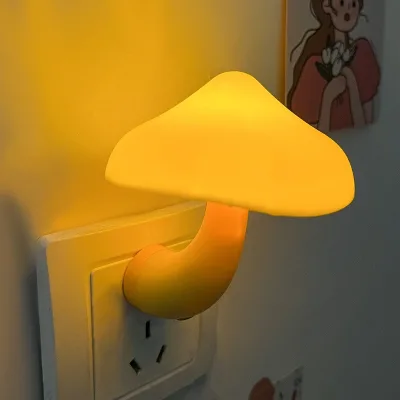

Sensor Plug in Night Light, Lotus Leaf Style Mushroom Light LED Nightlights
$0.32 - $0.43
MOQ: 50 Pieces


Comprehensive Sourcing Guide
AC Plug Night Light Sourcing Guide
Procuring AC plug night lights requires careful attention to the specific electrical interface and the intended ambient lighting environment. These devices are designed to provide low-level illumination for hallways, bedrooms, and living spaces without the need for complex wiring. Buyers must distinguish between models that offer sensor-based activation and those relying on manual switches, as this choice dictates the user experience in different room settings. The observed market data indicates a strong preference for LED technology, which ensures energy efficiency and a long operational lifespan compared to traditional incandescent alternatives.
When evaluating potential inventory, it is essential to verify the voltage compatibility and the physical form factor of the plug. The supply chain shows a prevalence of units operating on 110V or 230V inputs, with some models supporting a broad AC 85-265V range to accommodate global markets. The physical design often features a compact plastic housing, sometimes styled in European or Asian aesthetics, which must align with the interior design of the target market. Ensuring the product fits standard wall outlets without obstructing adjacent sockets is a critical functional requirement for successful retail placement.
Product Scope and Observed Listing Signals
The current market for AC plug night lights presents a diverse range of options, from simple plug-in units to more advanced models with adjustable brightness and sensor controls. Listings frequently highlight the light source as LED, with color temperatures ranging from warm white to cool daylight alert, allowing buyers to select the appropriate ambiance for specific applications like bedrooms or living rooms. The observed product models, such as the YL-260SE and YL-291SE, demonstrate that manufacturers offer variations in control modes, including switch control and sensor control, to meet different consumer preferences.
Buyers should also note the variability in packaging and material composition, which can impact shipping costs and product durability. Most units are constructed from plastic with a shade type that diffuses the light, and they are typically packed in blister packs, clamshells, or cartons depending on the order volume. The quantity of lights per unit often follows a linear shape, and the power consumption is generally low, typically around 1W or less than 5W, making them highly energy-efficient. Understanding these listing signals helps in forecasting inventory needs and aligning product selection with specific customer demographics.
Technical Specifications to Verify
Technical due diligence must focus on the electrical input parameters and the longevity of the light source to ensure product reliability. Buyers should confirm that the input voltage matches the target market's grid standards, as some products specify 220V while others support a wider AC 85-265V range. The working time is a critical metric, with observed data indicating lifespans ranging from 30,000 to 50,000 hours, which significantly reduces the frequency of replacements and enhances the value proposition for end-users. Verifying the actual power rating, often listed as 1W or ≤5W, ensures the product meets energy-saving expectations.
In addition to electrical specs, the optical performance and control mechanisms require strict verification to prevent customer dissatisfaction. The color rendering index (CRI) is a key factor, with some units offering a Ra of 60, which may be sufficient for general night lighting but less ideal for tasks requiring color accuracy. Buyers must also check the control mode, distinguishing between sensor-controlled units that activate automatically and those requiring manual button switches. The presence of dimming support is another variable, as many listed models do not support dimming, which limits their versatility in adjustable lighting scenarios.
Compliance and Safety Documentation
Safety compliance is non-negotiable for electrical products entering international markets, and buyers must demand valid certification documents before finalizing orders. The observed product listings frequently cite CE and RoHS certifications, indicating adherence to European safety and environmental standards. However, buyers should not assume all units in a batch possess these credentials; instead, they must request specific test reports and certificates for each production run to verify that the plastic materials and electrical components meet the required safety thresholds. The absence of these documents can lead to customs delays or legal liabilities in the destination country.
Beyond general certifications, the specific standards applied to the manufacturing process and the product design must be scrutinized. Some listings reference a certificate standard labeled as "ce," which should be cross-referenced with the official CE marking requirements for low-voltage equipment. It is also vital to confirm that the product origin, often listed as China or specifically Zhejiang, aligns with the trade agreements and tariff classifications of the importing region. Ensuring that the supplier can provide up-to-date compliance documentation for the specific model number, such as YL-653, is essential for maintaining a compliant supply chain.
Cost Drivers and Commercial Terms
The pricing structure for AC plug night lights is influenced by several factors, including the complexity of the control mechanism, the quality of the LED components, and the packaging requirements. The observed price range spans from $0.10 to $7.65, reflecting the difference between basic plug-in units and more sophisticated models with sensors or adjustable brightness. Buyers should analyze the cost per unit against the observed MOQ range of 1 to 10,000 pieces, as larger orders often unlock significant volume discounts but require higher upfront capital commitment. Understanding these cost drivers helps in negotiating favorable terms that balance budget constraints with quality expectations.
Commercial terms also encompass the logistics of shipping and the specific packing configurations that affect freight costs. The observed packing methods, such as double blister packing or carton packing with a PCS/CTN count of 100, directly impact the volume efficiency of container loading. Buyers must clarify whether the quoted price includes the cost of the adaptor or if it is sold separately, as this can alter the total landed cost. Additionally, the warranty period, which is observed to be around 2 years for some models, should be factored into the total cost of ownership, as a longer warranty may indicate higher manufacturing quality and reduce long-term risk.
Supplier Qualification and Quality Control
Selecting a qualified supplier involves verifying their production capabilities and their track record for maintaining consistent quality standards. Buyers should prioritize suppliers who can demonstrate a clear understanding of the specific product models, such as the YL-291SE or the adjustable brightness wall plug night light, and who can provide samples for pre-shipment inspection. The origin of the products, often traced to Zhejiang, China, suggests a concentration of manufacturing expertise in this region, but buyers must still validate the specific factory's capacity to meet volume demands and delivery schedules. A robust quality control process should be in place to ensure that every unit meets the specified technical and safety requirements.
Quality control protocols must extend beyond the final inspection to include raw material verification and in-process checks. Since the material is predominantly plastic, buyers should ensure that the supplier uses high-quality, flame-retardant materials that meet safety standards. The production of units with a working time of up to 50,000 hours requires precise assembly of the LED components and the driver circuitry. Implementing a rigorous inspection plan that includes functional testing of the sensor control, switch mode, and light output consistency is essential to prevent defects from reaching the end customer and to maintain brand reputation.
Long-Term Procurement Checks
Sustaining a successful procurement relationship requires ongoing monitoring of product performance and supplier reliability over time. Buyers should establish a system for tracking field performance data, such as failure rates and customer feedback regarding the light color and control sensitivity. The observed warranty period of 2 years provides a baseline for expected product life, but real-world data may reveal issues that require immediate supplier intervention. Regular audits of the supplier's production lines and quality management systems help ensure that the product continues to meet the original specifications and compliance standards.
Long-term checks also involve staying informed about changes in market regulations and technological advancements that could impact the product line. As energy efficiency standards evolve, buyers must ensure that their AC plug night lights remain compliant with new requirements, particularly regarding voltage ranges and power consumption. Maintaining open communication with the supplier regarding potential design improvements, such as enhanced dimming capabilities or updated color temperatures, allows for proactive adaptation to market trends. This continuous engagement ensures that the procurement strategy remains agile and responsive to the dynamic needs of the global lighting market.
FAQs
What certifications do these LED night lights have?
These LED night lights are certified with CE and RoHS standards, ensuring compliance with safety and environmental regulations for international markets. The products originate from China, specifically Zhejiang, and are designed for residential use in living rooms and bedrooms. Buyers can rely on these documented certifications for import clearance and quality assurance when sourcing from verified suppliers.
Can I customize the packaging for bulk orders?
Yes, customization is available for these ac plug night lights, allowing buyers to tailor packaging solutions to their specific needs. Options include blister packs, clamshells, double blister packing, and carton packing. This flexibility supports various retail and wholesale requirements, ensuring products are protected during transit while meeting brand presentation standards for different global markets.
What is the typical power consumption of these lights?
The power consumption for these LED night lights ranges from 1W to less than 5W, making them energy-efficient options for home use. They operate on AC voltages of 85-265V, accommodating both 110V and 230V regions. This low power draw ensures minimal electricity costs while providing reliable illumination for bedrooms and living areas throughout the night.
Which control modes are supported by these night lights?
These night lights support various control modes, including sensor control and manual switch control with a manual button. Some models feature adjustable brightness, offering users flexibility in managing light intensity. The plug-in power supply mode ensures easy installation without complex wiring, making them convenient for immediate use in residential settings across different global markets.
What is the expected working time for these LEDs?
The expected working time for these LED night lights ranges from 30,000 to 50,000 hours, providing long-term reliability for residential use. With a warranty of up to two years, buyers can trust the durability of these products. The LED lamp source ensures consistent performance, making them a sustainable choice for continuous night lighting in homes and hotels.