Find Compare Source Acetyl Tetrapeptide-5 for Skincare
Explore 30 listings for acetyl tetrapeptide-5, a white powder used in skincare to reduce puffy eyebags. Buyers can compare purity levels, packaging options, and certifications from manufacturers in China.
Key considerations
Products List


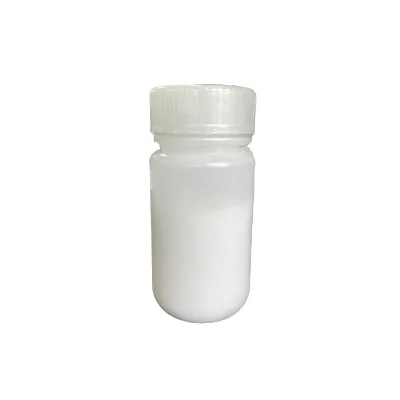
Cosmetic Peptide Acetyl Tetrapeptide-15 Anti-allergic Anti-sensitivity CAS 928007-64-1
$50.00 - $200.00
MOQ: 1 Minimum
Comprehensive Sourcing Guide
Strategic Sourcing Guide for Acetyl Tetrapeptide-5 in the Global Cosmetics Market
Procuring high-purity peptide ingredients requires a disciplined approach that balances technical performance with rigorous supply chain verification. For buyers targeting Acetyl Tetrapeptide-5, the market presents a complex landscape of suppliers, varying purity standards, and diverse packaging configurations. This guide synthesizes observed market data and verified product attributes to establish a framework for effective sourcing. The focus remains on evidence-based decision-making, ensuring that procurement strategies are grounded in observable facts rather than unverified marketing claims. Understanding the specific nuances of this ingredient, from its origin in Shaanxi, China, to its specific application in reducing puffy eyebags, is essential for formulating compliant and effective cosmetic products.
Technical Specifications and Chemical Identity
The foundation of any successful procurement strategy lies in the precise identification of the raw material. Acetyl Tetrapeptide-5 is a synthetic peptide widely recognized for its role in skincare formulations. When evaluating potential suppliers, buyers must first verify the chemical identity against established identifiers. The core specification for this ingredient often cites the CAS number 827306-88-7, which serves as the definitive chemical fingerprint. Without this specific identifier, there is a risk of sourcing incorrect analogs or related peptides that may not deliver the intended biological activity.
Appearance is another critical technical parameter. Market observations indicate that the product typically presents as a white powder or white fine powder. This physical state is consistent with the standard processing methods for peptide intermediates. However, buyers should not assume uniformity across all batches. The observed data suggests that while the general appearance is white, the particle size and flow properties can vary based on the specific manufacturing process. Therefore, technical data sheets (TDS) must be reviewed to confirm that the powder meets the specific rheological requirements of the buyer's formulation process.
Purity is perhaps the most contentious technical variable in the peptide market. The supplied data reveals a range of purity claims, with some listings indicating a content of active substances greater than 90%, while others specify standards of 98%, 99%, or even 99.5%. This variance highlights the necessity for buyers to define their minimum acceptable purity threshold before engaging with suppliers. A specification of >99% is frequently cited as a benchmark for high-grade pharmaceutical intermediates, but lower grades may be acceptable for certain cosmetic applications where the peptide is used in conjunction with other active ingredients. The test method for verifying this purity is typically High-Performance Liquid Chromatography (HPLC), a standard analytical technique in the industry. Buyers must ensure that the supplier provides HPLC chromatograms and certificates of analysis (CoA) that correspond to the specific batch being purchased.
Compliance, Certification, and Regulatory Frameworks
Navigating the regulatory landscape is a non-negotiable aspect of sourcing Acetyl Tetrapeptide-5. The ingredient is classified as a cosmetic raw material and a pharmaceutical intermediate, which subjects it to varying degrees of scrutiny depending on the target market. The observed data lists several certifications, including USP, ISO GMP, FDA, MSDS, and CE. It is crucial for buyers to understand that the presence of these certifications on a product listing does not guarantee that every batch or every supplier holds them.
USP (United States Pharmacopeia) standards represent a high level of quality assurance, particularly for ingredients intended for use in the United States market. Similarly, ISO GMP (Good Manufacturing Practice) certification indicates that the facility adheres to strict quality management systems. However, the data also notes that some products are listed as "Non-Customized," which may imply a standard compliance package rather than a tailored regulatory support structure. Buyers must verify the current validity of these certifications directly with the issuing bodies or by requesting up-to-date audit reports.
The FDA listing mentioned in the data likely refers to the facility's registration or the ingredient's status in the FDA inventory, rather than an FDA "approval" of the specific peptide, as the FDA does not approve cosmetic ingredients prior to market entry in the same manner as drugs. The presence of an MSDS (Material Safety Data Sheet) is a fundamental requirement for shipping and handling safety, detailing the hazards and emergency procedures. CE marking suggests compliance with European health, safety, and environmental protection standards. Buyers should demand these documents for every new supplier engagement to ensure that the supply chain is fully transparent and compliant with the regulations of the destination country.
Cost Drivers and Economic Variables
The pricing of Acetyl Tetrapeptide-5 is influenced by a complex interplay of factors, including purity, packaging, and order volume. The observed market data indicates a significant price range, with listings spanning from $1 to $410 USD. This wide disparity is not necessarily indicative of product quality differences alone but often reflects the scale of the transaction and the packaging format. For instance, a price of $1 may correspond to a sample or a very small unit, while the $410 figure likely represents a bulk quantity or a specific packaging configuration.
Packaging plays a substantial role in cost determination. The data shows diverse packaging options, ranging from 1.1 grams per aluminum foil bag with one plastic layer to 25 kg cartons with double food plastic bags. Smaller units, such as 1g, 10g, or 100g bottles, incur higher per-gram costs due to the labor and materials involved in individual packaging. Conversely, bulk packaging like drums or 25 kg cartons reduces the unit cost but requires the buyer to have the infrastructure for storage and handling.
Minimum Order Quantity (MOQ) is another critical economic driver. The observed MOQ range is extensive, spanning from 1 mg to 1 kg. This flexibility allows buyers to test the market with small quantities before committing to large-scale production. However, the lowest MOQ of 1 mg is likely intended for research and development purposes and may carry a premium price per gram. For commercial production, buyers should anticipate MOQs in the gram or kilogram range, which typically offer more favorable pricing structures. Understanding these economic variables allows buyers to negotiate effectively and align their procurement strategy with their production volume and budget constraints.
Typical Applications and Functional Performance
Acetyl Tetrapeptide-5 is primarily utilized in the skincare sector, specifically targeting concerns related to eye area aesthetics. The functional claim observed in the market data is the reduction of puffy eyebags. This application aligns with the ingredient's classification as a cosmetic raw material and a pharmaceutical intermediate. The mechanism of action involves the peptide's ability to influence microcirculation and fluid retention in the skin, making it a valuable component in anti-aging and depuffing formulations.
The suitability of the ingredient is noted for adults, indicating that it is not typically marketed for pediatric or infant skincare products. This demographic targeting influences the formulation strategy, as the concentration and combination with other actives must be optimized for mature skin concerns. The production type is listed as skincare, reinforcing its primary market application.
When integrating Acetyl Tetrapeptide-5 into a formulation, buyers must consider its compatibility with other ingredients. As a peptide, it is sensitive to pH, temperature, and the presence of certain enzymes. The storage requirement of a cool, dry place is essential to maintain stability. The shelf life, observed to be greater than 12 months and up to 2 years in some listings, provides a reasonable window for inventory management, provided that storage conditions are strictly maintained. Buyers should verify the stability data in the supplier's TDS to ensure the ingredient remains effective throughout the product's intended shelf life.
Supplier Evaluation and Quality Control Protocols
Selecting the right supplier requires a rigorous evaluation process that goes beyond price and basic specifications. The data indicates that the origin of the product is primarily China, with specific mentions of Shaanxi as a production hub. While this geographic concentration suggests a mature supply chain, it also necessitates thorough due diligence to ensure quality consistency. Buyers should prioritize suppliers who demonstrate transparency in their manufacturing processes and provide comprehensive documentation.
Quality control is paramount in peptide sourcing. The use of HPLC as the test method is standard, but buyers must ensure that the supplier's internal quality control protocols are robust. This includes verifying that the supplier conducts batch-to-batch testing and maintains a system for traceability. The presence of certifications like USP and ISO GMP is a positive indicator, but these should be validated through third-party audits or recent inspection reports.
The shipping options listed, including FedEx, DHL, EMS, TNT, 4px, Royal Postal, and Aramex, suggest a global distribution network. However, the choice of shipping method can impact the integrity of the product, especially for temperature-sensitive peptides. Buyers should confirm that the supplier uses appropriate cold-chain logistics or protective packaging to prevent degradation during transit. The storage method of "Normal" in the data may be misleading; given the requirement for a "Cool Dry Place," buyers must clarify if the supplier's "Normal" storage includes climate control measures.
Long-Term Procurement Considerations and Sustainability
Sourcing Acetyl Tetrapeptide-5 is not merely a transactional activity but a long-term strategic partnership. Buyers should consider the sustainability of the supply chain, including the resource origin. The data mentions both "Chemosynthesis" and "Natural" as resource attributes. This duality requires clarification, as it may refer to the synthesis method (chemical synthesis of a natural peptide sequence) versus the source of the starting materials. Buyers should seek clarity on whether the production process aligns with their corporate sustainability goals.
The feature of being "Eco-Friendly" and "Disposable" is noted in the data, though this likely refers to the packaging or the application method rather than the peptide itself. Buyers should evaluate the environmental impact of the packaging, particularly the use of aluminum foil and plastic bags, to ensure compliance with their own sustainability mandates.
Furthermore, the customization options available in the market, such as the ability to request specific packaging or labeling, offer flexibility for brand differentiation. However, the data also notes "Non-Customized" options, which may be more cost-effective for standard formulations. Buyers must balance the need for customization with the cost implications and lead times associated with tailored production runs.
In conclusion, successful procurement of Acetyl Tetrapeptide-5 requires a meticulous approach that integrates technical verification, regulatory compliance, economic analysis, and supplier evaluation. By focusing on the verified facts provided in the market data and adhering to strict quality control protocols, buyers can secure a reliable supply of this valuable cosmetic ingredient. The key lies in maintaining a clear understanding of the product's specifications, ensuring that all claims are backed by documentation, and fostering transparent relationships with suppliers who prioritize quality and consistency.
| Attribute Category | Observed Data Points | Verification Requirement |
|---|---|---|
| Chemical Identity | CAS: 827306-88-7 | Verify against official chemical registries. |
| Purity Standards | >90%, 98%, 99%, 99.5% | Request batch-specific CoA with HPLC data. |
| Physical Appearance | White Powder, White Fine Powder | Visual inspection and particle size analysis. |
| Packaging | 1.1g/Bag, 1g/10g/100g/Bottle, 25kg/Drum | Confirm packaging integrity and labeling. |
| Certifications | USP, ISO GMP, FDA, MSDS, CE | Validate current certification status with issuers. |
| Origin | China, Shaanxi | Verify facility location and audit history. |
| Shelf Life | >12 Months, 2 Years | Confirm storage conditions and stability data. |
| MOQ | 1mg - 1kg | Align with production volume and budget. |
| Application | Cosmetic, Skincare, Reduces Puffy Eyebags | Ensure formulation compatibility and efficacy. |
FAQs
What is the purity level of acetyl tetrapeptide-5?
The purity level is typically greater than 99 percent, with some listings specifying 99.5 percent. Buyers should verify the specific batch certificate of analysis to confirm the exact active substance content meets their formulation requirements.
How is acetyl tetrapeptide-5 packaged for shipment?
Packaging options range from small 1.1 gram aluminum foil bags to bulk 25 kilogram cartons with double food plastic bags. The specific packaging format depends on the order quantity and whether the buyer requires custom or standard units.
Can I find acetyl tetrapeptide-5 with FDA certification?
Yes, some suppliers list FDA certification alongside other standards like USP and ISO GMP. Buyers must verify the validity of these certifications directly, as they indicate facility compliance rather than product approval for every batch.
What is the minimum order quantity for this ingredient?
The minimum order quantity varies significantly, ranging from 1 milligram for samples to 1 kilogram for bulk orders. Smaller quantities are often intended for research purposes, while larger volumes offer more favorable pricing structures for production.
Where is acetyl tetrapeptide-5 primarily manufactured?
The product originates from China, with specific production hubs identified in Shaanxi. Buyers should account for shipping logistics and potential lead times when sourcing from this specific geographic region for global distribution.
How long is the shelf life of this peptide?
The shelf life is generally greater than 12 months, with some listings indicating up to 2 years. Proper storage in a cool, dry place is essential to maintain stability and ensure the ingredient remains effective throughout its lifespan.