Source Acid And Alkali Resistant Ventilation Hood for Labs
Find 30 Acid And Alkali Resistant Ventilation Hood options from verified suppliers. Compare models with features like corrosion resistance, custom dimensions, and CE certification for laboratory and chemical plant applications.
Key considerations
Products List


Acid and Alkali Resistant Fume Hood All Steel Fume Hood with Exhaust Fan
$800.00 - $2000.00
MOQ: 1 Pieces

PP Fume Hood Strong Acid Resistant Exhaust Hood Customized Lab Equipment
$800.00 - $3000.00
MOQ: 1 Pieces


Acid Resistant Fume Hood Exhaust Fan Chemical Laboratory Ducted Fume Hood
$738.00 - $948.00
MOQ: 1 Pieces


Customized Corrosion Resistant Laboratory Fume Hood at Competitive Price
$899.00 - $3000.00
MOQ: 1 Pieces


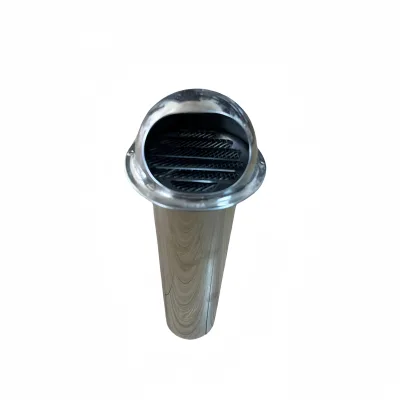


Steel Fume Hood with High Airflow and Optional Fan
$950.00 - $1100.00
MOQ: 5 Pieces
Guangdong Zhijian Experimental Equipment Technology Co., Ltd.


Steel Fume Hood with High Airflow and Ceramic Work Top
$950.00 - $1100.00
MOQ: 5 Pieces
Guangdong Zhijian Experimental Equipment Technology Co., Ltd.
Comprehensive Sourcing Guide
Strategic Sourcing Guide for Acid and Alkali Resistant Ventilation Hoods
Procuring laboratory and industrial ventilation equipment requires a rigorous approach, particularly when the core requirement involves resistance to harsh chemical environments. An Acid And Alkali Resistant Ventilation Hood is a critical safety component designed to contain, exhaust, and neutralize hazardous fumes generated during chemical processes. For procurement professionals, the challenge lies in navigating a market where product attributes vary significantly between models, and where the distinction between standard and customized solutions can impact both safety compliance and operational efficiency. This guide synthesizes available product data and industry standards to provide a structured framework for sourcing these essential units.
Technical Specifications and Material Integrity
The foundation of any reliable ventilation hood lies in its material composition and physical construction. In the context of acid and alkali resistance, Polypropylene (PP) emerges as a primary material of choice for many specialized units. PP offers inherent chemical stability, making it suitable for environments where exposure to strong acids, alkalis, and corrosive vapors is frequent. When evaluating a product, buyers must verify that the material specification explicitly states PP or an equivalent high-performance polymer capable of withstanding specific chemical concentrations.
Beyond the base material, the thickness of the construction is a vital technical parameter. Data indicates that units are often manufactured with a thickness of 8mm, a dimension that provides the necessary structural rigidity to resist deformation under thermal or chemical stress. The surface finish is equally critical; a smooth surface prevents the accumulation of chemical residues and facilitates easier cleaning, reducing the risk of cross-contamination. Some models feature an epoxy coating, which adds an additional layer of protection against corrosion and enhances the durability of the unit.
The physical design of the hood also dictates its functionality. Common configurations include floor-mounted designs, which offer stability and ease of integration into laboratory layouts. The shape is typically rectangular, optimizing internal volume while maintaining a compact footprint. Dimensions vary based on customization needs, with standard configurations often ranging from 1200mm to 1800mm in width, 800mm to 850mm in depth, and 2350mm in height. These dimensions are not universal; buyers should confirm the exact standard or custom dimensions required for their specific laboratory space. The visual window is another key component, often utilizing anti-explosive glass to ensure operator safety in the event of an internal reaction or pressure spike.
Compliance, Certification, and Safety Standards
Navigating the regulatory landscape is a non-negotiable aspect of sourcing safety-critical equipment. While specific test results for every unit may not be publicly available, certain certifications serve as strong indicators of quality and compliance. The CE mark is a frequently observed certification for these products, signifying that the equipment meets European Union safety, health, and environmental protection requirements. Buyers should treat this as a baseline verification rather than a guarantee of performance in all specific local jurisdictions.
When discussing standards, it is important to distinguish between general manufacturing standards and specific performance benchmarks. While some background information references ISO 9001 for quality management or ISO 14001 for environmental management, these are organizational certifications rather than product-specific technical standards. For the ventilation hood itself, the relevant standard often cited is EN 14175, which pertains to fume cupboards. However, buyers must verify if the specific model they are considering adheres to this standard, as the provided data suggests that standards can be "customizable" or "standard" depending on the order.
Safety features are integral to the design. The product attributes highlight several critical functions, including explosion-proof capabilities and fireproof properties. These features are essential for laboratories handling volatile chemicals. The hood's function is primarily exhaust, often coupled with velocity control to maintain consistent airflow and prevent the escape of hazardous fumes. The voltage requirements, typically 220V/50Hz, must be compatible with the local electrical infrastructure. Additionally, the inclusion of fittings such as lab faucets, gas corks, cup sinks, and sockets indicates a comprehensive design intended for complex laboratory workflows.
Cost Drivers and Pricing Variables
The pricing for acid and alkali resistant ventilation hoods is highly variable, influenced by a complex matrix of factors. Observed market data suggests a price range spanning from $2 to $3,000 USD. This wide disparity is not indicative of quality differences alone but reflects the diversity of configurations, sizes, and customization levels available. A basic, standard-sized unit with minimal features will naturally fall at the lower end of this spectrum, while a fully customized, large-scale unit with advanced safety features and specialized materials will command a premium price.
Several specific cost drivers influence the final quote. First, the level of customization is a primary determinant. While some units are offered as "Non-Customized" standard models, many suppliers offer "Customization Available" services. Custom dimensions, specialized coatings, or unique fitting configurations will increase the cost. Second, the material thickness and type play a role; an 8mm PP construction is more expensive than thinner alternatives, and the addition of epoxy coatings adds to the manufacturing cost. Third, the inclusion of accessories such as anti-explosive glass, velocity control systems, and integrated utility fittings (faucets, gas corks) significantly impacts the price.
The Minimum Order Quantity (MOQ) also affects the effective cost per unit. The observed MOQ range is from 1 to 500 pieces. For laboratories requiring a single unit, the unit price may be higher due to the lack of economies of scale. Conversely, bulk orders can leverage lower per-unit costs. Buyers should also consider the packaging requirements; units are often shipped in wooden boxes or wooden frames, which adds to the shipping weight and cost, particularly for international procurement from origins like Guangdong, China.
Typical Applications and Operational Context
Understanding the intended application is crucial for selecting the right ventilation hood. These units are predominantly designed for laboratory environments and chemical plants. In a laboratory setting, the hood serves as a primary defense against inhalation hazards, protecting researchers from exposure to toxic, corrosive, or flammable substances. The "General Use" classification confirms their suitability for a wide range of scientific and industrial tasks.
The specific applications often dictate the required features. For instance, a chemical plant may require a hood with enhanced explosion-proof capabilities and robust corrosion resistance to handle large-scale reactions. In contrast, a university research lab might prioritize ease of installation and operation, along with standard safety features. The "Purpose" of these units is explicitly stated as waste gas purification, highlighting their role in environmental compliance and workplace safety.
The working temperature is another contextual factor. Most units are designed for "Normal Temperature" operation, meaning they are not intended for extreme thermal environments without additional engineering. However, the material properties, such as heat resistance, ensure that the hood can withstand the heat generated by typical chemical reactions. The design style, often described as "Electric," implies the integration of electrical components for fans, lights, and sensors, which must be compatible with the hazardous atmosphere.
Supplier Evaluation and Service Capabilities
When evaluating potential suppliers, buyers must look beyond the product specifications to the service ecosystem. A reliable supplier should offer comprehensive after-sales service, including installation support and maintenance assistance. The availability of customization services is a strong indicator of a supplier's flexibility and capability to meet unique laboratory requirements. Buyers should verify if the supplier can accommodate specific requests for dimensions, materials, or fittings.
The origin of the product is a relevant factor in the evaluation process. Many of these units originate from Guangdong, China, a region known for its manufacturing capabilities in laboratory furniture. While the "Place of Origin" is a factual observation, buyers should ensure that the supplier has a track record of exporting to their region and adhering to local import regulations. The warranty period, typically 1 year, is a standard offering that provides a baseline of confidence in the product's durability. However, buyers should clarify the scope of this warranty, including what components are covered and the response time for service requests.
The customization status of the product is a critical point of verification. Some listings indicate "Customized" availability, while others note "Non-Customized" options. This distinction is vital for procurement planning. If a project requires a non-standard size or specific chemical resistance profile, the buyer must confirm that the supplier can deliver a customized solution within the required timeline. The "Service" attribute, which includes accepting customization and offering after-sales support, should be explicitly confirmed in the contract to avoid misunderstandings.
Quality Control and Long-Term Procurement Considerations
Ensuring long-term value requires a focus on quality control and lifecycle management. The manufacturing process should result in a smooth surface finish and precise dimensions, as deviations can compromise the seal and safety of the hood. Buyers should request documentation regarding the manufacturing process, including surface treatment methods like epoxy coating, to verify that the product meets the specified quality standards.
Long-term procurement considerations extend beyond the initial purchase. The availability of spare parts, such as fans, lights, and control panels, is essential for maintaining operational continuity. The "Condition" of the product is listed as "New," but buyers should inquire about the expected lifespan of the unit and the maintenance schedule required to sustain its performance. The "Advantage" of being easy to install and operate suggests that the design minimizes downtime during setup, but the long-term reliability depends on the quality of the materials and the robustness of the construction.
Finally, buyers should consider the environmental impact and disposal protocols. While the product is designed for waste gas purification, the end-of-life disposal of the PP material and any electronic components must comply with local environmental regulations. The "Standard" of the product, whether custom or standard, should align with the buyer's long-term sustainability goals. By carefully evaluating these factors, procurement professionals can secure ventilation hoods that not only meet immediate safety requirements but also provide reliable service over the long term.
Conclusion
Sourcing acid and alkali resistant ventilation hoods demands a meticulous approach that balances technical specifications, regulatory compliance, and cost considerations. The market offers a diverse range of products, from standard 8mm PP units to fully customized solutions with advanced safety features. By focusing on material integrity, verifying certifications like CE, and understanding the specific needs of the application environment, buyers can make informed decisions. The wide price range and MOQ flexibility allow for tailored procurement strategies, but success depends on thorough supplier evaluation and a clear understanding of long-term maintenance requirements. Ultimately, the goal is to secure a ventilation solution that ensures safety, compliance, and operational efficiency in demanding laboratory and industrial settings.
FAQs
What material is used for acid and alkali resistant ventilation hoods?
These hoods are primarily constructed from Polypropylene (PP) material to ensure chemical stability. The 8mm thickness provides structural rigidity against corrosive vapors and thermal stress in laboratory environments.
Which certifications do these ventilation hoods typically hold?
Many units carry the CE certification, indicating compliance with European Union safety and environmental standards. Buyers should verify if specific models adhere to EN 14175 for fume cupboards as well.
How does the customization option affect the product dimensions?
Customization allows for specific dimensions like 1200x800x2350mm or 1500x850x2350mm to fit unique laboratory layouts. Standard sizes are available, but custom orders may alter the pricing and lead time.
Can these hoods be used in chemical plants for waste gas purification?
Yes, they are designed for laboratory and chemical plant applications to purify waste gas. Their features include corrosion resistance, fireproof properties, and explosion-proof capabilities for safe operation in hazardous areas.
What is the warranty period for these laboratory ventilation units?
The standard warranty period is 1 year for new units. This coverage typically includes after-sales service and support for installation and operation issues.
How are these ventilation hoods packaged for shipping?
Units are packed in wooden boxes or wooden frames to ensure safe transport. This packaging protects the smooth surface and anti-explosive glass from damage during international shipping from China.
What voltage requirements do these electric design hoods have?
The standard voltage requirement is 220V at 50Hz. This electrical specification must match the local infrastructure to ensure proper operation of the exhaust and velocity control systems.