Source Acid and Alkali Resistant Rubber Rain Boots for Chemical, Machinery, and Food
Find 30 Acid and Alkali Resistant Rubber Rain Boots suitable for chemical, machinery, and food applications. Buyers can compare features like waterproofing, slip resistance, and customization options across various models and sizes.
Key considerations
Products List


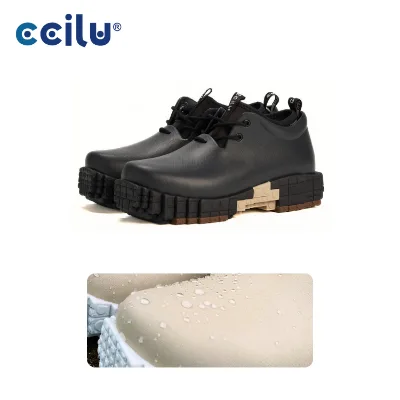
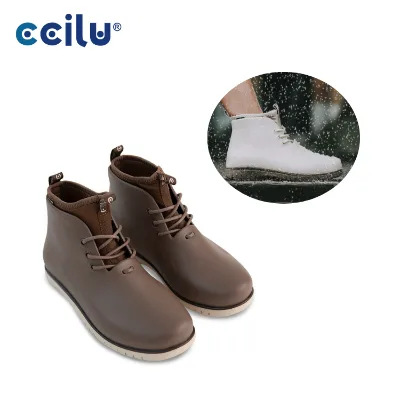
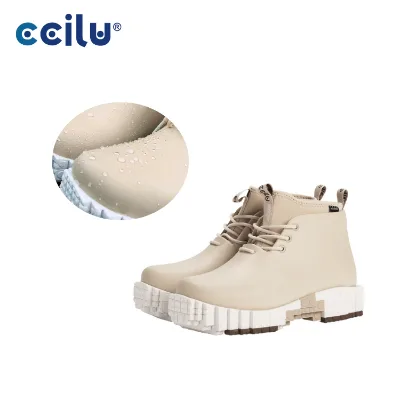
Quality Assurance Rubber Working Boots Outdoor Waterproof Rain Boot Shoes
$3.50 - $4.50
MOQ: 1000 Pairs


Comprehensive Sourcing Guide
Strategic Sourcing Guide for Acid and Alkali Resistant Rubber Rain Boots
Understanding the Technical Specifications and Material Composition
When sourcing Acid and Alkali Resistant Rubber Rain Boots, the primary objective is to identify footwear that maintains structural integrity in harsh chemical environments while providing essential safety features. The product landscape for these items is defined by specific material compositions and functional attributes. The core material for the upper and outsole is frequently identified as rubber or plastic, with a specific emphasis on PVC (Polyvinyl Chloride) for insoles and outsoles. This material selection is critical because PVC offers inherent resistance to a broad spectrum of corrosive substances, including acids and alkalis, which are common in industrial settings.
The physical construction of these boots varies, with some models featuring a mesh lining material to potentially enhance breathability or fit, while others are constructed as solid units. A key observation in the current market is the distinction between hand-made and machine-made production. The majority of available products in this category are not hand-made, indicating a reliance on automated molding processes that ensure consistency in wall thickness and chemical resistance. The boots are designed with a flat heel shape, typically categorized as a low heel ranging from 1 to 3 cm, which provides stability for workers who may be standing for extended periods or moving on uneven surfaces.
Color options are diverse, with black, red, and blue being the most commonly observed variations. The color choice often serves a dual purpose of aesthetic preference and safety coding, where specific colors might denote different levels of protection or departmental assignments within a facility. The boots are generally unisex and suitable for adult age groups, with size ranges typically spanning from US 5 to US 9, and in some specialized industrial models, extending up to US 19. This wide range of sizing ensures that procurement teams can outfit entire workforces regardless of individual foot dimensions.
Compliance Verification and Certification Standards
Navigating the compliance landscape for industrial footwear requires a rigorous approach to verifying standards and certifications. While the product data indicates a general adherence to safety principles, specific certification claims such as CE or ISO 20345:2011 must be treated as background information rather than guaranteed attributes for every listed item. Buyers must understand that the presence of a standard code in a product description does not automatically equate to a valid, current certification for that specific batch.
The primary standard to verify is the chemical resistance rating of the rubber or plastic material. Buyers should request test reports that specifically validate the boot's performance against the acids and alkalis present in their specific operational environment. The data suggests that the boots are designed for "Acid and Alkali Resistant" functionality, but the exact concentration and duration of exposure that the material can withstand must be confirmed through third-party testing. Relying solely on the product title or general attribute tags without physical verification can lead to significant safety gaps.
Furthermore, the "Waterproof" attribute is a standard feature across the observed product range, yet the mechanism of waterproofing varies. Some models utilize a PVC insole, while others rely on the integrity of the rubber upper. Buyers should verify that the waterproofing is not just a surface treatment but a structural characteristic of the material. In terms of safety features, the boots often include slip-resistant properties and, in some high-specification models, steel toe protection. These features are essential for environments where chemical spills coincide with heavy machinery or falling objects.
Cost Drivers and Pricing Dynamics
The pricing structure for Acid and Alkali Resistant Rubber Rain Boots is influenced by several dynamic factors, resulting in a wide observed range from 1.8 to 70 USD per unit. This significant variance is not merely a reflection of brand premiums but is driven by material quality, production complexity, and order volume. The lower end of the price spectrum typically corresponds to basic models with standard PVC or plastic construction, minimal safety features, and smaller order quantities. Conversely, the higher price points are associated with boots featuring specialized rubber compounds, steel toe caps, enhanced slip resistance, and custom manufacturing options.
Minimum Order Quantity (MOQ) is a critical cost driver in this sector. The observed MOQ range spans from 1 pair to 2,000 pairs. Suppliers offering an MOQ of 1 are likely catering to small businesses or replacement needs, but the unit cost will be significantly higher. As the order volume increases, the unit price typically decreases due to economies of scale in molding and material procurement. Buyers must balance their immediate inventory needs with the long-term cost benefits of larger orders. For large-scale industrial deployments, negotiating an MOQ closer to the 1,000 to 2,000 pair range can yield substantial savings, although it requires a higher upfront capital outlay.
Customization is another factor that impacts cost. The availability of customization allows buyers to specify colors, logos, or specific material thicknesses, but these requests often incur additional tooling or setup fees. The production origin, primarily China, also plays a role in the base cost, with logistics and import duties adding to the final landed cost. Buyers should calculate the total cost of ownership, including shipping, customs, and potential inventory holding costs, rather than focusing solely on the unit price listed on the supplier's page.
Typical Applications and Usage Scenarios
The versatility of Acid and Alkali Resistant Rubber Rain Boots makes them suitable for a wide array of industrial and commercial applications. The primary usage scenarios identified include the chemical industry, where exposure to corrosive liquids is a daily hazard. In these environments, the boots serve as the first line of defense, preventing skin contact with hazardous substances that could cause severe burns or long-term health issues. The "Wearproof" and "Waterproof" attributes are particularly valuable here, ensuring that the footwear remains intact despite constant contact with harsh chemicals.
Beyond chemical processing, these boots are essential in the food and beverage industry. Here, the boots protect against spills of acidic cleaning agents, such as those used for sanitizing equipment, as well as the natural acidity found in various food products. The "Four Seasons" suitability of the boots indicates that they are designed for year-round use, making them a reliable investment for facilities that operate continuously regardless of external weather conditions. The "Spring & Autumn" seasonal suitability noted in some models suggests that certain variations may be optimized for moderate temperatures, while others are built for more extreme conditions.
The machinery and mining industries also represent significant application areas. In these sectors, the boots must withstand not only chemical exposure but also physical hazards. The "Slip-Resistant" feature is crucial for wet and oily floors common in machinery workshops, while the "Steel Toe" option provides protection against heavy equipment. The "Petroleum" usage category highlights the boots' ability to resist oil-based chemicals, which are prevalent in refining and lubrication processes. The "Machinery" and "Mining Industry" tags further emphasize the need for durable, long-lasting footwear that can endure the rigors of heavy industrial work.
Supplier Evaluation and Operational Capabilities
Evaluating suppliers for industrial rubber boots requires a focus on their production capabilities, location, and logistical reliability. The primary production origin for the observed products is China, with specific mentions of Nanjing as a manufacturing hub. This concentration of production suggests a mature supply chain with established expertise in rubber and plastic molding. However, buyers should verify the specific factory location and capacity to ensure they can meet their volume requirements and delivery schedules.
The product packing standards vary, with "Carton" and "Box" being the most common methods. The dimensions of the packaging, such as 552854cm or 623934cm, are critical for logistics planning. Buyers must calculate the number of units per container to optimize shipping costs and ensure efficient warehouse storage. The "Medium Long" length and "Medium" thickness specifications indicate that the boots are designed for substantial coverage and durability, which should be reflected in the packaging to prevent damage during transit.
When assessing suppliers, buyers should look for transparency in their product models. The observed model numbers, such as 26042017-838 or CNMF8422, serve as unique identifiers that can help track specific batches and quality variations. A supplier that provides clear model documentation and consistent product descriptions is more likely to maintain quality control standards. Additionally, the availability of customization options suggests a flexible manufacturing process, which is a positive indicator of a supplier's ability to adapt to specific buyer requirements.
Quality Control and Long-Term Procurement Strategies
Implementing a robust quality control (QC) strategy is essential for ensuring the safety and reliability of Acid and Alkali Resistant Rubber Rain Boots. Given the critical nature of the protection these boots provide, buyers should not rely solely on the supplier's internal QC processes. Instead, a third-party inspection at the factory level is recommended before shipment. This inspection should focus on verifying the material composition, checking for defects such as bubbles or thin spots in the rubber, and confirming the accuracy of the size and color specifications.
The "Acid and Alkali Resistant" claim must be validated through independent testing. Buyers should request certificates of analysis or test reports from accredited laboratories that demonstrate the boots' resistance to the specific chemicals used in their facility. The absence of specific test data in the product listing is a red flag that requires immediate follow-up. Furthermore, the "Waterproof" attribute should be tested under simulated conditions to ensure that the boots do not leak under pressure or prolonged exposure.
For long-term procurement, establishing a partnership with a reliable supplier is more beneficial than transactional buying. This involves negotiating clear terms for quality assurance, delivery timelines, and after-sales support. The "Low Heel" and "Flat Heel" design of the boots suggests a focus on comfort and stability, which should be maintained consistently across all production batches. Buyers should also consider the environmental impact of the materials used, particularly PVC and rubber, and inquire about the supplier's sustainability practices if this is a corporate priority.
In conclusion, sourcing Acid and Alkali Resistant Rubber Rain Boots requires a meticulous approach that balances technical specifications, compliance verification, cost management, and supplier reliability. By focusing on the specific material properties, verifying safety standards, and implementing rigorous quality control measures, buyers can secure footwear that effectively protects their workforce in demanding industrial environments. The wide range of available options, from basic models to high-specification boots with steel toes, allows for tailored solutions that meet the unique needs of various industries.
FAQs
What materials are used for Acid and Alkali Resistant Rubber Rain Boots?
These boots typically use rubber or plastic for the upper and PVC for insoles and outsoles. The PVC material provides inherent resistance to corrosive substances, ensuring structural integrity in harsh chemical environments while maintaining waterproof properties.
Can these boots be customized for specific industrial needs?
Yes, customization is available for these boots to meet specific requirements. Buyers can often specify colors like black, red, or blue, and request variations in material thickness or branding, though this may affect production timelines and unit costs.
Which safety features are standard in these industrial rubber boots?
Standard safety features include slip-resistant soles and waterproof construction. Some high-specification models also offer steel toe protection and wearproof attributes, making them suitable for environments with heavy machinery or falling object hazards.
How does the MOQ affect the pricing of these boots?
The minimum order quantity significantly impacts the unit price, ranging from 1 to 2000 pairs. Higher order volumes generally yield lower unit costs due to economies of scale, while small orders near an MOQ of 1 will cost more per pair.
What are the typical heel height and shape for these boots?
These boots feature a flat heel shape with a low heel height of 1 to 3 cm. This design provides stability for workers standing for extended periods and ensures safety on uneven or slippery industrial surfaces.
Which industries commonly use Acid and Alkali Resistant Rubber Rain Boots?
These boots are commonly used in the chemical, food, machinery, and mining industries. They protect against corrosive liquids, acidic cleaning agents, petroleum products, and physical hazards like heavy equipment or slippery floors.