Source Acoustic Panel Nailing Machine for Woodworking, Construction, and Manufacturing
Explore 30 listings for the Acoustic Panel Nailing Machine designed for woodworking, construction, and manufacturing. Buyers can compare specifications like processing width, nailing distance, and capacity to find the right equipment for their production needs.
Key considerations
Products List


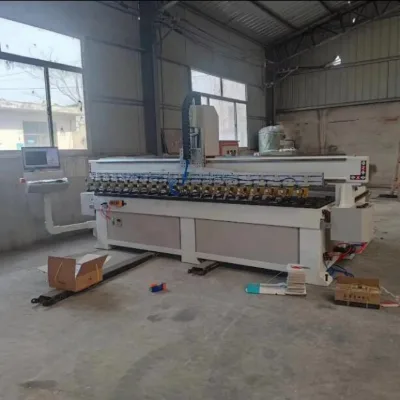
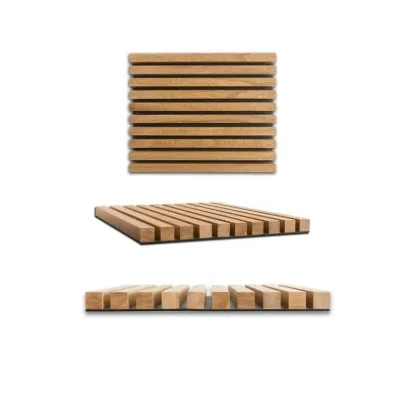
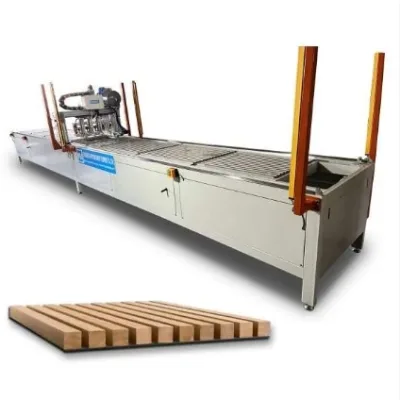
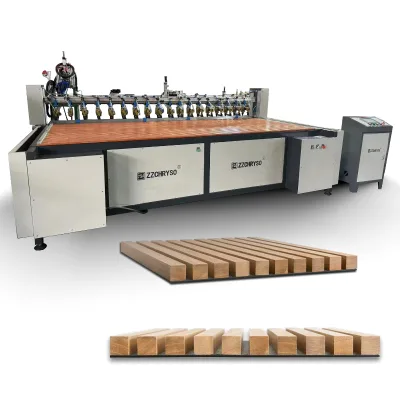
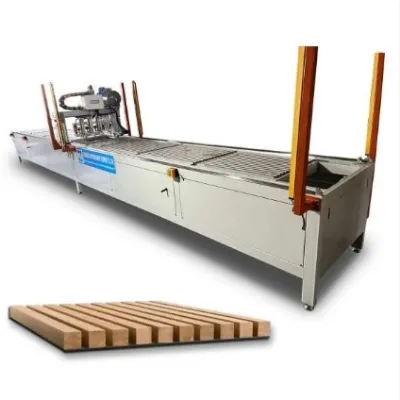
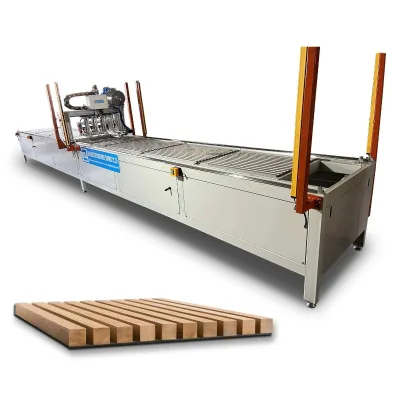
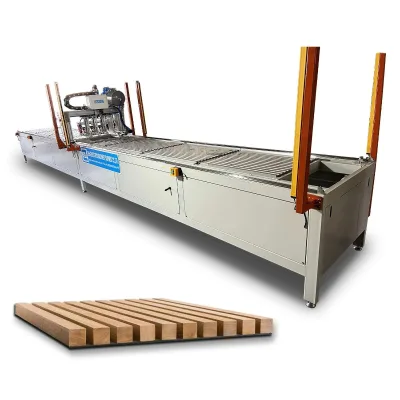

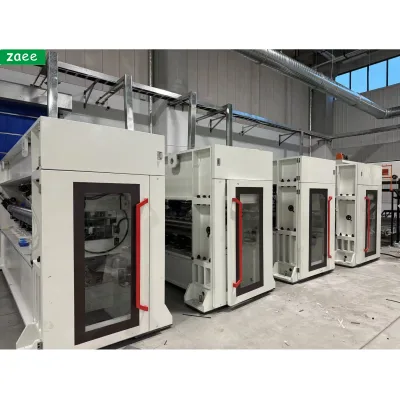
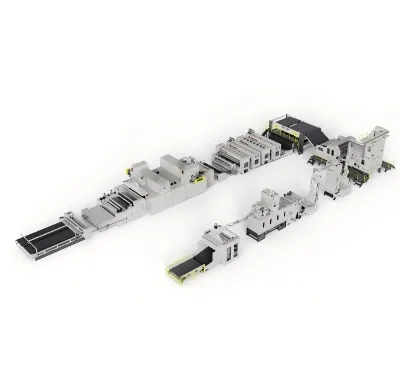
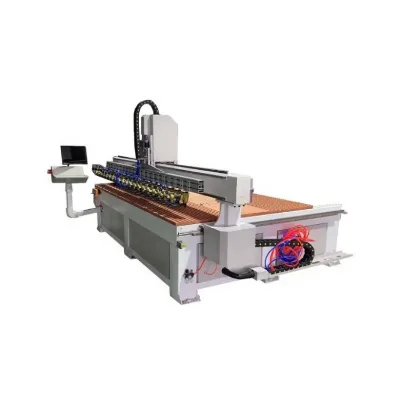
Dual Station Acoustic Panel Nailing Machine for Sound-Absorbing Panel
$20000.00 - $24000.00
MOQ: 1 Pieces
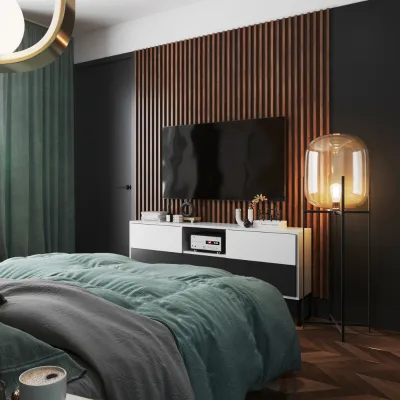
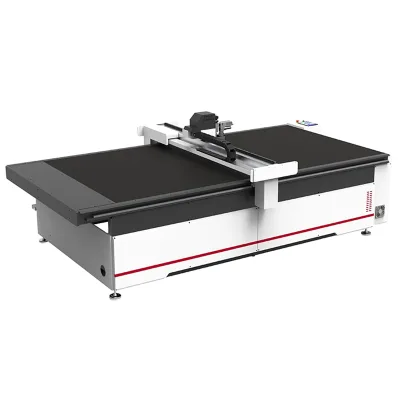
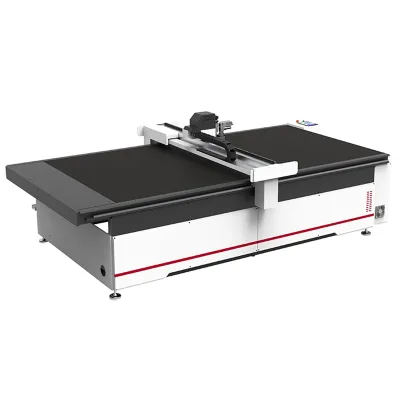


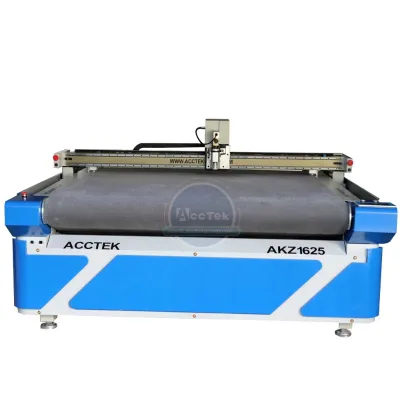
CNC Sound Absorption Board Cutting Machine Acoustic Panel V Groove Cutting
$5000.00 - $10000.00
MOQ: 1 Pieces
Comprehensive Sourcing Guide
Strategic Sourcing Guide for Acoustic Panel Nailing Machines
Understanding the Core Technical Architecture
The acquisition of an Acoustic Panel Nailing Machine requires a precise understanding of the mechanical and operational architecture that defines its performance. Based on current market data, these units are engineered primarily for the woodworking process, specifically designed to automate the fastening of acoustic panels with high consistency. The fundamental configuration often centers on a horizontal layout, which facilitates the efficient movement of materials through the processing zone. A critical observation in the current supply landscape is the prevalence of models featuring a processing width of 600mm, with many suppliers offering this dimension as a customizable parameter to accommodate varying panel sizes.
The operational capacity of these machines is a primary metric for procurement planning. Data indicates a standard production efficiency of approximately 100 pieces per hour (100 PCS/H), though this figure is contingent upon the specific configuration of the nail gun quantity and the complexity of the panel design. The core mechanism typically utilizes a high-precision system where the distance between nails can be adjusted with a minimum increment of 0.1mm. This level of granularity is essential for meeting the stringent aesthetic and structural requirements of acoustic treatments. The machine generally operates with a station count of two, allowing for simultaneous or sequential processing steps that enhance throughput.
Power and control systems are equally vital to the machine's functionality. The observed market offerings frequently include a CNC controlling mode, ensuring that the nailing patterns are executed with digital precision rather than manual intervention. The computer program component is typically standardized as one set per unit, serving as the brain of the operation. While some listings reference a gas power type, the core components driving the automation include a PLC (Programmable Logic Controller), an engine, a gearbox, and a motor. This combination of components ensures that the machine can handle the repetitive stress of high-volume production while maintaining the "High Precision" attribute required for professional acoustic installations.
Compliance and Certification Verification
When sourcing industrial machinery, verifying compliance with international standards is not merely a formality but a critical risk mitigation strategy. The supplied data highlights specific certifications that buyers should prioritize during the supplier evaluation phase. The most frequently observed certification in the current market for these units is the CE mark, which indicates conformity with health, safety, and environmental protection standards for products sold within the European Economic Area. Additionally, ISO certification is a recurring attribute in the product listings, suggesting that the manufacturing processes adhere to specific quality management standards.
Buyers must exercise caution when interpreting these certifications. While the presence of "ISO" and "CE" in product descriptions is a strong indicator of compliance, the specific scope of these certifications can vary between suppliers. It is imperative for the procurement team to request valid, up-to-date certification documents directly from the supplier rather than relying solely on marketing copy. The verification process should confirm that the specific model being purchased, such as the SHDJ2700 variant, is covered under the certification. Furthermore, the "machinery test report" is a document that is noted as being provided by some suppliers. This report serves as empirical evidence of the machine's performance and safety under load, offering a third-party validation of the manufacturer's claims regarding the machine's operational limits and structural integrity.
In the context of international trade, the origin of the machinery plays a significant role in compliance. The data indicates that the place of origin for these units is primarily China, with specific mentions of Henan as a manufacturing hub. This geographic concentration suggests a mature supply chain for woodworking automation in the region. However, buyers must ensure that the export documentation aligns with the import regulations of their destination country. The "Condition" of the machines is listed as "New," which is a standard expectation for industrial equipment, but buyers should verify the warranty terms, which are observed to be around two years in the current market. This warranty period is a crucial component of the compliance and after-sales support framework, ensuring that the buyer is protected against manufacturing defects for a significant duration.
Cost Drivers and Pricing Dynamics
The pricing structure for acoustic panel nailing machines is highly variable, reflecting the complexity of customization and the scale of the order. The observed price range in the market spans from approximately 9.9 USD to over 324,808 USD. This vast disparity is not indicative of quality differences alone but rather the result of significant customization options and the inclusion of various core components. The base price for a standard unit may be relatively low, but the final cost is heavily influenced by the "Customization" attributes selected by the buyer.
Key cost drivers include the number of nail guns, which can be customized up to 20 units per machine. Each additional gun adds to the material and assembly costs, directly impacting the final price. Similarly, the processing width and the distance between nails are adjustable parameters that can alter the machine's configuration and price. The "prod_packing" method is another factor; options range from simple stretch film packaging to robust iron frame or iron packing, which adds to the logistics cost but is essential for protecting the machinery during international shipping. The inclusion of a computer program set and the specific grade of the automatic system also contribute to the overall valuation.
The Minimum Order Quantity (MOQ) is another critical factor in cost management. The observed MOQ range is between 1 and 500 units. For buyers requiring a single unit for a pilot project or a small workshop, the lower end of the MOQ spectrum offers flexibility. However, for large-scale manufacturing facilities, negotiating a higher volume order can significantly reduce the unit cost. The "Capacity" of the machine, measured in pieces per hour, is a performance metric that correlates with price; higher capacity models with advanced CNC controls and more nail guns will naturally command a premium. Buyers should analyze their production volume requirements against the price points to determine the most cost-effective solution, ensuring that they do not over-invest in features that exceed their actual operational needs.
Typical Applications and Industry Suitability
The versatility of the Acoustic Panel Nailing Machine makes it suitable for a wide array of industrial applications. The primary application is within the woodworking process, where these machines are used to assemble acoustic panels for architectural and interior design projects. The "Applicable Industries" listed in the product data include machinery repair shops, manufacturing plants, farms, home use, retail, energy and mining sectors, and construction works. This broad applicability underscores the machine's adaptability to different environments and production scales.
In the construction and renovation sectors, these machines are essential for producing sound-absorbing panels that meet acoustic performance standards. The ability to customize the nailing distance and pattern allows manufacturers to create panels that fit specific architectural requirements, whether for concert halls, recording studios, or office spaces. The "Horizontal" layout of the machine facilitates the handling of large panels, which is common in commercial construction projects. For home use and retail applications, the machine's precision ensures that the finished products have a high-quality finish, which is critical for consumer-facing products.
The "Automatic Grade" of the machine, classified as "Automatic," makes it particularly suitable for high-volume production environments where consistency and speed are paramount. In manufacturing plants, the integration of the machine into a larger production line can significantly reduce labor costs and increase throughput. The "Production efficiency" of 100 pieces per hour provides a baseline for planning production schedules. However, buyers should note that the actual efficiency may vary based on the specific configuration of the nail gun quantity and the complexity of the panel design. The machine's ability to handle different materials and panel sizes makes it a valuable asset for diversified manufacturing operations.
Supplier Evaluation and Quality Control
Selecting the right supplier is a critical step in the procurement process, requiring a thorough evaluation of the supplier's capabilities and reputation. The data indicates that the brand name "liberal" is associated with some of the available units, but buyers should not limit their search to a single brand. Instead, they should focus on the supplier's ability to provide the specific technical specifications required, such as the processing width, nail gun quantity, and computer program integration. The "Condition" of the machine being "New" is a standard expectation, but buyers should verify the supplier's track record for delivering new, high-quality equipment.
Quality control is paramount when sourcing industrial machinery. The "machinery test report" mentioned in the data is a key document that buyers should request to verify the machine's performance. This report should include details on the machine's capacity, precision, and operational stability under load. Additionally, the "Certification" status, including ISO and CE, should be verified through official documentation. Buyers should also inquire about the "Warranty" terms, which are typically around two years, and understand what is covered under the warranty, such as core components like the PLC, engine, and motor.
The "prod_packing" method is another indicator of the supplier's attention to detail. Suppliers who offer iron frame or iron packing demonstrate a commitment to protecting the machine during transit, which reduces the risk of damage. The "Layout" of the machine, specifically the horizontal configuration, should be confirmed to ensure it meets the buyer's spatial and operational requirements. Finally, the "Place of Origin" being Henan, China, suggests a concentration of manufacturing expertise in this region, but buyers should still conduct due diligence on the specific factory's capabilities and quality control processes.
Long-Term Procurement and Operational Considerations
Long-term procurement considerations extend beyond the initial purchase price and focus on the total cost of ownership, including maintenance, spare parts availability, and operational efficiency. The "Core components" of the machine, such as the PLC, engine, gearbox, and motor, are critical to its longevity. Buyers should ensure that the supplier has a reliable supply chain for these components to minimize downtime in the event of a failure. The "Precision" of the machine, described as "High Precision," is a key attribute that should be maintained over time through regular maintenance and calibration.
The "Customization" options available in the market allow buyers to tailor the machine to their specific needs, but this also introduces complexity in terms of spare parts and technical support. Buyers should verify that the supplier can provide technical support for customized configurations, including the ability to adjust the nailing distance and the number of nail guns. The "Computer Program" component is another area where long-term support is essential, as software updates and troubleshooting may be required to maintain optimal performance.
The "Capacity" of the machine, measured in pieces per hour, is a metric that should be monitored over time to ensure that the machine continues to meet production targets. Buyers should also consider the "Power Type" and energy consumption of the machine, as these factors will impact operational costs. The "Operation type" being CNC control suggests that the machine requires skilled operators, and buyers should plan for training and development to ensure that their staff can effectively utilize the machine's capabilities. Finally, the "Warranty" period of two years provides a safety net for the initial years of operation, but buyers should plan for long-term maintenance contracts and spare parts inventory to ensure the machine remains operational for its full lifecycle.
FAQs
What is the production capacity of this machine?
The machine has a standard production capacity of 100 pieces per hour. This efficiency is based on the automatic grade and CNC control system, though actual output may vary with panel complexity.
Can the nailing distance be customized?
Yes, the nailing distance is customizable with a minimum adjustment of 0.1mm. The standard distance is 40mm, but buyers can request specific adjustments to meet unique acoustic panel requirements.
Which certifications are available for this equipment?
The equipment typically holds CE and ISO certifications. Buyers should verify these documents directly from the supplier to ensure compliance with international safety and quality management standards.
How is the machine packed for shipping?
Packaging options include stretch film, iron frame, or iron packing. The robust iron frame or iron packing is recommended for international transport to prevent damage during transit.
What is the warranty period for the machine?
The standard warranty period is two years. This coverage typically applies to core components like the PLC, engine, and motor, ensuring protection against manufacturing defects.
Can the nail gun quantity be adjusted?
Yes, the nail gun quantity is customizable and can be set up to 20 units. The standard configuration often includes 20 nail guns, but this can be tailored to specific production needs.