Source Acoustic Guitar Soundhole Pickup Options for Stage, Studio, and Home Recording
Browse Acoustic Guitar Soundhole Pickup listings from Guangdong-based suppliers, including preamp EQ models, vibration pickups, and built-in battery units with tuners. Compare materials, package sizes, MOQs from 1 to 100 pieces, OEM/ODM options, and one-year warranties across 30 products before requesting quotes.
Key considerations
Products List
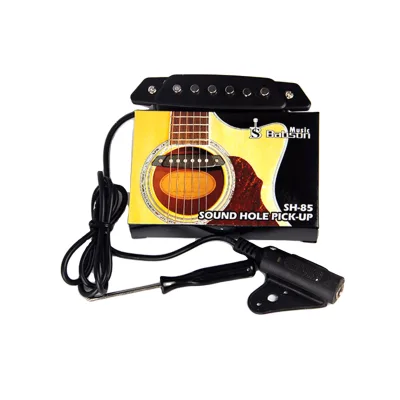
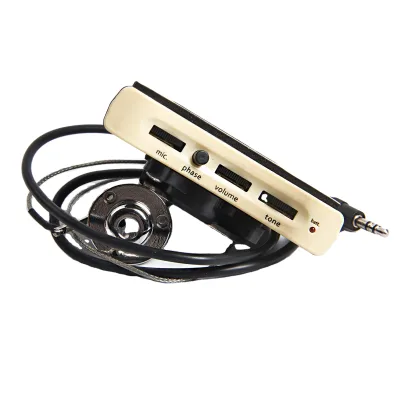
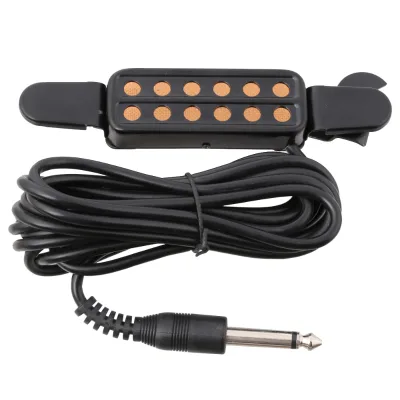
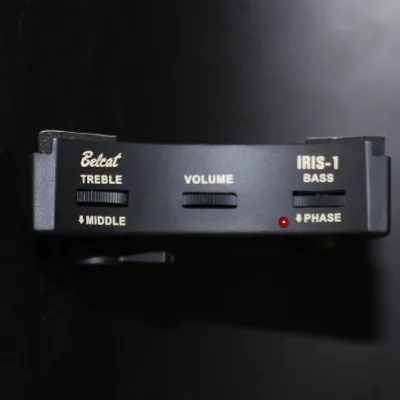
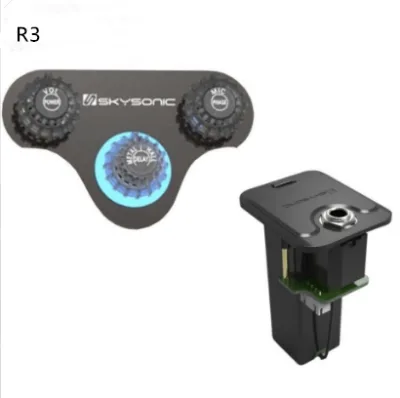
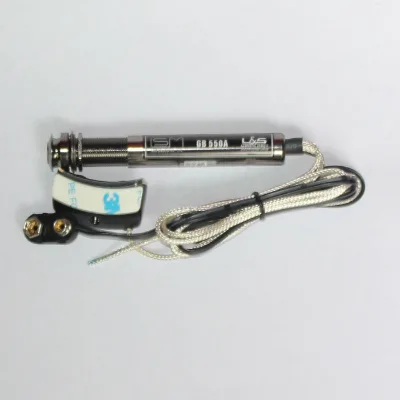



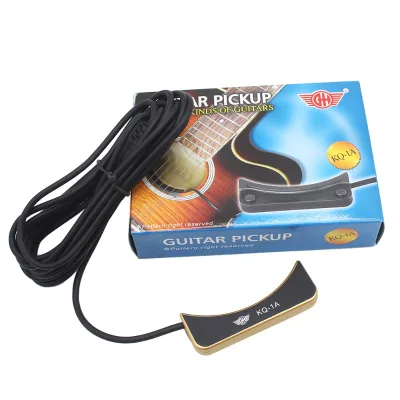
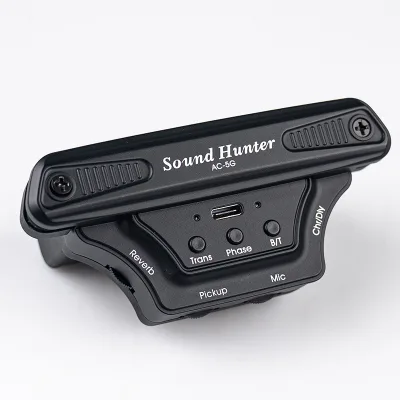


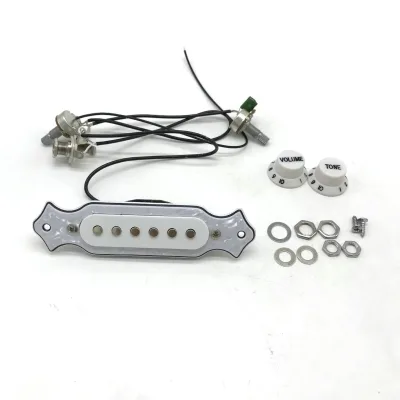
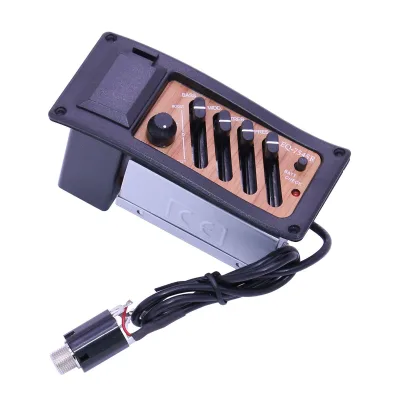
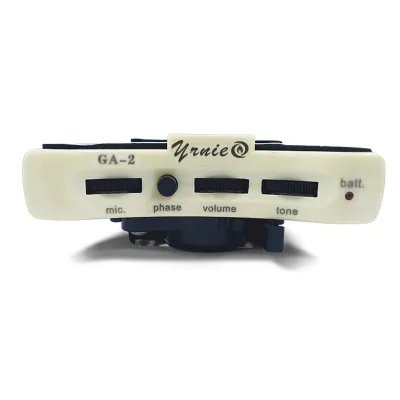
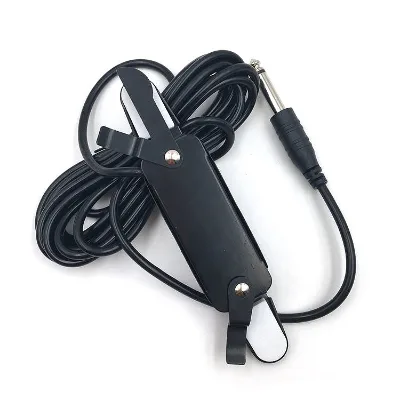
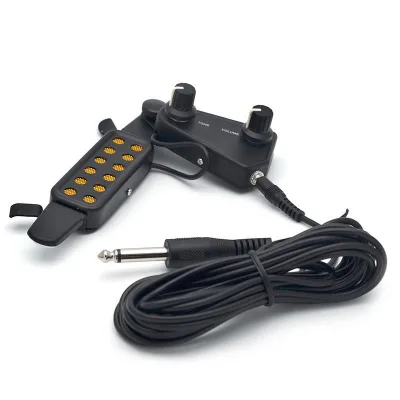
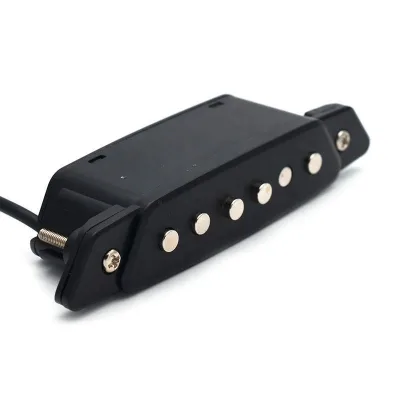
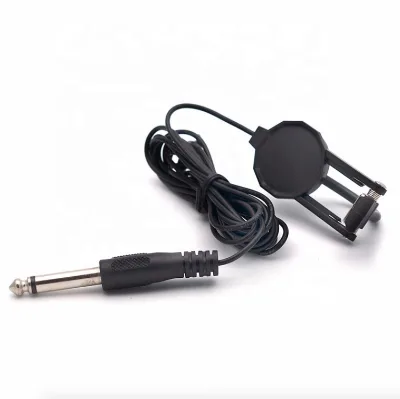
Comprehensive Sourcing Guide
Acoustic Guitar Soundhole Pickup Sourcing Guide
Sourcing acoustic guitar soundhole pickups requires a nuanced understanding of both the electronic components and the mechanical constraints of acoustic instruments. Unlike solid-body electric guitars, acoustic pickups must capture the complex resonance of the soundboard and body cavity without altering the instrument’s natural tonal character. Buyers in this category are typically looking for solutions that bridge the gap between traditional acoustic warmth and the amplified clarity needed for live performance or studio recording. The market offers a diverse array of options, ranging from simple passive transducers to sophisticated active preamp systems with built-in equalization and effects. Understanding these distinctions is critical for selecting the right component for specific end-user needs, whether for DIY luthiers, instrument manufacturers, or professional musicians seeking high-fidelity amplification.
The procurement landscape for these components is characterized by a wide variance in technical specifications, pricing, and minimum order quantities. Suppliers often list products with overlapping model numbers and generic descriptions, making it essential for buyers to look beyond surface-level titles. Key differentiators include the type of transducer technology used, the presence of onboard preamps, and the inclusion of additional features such as tuners, delay, or reverb effects. Furthermore, the physical dimensions and mounting mechanisms vary significantly, requiring careful verification to ensure compatibility with the target guitar models. Buyers must navigate this complexity by focusing on verified technical data and clear commercial terms to avoid mismatches between product capabilities and application requirements.
Product Scope and Observed Listing Signals
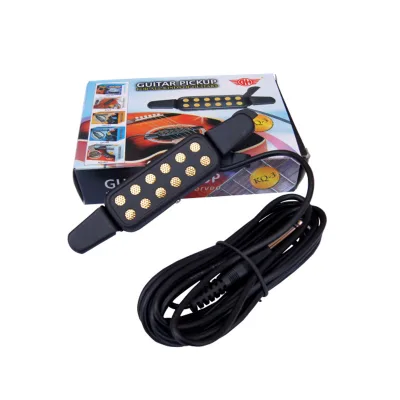
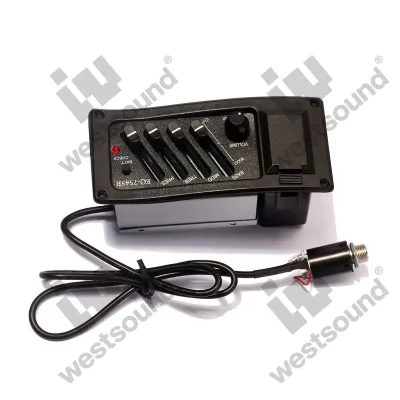
The current market for acoustic guitar pickups includes a variety of product types, primarily categorized by their function and integration level. Observed listings indicate a strong presence of preamp equalizer pickups, which combine the transducer element with an onboard control box for tone shaping. These units often feature stainless steel and plastic materials, designed to withstand the rigors of regular use while maintaining signal integrity. Some products are explicitly labeled as vibration pickups or tail nail pickups, suggesting alternative mounting methods that may bypass traditional soundhole installation. The presence of OEM branding on many listings highlights the prevalence of contract manufacturing, where suppliers produce components for various instrument brands under private labels.
Technical attributes observed in the market reveal a trend toward multifunctional devices. Several listings include built-in batteries, indicating active electronics that require power to operate preamps and equalizers. Some advanced models integrate tuners directly into the pickup system, offering a consolidated solution for performers who need quick tuning adjustments on stage. Additionally, certain products boast features such as delay, reverb, and microphone inputs, transforming the pickup into a compact onboard effects processor. These features cater to musicians seeking a self-contained amplification solution, reducing the need for external pedals or mixers. Buyers should carefully review these feature sets to ensure they align with the intended use case, as added complexity can impact reliability and ease of installation.
Technical Specifications to Verify
When evaluating acoustic guitar pickups, the model number and physical dimensions are primary verification points. Listings show a range of model identifiers, such as EQ-SH-85, EQ-B, P-012, IRIS-1, R3, M1, and AD-99, each corresponding to specific design configurations. The single package sizes vary considerably, from compact units measuring 10x6x6 cm to larger assemblies reaching 21.6x16.5x7.3 cm. These dimensions are crucial for determining whether the pickup will fit within the guitar’s body cavity or require external mounting. Buyers must verify the internal clearance of the target instrument to ensure the selected pickup does not interfere with the soundboard’s vibration or the guitar’s structural integrity.
Electrical and material specifications also demand close scrutiny. The material composition, often listed as stainless steel, plastic, or ABS+metal, influences both durability and acoustic transmission. The presence of a tuner is a notable feature in some models, adding value but also requiring battery management. Weight is another critical factor, with single gross weights ranging from 0.071 kg to 1.0 kg. Heavier units may require additional support or reinforcement within the guitar body, while lighter units offer easier installation but may lack robust construction. Buyers should request detailed schematics or wiring diagrams to understand the electrical load and compatibility with the guitar’s existing output jack or preamp system.
Compliance and Safety Documentation
Safety and compliance in acoustic guitar pickups primarily revolve around electrical safety and material regulations. Since many units include built-in batteries and active electronics, they must comply with standards governing portable electronic devices. Buyers should verify that suppliers provide documentation confirming compliance with relevant electrical safety standards, such as those for low-voltage DC circuits. This includes ensuring that battery compartments are securely designed to prevent leakage or short circuits, which could damage the instrument or pose a safety risk to the user. Although specific certification marks are not always listed in initial product descriptions, reputable suppliers should be able to provide test reports or compliance certificates upon request.
Material safety is another important consideration, particularly regarding the plastics and metals used in the pickup housing. Buyers should ensure that materials are free from harmful substances and comply with international regulations such as RoHS, which restricts the use of specific hazardous materials in electrical and electronic products. This is especially relevant for products intended for export to markets with strict environmental and health regulations. Additionally, the warranty terms, often listed as one year for certain models, provide a layer of protection against manufacturing defects. Buyers should clarify the scope of the warranty, including coverage for electronic failures and mechanical damage, to mitigate post-purchase risks.
Cost Drivers and Commercial Terms
The cost of acoustic guitar pickups is influenced by several factors, including the complexity of the electronics, the quality of materials, and the level of customization. Listings show a wide price range, reflecting the diversity of products from basic passive pickups to advanced active systems with integrated effects. The minimum order quantity (MOQ) is a significant commercial term, with observed values ranging from 5 pieces to 100 pieces. Lower MOQs are beneficial for small-scale buyers or prototyping, while higher volumes may offer better unit pricing. Buyers should negotiate MOQs based on their sales forecast and inventory capacity, considering the potential for obsolescence if product designs change rapidly.
Other commercial terms include the place of origin, which is predominantly Guangdong, China, a major hub for musical instrument manufacturing. This location offers access to a mature supply chain and skilled labor, which can impact lead times and production quality. Buyers should also consider the selling units, which are typically listed as single items, simplifying inventory management. However, the single gross weight and package dimensions affect shipping costs, especially for bulk orders. Buyers should calculate the total landed cost, including freight, insurance, and customs duties, to accurately assess the profitability of each product option. Clear communication regarding packaging standards is essential to prevent damage during transit.
Supplier Qualification and Quality Control
Supplier qualification is critical for ensuring consistent quality and reliable supply of acoustic guitar pickups. Buyers should verify the supplier’s manufacturing capabilities, including their experience with electronic components and acoustic instrument accessories. The acceptance of OEM/ODM services indicates flexibility in customization, allowing buyers to brand products according to their market needs. However, this also requires robust quality control processes to ensure that customized units meet the same performance standards as standard products. Buyers should request samples for rigorous testing before placing large orders, focusing on sound quality, electronic stability, and mechanical durability.
Quality control measures should include incoming material inspections, in-process checks, and final product testing. Suppliers should have documented procedures for testing electrical continuity, battery life, and signal clarity. Buyers should also inquire about the supplier’s defect rate and return policy, as these metrics provide insight into their commitment to quality. Establishing a clear communication channel for addressing quality issues is essential for maintaining a productive partnership. Regular audits or third-party inspections may be necessary for high-volume orders to ensure ongoing compliance with quality standards. Building a relationship with a reliable supplier can significantly reduce risks and improve the overall sourcing experience.
Long-Term Procurement Checks
Long-term procurement success depends on continuous monitoring of product performance and market trends. Buyers should track customer feedback on the pickups they have sourced, paying attention to issues related to sound quality, battery life, and ease of installation. This feedback can inform future purchasing decisions and help identify potential improvements in product design. Additionally, staying informed about technological advancements in pickup technology, such as new transducer materials or digital signal processing features, can provide a competitive edge. Buyers should regularly review their supplier’s product catalog for new models that may offer enhanced features or better value.
Supply chain resilience is another key aspect of long-term procurement. Buyers should diversify their supplier base to mitigate risks associated with production delays or quality issues. Maintaining open communication with suppliers regarding production schedules and inventory levels can help prevent stockouts and ensure timely delivery. Regularly reviewing commercial terms, such as pricing and MOQs, can also help optimize costs and improve margins. By adopting a proactive approach to procurement, buyers can build a robust supply chain that supports their business growth and meets the evolving needs of their customers.
FAQs
What is an Acoustic Guitar Soundhole Pickup and how does it work?
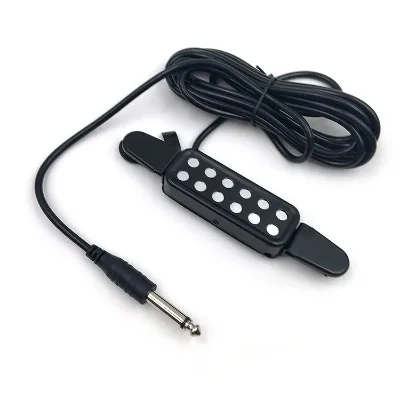
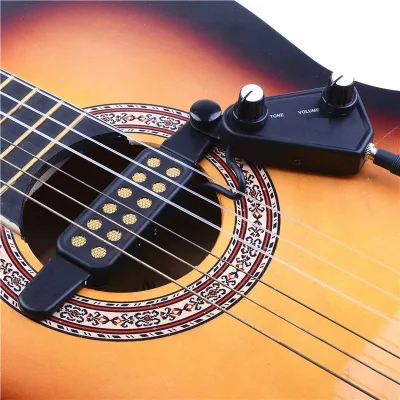
An Acoustic Guitar Soundhole Pickup is a transducer mounted in or around the soundhole that converts string and body vibrations into an electrical signal. Magnetic models sense steel string movement, while vibration or piezo types capture body resonance. The signal is sent to an amplifier or preamp, with many units adding EQ, tuner, or reverb controls for stage use.
Which soundhole pickup suits a classical guitar with nylon strings?
Classical guitars with nylon strings need piezo or vibration-based pickups, because magnetic soundhole pickups cannot sense nylon effectively. A contact or bridge-plate style vibration pickup placed near the soundhole or saddle captures the tone reliably. Confirm string material and mounting depth before ordering, and check whether an onboard preamp or external EQ is included.
Can a soundhole pickup be installed without drilling or modifying the guitar?
Most soundhole pickups install without permanent modification. Feedback-mount units clamp onto the soundhole edge, and many preamp systems use a jack socket that replaces the endpin, which may require minor drilling. Passive magnetic models typically need no soldering. Check the product specifications for mounting type and whether a battery compartment or endpin jack is required.
How do I choose between passive and active soundhole pickups?
Passive pickups need no battery and offer simple plug-and-play operation, but output can be lower and tone shaping limited. Active pickups include a built-in battery and preamp, delivering stronger signal, onboard EQ, tuners, or effects like reverb and chorus. Choose active if you play amplified gigs needing tone control, and passive for occasional use with an external preamp.
What is the typical MOQ when sourcing soundhole pickups from suppliers?
Minimum order quantities vary widely by model and supplier. Some listings show MOQs as low as 1 or 5 pieces for sample or small-batch orders, while standard production items like preamp EQ units may require 10 pieces. Confirm the MOQ per model number before quoting, since lower MOQs usually carry higher unit prices.
Can suppliers provide OEM branding or customized soundhole pickups?
Many suppliers accept OEM and ODM orders, allowing custom brand names, packaging, and specification adjustments on models such as preamp EQ pickups. Customization usually depends on order quantity and model complexity. Request the supplier's customization terms, sample availability, and any applicable warranty, since some products list a one-year warranty as standard.
How should I evaluate packaging and shipping weight for soundhole pickups?
Check the single package size and gross weight listed per model, which range from small boxes around 10x6x6 cm at roughly 0.1 kg to larger cartons over 21 cm at about 1 kg. These figures affect freight cost per unit and pallet planning. Ask suppliers for master carton quantities and total shipping weight when calculating landed costs.
Which features should I look for in a preamp EQ soundhole pickup?
Useful features include onboard EQ bands for tone shaping, a built-in tuner, and a built-in battery compartment. Higher-spec models add delay, reverb, chorus, or an internal microphone, and some include speakers. Match the feature set to your customers' needs, as effect-loaded units cost more and suit performing players more than basic passive pickups.