Source Adjustable Arm Female Mannequin with Stainless Steel Base for Retail
Find 30 Adjustable Arm Female Mannequin with Stainless Steel Base options from China suppliers. Compare fiberglass materials, matte finishes, and custom sizes for exclusive shops and clothing stores.
Key considerations
Products List





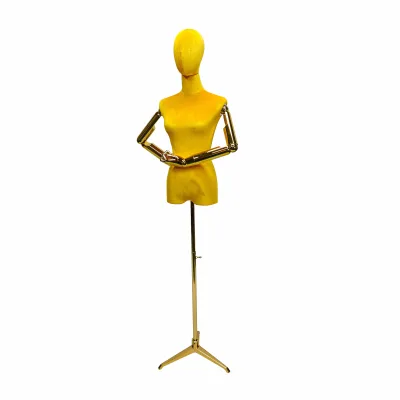
Velvet Female Mannequin with Gold Silver Arms Adjustable Half Body Mannequin
$36.00 - $45.00
MOQ: 20 pieces

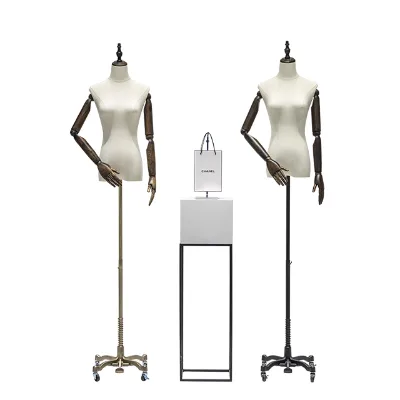
Tailor Mannequin Female Dress Form Tailoring Half Body Mannequin with Cage
$110.00 - $120.00
MOQ: 20 Pieces


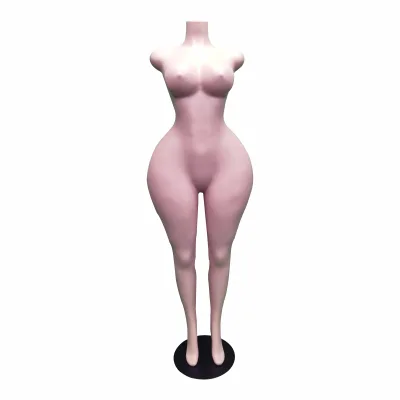
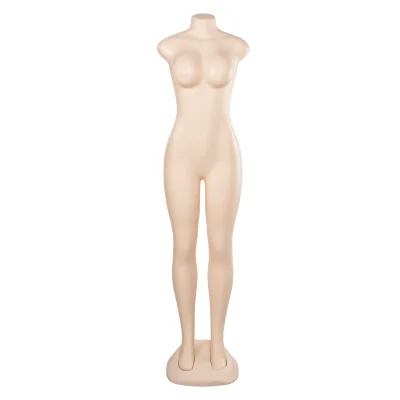
Full Body Standing Female Mannequins for Window Display Dummy Mannequins
$52.00 - $68.00
MOQ: 20 Pieces



Comprehensive Sourcing Guide
Adjustable Arm Female Mannequin with Stainless Steel Base Sourcing Guide
Sourcing high-quality display fixtures requires a clear understanding of the specific product attributes that define durability, aesthetic appeal, and functional versatility in retail environments. The adjustable arm female mannequin with a stainless steel base represents a specialized category of visual merchandising tools designed to accommodate dynamic clothing presentations while maintaining structural stability. Buyers must recognize that these units are not generic off-the-shelf items but rather customizable assets that require careful evaluation of material composition, surface finish, and mechanical adjustability. The integration of an adjustable arm allows for varied posing options, which is critical for showcasing garments with complex draping or layered accessories, while the stainless steel base provides the necessary counterweight to prevent tipping during frequent repositioning by store staff.
Procurement decisions for this category are heavily influenced by the supplier’s ability to offer customization and adhere to strict quality standards. The market offers a range of options, from standard full-body displays to more abstract or minimalist designs, each serving different brand identities. Buyers should prioritize suppliers who demonstrate transparency in their manufacturing processes, particularly regarding the use of fiberglass for the mannequin body and high-grade stainless steel for the base components. This combination ensures longevity and resistance to wear in high-traffic retail spaces. Furthermore, the availability of OEM services and logo customization indicates a supplier’s flexibility in meeting specific brand requirements, making it essential for buyers to verify these capabilities before committing to large orders.
Product Scope and Observed Listing Signals
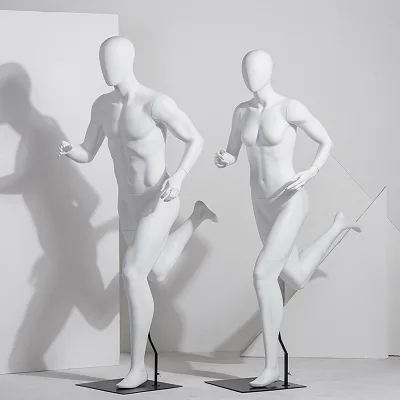
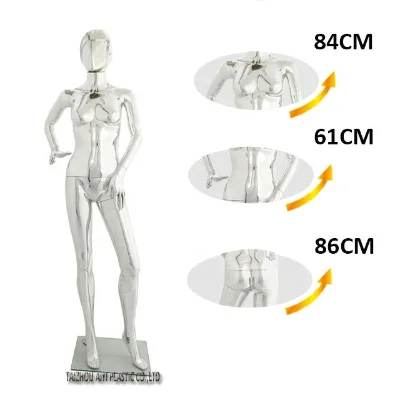
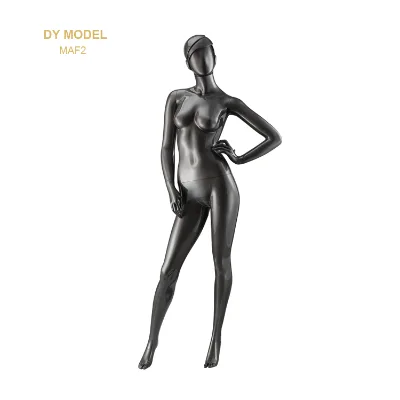
The current market landscape for adjustable arm female mannequins reveals a diverse array of product variations, primarily distinguished by gender representation, color options, and surface treatments. Observed listings indicate a strong presence of both male and female models, with female mannequins often featuring abstract heads and matte finishes to create a modern, sophisticated aesthetic. Color options typically include white, black, and customized shades, allowing retailers to align the display fixtures with their store’s interior design themes. The surface treatment is a critical differentiator, with matte and glossy finishes being the most common, each offering distinct visual properties that affect how light interacts with the mannequin and, consequently, how the displayed clothing is perceived by customers.
Material composition and structural design are key signals that buyers should scrutinize when evaluating product listings. Fiberglass is the predominant material for the mannequin body due to its durability and lightweight nature, which facilitates easy movement and repositioning. The inclusion of a stainless steel base is a standard feature in higher-end models, providing stability and a premium look that complements the fiberglass body. Buyers should also pay attention to the hanger type and floor-standing configurations, as these determine how the mannequin integrates with existing retail fixtures. Additionally, the presence of customization options for size and logo placement suggests that suppliers are equipped to handle bespoke orders, which is particularly relevant for large retail chains seeking uniform branding across multiple locations.
Technical Specifications to Verify
When evaluating technical specifications, buyers must focus on the precise dimensions and structural integrity of the mannequin to ensure it meets their retail space requirements. Standard heights for female mannequins often range around 178cm to 190cm, but customized sizes are frequently available to accommodate specific brand standards or unique display needs. The adjustable arm mechanism is a critical technical component that requires verification of its range of motion and locking stability, as a poorly designed arm can lead to garments slipping or the mannequin becoming unstable. Buyers should request detailed technical drawings or videos demonstrating the arm’s functionality to ensure it can support the weight of heavy clothing items without sagging or breaking.
Surface finish and material quality are equally important technical aspects that influence the longevity and appearance of the mannequin. The matte white or matte black finishes observed in many listings are not merely aesthetic choices but also serve to reduce glare and highlight the texture of the displayed fabrics. Buyers should verify the thickness and density of the fiberglass to ensure it is robust enough to withstand frequent handling and potential impacts. Additionally, the quality of the stainless steel base should be assessed for its resistance to corrosion and its ability to maintain a polished appearance over time. It is also advisable to confirm the packing method, as standard paper carton packing is common, but the level of protection provided during shipping can significantly impact the condition of the product upon arrival.
Compliance and Safety Documentation
Compliance and safety documentation are essential components of the procurement process, ensuring that the mannequins meet international safety standards and regulatory requirements. Buyers should request certification documents, such as SGS certification, which verifies that the materials used in the mannequin’s construction are free from harmful substances and meet quality benchmarks. This is particularly important for retailers who operate in markets with strict regulations regarding consumer product safety. The presence of such certifications not only mitigates legal risks but also enhances the brand’s reputation by demonstrating a commitment to quality and safety.
In addition to material certifications, buyers should verify that the mannequins comply with relevant industry standards for display fixtures. This includes checking for stability tests that ensure the mannequin does not tip over under normal use conditions, which is crucial for preventing accidents in busy retail environments. Buyers should also inquire about the manufacturing standards followed by the supplier, such as adherence to specific height or weight limits that may apply in certain regions. By ensuring that all compliance documentation is in order, buyers can avoid potential disruptions in their supply chain and maintain a safe shopping experience for their customers.
Cost Drivers and Commercial Terms
The cost of adjustable arm female mannequins is influenced by several factors, including material quality, customization options, and order volume. High-end fiberglass and stainless steel bases contribute to higher unit costs, but they also offer greater durability and aesthetic appeal, which can justify the investment for premium retail brands. Customization, such as specific colors, logos, or sizes, typically incurs additional charges, so buyers should carefully plan their requirements to minimize unnecessary expenses. Understanding the cost structure helps buyers negotiate better terms and allocate their budget effectively across different product lines.
Commercial terms, including minimum order quantities (MOQ), lead times, and payment conditions, play a significant role in the procurement process. Observed MOQs range from 20 to 100 pieces, depending on the supplier and the level of customization required. Lead times for bulk production can vary from 15 to 25 days after payment, with sample times typically ranging from 3 to 7 days. Buyers should factor these timelines into their inventory planning to avoid stockouts or overstock situations. Additionally, negotiating favorable payment terms, such as partial upfront payments and balance upon shipment, can help manage cash flow and reduce financial risk.
Supplier Qualification and Quality Control
Supplier qualification is a critical step in ensuring the reliability and consistency of the mannequin supply chain. Buyers should conduct thorough due diligence on potential suppliers, verifying their manufacturing capabilities, quality control processes, and track record in the industry. Suppliers located in manufacturing hubs like Dongguan, China, often have access to skilled labor and advanced production facilities, which can enhance product quality and efficiency. However, buyers should also assess the supplier’s communication skills and responsiveness, as these factors are crucial for resolving issues that may arise during production or shipping.
Quality control measures should be implemented at various stages of the manufacturing process to ensure that the final products meet the specified standards. Buyers should request pre-shipment inspections or third-party quality audits to verify that the mannequins conform to the agreed-upon specifications in terms of dimensions, finish, and functionality. Establishing clear quality benchmarks and communication channels with the supplier can help prevent defects and ensure that any issues are addressed promptly. By prioritizing supplier qualification and rigorous quality control, buyers can build a resilient supply chain that supports their retail operations effectively.
Long-Term Procurement Checks
Long-term procurement checks involve continuous monitoring of supplier performance and product quality to ensure sustained value and reliability. Buyers should establish key performance indicators (KPIs) to evaluate suppliers based on metrics such as on-time delivery, product defect rates, and responsiveness to issues. Regular reviews of these metrics can help identify potential problems early and facilitate corrective actions before they impact business operations. Additionally, maintaining open lines of communication with suppliers can foster a collaborative relationship that encourages continuous improvement and innovation in product design and manufacturing processes.
As retail trends evolve, buyers should also stay informed about emerging technologies and materials that could enhance the functionality and aesthetics of mannequins. This includes exploring new surface treatments, adjustable mechanisms, or sustainable materials that align with changing consumer preferences and environmental regulations. By proactively adapting to these changes, buyers can ensure that their display fixtures remain relevant and effective in attracting customers. Long-term procurement success depends on a strategic approach that balances immediate needs with future opportunities, ensuring that the supply chain remains agile and competitive in a dynamic market environment.
FAQs
What material is used for the adjustable arm female mannequin?
The mannequin is constructed from durable fiberglass material. This high-end material ensures longevity and stability for display purposes in exclusive shops and markets.
Can I customize the logo on the mannequin?
Yes, logo customization is available for this product. Buyers can request specific branding to be applied to the mannequin surface to match their store identity.
What is the minimum order quantity for this item?
The minimum order quantity is typically 20 to 30 pieces depending on the specific model. Buyers should confirm the exact MOQ with the supplier before placing an order.
How long does it take to receive bulk orders?
Bulk production time ranges from 15 to 25 days after payment is received. Sample orders can be prepared within 3 to 7 days for quality verification.
Which certifications does the fiberglass mannequin hold?
The product holds SGS certification to ensure quality and safety standards. This certification verifies that the manufacturing process meets recognized international requirements for display fixtures.
What is the standard packaging for the mannequin?
The mannequin is packed in standard paper cartons or carton boxes for protection. This packaging ensures the item arrives safely without damage during international shipping.
Can the mannequin size be customized for my shop?
Yes, the size can be customized to fit specific requirements. Standard heights include 178cm or 190cm, but custom dimensions are available upon request from the manufacturer.