Source Eco Friendly Ballpoint Pen for Office, School, and Gifts
Compare 30 Eco Friendly Ballpoint Pen options featuring custom logos, various sizes, and click mechanisms. These promotional pens are suitable for office, school, and gift uses with MOQs ranging from 49 to 10000 pieces.
Key considerations
Products List


Promotion Eco Friendly Recycled Paper Ballpoint Pen with Logo Printing
$0.02 - $0.02
MOQ: 10000 Pieces


Eco Friendly Bamboo Pen Promotional Ballpoint Pen with Custom Logo Recycle Pen
$0.16 - $0.20
MOQ: 500 Pieces
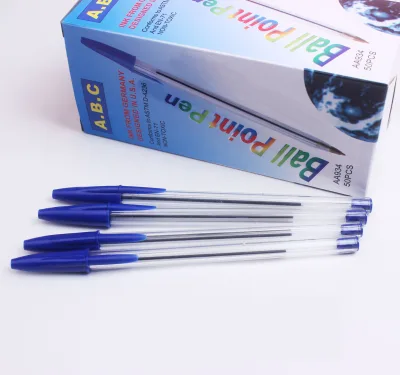


Hot Selling Eco-Friendly Bamboo Ball Pen with Custom Logo for Promotion
$0.19 - $0.21
MOQ: 10000 Pieces


Comprehensive Sourcing Guide
Strategic Sourcing Guide for Eco-Friendly Ballpoint Pens
Procuring promotional writing instruments requires a nuanced understanding of the intersection between environmental responsibility and functional utility. The "eco-friendly ballpoint pen" category has evolved from a niche interest to a standard expectation for corporate sustainability initiatives. Buyers must navigate a complex landscape where material composition, manufacturing processes, and end-of-life considerations define the true value of the product. This guide provides a structured approach to sourcing these items, focusing on verified attributes, technical specifications, and supply chain transparency without relying on unverified marketing claims.
Material Composition and Environmental Attributes
The foundation of an eco-friendly pen lies in its material composition. In the current market, plastic remains a dominant material, yet the sustainability profile varies significantly based on the type of polymer and the manufacturing method. Observed product data indicates that many promotional pens are constructed from plastic, often designed for durability and repeated use rather than single-use disposal. The distinction between "non-disposable" and "disposable" is critical; a pen intended for long-term office or school use reduces waste volume compared to items designed for immediate discard.
Buyers should scrutinize the specific claims regarding eco-friendliness. While some products are labeled as "Eco-Friendly," this attribute often correlates with the use of recycled materials or the elimination of unnecessary packaging layers. The observed product listings highlight features such as "Eco-Friendly" alongside "With Logo," suggesting that the environmental claim is often integrated with branding capabilities. However, the presence of the "Eco-Friendly" tag does not automatically imply the use of biodegradable materials. In many cases, it refers to the reduction of plastic weight, the use of recycled plastic pellets, or the implementation of energy-efficient manufacturing.
When evaluating materials, buyers must look for specific indicators beyond generic labels. For instance, the presence of "Paper" as a material in certain product lines offers a distinct alternative to plastic, often associated with lower carbon footprints in production. However, paper pens may have different durability characteristics compared to their plastic counterparts. The decision between plastic and paper depends on the intended application: promotional events may favor the durability of plastic, while office sustainability drives might prioritize the recyclability of paper-based components.
Technical Specifications and Functional Performance
Technical specifications are the objective metrics that determine whether a pen meets the functional requirements of the end-user. A pen that fails to write smoothly or breaks easily undermines the brand image it is meant to promote. The observed data reveals a range of point diameters, specifically 0.5mm and 1.0mm, which cater to different writing preferences. The 0.5mm tip is generally preferred for detailed writing and office environments, offering precision, while the 1.0mm tip provides a bolder line often used for signatures or rough notes.
Hardness is another critical specification. The market offers options ranging from "Medium Soft" to "Partial Hard." The hardness of the ink and the grip affect the writing experience. A "Medium Soft" tip provides a smoother flow, reducing hand fatigue during extended writing sessions, which is ideal for office and school applications. Conversely, a "Partial Hard" tip may offer more control for specific tasks but might feel stiffer to some users. Buyers should ensure that the selected hardness aligns with the target demographic's writing habits.
Physical dimensions also play a role in usability. Observed sizes include variations such as 140x11mm, 140x13mm, and 140x10mm. These dimensions influence the pen's weight and balance. A pen that is too light may feel cheap, while one that is too heavy can cause fatigue. The "Click" open style is a common mechanism observed in these products, offering a sleek, modern aesthetic and a secure closure that prevents ink drying. This mechanism is particularly suitable for "Fashion" and "Creative" styles, which are popular in promotional contexts.
| Specification Category | Observed Range/Option | Functional Implication |
|---|---|---|
| Point Diameter | 0.5mm, 1.0mm | Precision vs. Boldness in writing |
| Hardness | Medium Soft, Partial Hard | Writing flow and user comfort |
| Body Style | Sports, Click | Aesthetic appeal and mechanism type |
| Size Dimensions | 140x10mm to 140x13mm | Balance, weight, and grip comfort |
| Ink Type | Unerasable | Permanent record keeping |
Compliance, Certification, and Verification
Navigating the certification landscape for eco-friendly products requires diligence. While some background information mentions standards like ISO 14021 or certifications such as FSC, these should be treated as verification targets rather than guaranteed attributes of every listed product. ISO 14021 relates to environmental labeling and claims, ensuring that statements about recycled content or biodegradability are substantiated. FSC certification pertains to paper sourcing, which is relevant for the paper-based pen options observed in the data.
Buyers must request specific documentation to validate these claims. A supplier stating a product is "Eco-Friendly" should provide a Material Safety Data Sheet (MSDS) or a specific certification report that details the source of the materials. Without such documentation, the claim remains a marketing assertion rather than a verified fact. The absence of a specific certification number in the product listing does not necessarily mean the product is non-compliant, but it does require the buyer to initiate a verification process.
Furthermore, the "prod_standard" attribute observed in the data, such as dimensions like 402619cm, often refers to packaging standards rather than the product itself. Buyers should clarify whether these standards apply to the shipping carton or the product dimensions. Confusion between packaging and product standards can lead to logistical errors. It is essential to distinguish between the environmental standards of the pen material and the logistical standards of the packaging.
Cost Drivers and Pricing Dynamics
The pricing of eco-friendly ballpoint pens is influenced by several factors, including material costs, customization complexity, and order volume. The observed price range of $0.02 to $0.70 USD reflects the diversity of the market, from basic bulk items to premium, highly customized units. The lower end of the spectrum typically corresponds to high-volume orders with minimal customization, while the higher end includes pens with complex printing, specialized materials, or unique packaging.
Minimum Order Quantity (MOQ) is a significant cost driver. The observed MOQ range spans from 49 to 10,000 pieces. High MOQs, such as 10,000 pieces, often result in a lower unit cost due to economies of scale in production and shipping. However, for buyers with smaller requirements, the per-unit cost may be higher. The "Customization" attribute is available across the board, but the extent of customization—such as the number of colors in the logo or the complexity of the packaging—directly impacts the price.
Packaging also contributes to the overall cost. Options like "Giftbox," "Polybag," "PVC Bag," and "Paper Tube" vary in expense. Eco-friendly packaging, such as paper tubes or recyclable polybags, may carry a slight premium over standard PVC bags. Buyers should evaluate the total cost of ownership, including the cost of the pen, the printing, and the packaging, to determine the most cost-effective solution that aligns with their sustainability goals.
Supplier Evaluation and Geographic Considerations
Supplier selection is paramount for ensuring quality and reliability. The observed data indicates origins in Shanghai, Zhejiang, and generally China. These regions are hubs for pen manufacturing, offering a robust supply chain and competitive pricing. However, geographic location alone does not guarantee quality. Buyers should evaluate suppliers based on their ability to provide consistent product specifications, adherence to timelines, and responsiveness to quality inquiries.
The "prod_origin" attribute provides a starting point, but buyers should verify the specific factory capabilities. A supplier in Shanghai may have different logistical advantages compared to one in Zhejiang, particularly regarding export procedures and shipping times. It is crucial to assess the supplier's experience with eco-friendly materials. Suppliers who specialize in sustainable products are more likely to have the necessary expertise to handle recycled plastics or paper-based components effectively.
When evaluating suppliers, buyers should request samples to verify the physical attributes of the pen. The sample should be tested for writing performance, durability, and the quality of the logo printing. The "Logo Printing" attribute is a key differentiator, and the quality of the print can vary significantly between suppliers. A high-quality print ensures that the promotional message is clear and professional, enhancing the brand's image.
Quality Control and Long-Term Procurement
Quality control is essential to prevent defects that could damage the buyer's reputation. The "Erasable" attribute is listed as "Unerasable" in the observed data, indicating that these pens are designed for permanent use. This is a critical feature for business gifts and office supplies where permanence is valued. Buyers should implement a quality control plan that includes random sampling from production batches to check for ink flow issues, cap fit, and structural integrity.
Long-term procurement considerations involve building a relationship with a supplier who can scale with the buyer's needs. The "Disposable" attribute is noted as "Non-Disposable," suggesting a focus on longevity. This aligns with the goal of reducing waste. Buyers should consider the lifecycle of the pen and its end-of-life options. Can the pen be refilled? Is the plastic recyclable in the target market? These questions should be addressed during the initial sourcing phase.
The "Usage" attribute, which includes "Daily Use," "Gift," "Office/School," and "Promotional Pen," highlights the versatility of these products. A pen that performs well in one context should ideally perform well in others. Buyers should ensure that the selected pen meets the specific requirements of the intended usage. For example, a pen used as a business gift may require higher aesthetic standards than one used for daily office tasks.
Application Scenarios and Market Fit
The versatility of eco-friendly ballpoint pens makes them suitable for a wide range of applications. The "Suitable for: Universal" attribute confirms their broad appeal. In corporate settings, these pens serve as effective branding tools for trade shows, conferences, and employee onboarding. The "Fashion" and "Creative" styles observed in the data cater to industries that value design and aesthetics, such as tech startups and creative agencies.
For educational institutions, the "Office/School" usage is particularly relevant. The durability and writing quality of these pens make them ideal for students and teachers. The "Eco-Friendly" aspect resonates with educational institutions that are increasingly focused on sustainability education. Similarly, for promotional campaigns, the ability to customize the logo and color allows companies to create unique, memorable items that align with their brand identity.
The "Promotional Pen Type" and "Promotional Pen Body Type" attributes, such as "Sports" style, indicate that these pens can be tailored to specific themes. A sports-themed event might benefit from a pen with a rugged, sporty design, while a corporate event might prefer a sleek, professional look. Understanding the target audience and the context of the promotion is key to selecting the right product.
Conclusion
Sourcing eco-friendly ballpoint pens requires a balanced approach that considers material sustainability, technical performance, and supply chain reliability. By focusing on verified attributes such as material composition, point diameter, and hardness, buyers can make informed decisions that align with their sustainability goals and functional requirements. The observed data provides a solid foundation for understanding the market, but buyers must remain vigilant in verifying claims and ensuring quality. With careful evaluation and strategic planning, eco-friendly ballpoint pens can serve as effective, sustainable tools for branding and daily use.
FAQs
What materials are used for eco friendly ballpoint pens?
The pens are primarily made of plastic, though some options use paper. These materials support non-disposable designs suitable for daily use, office, and school applications while maintaining durability for promotional purposes.
Can I get custom logo printing on these pens?
Yes, logo printing is available with customized colors and styles. The pens feature sports or creative designs and can be produced with specific models like EC 65007 to meet your branding requirements.
What is the minimum order quantity for these promotional pens?
The minimum order quantity ranges from 49 to 10,000 pieces depending on the supplier. Higher volumes often secure better pricing, with some specific models requiring an MOQ of 10,000 pieces for production.
Where are these eco friendly pens manufactured?
The products originate from manufacturing hubs in Shanghai and Zhejiang, China. These locations provide access to a robust supply chain for producing ballpoint pens with various specifications and packaging options.
What specifications are available for the pen tips?
Available tip diameters include 0.5mm and 1.0mm for different writing needs. The pens feature unerasable ink and come in medium soft or partial hardness options to ensure smooth writing performance.
How are these pens packaged for shipping?
Packaging options include cartons, gift boxes, polybags, PVC bags, and paper tubes. The standard shipping carton dimensions are often 40*26*19cm, while individual pens may be packed in bulk or specific protective sleeves.