Source Adjustable Fishing Rod Holder for Boat, Yacht, and Marine Use
Explore 30 verified listings for the Adjustable Fishing Rod Holder, comparing stainless steel and nylon options. Buyers can evaluate MOQs, sizes, and delivery times for boat, yacht, and marine applications to find the right supplier.
Key considerations
Products List


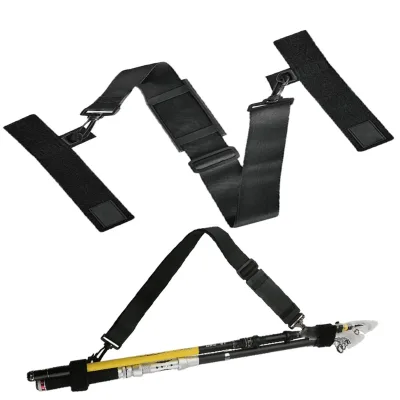


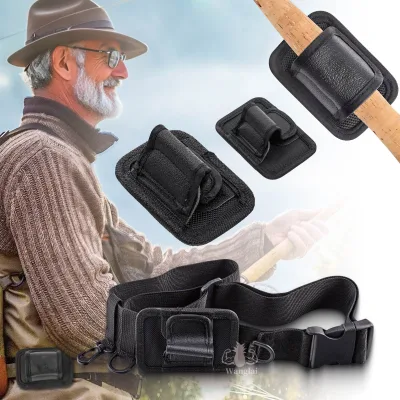


Comprehensive Sourcing Guide
Strategic Sourcing Guide for Adjustable Fishing Rod Holders
Understanding Product Variants and Technical Specifications
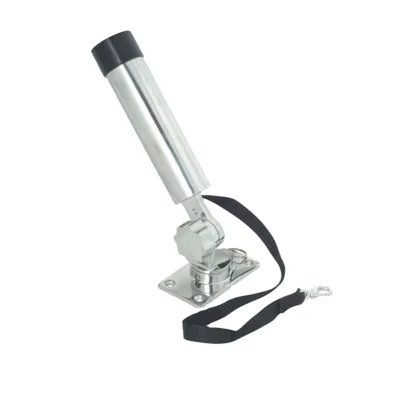
The market for adjustable fishing rod holders presents a diverse array of configurations, each tailored to specific vessel types and usage scenarios. Buyers must first distinguish between the primary product categories observed in current listings. One prominent variant is the "Removable Adjustable Fishing Rod Holder," which is frequently constructed from stainless steel. This material choice suggests a focus on corrosion resistance, a critical factor for marine environments. The technical dimensions for this specific type are often listed as 8-5/8" in length with a width of 1-5/8". The packaging for such units typically measures 35x5x5 cm, with a single gross weight of 0.400 kg. This configuration is ideal for buyers seeking a lightweight, portable solution that can be easily installed and removed from boat decks.
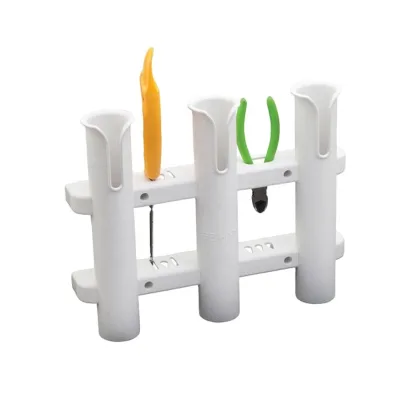
In contrast, another significant category is the "Wall Mounted Fishing 3 Rod Holders." These units often utilize nylon as the primary material, offering a different set of mechanical properties compared to metal alternatives. The application for these holders is explicitly defined as "Marine Use," and they are available in white or black color options. The physical footprint for this variant is larger, with a single package size of 35x30x8 cm and a weight of 0.5 kg. The design intent here is to provide a stationary, high-capacity storage solution for multiple rods, suitable for shore-based setups or fixed installations on larger vessels.
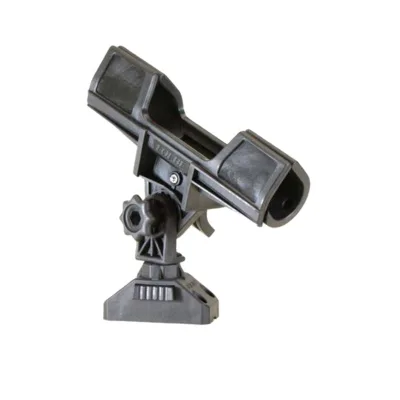
A third distinct category includes heavy-duty options such as the "black steel Adjustable Fishing Rod Holder." This product line is characterized by fiber-reinforced materials and a polished surface treatment. The dimensions for these units can vary, with some models specified as 2" in size, while others are described as 360-degree adjustable rings. The weight for these robust units can reach up to 2.17 pounds, indicating a substantial build quality designed for high-stress environments. The "Adjustable Fishing Boat Rod Holder" is another specific model, often associated with OEM branding and customizable features. Buyers should note that while some listings specify a model number like "ZD-17-001," others may use generic identifiers like "Standard" or "OEM." The variation in specifications, from single-item selling units to bulk packaging, requires careful verification of the exact product data sheet before procurement.
Compliance, Certification, and Material Standards
When evaluating adjustable fishing rod holders, compliance with international standards is a non-negotiable aspect of the sourcing process. The supply chain for these marine accessories often references a broad spectrum of recognized standards, including ISO, JIS, ANSI, DIN, GB, and ASTM. These standards cover various aspects of manufacturing, from material tensile strength to dimensional tolerances. For instance, the presence of ISO certification in supplier documentation suggests adherence to international quality management systems, which is vital for ensuring consistency across large production runs.
Certification checks should extend beyond general quality management to include specific product safety and environmental certifications. Listings indicate that certain suppliers provide certificates such as CE, TUV, and ISO. The CE mark, in particular, is essential for products entering the European market, signifying that the product meets EU safety, health, and environmental requirements. Similarly, TUV certification often implies rigorous testing of the product's structural integrity and material safety. Buyers must verify that these certifications are current and applicable to the specific model being sourced, as certification status can vary between different product lines within the same supplier's catalog.
Material composition is another critical compliance factor. The observed materials range from stainless steel and nylon to fiber-reinforced composites and steel. Stainless steel is generally preferred for its resistance to saltwater corrosion, while nylon offers flexibility and impact resistance. Fiber-reinforced materials provide a balance of strength and weight reduction. Buyers should request material test reports to confirm that the stated material properties align with the supplier's claims. For example, if a product is marketed as "Eco-Friendly," buyers should seek documentation supporting this claim, such as recycled content percentages or specific environmental compliance statements. The surface treatment, such as "High Polished" or "Polished," also plays a role in durability and should be verified against the supplier's quality control protocols to ensure the finish is consistent and free from defects that could lead to premature failure.
Cost Drivers and Minimum Order Quantity Analysis
The pricing structure for adjustable fishing rod holders is influenced by several key variables, including material costs, manufacturing complexity, and order volume. The observed price range in the market spans from $1.30 to $25.99 USD, reflecting the vast difference between basic nylon holders and premium stainless steel or fiber-reinforced models. The lower end of the price spectrum typically corresponds to simpler designs with standard packaging and lower material grades, while the higher end reflects advanced features like 360-degree adjustability, custom branding, and high-grade corrosion-resistant materials.
Minimum Order Quantity (MOQ) is a significant cost driver that directly impacts the total procurement budget. The market exhibits a wide range of MOQ requirements, from as low as 1 piece to as high as 1,000 pieces. Suppliers with an MOQ of 1 piece are often suitable for small businesses, prototype testing, or urgent replacement needs, though the unit cost may be higher due to the lack of economies of scale. Conversely, suppliers requiring an MOQ of 1,000 pieces are typically geared toward large-scale distributors or manufacturers looking to optimize unit costs through bulk production. An intermediate MOQ of 500 pieces is also common, offering a balance between cost efficiency and inventory risk.
Buyers must carefully calculate the total cost of ownership, which includes not only the unit price but also shipping, customs duties, and potential tariffs. The single package size and gross weight are critical for logistics planning. For example, a product with a single package size of 35x30x8 cm and a weight of 0.5 kg will have different shipping implications compared to a unit measuring 35x5x5 cm with a weight of 0.400 kg. Bulk orders may benefit from consolidated shipping, reducing the per-unit freight cost. Additionally, customization options, such as OEM branding or specific color requests, often incur additional setup fees and may increase the MOQ. Buyers should negotiate these terms early in the sourcing process to ensure the final landed cost aligns with their budget constraints.
Typical Applications and Installation Environments
The application of adjustable fishing rod holders is highly dependent on the specific environment in which they will be deployed. The primary application areas identified in the market include "boat," "Yacht," and general "Marine Use." For recreational boaters, the "Removable Adjustable Fishing Rod Holder" made of stainless steel is particularly valuable due to its portability and ease of installation. These units are designed to be mounted on various surfaces, allowing anglers to adjust the rod angle based on the fishing technique or water conditions. The 360-degree adjustability feature found in some models allows for maximum flexibility, enabling the rod to be positioned for trolling, casting, or drifting.
For larger vessels such as yachts, the requirements shift towards durability and capacity. The "Wall Mounted Fishing 3 Rod Holders" made of nylon are well-suited for these environments, providing a secure storage solution for multiple rods. The nylon material offers a degree of shock absorption, protecting the rods from damage during rough seas. The availability of white or black color options allows these holders to blend seamlessly with the aesthetic of the vessel's interior or exterior. In commercial fishing or professional marine operations, the heavy-duty "black steel Adjustable Fishing Rod Holder" with fiber-reinforced construction is often preferred. These units are designed to withstand the rigors of daily use and harsh marine conditions, ensuring long-term reliability.
Installation environments also dictate the choice of surface treatment and finish. Products with a "High Polished" finish are ideal for areas where aesthetics are paramount, such as luxury yacht interiors. The polished surface not only enhances the visual appeal but also reduces the accumulation of salt and debris, making maintenance easier. In contrast, products with a standard "Polished" finish may be more suitable for utilitarian settings where cost-effectiveness is a priority. Buyers should consider the specific environmental conditions of their target market, such as exposure to direct sunlight, salt spray, and extreme temperatures, when selecting the appropriate product variant.
Supplier Evaluation and Quality Control Protocols
Evaluating suppliers for adjustable fishing rod holders requires a multi-faceted approach that goes beyond simple price comparison. The first step is to verify the supplier's location and production capabilities. The observed data indicates that products originate from regions such as Jiangsu and Shandong in China. These regions are known for their manufacturing expertise in metalworking and plastic molding, but buyers should still conduct due diligence to ensure the supplier has the specific capacity to produce the required product specifications. Requesting a factory audit or a virtual tour can provide valuable insights into the production process and quality control measures.
Quality control protocols are essential for ensuring that the products meet the buyer's standards. Buyers should inquire about the supplier's inspection procedures, including incoming material inspection, in-process quality checks, and final product testing. For products claiming compliance with standards like ISO, ANSI, or ASTM, the supplier should be able to provide evidence of their adherence to these standards. This may include copies of certification documents, test reports, or quality assurance manuals. Additionally, buyers should verify the supplier's ability to handle customization requests, as many listings indicate that customization is available. The supplier's responsiveness to customization requirements and their ability to maintain quality during the customization process are key indicators of their reliability.
Another critical aspect of supplier evaluation is the consistency of product attributes. Buyers should compare the product data provided by different suppliers to identify any discrepancies. For example, if one supplier lists the material as "Stainless Steel" while another lists it as "Steel," the buyer must clarify the specific grade and composition to ensure the product meets the required corrosion resistance standards. Similarly, discrepancies in dimensions, weight, or packaging size should be investigated to avoid potential issues during shipping or installation. Establishing a clear communication channel with the supplier and setting expectations for product quality and delivery timelines is crucial for a successful procurement relationship.
Long-Term Procurement and Relationship Management
Sourcing adjustable fishing rod holders is not merely a transactional activity but a strategic endeavor that requires long-term planning and relationship management. Buyers should focus on building partnerships with suppliers who demonstrate a commitment to continuous improvement and innovation. This involves staying informed about new materials, manufacturing techniques, and design trends that could enhance the product's performance and value. Suppliers who actively engage in research and development are more likely to offer products that meet evolving market demands and regulatory requirements.
Inventory management is another critical consideration for long-term procurement. Buyers should develop a strategy that balances the need for sufficient stock with the risk of overstocking. This may involve negotiating flexible MOQ terms or establishing a just-in-time (JIT) delivery schedule with the supplier. By maintaining a close relationship with the supplier, buyers can better anticipate demand fluctuations and adjust their orders accordingly. Additionally, buyers should consider the supplier's ability to scale production up or down based on market conditions, ensuring a steady supply of products even during periods of high demand or supply chain disruptions.
Finally, buyers should prioritize suppliers who offer comprehensive after-sales support and warranty services. This includes provisions for handling defective products, providing technical assistance, and offering replacement parts. A supplier with a robust after-sales support system can help mitigate the risks associated with product failures and ensure customer satisfaction. By investing in long-term relationships with reliable suppliers, buyers can secure a competitive advantage in the market and ensure the consistent availability of high-quality adjustable fishing rod holders for their customers.
FAQs
What materials are used for adjustable fishing rod holders?
Common materials include stainless steel, nylon, fiber-reinforced composites, and steel. Stainless steel offers corrosion resistance for marine use, while nylon provides flexibility and impact absorption for wall-mounted solutions.
Which certifications should I look for in fishing rod holders?
Look for CE, TUV, and ISO certifications to ensure safety and quality compliance. These marks indicate adherence to international standards for structural integrity and material safety required for marine environments.
Can I find adjustable fishing rod holders with low MOQ?
Yes, some suppliers offer a minimum order quantity of just one piece. Other options include 500 or 1,000 pieces depending on the specific product model and customization requirements.
How do I choose the right size for a boat holder?
Select sizes based on your vessel type, such as 8-5/8 inches for removable units or 2 inches for ring styles. Ensure the package dimensions and weight match your storage and installation needs.
What customization options are available for these holders?
Customization is available for branding, color, and specific dimensions. Buyers can request OEM branding or specific finishes like high polished surfaces to match their vessel aesthetics.
Where are these fishing rod holders typically manufactured?
Manufacturing origins include Jiangsu and Shandong regions in China. These areas specialize in metalworking and plastic molding suitable for producing durable marine accessories.