Source Adjustable EVA Swim Belt for Training, Learning, and Safety
Find and compare 30 Adjustable EVA Swim Belt options from verified manufacturers. Evaluate specifications like material composition, weight, and customization capabilities to select the right floating aid for swimming lessons and pool safety.
Key considerations
Products List
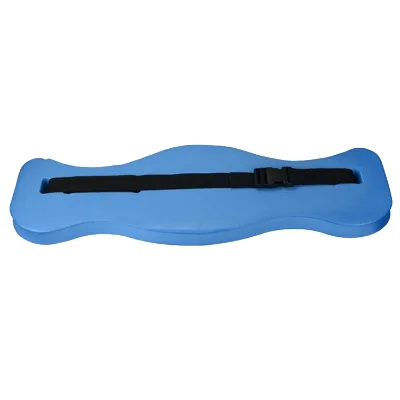


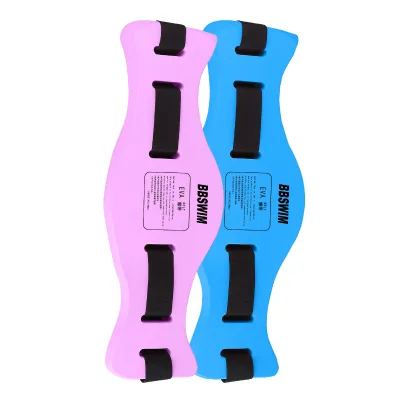
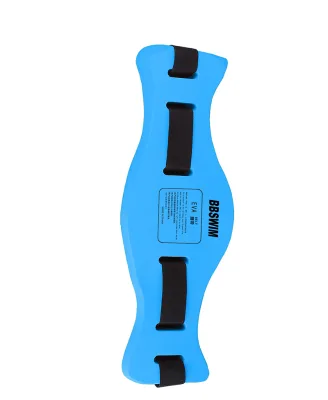
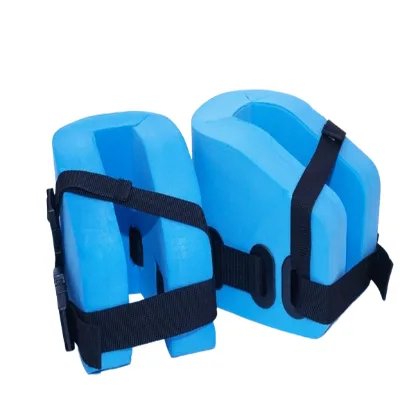
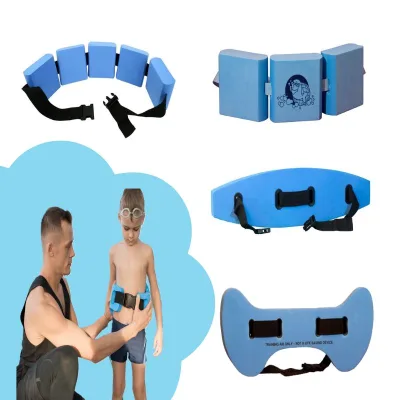
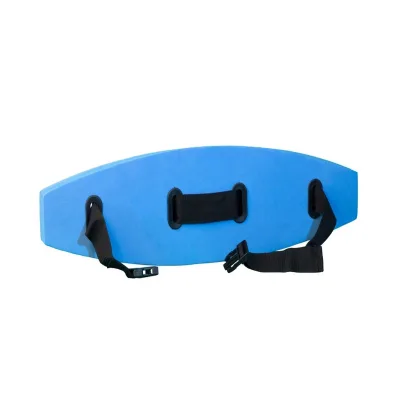
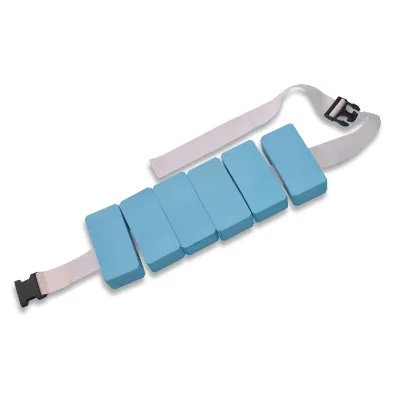
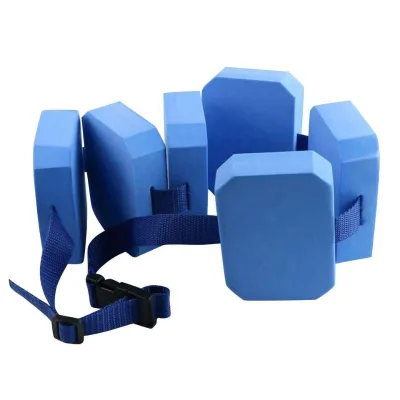
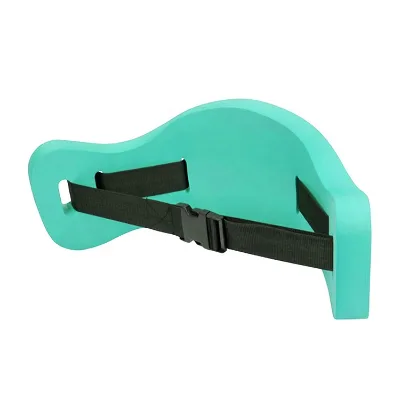
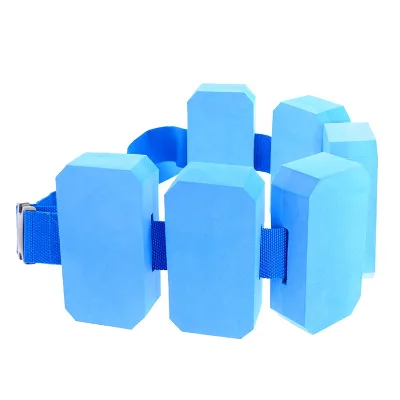
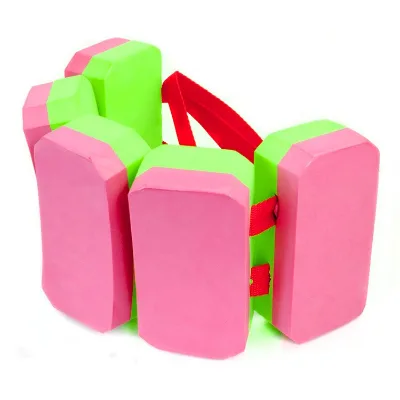
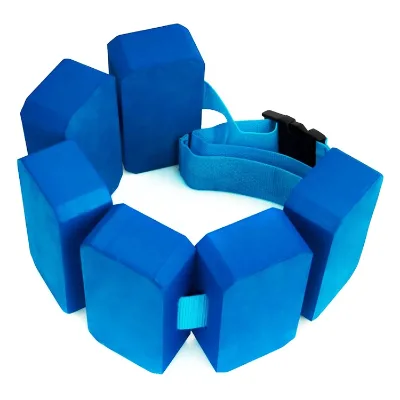


Comprehensive Sourcing Guide
Adjustable EVA Swim Belt Sourcing Guide
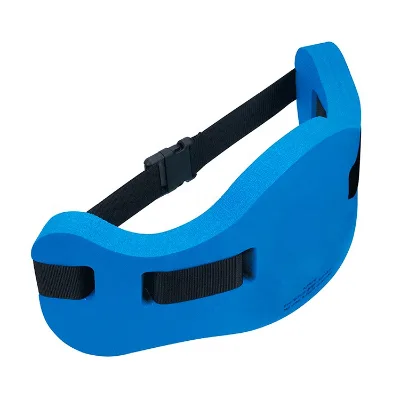
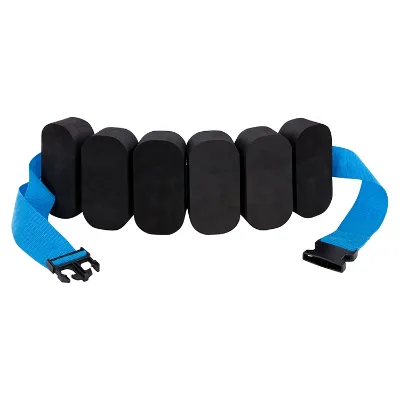
The Adjustable EVA Swim Belt represents a critical safety and training tool for aquatic environments, designed to provide buoyancy support for swimmers of varying skill levels. Based on observed market listings, these products are primarily constructed from EVA foam combined with durable outer materials such as nylon, polyester, or PU, ensuring resistance to water degradation and physical wear. The core functionality relies on the material's ability to offer consistent flotation while allowing for a customized fit through adjustable straps, making them suitable for both adult and children's swimming lessons. Buyers must recognize that while the product name often highlights "adjustable" features, the specific mechanism and range of adjustment can vary significantly between manufacturers, necessitating a detailed review of the physical sample before bulk commitment.
Procurement of these belts requires a clear distinction between generic training aids and specialized equipment intended for specific age groups or skill intensities. The observed product data indicates a split in target demographics, with specific models designated for adults and others for children, each carrying different weight capacities and package dimensions. For instance, adult versions may weigh around 150 grams with larger package sizes, whereas children's variants are lighter at approximately 130 grams with more compact packaging. This segmentation is vital for buyers to align their inventory with the intended user base, as a belt designed for a child's buoyancy needs may be insufficient for an adult, and vice versa, potentially leading to safety liabilities or product returns.
Product Scope and Observed Listing Signals
The market for adjustable EVA swim belts presents a diverse range of listing signals that buyers must navigate to identify genuine supply capabilities. Listings frequently cite "OEM" branding and offer extensive customization options, including silk-screen, embroidery, debossed, or woven label logos, alongside customized Pantone colors. However, a critical observation in the data is the conflicting nature of customization attributes; some entries list the product as "Non-Customized" while others explicitly state "Customization: Available." This discrepancy suggests that the market contains both ready-to-ship standard inventory and made-to-order production lines, requiring the buyer to clarify the specific production mode before placing an order to avoid fulfillment delays or unexpected costs.
Supply chain signals also reveal significant variations in minimum order quantities (MOQ) and production capacity, which directly impact procurement strategy. While some suppliers indicate an MOQ of 1000 pieces, others list a much lower threshold of 50 pieces, reflecting a split between large-scale factory direct sales and smaller trading or sample-focused operations. The observed price range spans from $0.48 to $16, a wide variance that likely correlates with material thickness, brand positioning, and the complexity of the adjustment mechanism. Buyers should treat these price points as indicative of different product tiers rather than a uniform market rate, and they must verify whether the lower price points correspond to the specific material composition and durability features required for their intended application.
Technical Specifications to Verify
When evaluating the technical specifications of an Adjustable EVA Swim Belt, the primary focus must be on the material composition and dimensional consistency. The core material is consistently identified as EVA foam, often paired with nylon, polyester, or PU for the outer shell, which dictates the belt's flexibility, water absorption rate, and long-term durability. Buyers should verify the exact thickness and density of the foam, as these factors determine the buoyancy rating and the belt's ability to maintain its shape under repeated use. Additionally, the "Customized Size" attribute observed in listings implies that standard dimensions may not fit all users, so confirming the specific size chart and the range of adjustability is essential to ensure the product meets the ergonomic needs of the target demographic.
Model numbers and physical dimensions serve as another critical verification point to distinguish between different product lines and their intended applications. The data shows multiple model identifiers, such as GN-EVA belt-01, GN-EVA belt-02, and GNP-6003, each potentially corresponding to distinct designs or capacity ratings. For example, specific models are associated with precise package sizes like 75x28x5 cm for adult versions and 65x23x3 cm for children's versions, which helps in calculating shipping costs and storage requirements. Buyers must cross-reference these model numbers with the actual physical samples to ensure that the "One size" or "Customized Size" claims align with the actual strap length and buckle mechanism, preventing issues where the belt cannot be securely fastened or is too loose for effective training.
Compliance and Safety Documentation
Safety compliance for aquatic training equipment is paramount, particularly given the product's application in swimming pools and learning environments. While the supplied facts do not list specific certification numbers, the "Durable" feature and the intended use for "Swimming Learning" imply that the product must meet rigorous safety standards regarding buoyancy retention and material non-toxicity. Buyers should request documentation proving that the EVA foam and any associated textiles are free from harmful substances like phthalates or heavy metals, which is a standard requirement for products used by children. Without explicit certification data in the listing, the buyer must treat the "OEM" nature of the product as a signal to demand third-party test reports from the factory to validate that the materials meet international safety norms for recreational water sports.
Documentation regarding the product's origin and manufacturing standards is equally critical for establishing liability and quality assurance. The observed "place of origin" is consistently listed as Guangdong, China, a major manufacturing hub, but the specific factory standards and production controls vary. Buyers should verify if the supplier adheres to recognized quality management systems, as the "since 1998" factory age suggests experience but does not guarantee current compliance with modern safety protocols. It is essential to obtain a certificate of origin and any relevant product safety declarations that confirm the belt's construction meets the necessary buoyancy and structural integrity requirements for its stated age group, ensuring that the product is safe for use in supervised and unsupervised aquatic settings.
Cost Drivers and Commercial Terms
The commercial terms for adjustable EVA swim belts are heavily influenced by the customization level and the scale of the order, creating a complex pricing structure for buyers. The observed MOQ range of 1 to 1000 pieces indicates that unit costs will fluctuate significantly based on volume; lower MOQs often carry a premium due to the setup costs for custom logos and colors, while higher volumes leverage the factory's capacity of up to 50,000 to 100,000 pieces per month to reduce per-unit costs. Buyers must carefully analyze the "Selling Units" and "Packaging" details, as the shift from shrink wrap to carton packaging can impact both the final product cost and the logistics expenses associated with shipping.
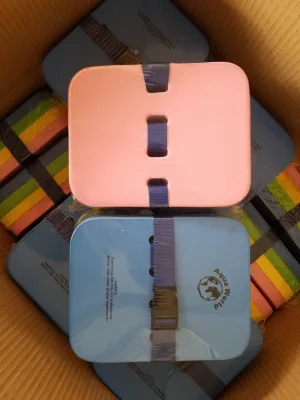
Lead times and sample availability are additional cost drivers that affect the overall procurement timeline and budget. The data indicates a sample lead time of 3-7 workdays, which is relatively short, but the bulk production lead time is not explicitly stated in the provided facts. Buyers should assume that customized orders involving specific Pantone colors or unique model numbers will require longer production windows compared to standard stock items. Furthermore, the "Transport" method listed as "Package Carton" suggests that buyers need to factor in the cost of palletizing and freight, especially when dealing with the larger package dimensions of adult belts. Understanding these variables is crucial for accurate cost modeling and for negotiating favorable terms that align with the buyer's inventory turnover goals.
Supplier Qualification and Quality Control
Supplier qualification for adjustable EVA swim belts requires a deep dive into the manufacturer's production history and capacity to ensure consistent quality. The "since 1998" attribute highlights a long-standing operational history, which is a positive indicator of stability, but buyers must verify current production capabilities and quality control processes. The ability to support OEM/ODM services suggests the factory has the flexibility to adapt to specific buyer requirements, but this also means the buyer must establish clear quality benchmarks before production begins. It is advisable to conduct a factory audit or request detailed quality control reports that cover material sourcing, assembly processes, and final inspection protocols to ensure the product meets the expected durability and safety standards.
Quality control measures should specifically address the variability observed in the product listings, such as the conflicting customization attributes and the wide range of model numbers. Buyers should implement a rigorous sampling process that includes testing the adjustability mechanism, the strength of the stitching, and the buoyancy performance of the EVA foam. Given the "Customized Size" option, it is essential to verify that the sizing charts provided by the supplier are accurate and that the production line can maintain consistency across different batches. Establishing a clear acceptance criteria for defects, such as uneven coloring or loose straps, will help mitigate the risk of receiving substandard products and ensure that the final inventory meets the brand's reputation for quality.
Long-Term Procurement Checks
Long-term procurement of adjustable EVA swim belts requires a strategic approach to managing supplier relationships and product evolution. As the market for aquatic training equipment evolves, buyers should regularly review the supplier's ability to innovate and adapt to new safety standards or material technologies. The "OEM" nature of the product means that the buyer's brand identity is closely tied to the supplier's output, making it essential to maintain open communication channels and conduct periodic performance reviews. This includes monitoring the supplier's capacity to meet fluctuating demand, especially given the high monthly production capabilities observed, to ensure that supply chain disruptions do not impact the buyer's ability to serve their customers.
Continuous verification of product specifications and compliance is necessary to maintain trust and safety in the long term. Buyers should establish a schedule for re-testing samples from new production batches to ensure that the material composition and construction methods have not drifted over time. Additionally, staying informed about changes in international safety regulations for swimming equipment will help the buyer proactively update their product requirements and avoid potential compliance issues. By maintaining a proactive stance on quality assurance and supplier performance, buyers can ensure that their adjustable EVA swim belts remain a reliable and safe product for their customers, fostering long-term loyalty and market success.
FAQs
What materials are used for adjustable EVA swim belts?
Adjustable swim belts are typically constructed from EVA foam, often combined with nylon, polyester, or PU materials for durability and comfort. These materials provide buoyancy and flexibility, ensuring the belt remains effective for both adults and children during swimming lessons. The specific material composition may vary by manufacturer, but EVA remains the primary component for flotation.
Can I customize the color and logo on the swim belt?
Yes, customization is available for both color and branding. Buyers can select customized Pantone colors and choose from various logo application methods such as silk-screen printing, embroidery, debossing, or woven labels. This allows for personalized designs suitable for unisex use, catering to specific brand requirements or promotional needs for swimming pools and training centers.
What is the typical MOQ for ordering these swim belts?
The Minimum Order Quantity varies by supplier, with observed ranges starting from 50 pieces up to 1000 pieces. Some manufacturers require an MOQ of 1000 pieces for standard orders, while others may accept smaller quantities of 50 pieces. Buyers should verify the specific MOQ with the supplier to ensure it aligns with their procurement volume and budget constraints.
How long does it take to produce a sample?
Sample production typically takes 3 to 7 working days. This timeframe allows manufacturers to prepare customized or standard samples for buyer approval before mass production begins. Buyers should account for this lead time when planning their procurement schedule, especially if they require specific customizations like logos or unique sizes before finalizing the order.
What are the standard sizes available for these belts?
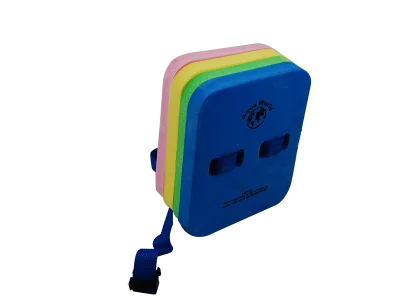
Sizes can be customized or come in standard dimensions such as 27cm by 15cm. Some models are designed as one-size-fits-all for adults, while others are specifically sized for children. Single package sizes may vary, for example, 75x28x5 cm for adult models and 65x23x3 cm for children's models, depending on the specific product line and manufacturer specifications.
Where are these swim belts typically manufactured?
These products are primarily manufactured in Guangdong, China. Many factories have been operating since 1998, indicating established production capabilities in the region. Buyers sourcing from this location can expect access to a wide range of suppliers with varying capacities, such as 50,000 to 100,000 pieces per month, ensuring reliable supply for bulk orders.