Source Adjustable Magnetic Glass Door Closer for Hotels, Offices, and Homes
Find and compare 30 Adjustable Magnetic Glass Door Closer options from verified suppliers. Evaluate key specifications such as door width, weight capacity, and installation types to select the right fit for your project needs.
Key considerations
Products List


Glass Hardware Aluminum Automatic Hydraulic Sliding Commercial Magnetic Door Closer
$10.53 - $12.32
MOQ: 100 Pieces

Medium Duty Door Closers UL Certificates Aluminium Sliding Door Closer Auto Closer
$9.74 - $11.01
MOQ: 100 Pieces


Easy Close Hydraulic Arm Overhead Adjustable Automatic Door Closer with Hold on
$7.96 - $8.98
MOQ: 100 Pieces


Automatic Side-Mounted Flat Door Opener Electric Door Closer Door Opener
$240.00 - $249.00
MOQ: 1 Sets




Comprehensive Sourcing Guide
Adjustable Magnetic Glass Door Closer Sourcing Guide
Sourcing adjustable magnetic glass door closers requires a nuanced understanding of mechanical compatibility, regulatory compliance, and commercial terms. These devices are critical for maintaining fire safety, controlling door swing, and ensuring accessibility in high-traffic environments. Buyers must navigate a market where specifications vary significantly between models, often blending European and American standards. The following guide provides a structured approach to evaluating suppliers, verifying technical data, and mitigating procurement risks associated with these essential architectural hardware components.
Product Scope and Observed Listing Signals
The current market landscape for door closers reveals a diverse range of product attributes, with observed prices spanning from $0.88 to $420 USD. This wide variance suggests a mix of basic mechanical units and more complex, feature-rich models. Buyers should note that the minimum order quantity (MOQ) ranges from 1 to 5,000 pieces, indicating flexibility for both small-scale renovations and large commercial projects. High-confidence data points to specific models like the JL-510 and JL-513, which offer customization options and come with a three-year warranty, signaling a segment of suppliers focused on durability and long-term support.
Listing signals also highlight specific functional capabilities, such as adjustable, buffered, and delayed closing speeds, which are essential for managing heavy doors safely. Some products are designed for specific door widths, such as 1200mm or 950mm, and support door weights up to 65kg. The presence of remote control options in some listings, contrasted with "without remote control" in others, allows buyers to tailor their procurement to specific security or accessibility needs. Additionally, the availability of sample units and logo customization suggests that many suppliers are open to branding and pre-purchase evaluation, which are critical steps in the B2B sourcing process.
Technical Specifications to Verify
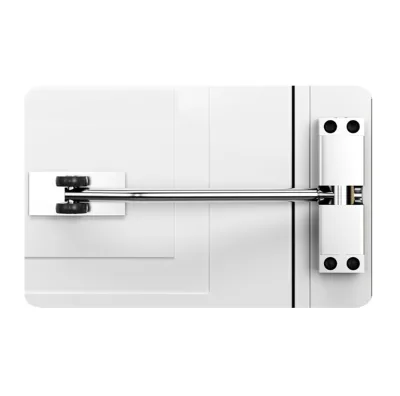
When evaluating technical specifications, buyers must prioritize the installation type and arm configuration to ensure compatibility with the existing door frame. Products are available in outside-mounted, standard, and parallel installation types, with arms constructed from materials like iron or aluminum alloy. The shape of the arm, often square, and the surface treatment, such as polished finishes, contribute to both aesthetic integration and corrosion resistance. It is crucial to verify the closing speed adjusting values, which may range from 180-20 degrees, and latching dynamics, which can vary from 20-0 degrees, to ensure the door closes securely without excessive force.
Dimensional accuracy is another critical verification step, as products come in various standard sizes, such as 1754164mm or 1423755mm. Buyers should confirm the door width and weight capacity for each model, as exceeding these limits can lead to premature failure or safety hazards. For instance, some models are rated for doors weighing 25-45kg, while others support up to 65kg. Additionally, the application scope, which includes wood, aluminum, steel, and even boat doors, requires careful matching to the specific door material and environmental conditions to prevent material incompatibility or accelerated wear.
Compliance and Safety Documentation
Compliance with regional safety standards is non-negotiable for door closers, particularly in applications involving fire exits, hospitals, and schools. Buyers should request documentation confirming adherence to recognized standards, such as the European Standard or American Standard, depending on the target market. While some listings mention certifications like CE, buyers must verify the validity and scope of these certifications through independent testing reports or direct confirmation from the supplier. This verification ensures that the product meets the necessary safety and performance criteria for its intended use.
Safety features, such as the ability to hold the door open and release it automatically in the event of a fire alarm, are critical for life safety systems. Buyers should inquire about the specific mechanisms that enable these functions and request test results that demonstrate their reliability. Additionally, the warranty period, often cited as three years for certain models, serves as an indicator of the supplier’s confidence in their product’s durability. However, buyers should clarify the terms of the warranty, including what constitutes valid use and what voids the coverage, to avoid unexpected costs during the product’s lifecycle.
Cost Drivers and Commercial Terms
Several factors influence the final cost of adjustable magnetic glass door closers, including material quality, customization options, and order volume. Products made from aluminum alloy or featuring polished surface treatments may command higher prices due to enhanced durability and aesthetic appeal. Customization, such as logo printing or specific color finishes like silver or gold, can also add to the unit cost. Buyers should analyze the price range in the context of these variables to determine if the quoted price reflects the expected quality and features.
Commercial terms, including lead times and packaging, play a significant role in total procurement costs. Delivery dates typically range from 20 to 30 days after payment transfer, which buyers must factor into their project schedules. Packaging details, such as 20 pieces per carton or one piece per box, affect shipping efficiency and potential damage during transit. Buyers should negotiate clear terms regarding shipping responsibilities, insurance, and liability for damaged goods to protect their investment and ensure timely delivery to the project site.
Supplier Qualification and Quality Control
Supplier qualification is a critical step in mitigating procurement risks, requiring a thorough assessment of the supplier’s manufacturing capabilities and quality control processes. Buyers should verify the supplier’s origin, with many products originating from regions like Guangdong or Jiangsu in China, and assess their production capacity to handle large orders. Requesting references or case studies from previous clients can provide insights into the supplier’s reliability and customer service quality. Additionally, the availability of samples allows buyers to physically inspect the product’s build quality, finish, and functionality before committing to a large order.
Quality control measures should be explicitly defined in the purchase agreement, including inspection protocols and acceptance criteria. Buyers should inquire about the supplier’s internal testing procedures, such as cycle testing for durability and load testing for weight capacity. Establishing a clear process for handling defects or non-conforming products is essential, including procedures for returns, replacements, or refunds. By setting rigorous quality expectations and verifying the supplier’s ability to meet them, buyers can ensure that the delivered products meet their performance and safety requirements.
Long-Term Procurement Checks
Long-term procurement success depends on establishing a robust relationship with suppliers and implementing continuous monitoring of product performance. Buyers should schedule regular reviews of product quality and supplier performance, tracking metrics such as defect rates, delivery timeliness, and customer feedback. This ongoing evaluation helps identify potential issues early and allows for corrective actions to be taken before they impact the project or end-users. Additionally, staying informed about updates to safety standards and industry best practices ensures that the sourced products remain compliant and competitive over time.
Maintenance and support considerations are also vital for long-term procurement. Buyers should confirm the availability of spare parts and technical support from the supplier, as these resources are essential for addressing any issues that may arise during the product’s lifecycle. Establishing a clear communication channel with the supplier for technical inquiries and after-sales service can significantly enhance the overall procurement experience. By prioritizing these long-term checks, buyers can ensure that their investment in adjustable magnetic glass door closers delivers sustained value and reliability.
FAQs
What functions does the Adjustable Magnetic Glass Door Closer offer?
The device offers adjustable, delay, buffered, fixed, and stop functions to control door movement effectively. These features allow users to customize the closing speed and latching dynamics for various door types including wood, aluminum, and steel doors.
Which installation types are available for this door closer?
Available installation types include doorframe, standard, outside-mounted, and parallel configurations. This versatility ensures the unit fits different architectural requirements while maintaining an easy installation process for professionals and contractors.
Can I customize the logo on the Adjustable Magnetic Glass Door Closer?
Yes, logo customization is accepted for this product. Buyers can request specific branding on the aluminum alloy unit, which is available in silver or gold colors depending on the specific model selected for the project.
What is the delivery time for orders of this door closer?
The standard delivery time ranges from 20 to 30 days after payment transfer. This lead time applies to orders placed with manufacturers in China, including those located in Guangdong and Jiangsu provinces.
How much is the minimum order quantity for this product?
The minimum order quantity varies between 300 and 500 pieces depending on the specific model. Some models require 500 pieces while others may accept orders starting from 300 pieces for initial procurement.
What warranty period is provided for the Adjustable Magnetic Glass Door Closer?
A three-year warranty is provided for this product to ensure long-term reliability. This coverage applies to the functional components including the iron arm and the adjustable mechanisms for various door weights.