Source Adjustable Manual Incline Row Trainer for Gym, Home, Community
Find and compare 30 Adjustable Manual Incline Row Trainer units from verified Chinese manufacturers. These steel fitness machines feature customizable logos, CE certification, and are designed for commercial gyms, home use, and community centers with weight stacks ranging from 65 to 140 kg.
Key considerations
Products List
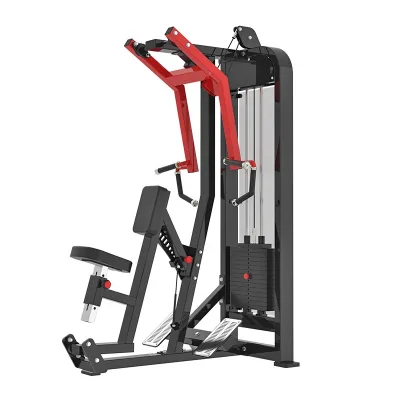

Adjustable Multi - Function Seated Row Trainer with Ergonomic Features
$405.00 - $457.00
MOQ: 1 pieces


Multi Function Trainer Fitness Home Gym Equipment Multi Adjustable Bench
$70.00 - $170.00
MOQ: 5 Pieces


Plate Loaded Linear Row Machine Gym Trainer Incline Bench Press Machine
$410.00 - $440.00
MOQ: 2 Pieces


Multi Functional Trainer for Gym Use High Quality Commercial Gym Equipment
$660.00 - $700.00
MOQ: 2 Pieces
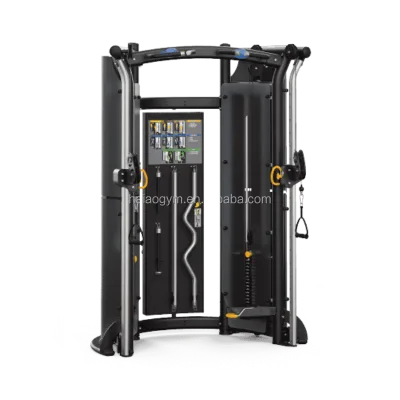

Equipment Adjustable Abdominal Core Trainer Home Fitness Tool Sit-up Trainer
$1.30 - $1.70
MOQ: 588 Pieces

Fitness Equipment Sitting Pull Rope Pedal Waist Core Trainer Sit up Trainer
$14.40 - $18.00
MOQ: 56 Pieces


Professional Seated Row Trainer for Effective Back Exercises Gym Machines
$400.00 - $600.00
MOQ: 1 Pieces

Comprehensive Sourcing Guide
Strategic Sourcing Guide for Adjustable Manual Incline Row Trainers
Understanding the Product Category and Core Specifications
The Adjustable Manual Incline Row Trainer represents a specialized segment of commercial and home fitness equipment designed to target specific muscle groups through resistance training. In the context of global procurement, these units are characterized by their reliance on manual power sources rather than electric motors, ensuring durability and lower maintenance requirements. The core functionality of these machines is often centered on back and arm development, with specific models engineered to isolate the biceps, triceps, glutes, and hamstrings. The structural integrity of these units is paramount, with steel serving as the primary material for the frame and weight stacks to ensure safety and longevity under heavy usage.
When evaluating the technical specifications of potential inventory, buyers must look for precise dimensional data. The physical footprint of these machines varies significantly, with standard models occupying spaces ranging from approximately 1500mm in length to over 2300mm in height. For instance, specific configurations may measure 1500mm by 1100mm by 2110mm, while others might extend to 1010mm by 1800mm by 2330mm. The weight of the equipment itself is a critical logistical factor; observed machine weights can range from 119kg to 125kg, with some heavy-duty configurations reaching a single gross weight of 210kg. The weight stack capacity is another defining feature, with observed ranges spanning from 65kg to 140kg, allowing for progressive overload training for various user levels.
The adjustability of the incline is a key differentiator in this category. While some units are designed for a fixed configuration, others offer customizable angles to accommodate different training styles. The "Folded" attribute is often noted as "Unfolded" in product listings, indicating that the primary configuration is a fully assembled, stable unit, though some models may offer folding capabilities for space-saving storage. The color options are typically customizable, with standard palettes including black, red, blue, and yellow, allowing facilities to align equipment with their branding or interior design schemes.
Compliance, Certification, and Safety Standards
In the B2B procurement of fitness equipment, compliance with international safety and quality standards is non-negotiable. Buyers must verify that suppliers possess valid certifications that demonstrate adherence to rigorous manufacturing protocols. The most frequently observed certifications for this category include CE and ISO marks. The CE marking indicates conformity with health, safety, and environmental protection standards for products sold within the European Economic Area, while ISO certification suggests adherence to international quality management systems. It is essential to request current certification documents for each specific model, as these can vary by production batch and region.
Safety features are intrinsic to the design of incline row trainers. The "Safe" attribute is a standard claim, but procurement teams must validate this through physical inspection and documentation of load-bearing tests. The structural design must support the maximum weight stack capacity without compromising stability. Furthermore, the "Durable" and "Adjustable" features must be verified to ensure that moving parts, such as pulleys and adjustment levers, function smoothly over thousands of cycles. The "Training" feature implies that the machine is designed for effective muscle engagement, which requires precise alignment of the resistance path with the user's biomechanics.
Buyers should also scrutinize the "Customized Logo" and "OEM" capabilities of suppliers. While these services allow for branding, they introduce variables in the supply chain that must be managed. The customization process should not compromise the structural integrity or safety certifications of the base unit. Additionally, the "Warranty" period, often observed as one year, serves as a baseline for supplier confidence. However, buyers should negotiate terms that extend beyond the standard period, particularly for commercial applications where usage intensity is high.
Cost Drivers and Pricing Dynamics
The pricing of adjustable manual incline row trainers is influenced by a complex interplay of factors, including material costs, manufacturing complexity, and logistics. The observed price range in the market is exceptionally broad, spanning from $1.30 to over $2000 USD. This variance often reflects differences in product tiers, from basic home-use models to heavy-duty commercial-grade units. The lower end of the spectrum may correspond to simpler configurations or smaller order volumes, while the higher end typically includes advanced features, custom branding, and premium materials.
Material costs are a primary driver, with steel being the dominant component. The thickness and grade of the steel used in the frame directly impact the machine's weight and durability, which in turn affects the final price. The "Single gross weight" of 210kg for certain models indicates a substantial amount of raw material, which increases shipping costs. Logistics expenses, particularly for heavy items, can significantly inflate the landed cost. Buyers must consider the "Single package size" of 195x90x40 cm or similar dimensions when calculating freight charges, as oversized packages often incur additional fees.
Minimum Order Quantity (MOQ) is another critical cost factor. The observed MOQ range is 1 to 588 units, offering flexibility for small businesses while requiring larger commitments for bulk buyers. Higher MOQs often correlate with lower unit prices, but they also increase inventory risk. The "Selling Units" being listed as "Single item" suggests that some suppliers allow for mixed orders or single-unit purchases, which can be advantageous for prototyping or small gym setups. However, buyers should be aware that customizations like logos and specific colors may have higher MOQ thresholds or additional setup fees.
Typical Applications and User Demographics
The versatility of adjustable manual incline row trainers makes them suitable for a wide range of applications. The "Appliance" attribute lists Home, Gymnasium, Park, and Community as primary use cases. This broad applicability means that the equipment must be robust enough to withstand high-frequency use in commercial gyms while remaining user-friendly for home environments. The "Applicable People" attribute is marked as "Universal," and the "Gender" is listed as "Unisex," indicating that the design accommodates a diverse user base regardless of age or physical capability.
The "Age Group" is specified as "Adult," suggesting that these machines are not intended for pediatric use. This is a crucial safety consideration for procurement teams managing facilities that serve mixed demographics. The "Function" attributes, including "Back," "Arms," "Leg," and "Practice Part" details like "Bicepstriceps, Glutes, Hamstrings," highlight the comprehensive fitness capabilities of these units. They are designed to provide a full-body workout, making them ideal for commercial gyms that need to maximize floor space with multi-functional equipment.
In commercial settings, the "Application" is listed as Commercial, Gym, and Home Use. This implies that the equipment is built to handle the wear and tear of public use. The "Feature" set, which includes "Muscle Relex Apparatus" and "Comprehensive Fitness," underscores the machine's role in structured training programs. For community centers and parks, the durability and safety features are paramount, as these locations often have less controlled environments and higher traffic volumes. The "Customization" availability allows facility managers to brand the equipment, enhancing the professional appearance of their venues.
Supplier Evaluation and Origin Verification
When sourcing these units, verifying the supplier's origin and capabilities is essential for risk management. The "Place of Origin" is frequently cited as Shandong, China, a region known for its manufacturing base in fitness equipment. However, buyers should not rely solely on this general location; specific factory audits and verification of the supplier's actual production facilities are necessary. The "Brand Name" LORRTTA is observed in the market, but buyers should remain open to other reputable brands and OEM manufacturers that offer similar specifications.
Supplier evaluation should focus on their ability to meet the specific requirements of the order, including customization, packaging, and lead times. The "OEM" and "Customized Logo" acceptance indicates that suppliers are willing to collaborate on branding, but buyers must ensure that the customization process does not delay production or compromise quality. The "Packaging" options, such as "Crate," "Wooden Box," and "Wooden Case," are critical for protecting the equipment during transit. Heavy items like those weighing 210kg require robust packaging to prevent damage, and the "prod_packing" details should be reviewed to ensure they meet international shipping standards.
Buyers should also assess the supplier's track record regarding certifications and quality control. The presence of CE and ISO certifications is a positive indicator, but it is vital to verify that these certifications are current and applicable to the specific models being purchased. Additionally, the "Warranty" terms should be clearly defined, with a focus on the duration and scope of coverage. A one-year warranty is standard, but suppliers with a history of honoring claims and providing prompt after-sales support are preferable.
Quality Control and Long-Term Procurement Considerations
Implementing a rigorous quality control (QC) process is essential for ensuring that the procured equipment meets the required standards. Buyers should establish clear acceptance criteria based on the observed specifications, such as the "Machine Weight," "Weight Stack," and "Single package size." Visual inspections should check for defects in the steel frame, paint finish, and moving parts. Functional testing should verify the smooth operation of the incline adjustment and the stability of the weight stack.
Long-term procurement considerations include the availability of spare parts and the supplier's capacity for future orders. The "Customization" and "OEM" capabilities suggest that suppliers can adapt to changing market needs, but buyers should confirm the lead times for custom orders and the availability of replacement parts. The "Standard" dimensions, such as 1560x1350x1270mm or 150011002110mm, should be consistent across batches to ensure compatibility with existing facility layouts.
Buyers should also consider the environmental impact of the packaging and materials. The use of "Wooden Box" and "Crate" packaging is common, but sustainable sourcing of these materials is increasingly important. Additionally, the "Power Source" being "Manual" aligns with sustainability goals by eliminating the need for electricity, reducing the carbon footprint of the equipment's operation.
To mitigate risks, buyers should maintain a diversified supplier base and avoid over-reliance on a single source. Regular audits and performance reviews of suppliers can help identify potential issues before they escalate. By focusing on technical specifications, compliance, cost drivers, and quality control, buyers can make informed decisions that ensure the procurement of high-quality adjustable manual incline row trainers that meet the needs of their specific applications.
Comparative Analysis of Key Product Attributes
| Attribute Category | Observation 1 | Observation 2 | Observation 3 |
|---|---|---|---|
| Model Number | YH-807492 | SA1602 | GF-7-701 |
| Dimensions (LxWxH) | 195x90x40 cm (Package) | 1560x1350x1270 mm | 1500x1100x2110 mm |
| Weight Stack | 65 kg | 80-140 kg | N/A |
| Machine Weight | 119 kg | 125 kg | 210 kg (Gross) |
| Material | Steel | Steel | Steel |
| Certification | CE, ISO | CE, ISO | CE, ISO |
| Power Source | Manual | Manual | Manual |
| Packaging | Crate | Wooden Box | Wooden Case |
| Application | Home, Gym, Park | Home, Gym, Community | Commercial, Gym, Home |
| Customization | Logo, Color | Logo, Color | Logo, Color |
| Warranty | 1 Year | 1 Year | 1 Year |
| MOQ | 1 PCS | 1 PCS | 1 PCS |
This table highlights the variability in specifications across different models. While the core material and power source remain consistent, the dimensions and weight capacities vary significantly. Buyers must match these specifications to their specific space constraints and user requirements. The consistent presence of CE and ISO certifications across models suggests a high baseline of quality in the market, but individual verification is still required. The "MOQ" of 1 PCS across all observed models offers significant flexibility for buyers of all sizes, from small startups to large commercial chains.
FAQs
What certifications do adjustable manual incline row trainers typically have?
These units typically carry CE and ISO certifications to ensure safety and quality compliance. Buyers should verify that the specific model matches the required standards before purchasing for commercial or home use.
How much does an Adjustable Manual Incline Row Trainer weigh?
Machine weights generally range from 119kg to 125kg, with some heavy-duty configurations reaching a single gross weight of 210kg. This substantial weight ensures stability during intense resistance training sessions.
Can buyers customize the logo and color of the equipment?
Yes, suppliers accept customized logos and offer customizable color options including black, red, blue, and yellow. This allows facilities to align the equipment with their specific branding or interior design schemes.
What is the minimum order quantity for these fitness machines?
The minimum order quantity ranges from 1 to 588 pieces depending on the supplier and specific customization needs. Small businesses can often start with single items while bulk buyers may access lower unit prices.
Where are these adjustable manual incline row trainers manufactured?
The primary place of origin for these units is Shandong, China, a known hub for fitness equipment manufacturing. Buyers should verify specific factory details to ensure quality control and reliable shipping logistics.
What dimensions should I expect for the product packaging?
Single package sizes vary, with common dimensions around 195x90x40 cm or 1500x1100x2110 mm depending on the model. Robust packaging like wooden cases or crates is used to protect heavy steel frames during transit.