Source AG3 Watch Batteries for Toys, Calculators, and Scales
Compare 30 listings of AG3 Watch Batteries from Guangdong suppliers with options in Alkaline and Silver Oxide chemistries. Buyers can evaluate nominal voltages, capacities, and packaging types for use in toys, home appliances, and consumer electronics.
Key considerations
Products List
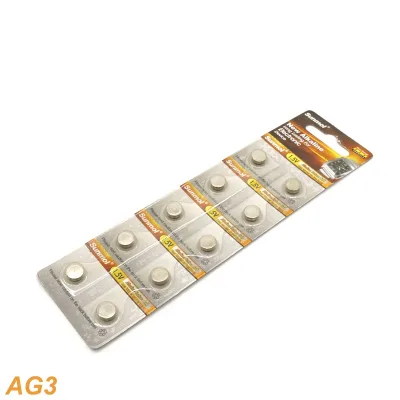
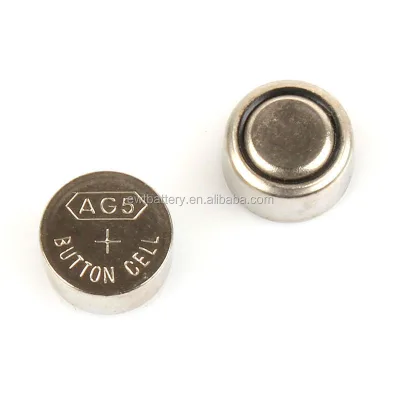


Wholesale AG3 Lr41 Alkaline Battery 1.5 Volt Batteries AG3 Battery Watch
$0.19
MOQ: 400 10PCS/Blister Card


Best Selling AG13 Lr44 A76 1.5V Alkaline Smart Watch Button Cell Batteries
$0.30
MOQ: 400 10PCS/Blister Card

Watch Batteries 2032 Battery 3V Non Rechargeable Lithium Battery Cr2032
$0.30
MOQ: 600 5PCS/Blister Card


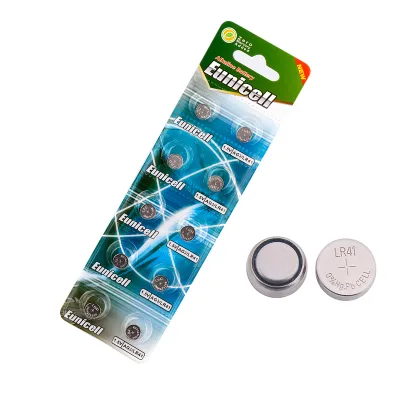
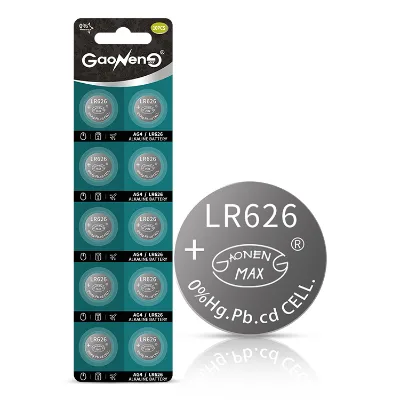
Manufacturer AG4 1.5V 18mAh Button Cell Battery Lr626 Watch Battery AG4 Coin Cell
$0.01 - $0.01
MOQ: 10000 Pieces


Comprehensive Sourcing Guide
Strategic Sourcing Guide for AG3 Watch Batteries
Understanding the AG3 Battery Market and Core Specifications
The procurement of AG3 Watch Batteries requires a precise understanding of the underlying technical architecture, as the term "AG3" serves as a specific industry designation for a class of button cell batteries. In the current global supply chain, these units are primarily manufactured in Guangdong, China, a region that has established itself as a central hub for button cell production. The core product profile for an AG3 battery typically involves a nominal voltage of 1.5V, which is a standard characteristic for alkaline chemistry variants found in this category. However, buyers must exercise caution when interpreting specifications, as the market contains distinct variations in chemistry. While the AG3 designation is frequently associated with Zinc/MnO2 (alkaline) chemistry, some listings in the same product space may reference Silver Oxide or even historical Zinc Mercury chemistries, which possess different voltage profiles and discharge characteristics.
The physical dimensions of the AG3 cell are critical for compatibility with watch movements and other miniature electronic devices. The standard profile for these batteries is often described as a button or coin cell shape, with specific dimensions that generally align with a diameter of approximately 9.5mm and a height of around 2.1mm, though exact measurements should always be verified against the specific movement requirements of the end product. The weight of these individual units is typically minimal, often falling in the range of 0.55g to 0.92g depending on the specific casing and internal composition. The packaging for these items varies significantly from bulk trays to blister cards, with some suppliers offering shrink-wrapped options or single-piece blister packs. When sourcing, the buyer must distinguish between the chemical composition, as the "Alkaline Button Cell" designation implies a different discharge curve and shelf life compared to Silver Oxide or Zinc Mercury alternatives.
Technical Performance and Application Suitability
Selecting the correct AG3 battery involves more than matching a model number; it requires a deep analysis of the intended application environment. The primary use case for AG3 batteries is in timekeeping devices, specifically watches, where the low current drain and stable voltage output are essential for maintaining accuracy over long periods. Beyond horology, these batteries are frequently utilized in consumer electronics such as calculators, electronic scales, and various toys. The energy density of these cells is relatively low, with observed electric energy values ranging from 0.07 Wh to 1 Wh depending on the specific formulation and capacity. For instance, a standard alkaline AG3 variant might offer a nominal capacity of around 52mAh, while other formulations in the same size class may present capacities as low as 30mAh.
The discharge characteristics of the battery are paramount for watch applications. Alkaline chemistry (Zn/MnO2) provides a nominal voltage of 1.5V, which is suitable for many quartz movements. However, Silver Oxide batteries, which are also available in similar form factors, typically offer a more stable voltage plateau throughout their life, making them preferable for high-precision timepieces. The shelf life of these batteries is a critical factor for inventory management, with a standard expectation of 3 years when stored under proper conditions. This longevity ensures that the batteries remain viable for the supply chain without significant degradation. The non-rechargeable nature of these cells means that the procurement strategy must account for the total cost of ownership over the product's lifecycle, rather than initial purchase price alone.
Compliance, Certification, and Environmental Standards
In the realm of battery procurement, compliance with international safety and environmental standards is non-negotiable. While specific certification marks like CE are often mentioned in the broader context of electronic components, buyers must verify the actual certification status of the specific lot they are purchasing. The supply chain for button cells is subject to rigorous scrutiny regarding hazardous materials. Historically, mercury was used in button cells, but modern regulations have largely phased out Zinc Mercury chemistries in favor of mercury-free alternatives. Buyers should explicitly confirm that the batteries are mercury-free, especially if the end product is destined for markets with strict environmental regulations.
The recyclability status of the product is another critical compliance point. Most standard alkaline and silver oxide button cells are classified as non-recyclable in many jurisdictions due to the difficulty of separating the internal components, though local regulations may vary. The packaging materials, such as PVC or aluminum foil jackets, also play a role in the environmental footprint of the product. When evaluating suppliers, procurement teams should request documentation regarding the chemical composition and adherence to RoHS (Restriction of Hazardous Substances) directives. The absence of a specific certification claim in a product listing does not necessarily indicate non-compliance, but it does necessitate a proactive request for test reports or material safety data sheets (MSDS) to ensure the product meets the destination market's legal requirements.
Cost Drivers and Pricing Dynamics
The pricing of AG3 Watch Batteries is influenced by a complex array of factors, including raw material costs, production volume, and packaging specifications. The observed price range for these items in the current market is quite broad, spanning from $0.01 to $0.51 per unit. This significant variance is not merely a reflection of brand premium but is heavily driven by the quantity ordered and the specific packaging configuration. The Minimum Order Quantity (MOQ) can range from a single unit to millions of units, with the per-unit cost decreasing substantially as the order volume increases. Suppliers often offer tiered pricing structures where bulk purchases in cartons or pallets yield the most favorable rates.
Packaging is a significant cost driver in this category. Options such as blister cards, shrink wrap, and bulk trays each carry different manufacturing and logistics costs. A single-item blister pack will naturally have a higher unit cost compared to a bulk tray containing hundreds of units. Additionally, the customization of the battery, such as the inclusion of a specific brand logo or custom packaging, adds to the overall cost. The "Sunmol" or "OEM" branding mentioned in various listings indicates that many suppliers offer private label services, which can affect the pricing model. Buyers should be aware that the lowest listed price often corresponds to the highest volume tier and the most basic packaging, while specialized requirements will command a premium.
Supplier Evaluation and Quality Assurance
Evaluating suppliers for AG3 batteries requires a focus on their production history and quality control processes. A key indicator of supplier reliability is their experience level; many established manufacturers in the Guangdong region boast over 23 years of experience in battery production. This longevity often correlates with refined manufacturing processes and consistent quality output. When assessing potential partners, buyers should look for suppliers who offer OEM services, as this indicates a capacity for customization and a commitment to meeting specific client requirements. The ability to provide custom branding and packaging is a strong signal of a mature supply chain partner.
Quality assurance should be a central pillar of the supplier evaluation process. Buyers must verify the consistency of the battery chemistry and the integrity of the sealing process, which prevents leakage and ensures the 3-year shelf life. The shape of the battery, whether described as circular, button, or cylindrical, must be uniform to ensure proper fit in the end product. Suppliers should be able to provide data on the nominal capacity and voltage stability. It is essential to treat product attributes as observations rather than universal claims; not every listed product will satisfy every attribute mentioned in a general catalog. Therefore, requesting samples and conducting incoming quality inspections is a necessary step before committing to large-scale orders. The supplier's ability to handle the specific "Jacket" materials, such as aluminum foil or metal casings, also impacts the final product quality and should be verified.
Long-Term Procurement and Inventory Management
Sourcing AG3 batteries for long-term use requires a strategic approach to inventory management and supply chain resilience. Given the 3-year shelf life, buyers must implement a First-In-First-Out (FIFO) system to prevent the degradation of stock. The non-rechargeable nature of these cells means that once a batch is opened or its shelf life expires, it cannot be replenished with the same energy content, making accurate demand forecasting essential. The wide range of MOQs allows for flexibility; buyers can start with smaller orders to test quality and then scale up to larger volumes to reduce per-unit costs.
The application diversity of AG3 batteries, ranging from toys to home appliances and watches, suggests that these components are versatile but also subject to fluctuating demand. Procurement strategies should account for the potential need for different chemistries within the same size class. For instance, a manufacturer might switch from alkaline to silver oxide for a specific high-end watch line, requiring a supplier capable of producing or sourcing both types. The "Customization: Available" attribute highlights the importance of maintaining a relationship with a supplier who can adapt to changing product specifications. Furthermore, the "If OEM: Yes" status indicates that branding is a flexible component of the supply chain, allowing buyers to align the battery with their own brand identity. Long-term success in this category depends on building a partnership with a supplier who can guarantee consistent quality, adhere to environmental standards, and provide the flexibility needed to navigate market changes.
FAQs
What is the nominal voltage of AG3 Watch Batteries?
The nominal voltage is 1.5V for alkaline variants. Some listings also reference 1.5V for other types, but the standard alkaline chemistry provides this specific voltage output for most applications.
Which battery chemistries are available for AG3 cells?
Available chemistries include Zinc/MnO2, Silver Oxide, and historical Zinc Mercury types. Buyers must verify the specific chemistry as discharge curves and voltage stability differ significantly between these formulations.
How long is the shelf life of these batteries?
The standard shelf life is 3 years when stored under proper conditions. This duration ensures viability for the supply chain without significant degradation before the product is used in end devices.
Can I request custom branding for these batteries?
Yes, customization is available for branding and packaging. Suppliers offer OEM services allowing clients to apply their own logos and select from options like blister cards or bulk trays.
What is the typical weight of an AG3 battery?
The weight typically ranges from 0.55g to 0.92g depending on the casing. This minimal weight is characteristic of the button and coin cell shapes used in watches and calculators.
Where are these batteries primarily manufactured?
They are primarily manufactured in Guangdong, China. This region serves as a central hub for button cell production with established supply chains for various battery types.
Are these batteries rechargeable?
No, these batteries are non-rechargeable. They are designed as single-use chemical cells, requiring procurement strategies that account for the total cost of ownership over the product lifecycle.