Source Aftermarket Rear Bumper for Trucks, Cars, and SUVs
Find 30 Aftermarket Rear Bumper options for trucks, cars, and SUVs. Compare materials like steel and plastic, sizes, and customization features to find the right replacement part for your vehicle repair needs.
Key considerations
Products List
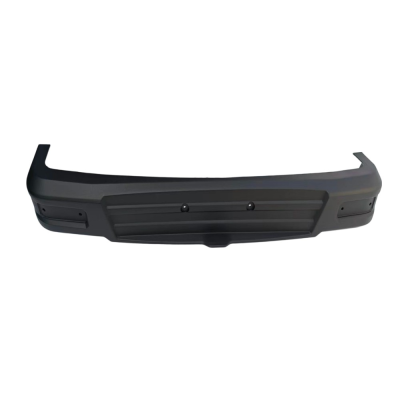
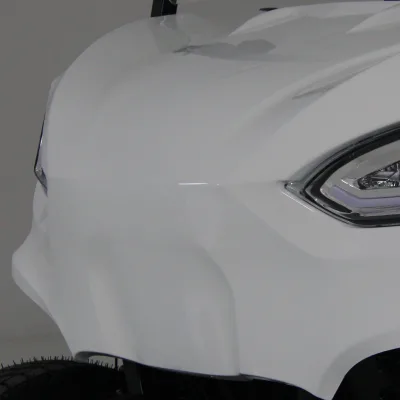
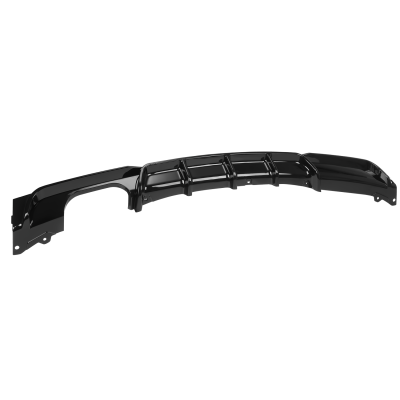


$35.00 - $70.00
MOQ: 1 Pieces


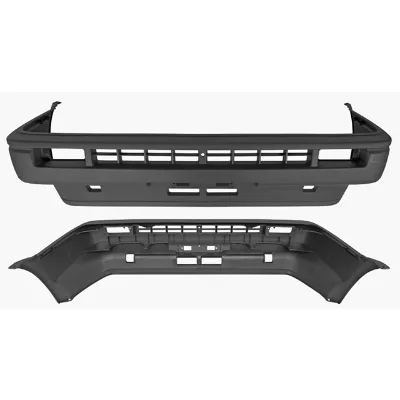


Comprehensive Sourcing Guide
Aftermarket Rear Bumper Sourcing Guide
Sourcing replacement rear bumpers requires a disciplined approach to aligning vehicle compatibility with material performance and regulatory compliance. The aftermarket sector offers a wide array of options, ranging from basic plastic replacements to heavy-duty steel reinforcements, each serving distinct operational needs. Buyers must navigate a landscape where product attributes vary significantly by manufacturer and intended application, ensuring that the selected component meets both aesthetic and structural requirements. This guide provides a structured framework for evaluating suppliers, verifying technical specifications, and managing commercial risks associated with importing these critical automotive components.
The procurement process begins with a clear definition of the end-use environment, whether for passenger vehicles, SUVs, or commercial trucks. Observed market signals indicate a strong presence of products designed for specific makes and models, such as pickup trucks and SUVs, with a focus on repair and replacement scenarios. Understanding the distinction between cosmetic covers and structural impact absorbers is essential for selecting the right part. Furthermore, buyers should recognize that customization options are frequently available, allowing for tailored solutions that address specific damage patterns or performance enhancements, provided the supplier has the manufacturing capability to support these requests.
Product Scope and Observed Listing Signals
The current market landscape for aftermarket rear bumpers reveals a diverse range of product configurations, primarily driven by the need for precise fitment and durability. Listings frequently highlight products intended for specific vehicle categories, including cars, SUVs, and trucks, with a notable emphasis on pickup models. The observed data suggests that many suppliers offer parts designed for direct replacement, ensuring that the new bumper integrates seamlessly with the existing vehicle frame. Buyers should pay close attention to the stated position of the component, such as front or rear, to avoid procurement errors that could lead to installation failures or safety hazards.
Material composition is a critical differentiator in this category, with plastic and steel being the most commonly observed options. Plastic bumpers are often favored for their lightweight properties and cost-effectiveness, making them suitable for standard passenger vehicles where impact resistance requirements are moderate. In contrast, steel bumpers are typically specified for heavier applications, such as trucks or off-road vehicles, where superior strength and durability are paramount. The color options available, including black, white, and silver, also play a role in the sourcing decision, as buyers must consider whether the part requires painting or if it is supplied in a ready-to-install finish.
Technical Specifications to Verify
Verifying technical specifications is the most critical step in ensuring that the purchased rear bumper will fit and function correctly. Buyers must cross-reference the model number and dimensions provided by the supplier with the vehicle’s original equipment manufacturer (OEM) specifications. Observed listings show a variety of dimensions, ranging from compact components measuring 25x10x12mm to larger assemblies exceeding 1000mm in length. It is imperative to confirm that the length, width, and height of the supplied part match the vehicle’s mounting points and clearance requirements to prevent interference with other body panels or mechanical components.
In addition to physical dimensions, buyers should verify the manufacturing standards and customization capabilities of the supplier. Some products are listed with specific model codes, such as TNN-057 or DO-VG-S04, which may correspond to specific vehicle platforms or aftermarket designs. The availability of OEM support indicates that the supplier can produce parts that replicate original specifications, which is crucial for maintaining vehicle integrity and resale value. Buyers should also inquire about the surface treatment processes, such as polishing, which can affect the final appearance and corrosion resistance of the bumper, particularly for steel components.
Compliance and Safety Documentation
Compliance with safety and regulatory standards is non-negotiable when sourcing automotive parts, even for replacement components. Buyers must ensure that the supplier provides appropriate certification documentation, such as CE marks, which indicate adherence to European health, safety, and environmental protection standards. While the presence of a certification mark is a positive indicator, it is essential to verify the scope of the certification and ensure it covers the specific type of bumper being purchased. Buyers should request copies of test reports or compliance certificates to confirm that the product meets the relevant regulatory requirements for the destination market.
Quality assurance processes are another vital aspect of compliance and safety. Suppliers that claim 100% testing of their products provide an additional layer of assurance regarding the structural integrity and fitment of the bumper. Buyers should inquire about the specific tests conducted, such as impact resistance, material strength, and dimensional accuracy, to ensure that the product meets industry standards. Additionally, warranties offered by suppliers, such as 12-month coverage, can serve as an indicator of the manufacturer’s confidence in their product’s durability and performance.
Cost Drivers and Commercial Terms
Understanding the cost drivers associated with aftermarket rear bumpers is essential for effective budgeting and negotiation. The primary factors influencing price include the material used, the complexity of the design, and the level of customization required. Steel bumpers, for instance, are generally more expensive than plastic ones due to the higher cost of raw materials and the energy-intensive manufacturing processes involved. Similarly, parts that require specific surface treatments or custom dimensions may carry a premium price compared to standard off-the-shelf components.
Commercial terms, including minimum order quantities (MOQ) and payment conditions, also play a significant role in the total cost of ownership. Observed listings show a wide range of MOQs, from single units to larger batches, allowing buyers to scale their orders based on demand. Payment terms, such as T/T (Telegraphic Transfer), are common in international trade and should be clearly defined in the purchase agreement to avoid disputes. Buyers should also consider the packaging requirements, as proper protection using corrugated boxes, bubble bags, or EPE foam is crucial to prevent damage during transit, which can add to the overall cost if replacements are needed.
Supplier Qualification and Quality Control
Supplier qualification is a foundational step in mitigating procurement risks and ensuring consistent product quality. Buyers should conduct thorough due diligence on potential suppliers, verifying their business licenses, manufacturing capabilities, and track record in the automotive parts industry. Geographic location can also be a relevant factor, with suppliers based in regions like Shandong and Guangdong in China often having established supply chains and expertise in automotive component manufacturing. Buyers should request samples to evaluate the quality of the product firsthand, checking for fitment, finish, and material integrity before committing to larger orders.
Quality control measures implemented by the supplier are critical for maintaining consistency across production batches. Buyers should inquire about the supplier’s quality management systems, including inspection protocols at various stages of production. Suppliers that offer customization services should also demonstrate their ability to maintain quality standards while accommodating specific design requirements. Establishing a clear communication channel with the supplier’s sales and technical teams can facilitate faster resolution of any issues that arise during the procurement process, ensuring a smoother transaction and better long-term partnership.
Long-Term Procurement Checks
Establishing long-term procurement checks is essential for maintaining supply chain stability and product quality over time. Buyers should implement regular audits and performance reviews to assess the supplier’s ability to meet delivery schedules, maintain quality standards, and respond to changing market demands. Tracking key performance indicators, such as defect rates, on-time delivery percentages, and customer satisfaction scores, can provide valuable insights into the supplier’s reliability and help identify areas for improvement.
Additionally, buyers should stay informed about changes in regulatory requirements and industry standards that may impact the sourcing of aftermarket rear bumpers. This includes monitoring updates to safety regulations, material restrictions, and certification requirements in the destination market. By maintaining a proactive approach to compliance and quality management, buyers can ensure that their procurement activities remain aligned with legal obligations and business objectives, reducing the risk of disruptions and enhancing the overall value of their supply chain.
FAQs
What is the condition of the Aftermarket Rear Bumper?
The product is new and designed for replacement or repair purposes. It is available in black or white colors and comes with a 12-month warranty. Each unit is individually packed in corrugated boxes or bubble bags with EPE protection.
Which certifications does the rear bumper hold?
The product holds CE certification as a verified standard. This ensures compliance with specific safety and quality requirements for automotive parts. Buyers can rely on this certification when sourcing replacement bumpers for trucks or SUVs.
Can I customize the size of the rear bumper?
Yes, customization is available for the product dimensions. Specific models support standard sizes like 1090x250x155mm or 560x270x160mm, but custom dimensions can be arranged. Buyers should contact sales to confirm specific customization details.
What is the minimum order quantity for this part?
The minimum order quantity is one single item. This allows buyers to purchase a single unit for testing or immediate repair needs. The product is sold as a single item with a gross weight of 1.7 kg.
Where is the product manufactured and shipped from?
The product is made in China, specifically originating from Shandong or Guangdong provinces. Shipping ports include Guangzhou, and the items are packed in cartons with PP film or bubble bags. Origin details are verified for all listed units.
What materials are used to make the bumper?
The bumper is constructed from plastic or steel depending on the specific model. Some variants use 201 stainless steel for enhanced durability. The material choice ensures the part is suitable for both car and truck applications.