Source Air Cooled Portable Diesel Generator for Construction, Events, and Emergency
Find 30 Air Cooled Portable Diesel Generator options suitable for construction sites, outdoor events, and emergency backup power. Buyers can compare specifications like power output, cooling methods, and installation types to select the right unit for their needs.
Key considerations
Products List


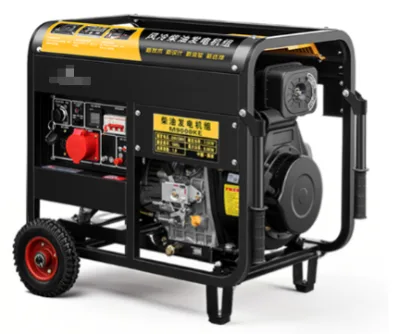


Durable Hot Sale 5kw 10W Portable 3 Phase Air Cooled Diesel Generator
$1239.00 - $1259.00
MOQ: 1 Pieces

Durable Portable Small Silent 3 Phase 10kw Air Cooling Diesel Generator
$845.00 - $858.00
MOQ: 1 Pieces


Industrial Open Type Diesel Generator for Reliable Air Cooling Solutions
$481.00 - $514.00
MOQ: 1 Pieces


Comprehensive Sourcing Guide
Air Cooled Portable Diesel Generator Sourcing Guide
Sourcing air-cooled portable diesel generators requires a disciplined approach to balancing power output, operational environment, and total cost of ownership. These units are distinct from their water-cooled counterparts, relying on ambient air flow and internal fans to dissipate heat, which makes them ideal for mobile applications and sites where water infrastructure is unavailable. Buyers must navigate a market characterized by significant variation in build quality, control systems, and fuel efficiency. The decision to procure these units often hinges on the specific duty cycle, whether for continuous common use, standby emergency power, or specialized emergency crew support. Understanding the technical nuances of stroke type, excitation mode, and cooling efficiency is critical to avoiding operational failures in the field.
The procurement landscape for these generators is diverse, with manufacturers offering everything from basic self-starting models to advanced micro-computer controlled automatic units. Buyers should recognize that "portable" does not always imply lightweight; some units are designed for fixed installation with portable features, while others are strictly mobile. The presence of automation types and specific voltage configurations further complicates the selection process. A thorough evaluation of the generator’s intended land use, whether ordinary or specialized, will dictate the necessary robustness of the frame, the capacity of the fuel tank, and the sophistication of the control panel. This guide provides a structured framework for evaluating these variables to ensure the selected equipment meets both immediate operational needs and long-term reliability standards.
Product Scope and Observed Listing Signals
The current market for air-cooled portable diesel generators exhibits a wide range of specifications, reflecting the diverse needs of industrial, commercial, and residential buyers. Observed listings indicate a price range from approximately $250 to $28,900 USD, a variance that primarily reflects differences in power capacity, brand reputation, and the inclusion of advanced automation features. The minimum order quantity (MOQ) typically ranges from 1 to 20 units, suggesting that buyers can procure single units for immediate deployment or bulk orders for large-scale projects. It is essential to correlate price points with specific technical attributes, such as prime power ratings and standby power capacities, to ensure that cost comparisons are based on equivalent performance metrics rather than superficial listing descriptions.
Product models in this category vary significantly in their operational characteristics, with some units offering six-stroke engines and others utilizing four-stroke configurations. The excitation mode is another critical differentiator, with AC rotating exciters providing robust performance for specific industrial applications. Buyers should note that while many units are marketed as portable, some are designed for fixed installation, which impacts their suitability for mobile power needs. The output type is predominantly AC three-phase for larger industrial units, while smaller portable models may offer DC output or single-phase AC. Understanding these distinctions is vital for aligning the generator’s electrical output with the load requirements of the intended application, whether it be common units, standby backup, or emergency crew support.
Technical Specifications to Verify
When evaluating technical specifications, buyers must prioritize the engine’s stroke type and cooling method, as these factors directly influence efficiency and maintenance requirements. Air-cooled systems are generally simpler and lighter, making them suitable for portable applications, but they require adequate ventilation to prevent overheating. The speed of the generator, often rated at 3000rpm for standard frequency output, is a key indicator of its compatibility with grid-tied or sensitive electronic loads. Buyers should verify whether the unit is designed for high-speed operation and confirm the specific voltage and frequency outputs, such as 220/110V at 60Hz or 380V/400V at 50Hz, to ensure compatibility with local electrical standards. Mismatches in these parameters can lead to equipment damage or inefficient operation.
The control system and automation level are equally critical, with options ranging from basic self-starting mechanisms to micro-computer controlled automatic diesel generators. These advanced systems often include features like automatic transfer switches, remote monitoring, and customizable packing for transport. Buyers should also assess the physical dimensions and weight, as these determine the feasibility of transport and installation. For instance, some units are designed with standard export wooden packaging and specific dimensions like 990670990mm, which affects logistics planning. Additionally, the continuous working time, such as 8 hours for certain models, provides insight into the fuel tank capacity and engine durability, helping buyers estimate operational costs and refueling intervals for extended use cases.
Compliance and Safety Documentation
Compliance with international and local standards is a non-negotiable aspect of sourcing diesel generators, particularly for units intended for export or use in regulated industries. Buyers should request documentation that verifies adherence to recognized standards such as ISO 8528, which governs the performance of reciprocating internal combustion engine-driven alternating current generating sets. While CE marking is often cited as a certification indicator, buyers must verify the specific scope of this certification to ensure it covers all relevant safety and electromagnetic compatibility requirements. The absence of clear certification documentation can pose significant risks, including customs delays, legal liabilities, and potential safety hazards in the field.
Safety features and operational warnings should be clearly documented in the user manual and on the unit itself. Buyers should verify that the generator includes essential safety mechanisms such as overload protection, low oil pressure shutdown, and high-temperature alarms. These features are critical for preventing catastrophic engine failure and ensuring the safety of operators. Additionally, noise levels, such as the 65dB rating observed in some models, should be considered in relation to local noise ordinances and the sensitivity of the operating environment. Proper documentation of these safety and compliance aspects not only ensures regulatory adherence but also enhances the resale value and operational reliability of the equipment.
Cost Drivers and Commercial Terms
The total cost of ownership for air-cooled portable diesel generators is influenced by several factors beyond the initial purchase price. Prime power and standby power ratings are primary cost drivers, with higher capacity units commanding a premium. Buyers should carefully distinguish between these ratings, as using a generator continuously at its standby power rating can lead to premature wear and void warranties. The customization options available, such as customized packing, color, and fuel tank capacity, also impact the final price. While customization can enhance usability and transport efficiency, it may extend lead times and increase costs, so buyers should evaluate the necessity of these features against their budget constraints.
Commercial terms, including payment methods, shipping arrangements, and after-sales service provisions, play a significant role in the overall procurement strategy. Buyers should negotiate clear terms regarding warranty coverage, availability of spare parts, and the scope of technical support. Some suppliers offer comprehensive after-sales services, including online technical support, onsite installation, training, and inspection, which can reduce downtime and operational risks. The origin of the product, whether from Xiamen, Zhejiang, or Shandong in China, may also influence shipping costs and lead times. Understanding these commercial dynamics allows buyers to make informed decisions that balance upfront costs with long-term operational efficiency and support.
Supplier Qualification and Quality Control
Supplier qualification is a critical step in ensuring the reliability and quality of air-cooled portable diesel generators. Buyers should conduct thorough due diligence on potential suppliers, verifying their manufacturing capabilities, quality control processes, and track record in the industry. Suppliers with a history of producing standardized products, such as those with standard sizes and customized options, are often more reliable than those with highly variable offerings. Buyers should request evidence of quality control measures, including factory audits, product testing reports, and certifications from recognized bodies. This due diligence helps mitigate the risk of receiving substandard equipment that may fail prematurely or fail to meet specified performance criteria.
Quality control should extend beyond the initial purchase to include ongoing monitoring of supplier performance and product consistency. Buyers should establish clear quality acceptance criteria, including visual inspections, functional tests, and performance validations upon delivery. The availability of free spare parts and return and replacement policies is an important indicator of a supplier’s confidence in their product. Additionally, buyers should assess the supplier’s ability to provide timely technical support and training, which are essential for maximizing the lifespan and efficiency of the generator. By prioritizing suppliers with robust quality control systems and comprehensive support services, buyers can ensure a smoother procurement process and more reliable long-term operation.
Long-Term Procurement Checks
Long-term procurement success depends on establishing a framework for ongoing evaluation and relationship management with suppliers. Buyers should implement regular performance reviews to assess the generator’s reliability, maintenance requirements, and overall value. This includes tracking downtime, repair costs, and fuel consumption to identify any trends that may indicate underlying issues with the equipment or supplier. Buyers should also stay informed about technological advancements and industry standards that may impact future procurement decisions. By maintaining a proactive approach to supplier management, buyers can ensure that their equipment remains competitive and compliant with evolving regulatory and operational requirements.
Furthermore, buyers should consider the scalability of their procurement strategy, evaluating the potential for future expansion or replacement needs. This involves assessing the supplier’s capacity to fulfill larger orders, provide consistent quality, and offer competitive pricing for repeat purchases. Building a strong relationship with a reliable supplier can lead to benefits such as priority service, extended warranties, and access to new product lines. Buyers should also document all procurement activities, including contracts, warranties, and service agreements, to ensure clear accountability and facilitate future negotiations. By focusing on long-term value and strategic supplier partnerships, buyers can optimize their investment in air-cooled portable diesel generators and support their operational goals effectively.
FAQs
What power output is available for air cooled portable diesel generators?
Available power ratings include 5-10kW models with prime power of 20kVA and standby power of 22kVA. These units typically operate at 3000rpm and support frequencies of 60Hz. Output types vary between AC three-phase and DC configurations depending on the specific model selected for your application.
Can air cooled portable diesel generators be customized for specific needs?
Yes, customization is available for various aspects including color, packing, and fuel tank capacity. Some models offer standard export wooden packaging while others allow customerized packing solutions. Automation types and installation methods can also be tailored to fit specific operational requirements and site conditions.
How are air cooled portable diesel generators cooled and installed?
These generators utilize air-cooled systems or air-cooling systems for thermal management. Installation methods range from portable setups to fixed installations. The units are designed for land use and can be configured as ordinary or automation type units, ensuring flexibility for different deployment scenarios and environmental conditions.
What are the typical voltage and frequency specifications for these units?
Rated voltages include 220/110V, 380V, 480V, 230V, 400V, 240V, and 110V. Frequency options typically include 60Hz. These specifications allow the generators to interface with various electrical systems, making them suitable for common units, standby units, and emergency crew applications across different regions.
Where are air cooled portable diesel generators manufactured?
Manufacturing origins include Xiamen, China, Zhejiang, China, and Shandong, China. These locations indicate a concentration of production within China. Buyers can expect products to originate from these specific regions, which may influence logistics and sourcing strategies when evaluating potential suppliers for bulk orders or specific model requirements.
What after-sale services are provided for air cooled portable diesel generators?
Providers offer online technical support, onsite installation, onsite training, and onsite inspection services. Additional support includes free spare parts and return and replacement options. These services ensure that buyers receive comprehensive assistance throughout the product lifecycle, addressing technical queries and maintenance needs effectively.