Source Aluminium Block Fridge Magnet for Decoration, Promotion, and Memos
Find and compare 30 listings for Aluminium Block Fridge Magnet options suitable for home decoration, promotional giveaways, and memo organization. Evaluate materials like metal and PVC, customization features, and packaging details to select the right supplier for your needs.
Key considerations
Products List


Rubber Fridge Magnet Custom Different Styles Fridge Magnet Refrigerator Magnet
$0.35 - $0.50
MOQ: 500 Pieces


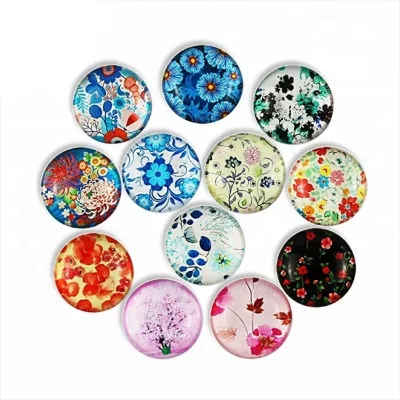


Custom Fridge Magnet Animal Enamel Refrigerator Magnet Metal Aluminium Magnets
$0.20 - $0.80
MOQ: 100 Pieces


Comprehensive Sourcing Guide
Aluminium Block Fridge Magnet Sourcing Guide
The Aluminium Block Fridge Magnet represents a specialized category within promotional and decorative hardware, distinguished by its rigid metallic substrate and high visual impact. Unlike flexible PVC or rubber alternatives, these units offer a premium tactile experience and superior durability for long-term display applications. Procurement teams must recognize that while the core keyword suggests a specific material composition, the actual market listings reveal a diverse range of substrates including PVC, ceramic, and rubber, meaning the "aluminium block" designation often refers to a specific high-end product line rather than the entire category inventory.
Buyers should approach this category with a clear understanding that customization is a primary driver of value, with suppliers offering extensive options for shape, logo application, and surface finishing. The observed product data indicates that customization is widely available, allowing for 3D or 2D embossed, debossed, and printed logos that cater to specific branding needs. However, the presence of varied materials in the supply base necessitates rigorous specification checks to ensure the final product matches the intended aesthetic and functional requirements of the aluminium block variant.
Product Scope and Observed Listing Signals
The product scope for fridge magnets in the current market spans from simple decorative stickers to complex, multi-layered promotional items, with the aluminium block variant occupying the premium segment. Listings indicate that these items are frequently categorized under "Decoration" or "Promotion," serving dual purposes in retail environments and corporate gifting. The observed data highlights that while some products are marketed as non-disposable for long-term use, others are classified as disposable, suggesting a need for buyers to explicitly define the intended lifecycle of the product during the sourcing process.
Visual and functional attributes vary significantly across suppliers, with styles ranging from modern and cartoon designs to elegant and minimalist finishes. The observed color palette includes specific shades like red, lavender, light yellow, grey, green, beige, and white, alongside multicolor options, which allows for tailored brand alignment. Furthermore, the cutting process is a critical differentiator, with suppliers offering die-cut or kiss-cut options that determine the precision of the final shape, whether it be a standard rectangle, a heart shape, or a custom contour.
Technical Specifications to Verify
When verifying technical specifications for aluminium block fridge magnets, the primary focus must be on the magnetic strength and the substrate material integrity. The observed listings confirm that the core material can be metal, PVC, or ceramic, and buyers must explicitly request confirmation that the specific unit ordered utilizes an aluminium block construction rather than a flexible polymer. The magnetic component is often described as a self-adhesive magnet, but for block variants, the bonding strength between the metal face and the magnetic backing is crucial to prevent delamination during handling or shipping.
Surface treatment and ink quality are equally critical, as the durability of the printed design depends on the ink type used. The data indicates that UV-proof and eco-friendly inks are available, which is essential for products that may be exposed to sunlight or require environmental compliance. Additionally, the surface finish should be verified as elegant or smooth, and the logo application method—whether embossed, debossed, or printed—must be confirmed to ensure it meets the desired tactile and visual standards. The shape, whether rectangular or heart-shaped, must also align with the die-cut specifications provided by the manufacturer.
Compliance and Safety Documentation
Compliance and safety documentation for fridge magnets, particularly those intended for promotional use, require careful scrutiny of chemical and physical safety standards. The observed product data lists ROHS, SGS, and CE as potential standards, which are vital for ensuring the product meets international safety requirements regarding hazardous substances and electrical safety, although the latter is less relevant for non-electric magnets. Buyers should verify that the specific aluminium block units they order carry valid certification for the target market, as these standards are not universally applied to every listing in the category.
Environmental and material safety is another key area, with some listings explicitly claiming eco-friendly features and UV-proof properties. While the data mentions "Eco-Friendly" as a feature, buyers must request specific test reports to validate these claims, especially if the product is intended for children or sensitive environments. The packaging materials, which range from bubble bags and OPP bags to plastic boxes and neutral wooden cases, should also be assessed for compliance with local waste disposal regulations and sustainability goals.
Cost Drivers and Commercial Terms
Cost drivers for aluminium block fridge magnets are heavily influenced by the complexity of customization, the choice of material, and the volume of the order. The observed price range of 0.01 to 4 USD suggests a wide variance based on these factors, with higher costs associated with multi-layer designs, complex die-cutting, and premium surface finishes. Buyers should anticipate that the "aluminium block" specification will likely command a higher price point compared to standard PVC or rubber alternatives due to the material cost and the precision required in manufacturing.
Commercial terms such as Minimum Order Quantity (MOQ) and lead times are significant variables that impact the total cost of ownership. The observed MOQ ranges from 1 to 5000 units, offering flexibility for small-scale testing but potentially higher per-unit costs for larger orders. Lead times are noted as punctual, typically ranging from 15 to 25 days, but this can fluctuate based on the customization level and the supplier's current production capacity. Buyers must negotiate clear delivery schedules and payment terms to mitigate the risk of delays, especially when coordinating with tight marketing or event timelines.
Supplier Qualification and Quality Control
Supplier qualification for this category requires a deep dive into their production capabilities and quality assurance processes. The observed data indicates that suppliers are located in China, with specific mentions of Fujian as a production hub, which is a known center for magnet and promotional product manufacturing. Buyers should verify the supplier's ability to handle the specific "aluminium block" production process, ensuring they have the necessary machinery for die-cutting and surface finishing to maintain the "High Class" and "Marvelous" quality standards observed in the listings.
Quality control measures should be established to ensure consistency in color, shape, and magnetic strength across the entire order. The observed product attributes include "High Class" quality and "Elegant" surfaces, but these are subjective claims that must be validated through pre-shipment inspections. Buyers should request samples that match the exact specifications of the final order, including the specific color codes and logo application methods, to verify that the supplier can consistently deliver the expected product quality before committing to a large-scale production run.
Long-Term Procurement Checks
Long-term procurement checks for aluminium block fridge magnets focus on the stability of the supply chain and the consistency of product performance over time. Buyers should establish a system for periodic quality audits to ensure that the supplier maintains the same level of material quality and finishing standards as the initial order. This is particularly important for promotional items that may be distributed over an extended period, where any degradation in print quality or magnetic strength could damage the brand's reputation.
Sustainability and adaptability are also critical for long-term success, as market trends and regulatory requirements evolve. Buyers should monitor the supplier's ability to adapt to new environmental standards and material innovations, ensuring that the product remains compliant and competitive. The observed "Eco-Friendly" and "UV Proof" features suggest a growing demand for durable, sustainable products, and suppliers who can consistently deliver on these fronts will be better positioned to support long-term procurement strategies. Regular communication and performance reviews will help maintain a robust and reliable supply relationship.
FAQs
What materials are used for aluminium block fridge magnets?
These magnets are primarily constructed from metal, specifically aluminum foil, to ensure durability and strong magnetic properties. Some variants may also incorporate PVC or ceramic materials for different aesthetic finishes. The core material choice supports the product's non-disposable nature, making it suitable for long-term decoration and promotional use on refrigerators or office boards.
Can these magnets be customized with a specific logo?
Yes, customization is available for logos, which can be applied in 2D or 3D formats. Options include embossed, debossed, or printed designs to match brand identity. The surface can be treated to be elegant or cartoon-style, and the ink used is UV proof and eco-friendly, ensuring the logo remains vibrant and resistant to fading over time.
What is the typical lead time for production?
The standard delivery time for production is punctual, ranging from 15 to 25 days. This timeframe allows for high-efficiency manufacturing processes while maintaining high-class quality standards. Buyers should account for this period when planning promotional campaigns or inventory restocking, as it ensures the products are ready for shipment within the agreed schedule.
How are the magnets packaged for export?
Packaging options include bubble bags, OPP bags, plastic boxes, or gift boxes for individual units. For bulk shipments, neutral wooden cases or standard export packages are used. The packaging is designed to protect the die-cut or kiss-cut shapes during transit, ensuring the magnets arrive in pristine condition for decoration or promotional applications.
Are these magnets waterproof and eco-friendly?
Yes, the magnets feature waterproof and UV-proof properties, making them durable for various environments. The materials and inks used are eco-friendly, adhering to standards such as ROHS, SGS, and CE. This combination ensures the product is safe for home decoration and memo use while maintaining environmental responsibility and long-term usability.
What shapes and styles are available?
Available shapes include rectangles, heart-shaped designs, and custom die-cut forms. Styles range from modern and cartoon to elegant finishes. The magnets can be produced in various colors such as red, lavender, grey, green, beige, white, black, or multicolor, allowing for versatile decoration and promotional applications that suit different aesthetic preferences.