Source Minimalist Aluminium Curtain Pole for home, hotel, office
Compare 30 listings for the Minimalist Aluminium Curtain Pole to find options with various diameters, finishes, and mounting styles. Buyers can review specifications like anodized or electroplated surfaces and custom sizes for living rooms, hotels, and offices; compare the available evidence and request quotations based on your requirements.
Key considerations
Products List


Durable High Satisfaction Rod Pole Cheap Affordable DIY Hot Sale Curtain Poles
$0.50 - $0.60
MOQ: 100 Pieces

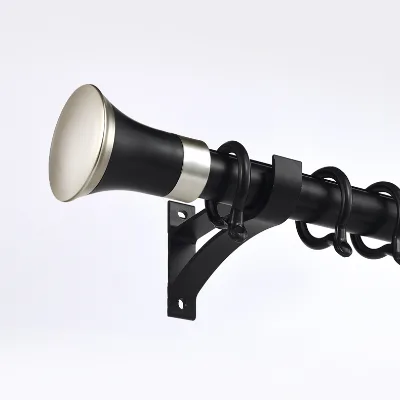


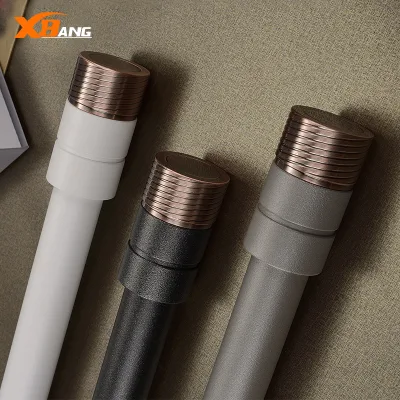


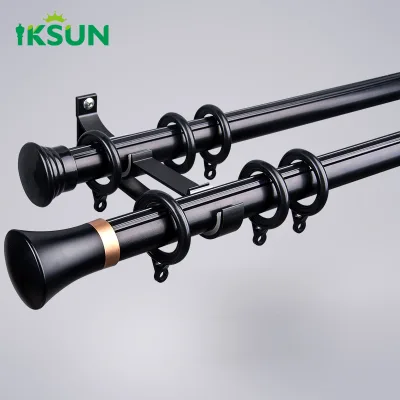


Comprehensive Sourcing Guide
Minimalist Aluminium Curtain Pole Sourcing Guide
The Minimalist Aluminium Curtain Pole serves as a functional architectural element designed for residential and commercial interiors, including living rooms, hotels, offices, and cafes. Sourcing these items requires identifying suppliers who offer round tube profiles that can be customized to specific architectural drawings while maintaining a sleek, unobtrusive aesthetic. Buyers should prioritize vendors who explicitly list the 6000 series alloy, as this grade provides the necessary balance of strength and formability for thin-walled decorative profiles.
Procurement decisions must account for the variety of surface treatments available, such as anodizing, spraying, or electroplating, which directly influence the final visual tone. While some listings indicate a golden or silver finish, the market generally supports custom color requests to match interior design schemes. It is critical to verify that the supplier can deliver single-rod configurations with specific diameters, such as 16mm or 25mm, to ensure the pole meets the intended load-bearing requirements without compromising the minimalist design language.
Product Scope and Observed Listing Signals
Buyers observing the market will encounter a wide price range, typically spanning from $0.18 to $3000, which reflects significant variations in material thickness, finishing complexity, and order volume. The minimum order quantity can vary drastically from a single unit to 6000 pieces, necessitating a clear definition of project scale before engaging with potential manufacturers. This variance suggests that small-scale renovations may require different sourcing strategies compared to large-scale hospitality projects, where bulk pricing and standardized packaging become more relevant.
Listing signals often highlight specific product models like HA-0704-1030 or generic descriptions of curtain tracks and poles, indicating a mix of standardized and bespoke offerings. The presence of accessories such as curtain finials and single brackets is common, but the specific configuration, such as ceiling or wall mounting, must be confirmed against the architectural plan. Buyers should scrutinize packing details, which range from shrinking film and cartons to wooden pallets, to ensure the product arrives without damage during transit, especially for long, slender aluminium tubes.
Technical Specifications to Verify
Technical verification begins with confirming the alloy temper, which typically ranges from T3 to T8, ensuring the material possesses the correct mechanical properties for the intended application. The wall thickness is a critical dimension, often specified as 0.6mm or customized per request, and must be validated against the rod diameter to prevent sagging or structural failure. Buyers should request detailed drawings for custom sizes, as the standard listing often defaults to generic dimensions that may not fit specific window or track systems.
Surface treatment processes, including anodizing and spraying, must be matched to the environmental conditions of the installation site to ensure longevity. The finish quality is paramount for minimalist designs, where any imperfection in the electroplating or coating is immediately visible. Additionally, the rod quantity and bracket type, such as single brackets, must align with the structural load calculations. Verifying that the product origin is from established manufacturing hubs like Shanghai, Zhejiang, or Ningbo can provide assurance regarding the consistency of these technical parameters.
Compliance and Safety Documentation
Compliance documentation for aluminium curtain poles often includes certifications such as CE and ISO, which signal adherence to international quality and safety standards. While specific test results are not always publicly listed, buyers should request evidence of material composition and surface treatment safety to ensure the product is free from harmful substances. The presence of a "China Top 10 Assured Quality Supplier" honor suggests a baseline of reliability, but this should be corroborated with specific product certifications relevant to the destination market.
Safety considerations extend to the installation method, whether ceiling or wall mount, requiring that the brackets and fixing hardware meet local building codes. Buyers must ensure that the supplier provides clear installation guidelines that account for the weight of the curtains and the structural integrity of the mounting surface. Documentation regarding the 100% QC testing process is essential to verify that every batch undergoes rigorous inspection before shipment, minimizing the risk of receiving defective units that could compromise safety during use.
Cost Drivers and Commercial Terms
Cost drivers for minimalist aluminium curtain poles are primarily influenced by the alloy grade, surface treatment complexity, and the degree of customization required. The 6000 series alloy is a standard baseline, but specific temper requirements or custom colors can increase the unit price significantly. Packaging choices, such as the use of wooden pallets versus standard cartons, also impact the final landed cost, particularly for international shipments where freight charges are calculated by volume and weight.
Commercial terms must be negotiated with attention to the minimum order quantity, which can range from one piece to thousands, affecting the per-unit cost structure. Lead times and production schedules should be clarified early, as custom orders involving specific drawings or unique surface finishes may require extended manufacturing windows. Buyers should also consider the service level, such as 24-hour response times, which can be a valuable asset in resolving supply chain disruptions or technical queries during the procurement process.
Supplier Qualification and Quality Control
Supplier qualification should focus on manufacturers who demonstrate a robust quality control framework, such as the 100% QC testing mentioned in many listings. It is advisable to verify that the supplier has a history of producing aluminium alloy products for diverse sectors, including hotels and offices, to ensure they understand the varied demands of the market. The origin of the product, whether from Shanghai, Zhejiang, or Ningbo, can serve as a proxy for the maturity of the local supply chain and the availability of skilled labor.
Quality control protocols must be explicitly defined in the purchase agreement, covering everything from raw material inspection to final packaging. Buyers should request samples to verify the finish quality, specifically checking for consistency in anodized or sprayed surfaces. The supplier's ability to provide custom packing solutions, such as shrinking film or protective paper, is also a key indicator of their attention to detail and commitment to delivering products in pristine condition upon arrival.
Long-Term Procurement Checks
Long-term procurement success depends on establishing a relationship with a supplier capable of maintaining consistent quality over multiple production runs. Buyers should monitor the supplier's ability to adhere to the specified alloy standards and temper grades, as deviations can lead to performance issues over time. Regular audits or sample checks are recommended to ensure that the surface treatments and dimensions remain within the agreed-upon tolerances throughout the contract period.
Sustainability and supply chain resilience are also critical factors for long-term planning. Buyers should assess the supplier's capacity to scale production up or down based on fluctuating market demands without compromising quality. The availability of after-sales support, including the provision of replacement parts like finials or brackets, ensures that the installation remains functional for years. Maintaining open communication channels allows for quick resolution of any issues that arise, securing the integrity of the procurement strategy.
FAQs
What materials are used for minimalist aluminium curtain poles?
The poles are manufactured from 6000 series aluminum alloy, providing a lightweight yet durable structure for residential and commercial use. This material choice ensures resistance to corrosion and bending, making it suitable for long-term installation in various indoor environments without compromising aesthetic appeal or structural integrity.
Can I customize the size and thickness of the poles?
Yes, customization is available for both size and thickness according to your specific project drawings or requirements. You can request specific dimensions to ensure a perfect fit for your window or wall space, allowing for tailored solutions that meet precise architectural or interior design specifications for optimal functionality.
What surface treatments are applied to the aluminium poles?
The poles undergo anodized surface treatment to enhance durability and visual appeal. This process creates a protective layer that resists wear and corrosion. Additionally, options like electroplating or spraying are available, allowing you to select finishes such as golden or silver to match your interior decor style effectively.
What certifications do the curtain pole suppliers hold?
Suppliers typically hold CE and ISO certifications, ensuring compliance with international quality and safety standards. These credentials verify that the manufacturing processes meet rigorous requirements for material quality and production consistency, providing buyers with confidence in the reliability and safety of the sourced aluminium curtain pole products for global distribution.
How are the curtain poles packaged for shipping?
Poles are securely packed using shrinking film, plastic, and kraft paper to prevent damage during transit. They are then placed in cartons and loaded onto wooden pallets for stability. This robust packaging method ensures that the products arrive in pristine condition, ready for immediate installation or further distribution to end users.
What is the minimum order quantity for these poles?
The minimum order quantity ranges from 1 to 6000 pieces, offering flexibility for both small sample orders and large bulk purchases. This wide MOQ range accommodates various business needs, allowing buyers to test market demand with smaller quantities or secure significant inventory for large-scale projects without excessive upfront commitment.