Source Chinese Style Ceramic Vase for Home Decor and Gifts
Compare 30 Chinese Style Ceramic Vase options from verified manufacturers. Buyers can review dimensions, colors, and customization features for kitchen, restaurant, and gift applications. These items include round, conical, and rectangular shapes with solid or distressed white finishes. Many suppliers offer OEM and ODM services with customizable logos and packaging options to meet specific requirements.
Key considerations
Products List
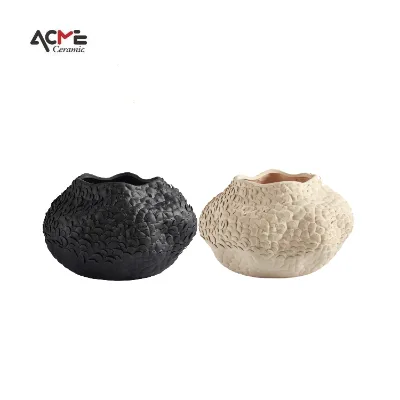
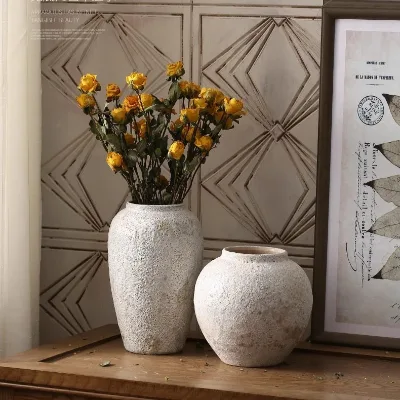


Modern Ceramic Art Vase Ceramic Hand Flower Vase Unique Gift Porcelain Vase
$1.00 - $3.00
MOQ: 3000 Pieces

Chinese Factory Small Indoor Vase Green Plant Vase Custom Color Size Ceramic Flower Vase
$0.75 - $3.00
MOQ: 3000 Pieces


Black Decorative Vase Custom Color Ceramic Tall Vase Modern Flower Vase
$1.00 - $3.00
MOQ: 3000 Pieces

Round Ceramic Decorative Vase Custom Gift Flower Vase Modern Ceramic Vase
$1.00 - $3.00
MOQ: 3000 Pieces


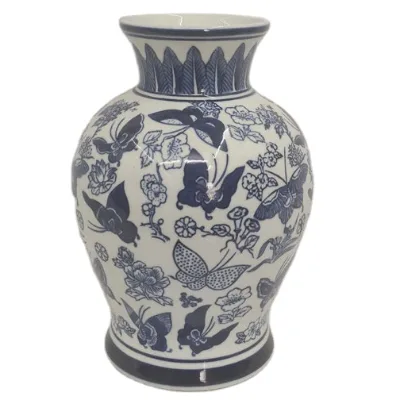
Flower Vase Blue and White Ceramic, New, Vintage, Chinese, Decorative Home
$9.01 - $33.45
MOQ: 300 Minimum


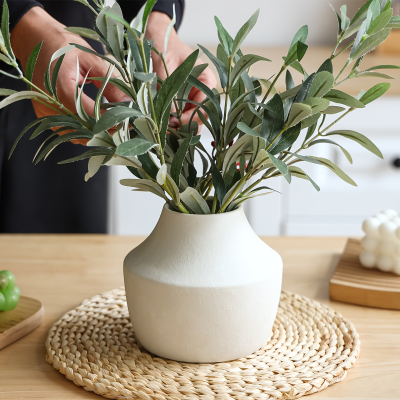

Handmade Chinese New Ceramic & Porcelain Vases Japanese Style Antique Ceramic
$12.00 - $28.00
MOQ: 1 Pieces




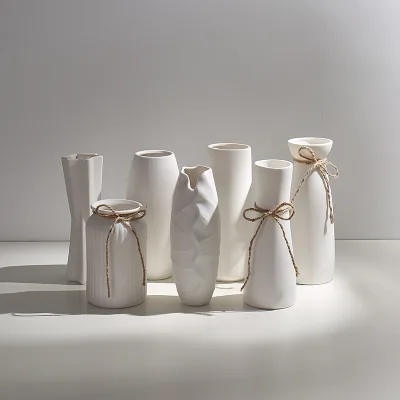
Ceramic Vase Set Simple White Unglazed Ceramic Vase Crafts Decoration Ornaments
$2.70 - $2.80
MOQ: 100 Pieces


Comprehensive Sourcing Guide
Chinese Style Ceramic Vase Sourcing Guide
Chinese style ceramic vases occupy a distinctive position in home décor procurement because they combine functional value with cultural and aesthetic appeal. For B2B buyers, these products span a wide commercial spectrum: mass-market decorative pieces sold at accessible price points alongside hand-finished statement vases that command premium pricing. The listings observed in this category include ceramic vases in distressed white, multicolor, and classic finishes, in shapes ranging from round and conical to rectangular and modern silhouettes, which signals a category broad enough to support both curated retail assortments and diversified wholesale catalogs.
Before committing to a program, buyers should define which segment they are targeting. A gift-oriented assortment values packaging quality and single-piece presentation, while a table centerpiece or vase-set program prioritizes dimensional consistency across pieces. Listings in this dataset explicitly reference applications including vase sets, table centerpieces, gifts, and decorative use, with scenario notes covering kitchen, restaurant, market, gift, and promotion channels. Matching your channel to the right product configuration early prevents costly respecification later, particularly when customization and OEM/ODM development are part of the sourcing plan.
Product Scope and Observed Listing Signals
The observed listings reveal a category defined by variety in both form and finish. Material is consistently ceramic, with the theme "Flowers" and "Solid" pattern types appearing across items. Color options span Black, Pink, multiple White variants, Distressed White, Multicolor, and Transparent, giving buyers genuine assortment flexibility. Shapes include Round, Conical, Modern, and Rectangular, and piece counts range from single vases to two-piece sets. Observed dimensions vary considerably, from compact items around 4.13"L x 2.95"W x 7.72"H to larger statement pieces such as Top Dia. 18.5 x H26.5cm and 14x21.5cm H formats, so profile selection materially affects freight and shelf presentation.
Commercial signals are equally informative. Observed listed prices range from 0.75 to 38 USD, and MOQs span 1 to 3000 units, indicating that the category serves both small bespoke orders and high-volume retail programs. Several listings flag Customization as available, OEM as the manufacturer type, ODM as the development route, and note that logos can be customized — strong signals for buyers building private-label programs. Origin is listed as China, and quality standards in listings reference A-B grade or buyer-specified requirements, so grade definitions should be contractually pinned down before sampling proceeds.
Technical Specifications to Verify
Dimensional accuracy is the first technical checkpoint. Observed product standards include formats such as L9.8xW9.6xH21cm, 2"L x 3.5"W x 8.5"H, 3"L x 3"W x 10"H, and Top Dia. 2xW7.5xH13.5cm, which shows how tightly specified some listings are. Buyers should confirm tolerances for height, mouth diameter, and base diameter in writing, because ceramic shrinkage during firing can shift dimensions between production runs. Weight is another verified attribute: observed listings cite item weights of 1 pound, 1.6 pounds, and 3.08 pounds, and one single piece at 560g. Confirm whether stated weights are per piece or per set, and request a weighing protocol for incoming inspection.
Beyond dimensions, verify glaze finish, color consistency against an approved master sample, and stability on flat surfaces — particularly for conical and modern-shaped profiles that may have smaller footprints. For multi-piece sets (observed as 2-piece configurations), confirm that paired vases are matched for color and proportion. Packaging is a technical spec too: observed packing methods include Brown Box, Color Box, and Carton. Specify drop-test expectations for the chosen packing format, since glazed ceramic is fragile and retail-ready color boxes offer less protection than double-carton export packing.
Compliance and Safety Documentation
Ceramic tableware-adjacent décor can trigger food-contact and heavy-metal questions even when sold purely as decoration, so buyers should clarify intended use classification up front. Listings in this dataset reference Certification: ISO and Factory Audit: BSCI and FSC, which suggests buyers should request copies of the supplier's ISO certificate, verify its scope (manufacturing system versus product certification), and confirm whether BSCI audit reports are current rather than expired. Treat these as documents to obtain and validate, not as assumptions that every listed product carries them.
For ceramic glazes, the practical documentation set includes a declaration of glaze composition, lead and cadmium release test reports where any food or water contact is plausible, and a REACH-relevant declaration of substances if goods ship to Europe — though REACH status should be confirmed with the supplier rather than presumed. Buyers should also request material safety data for any decorative coatings, paints, or distressed finishes, since distressed white and multicolor finishes involve layered pigment work. Finally, ask for the quality standard basis in writing: listings reference "A-B Grade, or According to Your Requirements," so define acceptable defect levels — pinholes, glaze crazing, chips, color deviation — in a signed AQL-style inspection standard before mass production begins.
Cost Drivers and Commercial Terms
Price dispersion in this category is wide, with observed listings from 0.75 to 38 USD, and understanding the drivers behind that spread protects margin. Size and weight dominate: a 10-inch vase weighing over three pounds costs significantly more in material, firing, and freight than a compact 13.5cm piece. Finish complexity is the second driver — solid single-color glazes are cheaper than distressed, multicolor, or hand-painted flower motifs, which require more labor and higher reject rates. Third, customization adds cost: OEM production, ODM development, custom logos, and custom product standards each carry tooling, sampling, and minimum-order implications that must be quoted separately.
Commercial terms deserve equal scrutiny. With MOQs observed from 1 to 3000 units, negotiate MOQ per SKU rather than per order, especially when building a multi-color or multi-shape assortment. Confirm what the quoted price includes — color box versus brown box versus carton packing changes unit cost materially, and packaging is listed as a variable across these products. Request FOB pricing with inland transport, export documentation, and packing costs itemized, and clarify payment structure, sample cost, and whether custom tooling or molds carry amortization or refund conditions at volume. Finally, lock re-order pricing and a price-validity window to avoid mid-season increases.
Supplier Qualification and Quality Control
Supplier qualification for ceramic vases should combine document review with physical verification. Start with the paperwork signals already present in listings: ISO certification, BSCI factory audit, and FSC references should each be requested, checked for validity dates and scope, and cross-checked against the actual production entity name. Confirm the supplier's stated manufacturer type — OEM capability, ODM development, and customization availability — by asking for evidence such as past custom projects, in-house design or molding capability, and a sample development timeline. A supplier claiming ODM support should be able to take a sketch or reference photo to a physical prototype.
Quality control then shifts to the product level. Approve a golden sample covering glaze color, finish texture, dimensions, and weight, and retain sealed reference samples for both parties. Define inspection checkpoints: pre-production sample sign-off, during-production checks for glaze defects and dimensional drift, and a final random inspection against agreed AQL levels before shipment. For fragile ceramic, verify packing performance — carton integrity, internal dividers, and drop resistance — since damage claims are the most common post-shipment dispute in this category. Document defect classification (critical, major, minor) so inspection results are enforceable rather than subjective.
Long-Term Procurement Checks
Sustained sourcing value in this category comes from treating the first order as the start of a managed program rather than a transaction. Establish an annual requalification rhythm: refresh factory audit documents such as BSCI reports, confirm ISO certification remains active, and request updated declarations for any glaze or substance compliance documentation originally supplied. Track consistency between re-orders and the approved golden sample by keeping retained samples and comparing incoming goods on color, weight, and dimensions each season — ceramic production naturally varies, and drift should be caught before customers see it.
Product and program evolution also matters. Listings in this dataset show ODM development capability and customized product standards, which means a qualified supplier can extend your assortment with new shapes, sizes, and finishes over time; feed this with structured seasonal briefs rather than ad-hoc requests. Monitor packaging and packing standards (brown box, color box, carton) as your retail channels change, since gift-channel products need presentation-grade packing while volume programs favor carton efficiency. Finally, maintain a documented scorecard covering defect rates, on-time delivery, communication responsiveness, and pricing stability, and use it in annual negotiations to keep terms competitive as volumes grow.
FAQs
What are the common shapes for chinese style ceramic vases?
Common shapes include round, conical, and rectangular forms. These variations allow buyers to select designs that match specific interior themes or display requirements. The product range supports both traditional and modern aesthetic preferences for diverse commercial applications.
Can chinese style ceramic vases be customized with logos?
Yes, logo customization is available for these ceramic vases. Buyers can request specific branding elements to be applied to the product surface. This service supports private label needs and helps distinguish products in retail or promotional settings.
What packaging options are available for chinese style ceramic vases?
Packaging options include brown boxes, color boxes, and standard cartons. The choice of packaging depends on the intended use, such as retail display or bulk shipping. Buyers should specify their preferred packaging type during the order process to ensure proper protection.
What is the typical MOQ for chinese style ceramic vases?
The minimum order quantity ranges from 1 to 3000 units. This wide range allows both small-scale testing and large-volume production runs. Buyers should confirm the specific MOQ for their desired customization level and packaging configuration with the supplier.
What certifications are associated with Chinese Style Ceramic Vase suppliers?
Suppliers may hold BSCI and FSC factory audit standards. These certifications indicate compliance with social and environmental management systems. Buyers should verify current certification status directly with the manufacturer to ensure it meets their specific compliance requirements.
What are the standard dimensions for chinese style ceramic vases?
Dimensions vary by model, with examples including 14x21.5cm height and 18.5x26.5cm top diameter. Other sizes include 9.8x9.6x21cm and 4.13x2.95x7.72 inches. Buyers should select dimensions based on their display space and intended usage context.
What materials are used in chinese style ceramic vases?
The primary material is ceramic, which provides durability and a smooth finish suitable for decorative use. Some variations may feature distressed white or multicolor patterns. The material choice supports both functional and aesthetic requirements for home and commercial settings.