Source Aluminium Roof Hatch for Offices, Hotels, and Homes
Compare 24 Aluminium Roof Hatch options from verified Chinese suppliers. Buyers can evaluate moisture-proof, fireproof, and soundproof ceiling tiles with customizable sizes and modern artistic designs for office, hotel, and household applications; compare the available evidence and request quotations based on your requirements.
Key considerations
Products List

$4.50 - $5.00
MOQ: 1 Pieces


$200.00 - $500.00
MOQ: 100 Pieces


$200.00 - $500.00
MOQ: 100 Pieces




Comprehensive Sourcing Guide
Aluminium Roof Hatch Sourcing Guide
Procuring aluminium roof hatches requires a strategic approach that balances structural integrity with environmental resilience. These components serve as critical access points for maintenance, inspection, and emergency egress in commercial and residential buildings. Buyers must prioritize materials that offer high oxidation resistance and corrosion protection, ensuring longevity in exposed conditions. The selection process involves evaluating specific design features such as powder-coated covers and maximum opening angles, which directly impact usability and safety. Understanding these core attributes helps procurement teams align product specifications with the architectural demands of the project.
The sourcing landscape for aluminium roof hatches is diverse, with manufacturers offering customizable solutions to meet unique site requirements. Key considerations include the type of locking mechanisms, such as three-point locks, which enhance security and weather sealing. Additionally, the integration of these hatches into existing roof structures demands precise dimensional accuracy and compatible installation methods. Buyers should focus on suppliers who provide OEM capabilities and flexible packaging options to protect the product during transit. This guide outlines the essential steps for verifying technical specifications, ensuring compliance, and managing commercial terms effectively.
Product Scope and Observed Listing Signals
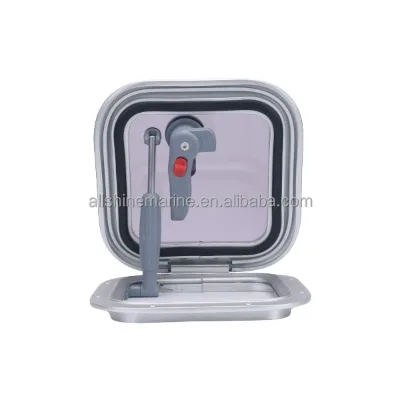
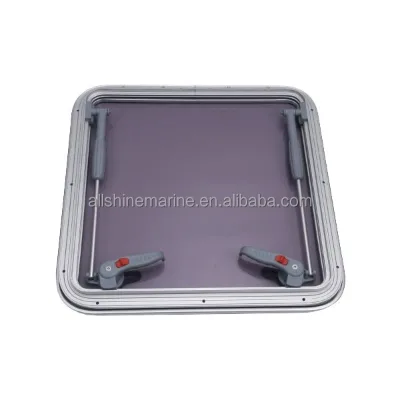
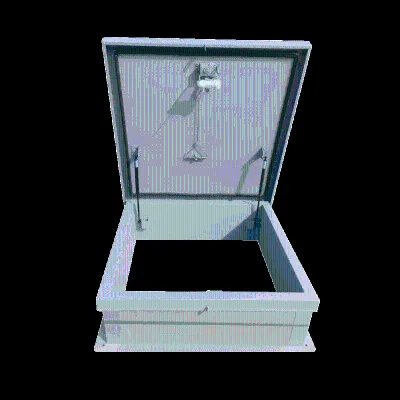
The market for aluminium roof hatches presents a wide range of product variations, primarily defined by material composition and functional design. Observed listings indicate that products are typically constructed from aluminium alloy, chosen for its lightweight nature and durability. Key features often include powder-coated covers for enhanced aesthetic appeal and performance, along with high oxidation resistance to withstand harsh weather conditions. The maximum opening angle is a critical specification, with some models supporting up to 78 degrees for ease of access. Buyers should verify these physical attributes against their specific operational needs, ensuring the hatch provides sufficient clearance and structural support.
Customization is a prevalent trend in this category, allowing buyers to tailor dimensions and finishes to project-specific requirements. Standard sizes may vary, but many suppliers offer customer-sized options to fit irregular roof openings or specialized architectural designs. The surface treatment often involves spray coating or flat finishes, which contribute to both visual consistency and protective qualities. Additionally, the inclusion of robust locking mechanisms, such as three-point locks, is a common feature that enhances security. Procurement teams should review these observed signals to identify products that align with their functional and aesthetic expectations, avoiding generic solutions that may not meet precise engineering standards.
Technical Specifications to Verify
Verifying technical specifications is paramount to ensuring the roof hatch meets structural and functional requirements. Buyers must confirm the material grade, typically aluminium alloy, and assess the thickness of the panels to guarantee durability. Surface treatments, such as powder coating or spray coating, should be evaluated for their ability to provide corrosion protection and aesthetic longevity. The maximum opening angle, often cited around 78 degrees, is a crucial metric for usability, allowing for easy access while maintaining a secure seal. Additionally, the type of locking mechanism, such as a three-point lock, must be inspected to ensure it provides adequate security and weather resistance.
Dimensional accuracy and compatibility with existing roof structures are equally important technical considerations. Buyers should verify the available standard sizes, such as 60x60 cm or 120x120 cm, or confirm if custom dimensions are supported. The installation method, whether it involves steel frames or other mounting systems, must be clearly defined to prevent integration issues. Furthermore, the weight of the hatch and its hinges should be assessed to ensure the roof structure can support the load without reinforcement. Detailed technical drawings and load-bearing capacity data should be requested from suppliers to validate these specifications before finalizing procurement decisions.
Compliance and Safety Documentation
Compliance with safety and environmental standards is essential for aluminium roof hatches, particularly in commercial and public buildings. Buyers should request documentation verifying that the product meets relevant building codes and safety regulations for access hatches. Certifications such as RoHS and ISO9001 indicate adherence to quality management and environmental standards, providing assurance of consistent manufacturing practices. Additionally, suppliers may provide test reports on fire resistance, soundproofing, and moisture-proofing capabilities, which are critical for maintaining building integrity and occupant safety. These documents serve as proof that the product has undergone rigorous testing and meets industry benchmarks.
Safety features, such as secure locking mechanisms and stable hinge systems, must be documented to ensure reliable operation. Buyers should verify that the hatch design includes features that prevent accidental closure or unauthorized access, enhancing overall site security. Documentation regarding the corrosion protection performance of the powder-coated finish is also vital, especially for installations in coastal or high-humidity environments. Suppliers should provide clear instructions for maintenance and inspection to ensure long-term compliance and safety. By prioritizing comprehensive documentation, procurement teams can mitigate risks and ensure that the installed hatches meet all regulatory and safety requirements.
Cost Drivers and Commercial Terms
Several factors influence the cost of aluminium roof hatches, including material quality, customization level, and order volume. The use of high-grade aluminium alloy and advanced surface treatments like powder coating can increase production costs but offer superior durability. Custom dimensions and specialized features, such as unique locking mechanisms or specific opening angles, may also impact pricing. Buyers should negotiate based on the total cost of ownership, considering factors like maintenance requirements and lifespan, rather than focusing solely on the initial purchase price. Understanding these cost drivers helps in making informed decisions that balance budget constraints with performance expectations.
Commercial terms, such as minimum order quantities (MOQ) and lead times, vary among suppliers and should be carefully evaluated. Some suppliers may offer flexible MOQs, starting from a single unit, while others may require larger orders for cost efficiency. Lead times can range from a few days to several weeks, depending on the complexity of the order and production capacity. Buyers should clarify payment terms, shipping methods, and packaging requirements to avoid unexpected costs or delays. Additionally, understanding the supplier’s sample policy and return procedures can provide valuable insights into their commitment to quality and customer satisfaction, ensuring a smooth procurement process.
Supplier Qualification and Quality Control
Qualifying suppliers for aluminium roof hatches involves assessing their manufacturing capabilities, quality control processes, and track record. Buyers should verify that suppliers have established quality management systems, such as ISO9001 certification, to ensure consistent product quality. Inspecting the supplier’s production facilities and reviewing their quality control protocols can provide insights into their ability to meet specifications. Additionally, suppliers should demonstrate experience in producing custom hatches, with a portfolio of successful projects in similar environments. This due diligence helps mitigate the risk of receiving substandard products and ensures that the supplier can deliver on time and within budget.
Quality control measures should extend from raw material inspection to final product testing. Buyers should request evidence of material certifications and test reports for key performance indicators, such as corrosion resistance and structural integrity. Suppliers should also provide clear documentation of their packaging methods, such as foam and carton or plywood boxes, to protect the product during transit. Establishing a clear communication channel for addressing quality issues and requesting replacements or repairs is essential. By prioritizing suppliers with robust quality control systems, buyers can ensure that the aluminium roof hatches meet their performance and durability requirements.
Long-Term Procurement Checks
Long-term procurement success for aluminium roof hatches depends on establishing strong supplier relationships and implementing regular performance reviews. Buyers should conduct periodic audits of supplier performance, focusing on delivery times, product quality, and responsiveness to issues. Maintaining open communication channels allows for timely resolution of any problems that arise during installation or operation. Additionally, buyers should stay informed about industry trends and technological advancements that may offer improved products or cost-saving opportunities. This proactive approach ensures that the procurement strategy remains aligned with evolving project needs and market conditions.
Regular maintenance and inspection of installed hatches are crucial for ensuring long-term performance and safety. Buyers should develop a maintenance schedule that includes checking locking mechanisms, hinges, and surface coatings for signs of wear or damage. Providing suppliers with feedback on product performance can help them improve their offerings and address any recurring issues. Furthermore, buyers should consider the availability of spare parts and replacement components to minimize downtime in case of failure. By focusing on long-term relationships and continuous improvement, procurement teams can maximize the value and reliability of their Aluminium Roof Hatch investments.
FAQs
What certifications do the aluminium roof hatches have?
The products hold RoHS, ISO9001, CIS, and Soncap certifications. These standards ensure compliance with international safety and quality requirements for ceiling and hatch applications in various commercial and residential settings.
Can I customize the size and color of the hatch?
Yes, customization is available for both size and color. Buyers can request specific dimensions like 600mm by 600mm or 1000mm by 1000mm, and choose from white, grey, or other customized color options to match their design needs.
What is the minimum order quantity for these hatches?
The minimum order quantity is typically 10 pieces or 1 unit depending on the specific product model. This flexible MOQ allows buyers to test the market or fulfill small project requirements without excessive inventory commitments.
How long does it take to receive the order?
The lead time is generally within 10 days for standard orders. This quick turnaround supports urgent project schedules while maintaining quality control during the manufacturing and packaging processes in Zhejiang, China.
What materials are used for the roof hatch construction?
The hatches are constructed from high-quality aluminum alloy with high oxidation resistance. This material ensures durability, moisture-proofing, and fireproof properties suitable for offices, hotels, and dust-free rooms requiring long-term performance.
What is the maximum opening angle for the hatch?
The maximum opening angle reaches 78 degrees for easy access and ventilation. This feature facilitates maintenance and cleaning while ensuring the cover remains securely in place during normal operation conditions.
How are the products packaged for shipping?
Products are packed using shrink bags, cartons, foam, and wooden cases as needed. This robust packaging protects the aluminum alloy surface from damage during transit and ensures safe delivery to international destinations.