Source Aluminum And Copper Tube Butt Bonding Machine for HVAC
Find and compare 30 Aluminum And Copper Tube Butt Bonding Machine models from global suppliers. Evaluate specifications like UN3 series capacities, power options, and cooling methods to select the right resistance welder for your manufacturing needs.
Key considerations
Products List


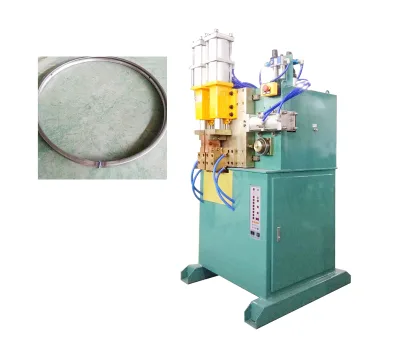
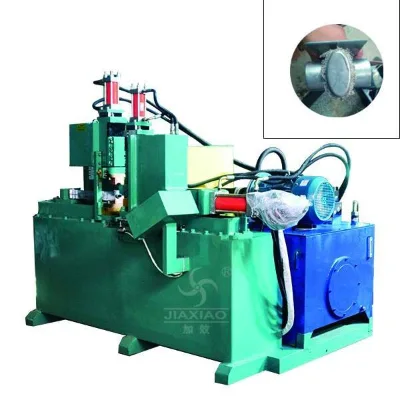

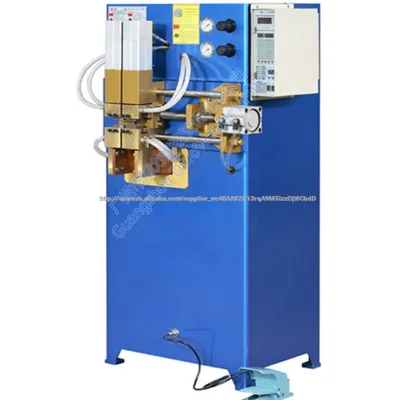


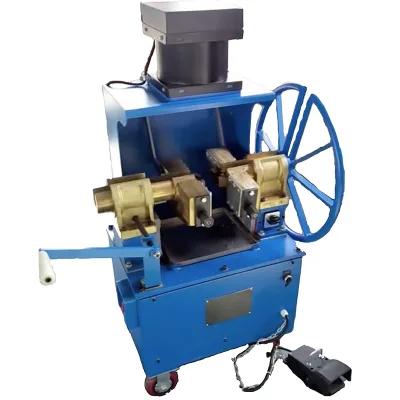

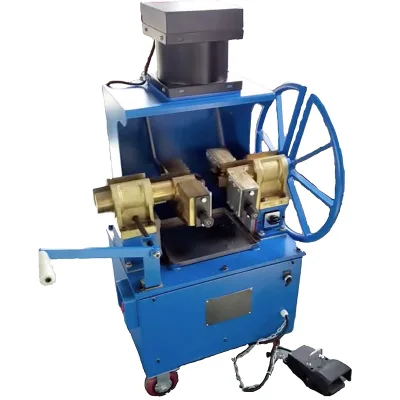
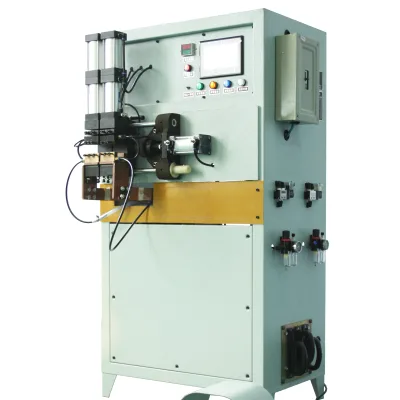
Copper & Aluminum Tube Resistance Butter Welding Machine for Refrigerators
$14407.19 - $15436.27
MOQ: 1 sets


Comprehensive Sourcing Guide
Aluminum And Copper Tube Butt Bonding Machine Sourcing Guide
Selecting the right resistance butt welding equipment for aluminum and copper tubes requires a careful balance of technical precision, commercial terms, and supplier reliability. These machines are specialized industrial assets designed to join metal tubes end-to-end using high-current resistance heating, a process critical in HVAC, refrigeration, and general manufacturing sectors. Buyers must navigate a market where specifications vary significantly by model, power rating, and intended application, making it essential to verify every claim against actual machine capabilities rather than relying on generic marketing descriptions.
This guide provides a structured approach to sourcing these machines, focusing on the observable data points and industry standards relevant to procurement professionals. By understanding the core technical parameters, compliance requirements, and cost drivers, buyers can mitigate risk and ensure that the selected equipment meets their production volume and quality standards. The following sections detail the specific attributes, verification steps, and commercial considerations necessary for a successful procurement cycle.
Product Scope and Observed Listing Signals
The market for aluminum and copper tube butt bonding machines is characterized by a wide range of power capacities and physical configurations, reflecting the diverse needs of different manufacturing environments. Observed listings indicate a price range from approximately $1,000 to $600,000 USD, which suggests a significant variance in machine sophistication, automation level, and brand origin. Minimum Order Quantities (MOQ) are typically low, ranging from 1 to 2 units, allowing for flexible procurement strategies for both small workshops and large-scale industrial facilities. This variability underscores the importance of defining precise operational requirements before engaging with suppliers to avoid over-specifying or under-specifying the equipment.
Product attributes observed in current listings highlight key differentiators such as control systems, cooling methods, and frequency ranges. Many units feature automatic or semi-automatic control systems, which enhance consistency and reduce labor intensity, while water cooling is a standard feature to manage the high thermal loads generated during the welding process. The electric current is predominantly Alternating Current (AC), with power supplies typically rated between 380V and 480V AC at 50/60Hz. Buyers should note that while some listings mention specific frequency ranges like intermediate, low, or high frequency, these terms can be ambiguous; therefore, verifying the actual electrical characteristics and their impact on weld quality is crucial for compatibility with existing factory infrastructure.
Technical Specifications to Verify
When evaluating technical specifications, the rated capacity of the transformer is a primary determinant of the machine’s ability to handle specific tube diameters and material types. Observed models range from 25kVA to 200kVA, with common configurations including UN3-50KVA, UN3-75KVA, UN3-100KVA, and UN3-150KVA variants. The welding range for tube diameters is also a critical specification, with some machines designed for aluminum tubes between 4.0mm and 25.05mm, and copper tubes starting at 4.0mm. Buyers must ensure that the selected model’s capacity aligns with their maximum tube diameter requirements, as exceeding the rated capacity can lead to poor weld quality or equipment damage.
Physical dimensions and mechanical adjustments are equally important for integration into existing production lines. The horizontal cylinder space is often adjustable, with observed ranges from 5mm to 100mm, allowing for flexibility in handling different tube lengths and clamping configurations. The clamping cylinder space is typically fixed, with some models specifying a 30mm range. Additionally, the overall size of the machine, such as 150100180cm or 12006001500mm, impacts floor space planning and installation logistics. Buyers should verify these dimensions against their facility layout and ensure that the machine’s power supply requirements, including voltage and frequency, match their local electrical standards.
Compliance and Safety Documentation
Compliance with international and regional safety standards is non-negotiable for industrial welding equipment, ensuring operator safety and legal market access. Observed listings frequently cite certifications such as CCC, ISO, CE, and UL, which indicate adherence to specific electrical and mechanical safety protocols. However, the presence of these marks does not guarantee universal compliance; buyers must verify that the specific model and serial number are certified for their target market. For instance, CE marking is essential for European markets, while UL certification is critical for North American operations. Relying on generic claims without verifying the validity of the certification for the specific unit can lead to significant regulatory and insurance complications.
Documentation should also include detailed electrical schematics, operational manuals, and maintenance guidelines that align with the machine’s specific model number. The origin of the machine, whether from Guangzhou, China, or other locations, can influence the availability and language of technical support and documentation. Buyers should request copies of the compliance certificates and cross-reference them with the issuing bodies to ensure authenticity. Furthermore, understanding the warranty terms, which are often listed as one year, is vital for long-term operational planning and budgeting for potential repairs or replacements.
Cost Drivers and Commercial Terms
The cost of aluminum and copper tube butt bonding machines is influenced by several factors, including power capacity, automation level, and included accessories. Higher kVA ratings and more advanced control systems typically command higher prices, reflecting the increased complexity and performance capabilities. The observed price range of $1,000 to $600,000 USD highlights the disparity between basic manual units and fully automated, high-capacity systems. Buyers should analyze the total cost of ownership, including energy consumption, maintenance requirements, and potential downtime, rather than focusing solely on the initial purchase price.
Commercial terms such as packaging, shipping, and payment conditions also play a significant role in the overall procurement cost. Observed packaging methods include plywood boxes, angle iron frames with wooden sheets, and wooden cases, which vary in protection level and shipping volume. These packaging choices can impact freight costs and the risk of damage during transit. Buyers should negotiate clear terms regarding delivery responsibilities, insurance coverage, and installation support. Additionally, understanding the supplier’s return policy and after-sales service commitments is essential for managing risk and ensuring long-term operational continuity.
Supplier Qualification and Quality Control
Supplier qualification is a critical step in mitigating procurement risk, requiring a thorough assessment of the manufacturer’s capabilities and track record. Buyers should verify the supplier’s production facilities, quality control processes, and history of delivering similar equipment. The origin of the machine, whether from China or other regions, can provide insights into the manufacturing ecosystem and supply chain reliability. However, geographic origin alone is not a definitive indicator of quality; buyers must rely on tangible evidence such as factory audits, customer references, and performance data from existing installations.
Quality control measures should be explicitly defined in the purchase agreement, including pre-shipment inspection protocols and acceptance criteria. Buyers should request detailed test reports or demonstration videos that show the machine welding tubes of the specified diameter and material. Verifying the consistency of weld quality under various operating conditions is essential to ensure that the machine meets production standards. Additionally, assessing the supplier’s technical support infrastructure, including the availability of spare parts and remote troubleshooting capabilities, is crucial for minimizing downtime and maintaining production efficiency.
Long-Term Procurement Checks
Long-term procurement success depends on establishing a robust framework for ongoing supplier performance monitoring and equipment maintenance. Buyers should implement regular reviews of machine performance, including weld quality consistency, energy efficiency, and maintenance frequency. Tracking these metrics over time can help identify potential issues early and facilitate proactive maintenance planning. Establishing a clear communication channel with the supplier for technical support and spare parts ordering is essential for ensuring that the equipment remains operational and efficient throughout its lifecycle.
Furthermore, buyers should stay informed about technological advancements and industry standards that may impact their current equipment. As regulations evolve and new welding technologies emerge, having a flexible procurement strategy allows for timely upgrades or replacements. Building a strong relationship with the supplier can also provide access to early information about new models or improved features that may enhance production capabilities. By maintaining a proactive approach to supplier management and equipment maintenance, buyers can maximize the return on investment and ensure sustained operational excellence.
FAQs
What customization options are available for this machine?
Customization is available for this resistance butt welder to meet specific production needs. Buyers can request tailored specifications for models like the UN3 series, ensuring the equipment fits unique operational requirements without compromising on standard certifications like CCC or CE.
Which power supply voltage does the machine require?
The machine requires a power supply of 380 to 480V AC at 50 or 60Hz. This electrical current specification ensures compatibility with industrial power grids, supporting models ranging from 50kVA to 200kVA rated capacity for various welding applications.
Can the machine weld both aluminum and copper tubes?
Yes, the machine is designed to weld aluminum tubes ranging from 4.0 to 25.05mm and copper tubes starting at 4.0mm. It functions as a resistance welder suitable for the refrigeration industry and air conditioning applications requiring precise butt bonding.
What certifications do these welding machines hold?
These machines hold certifications including CCC, ISO, CE, and UL depending on the specific model configuration. Compliance with these standards ensures safety and quality, with origins traced to manufacturers in Guangzhou, China, and other locations in the USA and China.
How is the machine packed for shipping?
The machine is packed in a plywood box, wooden case, or an angle iron frame with human-made wooden sheet box. This robust packaging protects the equipment during transit, ensuring it arrives safely for installation in industrial settings.
What is the warranty period for this equipment?
The equipment comes with a one-year warranty covering manufacturing defects and operational issues. This warranty applies to the resistance welders and provides buyers with assurance regarding the reliability and durability of the UN3 series machines.
Which frequency range does the welding process use?
The welding process utilizes intermediate, low, or high frequency ranges depending on the specific machine model selected. This flexibility allows the equipment to handle various tube diameters and materials effectively within the specified welding range of up to 315mm.