Source Aluminum Alloy Tire Spike Killer for Road Safety
Find and compare 30 Aluminum Alloy Tire Spike Killer options for vehicle access control, perimeter security, and emergency roadblocks. Evaluate specifications like voltage, material, and customization to select the right road safety equipment for your facility; compare the available evidence and request quotations based on your requirements.
Key considerations
Products List


Spikes to The Road Used Hydraulic Tire Killer Automatic Tyre Killer Spike Barrier Tire Killer
$1066.00 - $1332.00
MOQ: 1 Meters

Ankuai Automatic RC Spiked Tire Killer Tyre Tyre Deflat Spike Killer Spike Road Barrier Safety
$1859.00 - $1999.00
MOQ: 1 Pieces


Cost-Effective Hydraulic Spike Tyre Barrier Road Vehicle Control Siked Tyre Killer
$1066.00 - $1332.00
MOQ: 1 Meters
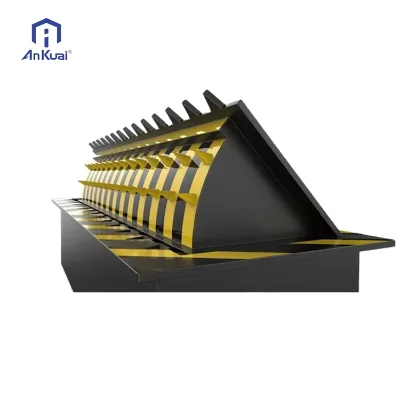


Tire Killer Heavy Loading Capacity Security Steel Road Ground Tire Killer Tire Spikes
$509.00 - $539.00
MOQ: 1 Sets


Portable Case Packing Retractable Tyre Killer, Road Safety Stinger Spike Strips
$509.00 - $539.00
MOQ: 1 Sets

User-Friendly Remote Control Spike Roadblock Strips Hydraulic One/Two Way Tyre Spike Killer
$509.00 - $539.00
MOQ: 1 Sets


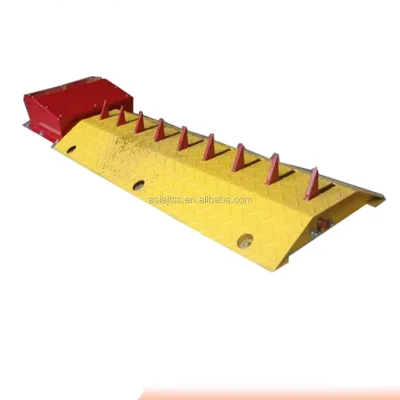
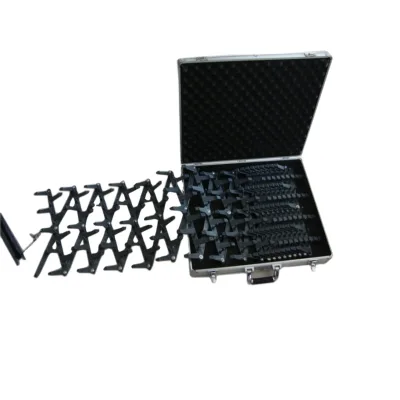
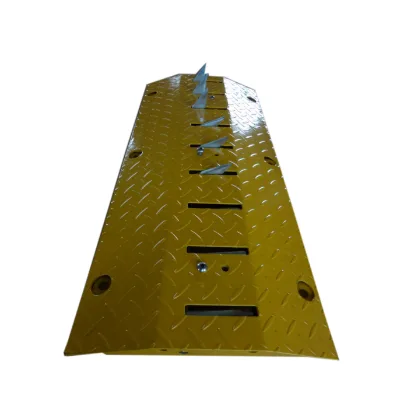

Vehicle Tire Spike Hydraulic Tire Killer Traffic Barrier Road Blocker
$1558.00 - $2010.00
MOQ: 10 Meters

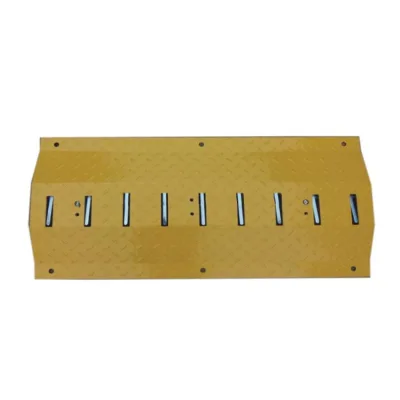
Steel Tire Killer Spike Barrier Tyre Killer Spikes Iron Metal Speed Bump Geelian
$59.15 - $69.35
MOQ: 20 meters
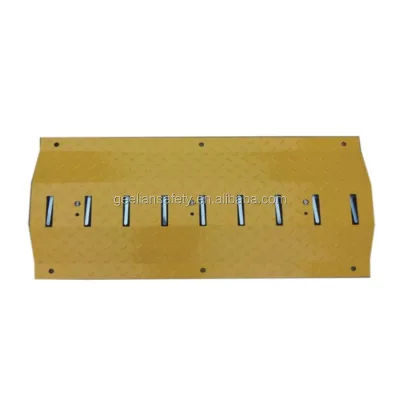
Factory Price Tire Killer High Security Fence Speed Bump Tyre Killer Security
$58.00 - $80.00
MOQ: 50 meters
Comprehensive Sourcing Guide
Aluminum Alloy Tire Spike Killer Sourcing Guide
Procuring tire spike killers requires a nuanced understanding of the distinction between rigid steel roadblocks and specialized aluminum alloy variants. While many market listings feature heavy steel construction for high-impact anti-terrorism barriers, aluminum alloy options offer distinct advantages in weight management and corrosion resistance. Buyers must carefully distinguish between these material classes, as the mechanical properties and installation requirements differ significantly. Steel units provide maximum durability for permanent installations, whereas aluminum variants are often preferred for portable or semi-permanent setups where weight is a critical logistical constraint.
The sourcing landscape includes a wide variety of products labeled under similar keywords, ranging from simple obstruction devices to complex electronic road blockers. It is essential to verify whether the aluminum alloy product is a passive reflector, a manual spike unit, or an automated system. Misidentification can lead to procurement errors where a lightweight, low-security item is purchased for a high-security perimeter. Clear definition of the security level required will narrow the supplier pool and ensure that the selected device meets the specific threat mitigation goals of the facility.
Product Scope and Observed Listing Signals
The current market presents a diverse array of tire control devices, with observed price ranges spanning from approximately $58 to over $2,000 USD. This variance reflects differences in material quality, automation levels, and certification status. Listings frequently highlight features such as galvanized steel construction, powder coating, and reflective sheeting, which are critical for visibility and longevity. Buyers should note that while some products are explicitly labeled as aluminum alloy road studs, others may be tire killers constructed from steel but marketed with similar terminology. Careful scrutiny of the material specification is necessary to avoid purchasing the wrong product class.
Observed minimum order quantities (MOQ) typically range from one to fifty units, indicating flexibility for both small-scale pilot projects and large infrastructure deployments. Many suppliers offer customization services, allowing for adjustments in size, control systems, and surface treatments. The presence of OEM options suggests that buyers can tailor dimensions to fit specific vehicle fence positions or road layouts. However, the availability of tailored services does not guarantee that every listed product can be modified to the exact specifications required. Buyers must confirm customization capabilities directly with the supplier before finalizing orders.
Technical Specifications to Verify
Technical verification must begin with the core material composition and structural integrity. While aluminum alloy is a key requirement for specific lightweight applications, many high-security tire killers are constructed from steel with protective coatings such as galvanization and powder coating. Buyers must confirm the exact alloy grade and wall thickness to ensure the device can withstand the intended impact forces. Additionally, the dimensions of the unit, including length, width, and height, must align with the physical constraints of the installation site. Standard sizes may vary, with some units measuring around 485x1000x50mm, while others are significantly larger or adjustable.
Electrical and operational specifications are critical for automated or electronic tire killers. Some models operate on low voltage DC systems, such as 10-12V, and may include remote control or manual operation modes. Others require standard AC power supplies, such as 220VAC, and incorporate motors for deployment mechanisms. Buyers must verify the power supply requirements, operating temperature ranges, and control interfaces to ensure compatibility with existing site infrastructure. The presence of liquid crystal voltage displays or specific reflective surfaces can also impact the ease of maintenance and visibility in low-light conditions.
Compliance and Safety Documentation
Safety compliance is paramount when deploying tire spike killers, as these devices are designed to inflict damage on unauthorized vehicles. Buyers must ensure that the selected product meets relevant local and international safety standards for road safety equipment. Certifications such as CE marking indicate that the product conforms to European health, safety, and environmental protection standards. However, the presence of a certification does not automatically guarantee compliance with all local regulations. Buyers should request valid certification documents and verify their authenticity with the issuing body.
Documentation should also include detailed installation manuals and maintenance guidelines. Proper installation is crucial to ensure that the tire killer functions as intended and does not pose a hazard to authorized vehicles. Buyers should verify that the supplier provides clear instructions for anchoring the device, connecting power supplies, and testing the deployment mechanism. Additionally, safety warnings and reflective markings should be clearly documented to ensure that the device is visible and understood by all road users. Failure to adhere to safety documentation can lead to liability issues and compromised security.
Cost Drivers and Commercial Terms
The total cost of ownership for tire spike killers is influenced by several factors, including material costs, manufacturing complexity, and shipping logistics. Aluminum alloy units may have higher material costs but lower shipping weights compared to steel alternatives. Buyers should consider the long-term maintenance costs, including the durability of surface treatments and the reliability of electronic components. The observed price range suggests that significant savings can be achieved by selecting basic models, but this may come at the expense of security performance and longevity.
Commercial terms such as MOQ, lead times, and payment conditions vary widely among suppliers. Buyers should negotiate favorable terms based on order volume and long-term partnership potential. It is important to clarify who is responsible for shipping and insurance, especially for heavy or bulky items. Some suppliers offer packaging in wooden cases or high-quality cartons to ensure safe transit. Buyers should verify the packaging standards to prevent damage during shipping and ensure that the product arrives in optimal condition.
Supplier Qualification and Quality Control
Supplier qualification is a critical step in the procurement process, as the quality of tire spike killers directly impacts security outcomes. Buyers should verify the supplier’s manufacturing capabilities, including their experience with aluminum alloy fabrication and steel construction. Quality control processes should include rigorous testing of mechanical strength, electrical functionality, and corrosion resistance. Buyers should request sample units or factory audit reports to assess the supplier’s commitment to quality.
Communication and responsiveness are also key indicators of supplier reliability. Buyers should evaluate the supplier’s ability to provide technical support, customization services, and after-sales care. A qualified supplier should be able to answer technical questions promptly and provide detailed product specifications. Additionally, buyers should check the supplier’s reputation and history in the industry. Positive feedback from previous clients can provide valuable insights into the supplier’s performance and reliability.
Long-Term Procurement Checks
Long-term procurement success depends on the ability to monitor and evaluate the performance of tire spike killers over time. Buyers should establish a regular maintenance schedule to inspect the devices for wear, damage, or malfunction. This includes checking the integrity of the spikes, the functionality of the deployment mechanism, and the condition of the surface coatings. Regular maintenance can extend the lifespan of the device and ensure consistent security performance.
Feedback loops with end-users and security personnel are essential for identifying potential issues and improving procurement decisions. Buyers should collect data on the frequency of deployment, the effectiveness of the device in deterring unauthorized access, and any maintenance challenges encountered. This information can be used to refine future procurement specifications and select more suitable products. Continuous improvement based on real-world performance data is key to maintaining a robust security infrastructure.
FAQs
What are the standard dimensions for aluminum alloy tire spike killers?
Standard dimensions vary by model, with common sizes including 485*1000*50mm and 550mm X 450mm X 90mm. Some units offer adjustable lengths from 2 to 7 meters. Custom OEM sizes are available to meet specific site requirements. Buyers should verify the exact single package size and gross weight for shipping calculations.
Can these tire killers be customized for specific security needs?
Yes, customization is available for size and control systems. Manufacturers offer OEM length options ranging from 1000 to 8000mm. Tailored services allow for specific operational adjustments. Buyers can request modifications to fit unique vehicle fence positions or anti-terrorism barrier requirements effectively.
What certifications do these road safety products typically hold?
Many aluminum alloy tire spike killers hold CE certification, ensuring compliance with relevant safety standards. These products are classified as road safety equipment and often feature reflective sheeting for visibility. Buyers should request specific certification documents from suppliers to verify compliance with local regulatory requirements before procurement.
How are these devices powered and operated?
Operating voltage ranges from 10 to 12V for portable units, while larger models may use 220VAC power supplies. Operation can be managed via remote control or manual mechanisms. Some systems include liquid crystal voltage displays and torque motors. Buyers must confirm the power supply type and operating method for their specific installation site.
What materials and surface treatments are used for durability?
Products are constructed from steel or aluminum alloy for robust performance. Surface treatments typically include galvanized finishes combined with powder coating to prevent corrosion. Some models feature double-side reflective surfaces and spray painting. These treatments ensure longevity in outdoor environments with working temperatures ranging from -30 to +80 degrees Celsius.
What is the typical packaging and shipping weight?
Packaging options include cartons, wooden cases, and safe packing methods. Single gross weights vary significantly, ranging from 10.6kg for portable units to 50-400kg for larger road blockers. Buyers should check the single package dimensions, such as 49X100X5 Cm, to plan logistics accurately and ensure safe transit of the heavy equipment.