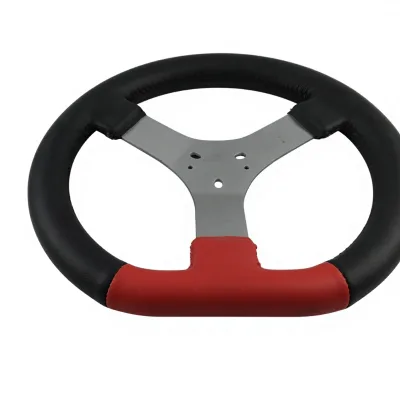
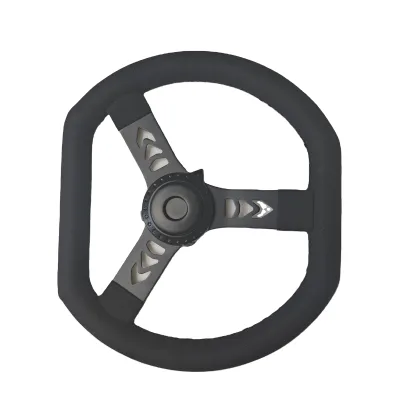
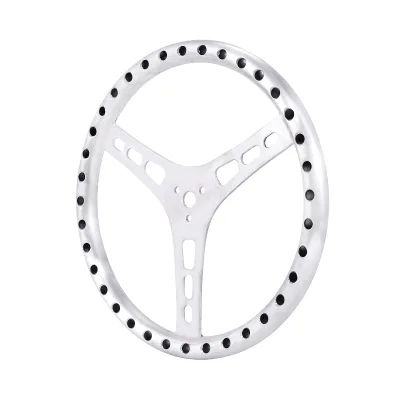
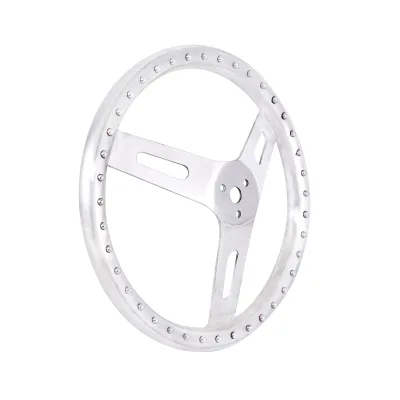
Source Aluminum Spoke Kart Steering Wheel for Racing, Off-Road, and Track Use
Compare 30 listings for the Aluminum Spoke Kart Steering Wheel from verified Chinese manufacturers. Buyers can evaluate CNC machined parts with chain transmission, anodized finishes, and custom sizes to find the right fit for go karts; compare the available evidence and request quotations based on your requirements.
Key considerations
Products List


Karting Forged Aluminum Wheels Auto Parts Alloy Wheels Wheel Rims Wheel Hub
$160.00 - $250.00
MOQ: 1 Pieces




Comprehensive Sourcing Guide
Aluminum Spoke Kart Steering Wheel Sourcing Guide
Sourcing aluminum spoke kart steering wheels requires a nuanced understanding of both the raw material properties and the precision manufacturing processes involved. Buyers must recognize that while the core keyword suggests a specific component, the actual market listings often encompass a broader range of OEM aluminum CNC precision parts. The observed product data indicates that suppliers frequently offer customization options, allowing buyers to specify exact dimensions and designs rather than relying on off-the-shelf inventory. This flexibility is crucial for racing teams or manufacturers who need components that integrate seamlessly with existing chassis geometries and steering column specifications.
The procurement landscape for these components is characterized by a wide variance in technical specifications and commercial terms. Listings reveal that materials typically include Aluminum Alloy 6061 or 7075, chosen for their favorable strength-to-weight ratios and machinability. However, buyers should not assume that every listed product meets specific performance thresholds without verification. The presence of attributes such as "Customization: Available" and "OEM: Acceptable" suggests that many suppliers operate as contract manufacturers rather than standard product vendors. Consequently, the sourcing strategy must prioritize clear communication of technical drawings and tolerance requirements to ensure the final product aligns with the intended application.
Product Scope and Observed Listing Signals
The observed product scope extends beyond simple steering wheels to include various aluminum CNC machined parts, such as kart hubs and other structural components. Listings indicate that items like "Kart Hubs" are often produced by the same suppliers who manufacture steering wheels, sharing similar material profiles and surface treatments. This overlap suggests that buyers can potentially consolidate their procurement efforts by sourcing multiple aluminum components from a single supplier, provided the quality control standards are consistent across all product lines. The observed weight of certain items, such as 250g for hubs, provides a benchmark for understanding the scale and mass of typical aluminum castings or machined parts in this category.
Market signals also highlight the importance of surface treatment and finishing options in the final product quality. Suppliers offer surface treatments such as anodizing or sandblasting, which are critical for corrosion resistance and aesthetic appeal in outdoor racing environments. The observed color options, including nine kinds of colors, indicate that visual customization is a standard service offered by many manufacturers. Buyers should verify whether these color options are achieved through dyeing during anodizing or through powder coating, as this affects durability and maintenance requirements. Understanding these finishing processes is essential for ensuring that the steering wheel can withstand the rigors of competitive use without premature degradation.
Technical Specifications to Verify
Technical verification must begin with the material grade, as the difference between Aluminum Alloy 6061 and 7075 significantly impacts strength and machinability. Buyers should confirm the specific alloy used, as 7075 offers higher strength but is more difficult to machine, potentially affecting lead times and costs. Additionally, the tolerance levels observed in listings, such as +/-0.01mm or +-0.01, are critical for ensuring proper fitment with steering columns and other chassis components. These tight tolerances require high-precision CNC machining centers, and buyers should inquire about the specific equipment used to ensure consistent quality across production batches.
Dimensional accuracy and design flexibility are equally important technical considerations. Listings indicate that sizes are often "as the drawing provided" or "as you request," emphasizing the need for detailed 3D or 2D drawings during the sourcing process. Buyers must ensure that their design files are complete and unambiguous to avoid manufacturing errors. Furthermore, the observed maximum speed ratings of 60-90 km/h for related kart components suggest that steering wheels must be designed to handle corresponding dynamic loads. While the steering wheel itself may not have a speed rating, its structural integrity must be validated against the performance capabilities of the kart it is intended to serve.
Compliance and Safety Documentation
Safety compliance is paramount when sourcing steering components for go-karts, even if specific certification standards are not explicitly listed for every item. Buyers should verify that suppliers adhere to relevant international safety standards for karting equipment, such as those set by CIK-FIA or local racing authorities. Although the observed data mentions CE certification for some products, it is unclear if this applies directly to steering wheels or to other kart components like hubs. Therefore, buyers must explicitly request documentation confirming that the steering wheel meets the structural and safety requirements of their target market and racing series.
Documentation should also include material test reports and quality assurance certificates to verify the integrity of the aluminum alloy used. Buyers should ask for mill certificates that confirm the chemical composition and mechanical properties of the aluminum, ensuring it meets the specified grade. Additionally, surface treatment processes should be documented to confirm that anodizing or other finishes meet thickness and hardness requirements for durability. Without proper documentation, buyers risk sourcing components that may fail under stress or fail to meet regulatory requirements, leading to potential safety hazards and legal liabilities in competitive environments.
Cost Drivers and Commercial Terms
Cost drivers for aluminum spoke kart steering wheels are primarily influenced by material costs, machining complexity, and surface treatment requirements. The use of high-grade alloys like 7075 aluminum will inherently increase material costs compared to 6061, while complex geometries require more machining time and tool wear. Surface treatments such as anodizing add additional processing steps and costs, which can vary based on the thickness and color of the finish. Buyers should request detailed cost breakdowns to understand how these factors contribute to the final price, allowing for more accurate budgeting and comparison between suppliers.
Commercial terms, including MOQ and packaging, also play a significant role in the total cost of ownership. Observed MOQs of 50 pieces suggest that suppliers may offer better pricing for larger orders, but buyers must balance this with their inventory needs and storage capabilities. Packaging options, ranging from common packaging to custom requests, can affect shipping costs and product protection during transit. Buyers should negotiate terms that align with their production schedule and cash flow, considering factors like lead times and payment terms. Clear communication of these commercial expectations early in the sourcing process can help avoid misunderstandings and ensure a smooth transaction.
Supplier Qualification and Quality Control
Supplier qualification should focus on their manufacturing capabilities and quality control processes, particularly their experience with CNC machining and aluminum components. Buyers should verify that suppliers have the necessary equipment, such as CNC machining centers, to produce parts with the required tolerances and surface finishes. Inquiring about their quality control procedures, including inspection methods and statistical process control, can provide insight into their ability to maintain consistent quality. Suppliers located in regions like Changzhou, Jiangsu, China, may have established expertise in this area, but buyers should still conduct due diligence to ensure their standards meet the buyer's requirements.
Quality control should also extend to the verification of incoming materials and finished products. Buyers should request samples for initial evaluation to assess fit, finish, and overall quality before committing to larger orders. Establishing a clear communication channel for addressing any defects or discrepancies is essential for maintaining a productive supplier relationship. Additionally, buyers should consider implementing regular audits or third-party inspections for ongoing production runs to ensure that quality remains consistent over time. This proactive approach to quality control can help mitigate risks and ensure that the sourced steering wheels meet the buyer's performance and safety expectations.
Long-Term Procurement Checks
Long-term procurement checks should include regular performance reviews of the sourced steering wheels in real-world applications. Buyers should monitor for any signs of wear, deformation, or failure under typical racing conditions, using this feedback to refine their specifications and supplier requirements. Establishing a feedback loop with the supplier can facilitate continuous improvement and address any emerging issues promptly. This collaborative approach can lead to better product designs and more reliable components over time, enhancing the overall performance and safety of the karting equipment.
Supply chain resilience is another critical aspect of long-term procurement. Buyers should assess the supplier's ability to maintain consistent production volumes and lead times, especially during peak seasons or market fluctuations. Diversifying the supplier base or maintaining a secondary source for critical components can mitigate the risk of supply disruptions. Additionally, staying informed about industry trends and technological advancements in aluminum machining and surface treatments can help buyers make informed decisions about future sourcing strategies. By proactively managing these long-term factors, buyers can ensure a stable and reliable supply of high-quality steering wheels for their operations.
FAQs
What material is used for these aluminum parts?
The parts are manufactured from Aluminium Alloy 6061 or 7075. These high-strength materials ensure durability and precision for go kart applications. The specific alloy choice depends on the required mechanical properties and the provided technical drawings for optimal performance.
Can I customize the design and color?
Yes, customization is available for both design and color. You can provide your own 3D or 2D drawings, and the manufacturer accepts OEM requests. The color can be selected from nine available options or specified according to your unique requirements for branding.
What is the minimum order quantity for these hubs?
The minimum order quantity is fifty pieces. This MOQ applies to the kart hubs and similar aluminum components. Buyers should consider this threshold when planning procurement volumes to ensure cost-effective production runs and efficient logistics for the ordered aluminum alloy parts.
How is the surface treatment applied to the parts?
Surface treatment options include anodizing or sand blasting. These processes enhance the durability and aesthetic finish of the aluminum components. The specific treatment method can be selected based on your functional requirements or design preferences to ensure the parts meet your quality standards.
Where are these aluminum parts manufactured?
These parts originate from Changzhou, Jiangsu, China. The manufacturing facility utilizes CNC machining centers to achieve tight tolerances of plus or minus zero point zero one millimeters. This location supports global export markets with reliable production capabilities for precision aluminum components.
What certifications do these products hold?
The products hold CE certification. This indicates compliance with relevant European health, safety, and environmental protection standards. Buyers can rely on this certification for market access and quality assurance when sourcing aluminum alloy components for go karts and similar machinery applications.