Source Aluminum Stair Edge Trim for Homes, Offices, and Public Spaces
Compare 30 listings for Aluminum Stair Edge Trim featuring options in stainless steel and aluminum alloy. Buyers can evaluate customization, surface treatments like anodizing, and thickness ranging from 0.3mm to 2mm for various stair applications.
Key considerations
Products List


$1.00 - $3.00
MOQ: 500 Pieces


Custom Aluminium Stainless Steel PVC Angle Corner Edge Nosing Step Stair Edging Trim
$0.50 - $0.97
MOQ: 500 Pieces


Extrusion Aluminium Staircase Step Corner Edge Trim Profile-Anti Slipping
$2500.00 - $3500.00
MOQ: 1 Tons




Comprehensive Sourcing Guide
Aluminum Stair Edge Trim Sourcing Guide
Sourcing Aluminum Stair Edge Trim requires a disciplined approach to balancing aesthetic integration with structural durability. These components serve as critical transition points between flooring materials and stair treads, providing both visual continuity and physical protection against wear. Buyers must recognize that while the core material is often aluminum alloy, the specific performance characteristics are heavily influenced by surface treatments, thickness tolerances, and the intended installation environment. The procurement process should focus on verifying that the selected trim meets the specific mechanical demands of high-traffic areas while adhering to the architectural design specifications.
The market offers a diverse range of configurations, from simple metal edge trims to composite stair treads and flexible floor edge trims. This variety means that a single sourcing strategy rarely fits all projects. Procurement teams must differentiate between products designed for decorative purposes and those engineered for non-slip functionality or heavy-duty protection. Understanding the distinction between rigid aluminum profiles and flexible alternatives is essential for ensuring that the chosen product aligns with the structural requirements of the staircase and the safety standards of the building.
Product Scope and Observed Listing Signals
The observed product landscape includes a wide array of aluminum-based stair components, with prices ranging from $0.50 to $3,500 USD. This significant variance reflects differences in material grade, surface treatment complexity, and order volume. Buyers should note that minimum order quantities (MOQ) typically range from 1 to 3,000 units, indicating that suppliers cater to both small-scale renovation projects and large commercial developments. The presence of OEM acceptance and customization options suggests that many manufacturers are equipped to produce bespoke profiles, allowing for precise alignment with specific architectural drawings.
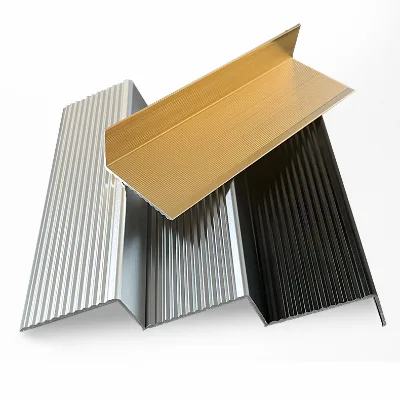
Common product attributes include various shapes, sizes, and thicknesses, with specific models such as ATDE, ATEP, and ASAT appearing in listings. Thickness options often include 0.8mm and 1.0mm for certain profiles, while others offer a broader range from 0.3mm to 2.0mm. Surface finishes are critical for both aesthetics and longevity, with anodizing, powder coating, and electrophoresis being standard processes. Colors are not limited to the natural silver finish, with options including gold, bronze, black, and white, allowing for seamless integration with diverse interior design schemes.
Technical Specifications to Verify
Thickness and material composition are primary technical factors that determine the load-bearing capacity and durability of the trim. Buyers must verify whether the product is made from pure aluminum alloy or stainless steel, as the latter offers different corrosion resistance and strength properties. The thickness specification should be matched to the expected foot traffic and impact load; for instance, heavy commercial use may require the upper end of the 0.3mm to 2.0mm range, while residential applications might suffice with thinner gauges. It is also important to confirm if the aluminum is reinforced or composite, as this affects the overall rigidity and installation method.
Surface treatment and finish quality directly impact the product’s resistance to scratches, corrosion, and slip hazards. Anodized finishes provide a hard, durable surface that is ideal for high-traffic areas, while powder coating offers a wider variety of colors and textures. Buyers should verify if the surface treatment includes anti-slip properties, especially for stair nosing applications where safety is paramount. Additionally, the presence of a protective film during shipping and handling should be confirmed to prevent surface damage before installation. The availability of deep processing services such as cutting, punching, and bending allows for custom fitting, which can reduce on-site labor and waste.
Compliance and Safety Documentation
Safety standards and certification are non-negotiable for stair edge trims, particularly in commercial and public buildings. Buyers should request documentation confirming that the products meet relevant international standards, such as ISO certifications for quality management and SGS testing for material safety. The presence of non-slip features is a critical safety attribute that must be verified through test results or manufacturer declarations. Ensuring that the trim meets local building codes regarding slip resistance and fire safety is essential to avoid liability issues and ensure occupant safety.
Documentation should also include details on the product’s origin and manufacturing standards. Products originating from regions like Foshan, Guangdong, or Ningbo, China, may have specific supply chain advantages, but buyers must ensure that these origins do not compromise quality control. Certifications such as ASTM for material testing or other regional standards should be requested to validate the product’s performance claims. Buyers should also verify if the manufacturer provides a warranty or guarantee that covers defects in material and workmanship, which serves as an additional layer of protection against premature failure.
Cost Drivers and Commercial Terms
The final cost of Aluminum Stair Edge Trim is influenced by several factors, including material costs, surface treatment complexity, and order volume. Higher MOQs often result in lower unit prices, making it crucial for buyers to accurately estimate their total requirements to negotiate better terms. Customization, such as specific sizes, colors, or deep processing like punching and bending, can add to the base cost. Buyers should also consider the packaging method, as options like cartons, round tubes, or wooden pallets can affect shipping costs and the risk of damage during transit.
Lead times and payment terms are significant commercial considerations that impact project scheduling and cash flow. Typical lead times range from 21 to 30 days after confirmation, but this can vary based on the complexity of the order and the manufacturer’s current production load. Buyers should negotiate clear delivery schedules and penalties for delays to mitigate project risks. Additionally, understanding the packing specifications, such as 20 pieces per carton or custom packaging as needed, helps in planning logistics and storage. Clear communication regarding these terms ensures that the procurement process runs smoothly and aligns with the overall project timeline.
Supplier Qualification and Quality Control
Evaluating supplier capability is essential to ensure consistent quality and reliable delivery. Buyers should verify the manufacturer’s production capacity, quality control processes, and ability to handle custom orders. Suppliers that offer OEM services and have experience with large-scale projects are often better equipped to handle complex requirements. It is also important to assess the supplier’s responsiveness and communication skills, as these factors can significantly impact the resolution of any issues that arise during production or delivery.
Quality control measures should include pre-shipment inspections and the provision of material test reports. Buyers should request samples to verify the finish quality, thickness tolerance, and overall build before placing a large order. Establishing a clear quality assurance protocol, including criteria for acceptable defects and return policies, helps to maintain high standards. Additionally, suppliers that provide comprehensive packaging solutions, such as plastic protective films and wooden pallets, demonstrate a commitment to protecting the product during transit, which reduces the risk of damage upon arrival.
Long-Term Procurement Checks
Establishing a long-term relationship with a reliable supplier requires ongoing monitoring of performance and quality. Buyers should regularly review supplier performance metrics, including on-time delivery rates, product quality consistency, and responsiveness to issues. Maintaining open communication channels and conducting periodic audits or site visits can help identify potential problems before they escalate. Building a diversified supplier base can also mitigate risks associated with supply chain disruptions or single-source dependencies.
Continuous improvement in procurement practices involves staying updated on industry trends, new materials, and evolving safety standards. Buyers should regularly reassess their specifications to ensure they align with current architectural and safety requirements. Engaging with suppliers to explore new technologies or finishes can lead to cost savings or enhanced product performance. By maintaining a proactive approach to supplier management and quality control, buyers can ensure that their Aluminum Stair Edge Trim procurement supports the long-term success and safety of their projects.
FAQs
What materials are used for Aluminum Stair Edge Trim?
The primary material used is aluminum alloy, though stainless steel options are also available. These materials provide durability and resistance to corrosion for various stair applications.
Can I customize the size and shape of the trim?
Yes, customization is available for both size and shape to meet specific project requirements. Customers can request various sizes and shapes, including specific thicknesses ranging from 0.3mm to 2mm.
What surface treatments are applied to the aluminum trim?
Common surface treatments include anodizing, powder coating, and electrophoresis to enhance appearance and protection. Available colors range from plain silver and gold to black, white, and bronze finishes.
How is the product packed for shipping?
Products are typically packed in cartons, round tubes, or on pallets depending on the order. Some items include protective films, and specific models may be packed as 20 pieces per carton.
What certifications do the manufacturers hold?
Manufacturers often hold ISO certifications and adhere to standards like SGS or ASTM. These certifications ensure the products meet quality and safety requirements for international trade and construction projects.
What is the typical lead time for orders?
The lead time is generally 21 to 30 days after order confirmation. This duration allows for production, quality checks, and preparation for shipment from origins like Foshan or Ningbo in China.
Is the installation process difficult for contractors?
No, the installation is designed to be easy for contractors and DIY users. The products often feature simple designs that allow for quick fitting without requiring specialized tools or complex procedures.