Source Angled Gear Steering Wheel Hub for Racing, Custom Builds, and Upgrades
Find 30 Angled Gear Steering Wheel Hub options for racing, custom builds, and upgrades. Compare specifications including material, certification, and customization support to select the right component for your vehicle.
Key considerations
Products List


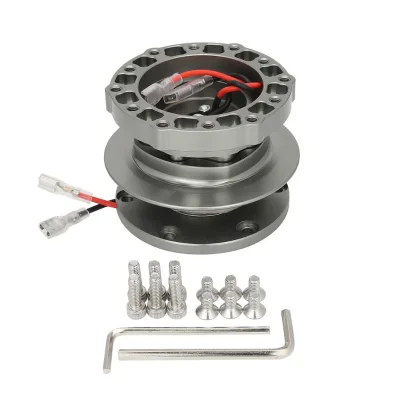
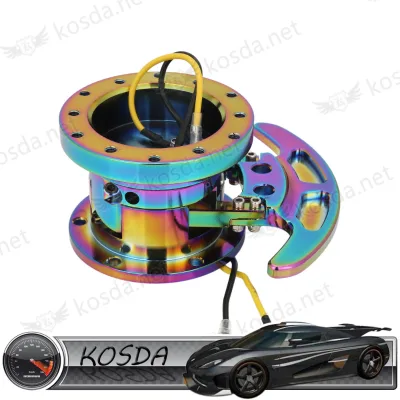


$8.30 - $10.00
MOQ: 1 Pieces

$8.30 - $10.00
MOQ: 1 Pieces

$2000.00 - $2500.00
MOQ: 1 Pieces


Comprehensive Sourcing Guide
Angled Gear Steering Wheel Hub Sourcing Guide
Procuring an Angled Gear Steering Wheel Hub requires a precise understanding of the intersection between mechanical transmission components and automotive interior accessories. While the term "steering wheel hub" typically refers to the central mounting interface for a steering wheel, the inclusion of "angled gear" suggests a specialized mechanical assembly, potentially involving a reduction gear or a specific mounting angle adjustment mechanism. Buyers must distinguish between standard universal hub adapters and complex mechanical hubs that integrate gear systems for specific vehicle modifications or racing applications. The sourcing landscape for these components is fragmented, with suppliers offering everything from simple aluminum adapters to more intricate metal-casting parts with specific finishing requirements.
The market signals indicate a diverse range of product types, from universal racing steering wheel hub adapters to general metal processing machinery parts. This diversity necessitates a rigorous verification process to ensure the purchased component matches the exact mechanical and dimensional requirements of the target application. Buyers should be aware that many listings use generic terms like "universal" or "racing," which may not guarantee compatibility with specific vehicle makes or models without detailed cross-referencing of model numbers and dimensional specifications. The presence of both "steering wheel hub" and "metal casting machinery parts" in supplier data suggests that some manufacturers may offer both automotive accessories and industrial components, requiring careful filtering to identify the correct product line.
Product Scope and Observed Listing Signals
The observed product listings reveal a wide spectrum of materials and manufacturing techniques, primarily focusing on metal components such as aluminum, steel, and iron. Common materials include seamless tubes, steel sheet plates, and aluminum, indicating that durability and weight considerations are key factors in product design. The manufacturing processes listed, such as pressing, bending, braze, and stamping, suggest that these hubs are often formed from sheet metal or tubular stock rather than being exclusively cast. This implies that buyers should verify the specific manufacturing method for their required part, as stamped or pressed components may offer different strength-to-weight ratios compared to cast alternatives.
Finishing and coating options are also varied, with zinc coating and chrome finishing being prominent features observed in the data. These finishes are critical for corrosion resistance and aesthetic appeal, particularly in automotive applications where exposure to moisture and wear is common. The presence of "Neo Chrome" as a color option and "Chrome" as a finishing process highlights the importance of surface treatment in the final product quality. Buyers should ensure that the chosen coating is compatible with the operating environment, especially if the hub will be subjected to high stress or harsh conditions. Additionally, the observation of "Wheel Spoke" as a wheel accessory suggests that some suppliers may offer integrated designs where the hub and spokes are manufactured as a single unit, which could impact installation and replacement strategies.
Technical Specifications to Verify
Dimensional accuracy is paramount when sourcing angled gear steering wheel hubs, as even minor deviations can lead to improper fitment or mechanical failure. Buyers must verify critical dimensions such as the wheel hub diameter, which can range from 16 to 20 inches in some observed listings, and the specific model numbers like KD8312 or KD8311. These model numbers often correspond to specific vehicle applications or mounting patterns, and relying solely on "universal" claims can be risky. It is essential to cross-reference the model number with the vehicle’s make and model to ensure compatibility, especially when dealing with non-standard components that may require custom modifications.
The standardization of these components varies significantly, with some listings adhering to international standards such as BS, ANSI, JIS, GB, GOST, ASTM, and DIN, while others are classified as non-standard. Buyers should determine whether their application requires a standardized component for easier replacement and sourcing or if a custom solution is necessary. For custom parts, detailed technical drawings and tolerance specifications must be provided to the supplier to ensure that the angled gear mechanism functions correctly. Additionally, the heat treatment processes, including annealing, quenching, tempering, and nitriding, play a crucial role in the mechanical properties of the hub, such as hardness and fatigue resistance, and should be specified in the procurement requirements.
Compliance and Safety Documentation
Safety and regulatory compliance are critical when sourcing automotive components, particularly those that interact with the steering system. Buyers should verify that the supplier holds relevant certifications such as ISO, DOT, CE, RoHS, and SGS, which indicate adherence to quality management and environmental standards. These certifications provide assurance that the manufacturing processes and materials used meet recognized safety and quality benchmarks. However, buyers must be cautious, as the presence of a certification does not automatically guarantee that every batch of products meets the same standard; it is advisable to request current certification documents and verify their validity with the issuing body.
In addition to certifications, buyers should ensure that the product meets the specific safety requirements of the target market. For instance, if the hub is intended for use in vehicles subject to DOT regulations, it must comply with relevant federal motor vehicle safety standards. The condition of the product, whether brand new or new, should also be clearly stated to avoid receiving refurbished or used parts. Buyers should also consider the warranty terms, such as the observed 6-month warranty, as an indicator of the supplier’s confidence in their product’s durability and performance. A robust warranty can provide additional protection against defects and premature failures.
Cost Drivers and Commercial Terms
The cost of angled gear steering wheel hubs is influenced by several factors, including the material type, manufacturing complexity, and finishing requirements. Aluminum and steel components typically command different price points based on raw material costs and processing difficulties. The observed price range of $0.1 to $2500 USD reflects the vast diversity in product types, from simple adapters to complex mechanical assemblies. Buyers should request detailed quotations that break down the costs associated with materials, labor, and finishing to understand the true value of the product. It is also important to consider the minimum order quantity (MOQ), which can range from 1 to 20,000 pieces, as this will impact the unit price and overall procurement strategy.
Commercial terms such as packaging, port of dispatch, and supply ability are also key considerations in the procurement process. The observed packaging details, including carton and plywood pallets, indicate that proper protection during transit is a priority for suppliers. Buyers should ensure that the packaging is suitable for the quantity and weight of the order to prevent damage during shipping. The port of dispatch, often Guangzhou for suppliers based in Guangdong, China, can affect lead times and shipping costs. Additionally, the supply ability, such as 1000 pieces per week, should be evaluated against the buyer’s demand to ensure that the supplier can meet delivery schedules without compromising quality.
Supplier Qualification and Quality Control
Supplier qualification is a critical step in ensuring the reliability and consistency of the sourced components. Buyers should conduct thorough due diligence on potential suppliers, verifying their business licenses, manufacturing capabilities, and quality control processes. The observation of "Customization: Available" and "Customize: Support" suggests that many suppliers are willing to accommodate specific requirements, but this also requires a higher level of oversight to ensure that the custom parts meet the specified standards. Buyers should request samples before placing large orders to evaluate the quality, fit, and finish of the product.
Quality control measures should be clearly defined in the procurement agreement, including inspection criteria and acceptance standards. Buyers should consider implementing third-party inspections or audits to verify that the supplier’s quality control processes are effective. The observation of "Application: Metal Casting Machinery, Metal Coating Machinery, etc." suggests that some suppliers may have expertise in multiple areas, which could be beneficial for complex projects. However, buyers should ensure that the supplier’s primary focus is on automotive components to guarantee that they have the necessary expertise and experience in this specific field. Clear communication of quality expectations and regular follow-ups can help maintain high standards throughout the production process.
Long-Term Procurement Checks
Long-term procurement success depends on establishing a sustainable relationship with suppliers who can consistently deliver high-quality products. Buyers should monitor supplier performance over time, tracking metrics such as on-time delivery, product quality, and responsiveness to issues. Regular reviews of supplier performance can help identify potential problems early and allow for corrective actions to be taken. Additionally, buyers should stay informed about changes in industry standards and regulations that may impact the sourcing of angled gear steering wheel hubs.
As technology and manufacturing processes evolve, buyers should be open to exploring new suppliers and technologies that may offer better value or performance. The observation of "Brand Name: KOSDA" and "Model Number: KD8311/KD8312" indicates that some suppliers have established brand identities and product lines, which can be a sign of reliability and consistency. However, buyers should not rely solely on brand reputation and should continue to verify product quality and supplier capabilities. By maintaining a proactive approach to supplier management and staying informed about market trends, buyers can ensure a stable and efficient procurement process for their angled gear steering wheel hubs.
FAQs
What materials are used for angled gear steering wheel hubs?
These hubs are typically manufactured from metal, including aluminum and iron. Some products utilize seamless tubes or steel sheet plates as raw materials. The specific material choice depends on the application, with aluminum often used for lighter racing adapters and iron for robust standard components. Buyers should verify the exact material grade for their specific vehicle compatibility needs.
Can I customize the specifications of these steering wheel hubs?
Yes, customization is available for many of these components. Manufacturers support custom designs to meet specific vehicle requirements or aesthetic preferences. Options may include different finishes, such as neo chrome or zinc coating, and various standard sizes. Buyers should confirm customization support and lead times directly with the supplier to ensure the modified part meets their exact engineering specifications.
What certifications do these steering wheel hubs typically hold?
Products often carry certifications such as ISO, CE, RoHS, and DOT. These certifications indicate compliance with international quality and safety standards. Some items may also adhere to specific regional standards like BS, ANSI, JIS, or DIN. Buyers should request valid certification documents to ensure the components meet regulatory requirements for their target market or specific vehicle application.
What is the typical warranty period for these hubs?
The standard warranty period is often six months for new condition items. This covers defects in materials and workmanship under normal use. Buyers should verify the specific warranty terms with the supplier, as conditions may vary based on the product type, such as racing adapters versus standard hubs. Proper installation and maintenance are usually required to keep the warranty valid.
How are these steering wheel hubs packaged for shipping?
Packaging varies by product type and supplier. Common methods include original packaging, carton boxes, or plywood pallets for larger orders. The single package size and gross weight should be confirmed for logistics planning. Buyers should specify their packaging requirements during the inquiry to ensure safe transit and compliance with any specific import or handling regulations.
What is the minimum order quantity for these hubs?
The minimum order quantity (MOQ) can range from 1 piece to 20,000 pieces depending on the supplier and product. Some items have an MOQ of 10 pieces, while others may require higher volumes. Buyers should check the specific MOQ for their desired model, as pricing and availability often depend on the order volume and customization level requested.