Source Aluminum Watch Box with PU Foam for Storage, Shipping, and Collection
Compare 30 Aluminum Watch Box with PU Foam options featuring shockproof and waterproof designs. Buyers can evaluate customization, materials like EVA or XPE, and sizes ranging from medium to custom dimensions for universal packaging needs.
Key considerations
Products List


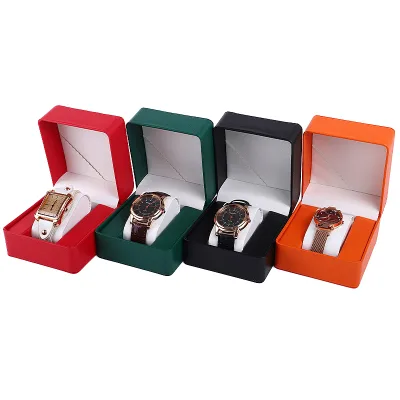

Custom Design Waterproof Shockproof Aluminum Watch Storage Case with Foam Insert
$6.80 - $8.00
MOQ: 50 Pieces


Comprehensive Sourcing Guide
Aluminum Watch Box with PU Foam Sourcing Guide
Sourcing aluminum watch boxes with PU foam requires a nuanced understanding of material interactions, protective performance, and aesthetic customization. Aluminum provides a rigid, lightweight shell that offers superior impact resistance compared to plastic or wood, while PU foam inserts ensure a snug fit for timepieces, preventing movement during transit. Buyers must evaluate how these materials combine to meet specific storage, display, or shipping needs, balancing durability with visual appeal. The choice of foam type—whether eggshell, EPE, or custom-cut—directly influences the level of protection and the premium feel of the final product.
This guide focuses on evidence-based procurement strategies for aluminum watch cases, drawing from observed market listings and standard industry practices. It addresses critical decision points such as material verification, compliance documentation, and supplier qualification. By adhering to these guidelines, procurement professionals can mitigate risks associated with quality inconsistencies, hidden costs, and regulatory non-compliance. The objective is to provide a structured framework for evaluating suppliers and products, ensuring that the selected aluminum watch boxes meet both functional requirements and brand standards.
Product Scope and Observed Listing Signals
The market for aluminum watch boxes encompasses a variety of styles, including hand-held cases and wheeled options, catering to different usage scenarios. Observed listings indicate a wide range of capacities, from medium-sized personal storage units to larger universal packaging cases. The primary function of these products is often dual-purpose: providing secure storage for collection purposes while also serving as durable packaging for shipping or gifting. Buyers should note that "aluminum" in product titles may refer to the external shell, while the interior lining and foam inserts vary significantly in material composition and quality.
Color and finish options are highly customizable, with black, silver, and brown being common standard offerings. Many suppliers accept custom color requests, allowing brands to align the packaging with their corporate identity. The exterior material is typically aluminum, but some listings may specify leather or PU leather accents, which can affect both the aesthetic and the cost. It is crucial to verify whether the aluminum is anodized, brushed, or polished, as these finishes impact scratch resistance and visual texture. Additionally, the presence of features like silk-screen printing or metal plate logos indicates the level of branding customization available.
Technical Specifications to Verify
When evaluating technical specifications, the type of foam used inside the aluminum case is a critical factor. Common materials include eggshell foam, PU, EVA, EPE, or XPE, each offering different levels of cushioning and durability. Buyers should request samples to test the foam's resilience and its ability to retain its shape over time. The hardness of the foam, often described as medium soft, should be appropriate for the weight and fragility of the watches being stored. Custom-cut foam inserts are preferred for high-value items, as they provide a precise fit that minimizes movement and potential damage.
The structural integrity of the aluminum shell must also be assessed. Specifications such as wall thickness and hinge quality are not always explicitly stated in listings but are vital for long-term durability. Elastic hinges, for example, offer a smoother opening experience and greater longevity compared to standard hinges. The gross weight of the product is another important metric, with lighter cases being preferable for portability but potentially less robust. Buyers should verify the exact dimensions and internal capacity to ensure compatibility with their inventory, noting that custom sizes are often available to meet specific requirements.
Compliance and Safety Documentation
Compliance with international standards is essential for aluminum watch boxes, particularly when they are used for commercial packaging or sold in regulated markets. Certifications such as ISO9001, RoHS, and Reach are commonly cited by suppliers, indicating adherence to quality management and environmental safety standards. Buyers should request valid certification documents to verify that the aluminum and foam materials do not contain harmful substances like lead, mercury, or cadmium. This is especially important for products intended for the European market, where RoHS compliance is mandatory for electronic and related packaging materials.
In addition to material safety, buyers should inquire about the manufacturing standards and quality control processes employed by the supplier. While certifications provide a baseline, the actual production environment and testing protocols determine the consistency of the final product. Suppliers may also hold additional certifications, such as FSC for wood-based components if applicable, or ISO14001 for environmental management. However, these should be verified independently, as they are not always standard for aluminum-only products. Ensuring that the supplier has a robust quality assurance system in place helps mitigate the risk of receiving defective or non-compliant goods.
Cost Drivers and Commercial Terms
The cost of aluminum watch boxes is influenced by several factors, including the type of aluminum used, the complexity of the foam insert, and the level of customization. Custom sizes and unique foam shapes typically incur higher tooling and production costs, which may be reflected in the unit price. The MOQ (Minimum Order Quantity) is another significant variable, with ranges observed from 1 to 1000 units. Higher volumes often result in lower per-unit costs, but buyers must balance this with their inventory management capabilities and cash flow constraints.
Pricing structures can vary widely, with observed ranges from $0.02 to $39 per unit, depending on the product's complexity and quantity. Buyers should request detailed quotations that break down costs for materials, labor, tooling, and shipping. It is important to clarify whether the quoted price includes packaging, such as carton boxes, and if there are any additional fees for logo printing or custom colors. Lead times are also a critical commercial term, as they impact inventory planning and delivery schedules. Suppliers should provide realistic lead time estimates based on order volume and customization requirements.
Supplier Qualification and Quality Control
Supplier qualification is a critical step in ensuring the reliability and quality of aluminum watch boxes. Buyers should assess the supplier's production capacity, technical expertise, and track record in manufacturing similar products. Visiting the factory or conducting a virtual audit can provide insights into the production processes, quality control measures, and overall operational efficiency. Suppliers with a history of exporting to reputable markets are often more reliable, as they are likely to adhere to international standards and customer expectations.
Quality control procedures should be clearly defined and agreed upon before production begins. This includes pre-production sample approvals, in-process inspections, and final random inspections before shipment. Buyers should specify the acceptable quality limit (AQL) and the testing methods to be used, such as drop tests or material hardness tests. Clear communication of quality expectations helps prevent disputes and ensures that the delivered products meet the required standards. Establishing a strong relationship with the supplier through regular communication and feedback can also lead to continuous improvement and better service.
Long-Term Procurement Checks
Long-term procurement success depends on continuous monitoring of supplier performance and product quality. Buyers should establish key performance indicators (KPIs) such as on-time delivery rate, defect rate, and responsiveness to issues. Regular reviews of these metrics help identify potential problems early and allow for corrective actions. Maintaining a diverse supplier base can also mitigate risks associated with supply chain disruptions or quality issues with a single vendor.
As market trends and customer preferences evolve, buyers should periodically reassess their sourcing strategies. This may involve exploring new materials, designs, or suppliers that offer better value or innovation. Staying informed about regulatory changes and industry standards ensures that the sourced products remain compliant and competitive. By adopting a proactive and data-driven approach to procurement, buyers can build a resilient supply chain that supports their business goals and customer satisfaction.
FAQs
Can aluminum watch boxes with PU foam be customized?
Yes, customization is available for aluminum watch boxes with PU foam. Buyers can request specific sizes, colors like brown or silver, and logo printing via silk-screen or metal plate methods to meet unique branding needs.
What materials are used for the interior of these cases?
The interior materials typically include eggshell foam, PU, EVA, EPE, or XPE. Some specific models may also feature flannelette lining to ensure soft protection for delicate watch collections during storage or transport.
Are these aluminum cases waterproof and shockproof?
Yes, many aluminum cases are designed to be both waterproof and shockproof. This ensures the contents remain safe from moisture and impact, making them suitable for universal packaging and secure storage applications.
What certifications do these manufacturers typically hold?
Manufacturers often hold ISO9001, RoHS, and Reach certifications. These standards verify that the production processes and materials meet international quality and safety requirements for environmental compliance and product reliability.
How are these aluminum watch boxes packed for shipping?
These boxes are typically packed in carton boxes or standard packaging. The packaging is designed to protect the product during transit, with options for medium capacity and various sizes accepted based on custom requirements.
What is the origin of these aluminum watch storage cases?
The products originate from Zhejiang, China. This region is a known manufacturing hub, offering a wide range of aluminum cases with features like lightweight durability and easy carrying capabilities for global buyers.
Can I find aluminum cases with specific size standards?
Yes, custom sizes are accepted, and standard sizes like 7x13x3 inches are available. Buyers can choose from various sizes to fit different watch collections, ensuring a perfect fit for storage or gifting purposes.